
While not directly a topic typically covered under Travel, Hotels, Tourism, Accommodation, Landmarks, or Lifestyle in the conventional sense, understanding tax rates in Arizona can significantly impact the budgeting and financial planning of any trip or extended stay within the state. For travelers, tourists, and those considering a longer-term accommodation, knowledge of sales tax, income tax, and even property tax (if applicable) can influence choices regarding destinations, length of stay, and overall expenditure. This article delves into the various tax landscapes of Arizona, providing insights that can help visitors and residents alike make more informed decisions.
Understanding Arizona’s Sales Tax Structure
Arizona operates with a unique sales tax system that differs from many other states. Instead of a statewide general sales tax, Arizona relies heavily on the Transaction Privilege Tax (TPT). This tax is technically levied on the seller for the privilege of doing business in the state, but it is typically passed on to the consumer. Understanding this distinction is key, as it affects how businesses are taxed and how consumers perceive their overall spending.
State and Local TPT Rates
The TPT rate in Arizona is comprised of two main components: the state TPT rate and the local TPT rate.
- State TPT Rate: The state TPT rate is set by the Arizona Department of Revenue. As of recent data, the statewide rate is 5.6%. This rate applies to most taxable goods and services across the state.
- Local TPT Rates: In addition to the state rate, cities and counties can impose their own TPT rates. These local rates vary significantly, meaning the total TPT you pay will depend on your specific location within Arizona. For instance, a purchase made in Phoenix will likely have a different total TPT than one made in Tucson or a smaller town. Cities often have higher TPT rates than unincorporated county areas. These local taxes are crucial for funding municipal services, such as police, fire departments, and infrastructure within those jurisdictions.
Taxable Goods and Services
It’s important to note that not all transactions are subject to TPT. The tax is imposed on specific business classifications. Common taxable items include:
- Tangible personal property (e.g., retail sales of clothing, electronics, souvenirs).
- Certain services, such as repair services, amusement and recreation services, and janitorial services.
- Renting of tangible personal property.
- Mining and quarrying.
- Prime contracting (construction).
Services that are generally not taxed under TPT include:
- Most professional services (e.g., legal, accounting, medical).
- Financial services.
- Educational services.
- Sales of intangible property.
For travelers, this means that when purchasing souvenirs in Sedona, dining at restaurants in Scottsdale, or renting a car at the Phoenix Sky Harbor International Airport, you will be paying TPT. The exact amount will be determined by the state rate plus the specific local rate of the city or town where the transaction occurs.
TPT Exemptions and Deductions
Arizona does offer certain exemptions and deductions that can reduce the tax burden. For tourists, these might be less common, but for those considering longer stays or business ventures, they are significant.
- Resale Exemption: Businesses can purchase goods for resale without paying TPT, provided they provide a valid resale certificate to the seller.
- Exemptions for Government Agencies: Sales to federal, state, and local government entities are often exempt.
- Sales for Export: Certain sales intended for export out of the United States may be exempt.
- Specific Industry Exemptions: Some industries or types of transactions may be specifically exempted by law.
It’s advisable for businesses operating in Arizona to be well-versed in these exemptions to ensure compliance and avoid overpayment of taxes. For individual travelers, understanding what is and isn’t taxed helps in budgeting for a trip. For example, lodging (hotels, motels, vacation rentals) is subject to TPT, which is a direct cost for visitors.
Income Tax in Arizona
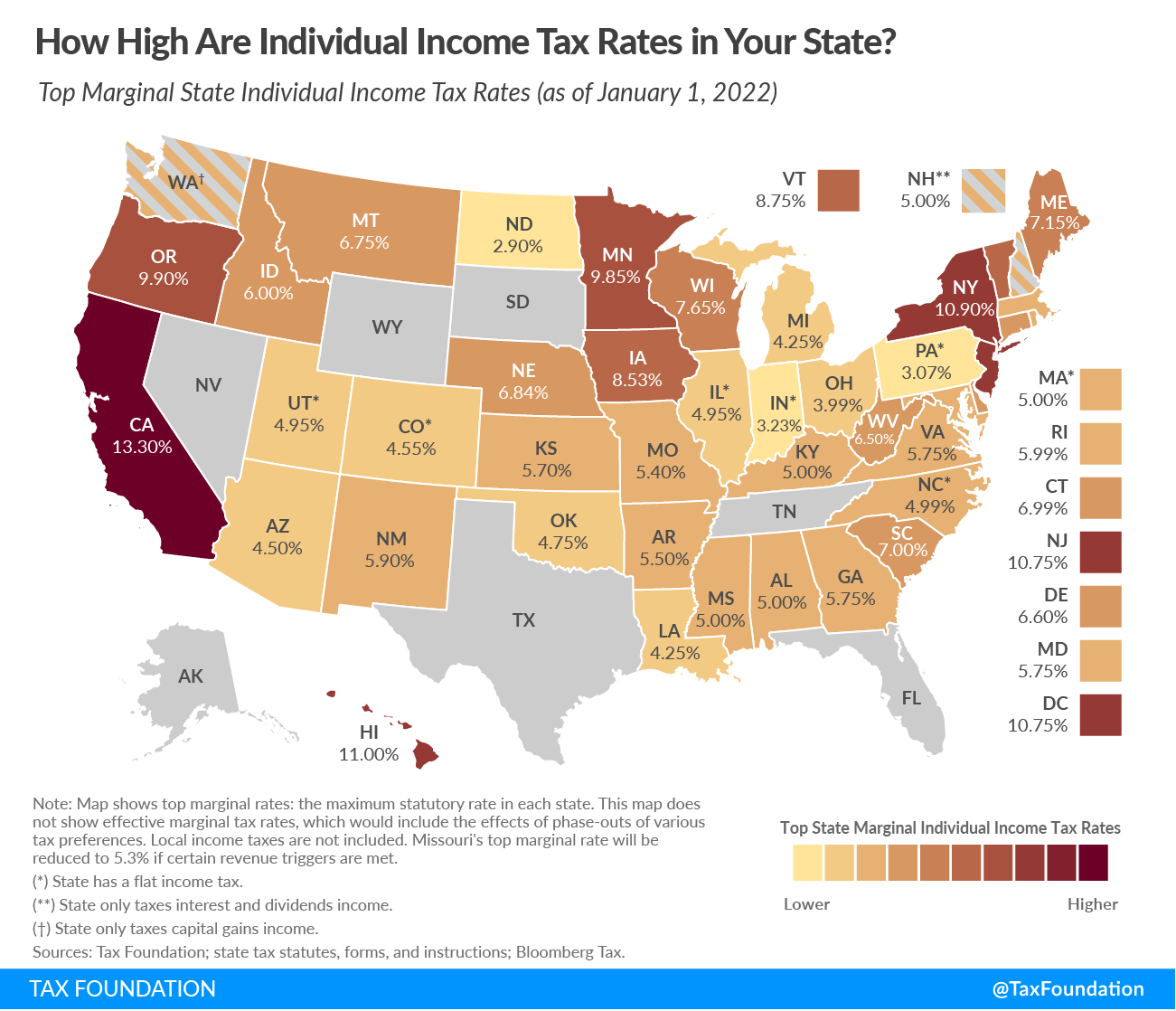
For individuals, understanding Arizona’s income tax structure is crucial, especially for those planning to work, retire, or establish residency in the state. Arizona has a progressive income tax system, meaning tax rates increase as income increases.
Tax Brackets and Rates
Arizona has historically had multiple tax brackets, with rates that have evolved over time. The specific rates and income thresholds for these brackets are set annually and can change.
- Progressive System: The progressive nature of Arizona’s income tax means that a portion of your income is taxed at a lower rate, and higher portions are taxed at progressively higher rates. This is intended to create a system where those with higher incomes contribute a larger percentage of their earnings in taxes.
- Filing Status: Like many states, Arizona considers filing status (e.g., single, married filing jointly, head of household) when determining tax liability. Different statuses have different bracket thresholds and deductions.
Deductions and Credits
Arizona allows for various deductions and credits that can reduce an individual’s taxable income and, consequently, their tax liability.
- Standard Deduction: A standard deduction is available to most taxpayers, which reduces the amount of income subject to tax.
- Itemized Deductions: Taxpayers may opt to itemize deductions if their total itemized deductions exceed the standard deduction. These can include certain medical expenses, state and local taxes (subject to limitations), mortgage interest, and charitable contributions.
- Tax Credits: Credits directly reduce the amount of tax owed. Common credits in Arizona might include credits for dependents, education expenses, or renewable energy investments.
For those considering a move to Arizona for retirement or to work, researching the current income tax brackets, deductions, and credits is essential for accurate financial planning. The relative tax burden can influence the decision to relocate to Arizona compared to other states with different tax policies.
Property Tax in Arizona
While not a direct concern for short-term tourists, property tax is a significant consideration for those who own property in Arizona, including vacation homeowners or those planning longer-term stays that might involve purchasing a residence or renting a long-term apartment or villa.
How Property Tax Works
Property taxes in Arizona are levied by local governments (counties, cities, school districts, and special districts) rather than the state. The tax is based on the assessed value of the property.
- Assessed Value: The county assessor determines the full cash value of the property. For residential properties, a portion of this value is then considered the “limited value” for tax purposes, which is generally lower than the full market value. This limited value is then multiplied by an assessment ratio (which is typically 10% for residential property) to arrive at the limited property value that is subject to tax.
- Tax Rate (Levy): Local taxing authorities set their own tax rates, often referred to as levies. These rates are applied to the limited property value to determine the annual property tax bill. These rates are influenced by the budgets of the taxing jurisdictions and the total assessed value of property within their boundaries.
Factors Influencing Property Taxes
Several factors influence the amount of property tax an owner will pay in Arizona:
- Location: Property taxes can vary significantly from one county, city, or school district to another due to differences in local government budgets and needs.
- Property Value: The market value and subsequent limited property value of the home or land are the primary determinants.
- Taxing District Levies: The specific combination of taxing districts that serve the property will have different levy rates.
For individuals purchasing property, whether a second home in Scottsdale or a primary residence in Phoenix, understanding the local property tax rates is a critical part of the financial analysis. It’s advisable to consult with local real estate agents or tax professionals to get an accurate estimate of potential property tax liabilities.
Impact on Travel and Tourism Decisions
While the title “What Is Tax Rate In Arizona?” might seem dry, its implications for travelers and tourists are far-reaching, influencing budgets, destination choices, and the overall cost of experiencing what Arizona has to offer.
Budgeting for Travel Expenses
- Accommodation: As mentioned, lodging is subject to TPT. When booking a hotel in Tempe or a vacation rental near the Grand Canyon, the TPT rate of the specific location will add to the nightly cost. Understanding these rates allows for more accurate budgeting. For instance, a weekend getaway in a city with a higher local TPT rate will naturally cost more than a similar stay in a lower-taxed area.
- Dining and Shopping: Eating out and purchasing souvenirs are common tourist activities. The combined state and local TPT on meals and retail goods can add a noticeable percentage to the bill. Planning for this additional cost is a practical aspect of travel budgeting.
- Car Rentals and Activities: Renting a car to explore places like Sedona or purchasing tickets for attractions and tours will also include TPT. This tax is factored into the overall price presented by service providers.
Influencing Accommodation Choices
For travelers considering longer stays or vacation rentals, the TPT on accommodation can be a significant factor. A property with a slightly lower base rate but a higher TPT might end up being more expensive than a property with a higher base rate but a lower TPT, depending on the length of stay and the specific rates. This knowledge empowers travelers to compare options more effectively.

Long-Term Stays and Residency
For those contemplating a longer-term visit, such as an extended vacation or a work assignment, understanding the nuances of Arizona’s tax system becomes even more important.
- Income Tax Implications: If a traveler intends to work remotely while in Arizona, they may become subject to Arizona income tax, depending on the duration and nature of their activities. Understanding the state’s income tax rates and filing requirements is crucial.
- Property Tax: For individuals considering purchasing a vacation home or establishing residency, property tax is a major ongoing expense. Researching property tax rates in desired areas of Arizona is a non-negotiable step in the financial planning process.
In conclusion, while the tax rates in Arizona are a matter of state and local fiscal policy, they directly impact the pocketbooks of travelers, tourists, and potential residents. By understanding the state’s Transaction Privilege Tax, income tax structure, and property tax system, individuals can better budget for their experiences, make informed decisions about where to stay, and more accurately assess the financial implications of visiting or living in the Grand Canyon State. This knowledge transforms abstract tax policies into practical tools for maximizing enjoyment and minimizing unexpected expenses during any stay in Arizona.
LifeOutOfTheBox is a participant in the Amazon Services LLC Associates Program, an affiliate advertising program designed to provide a means for sites to earn advertising fees by advertising and linking to Amazon.com. Amazon, the Amazon logo, AmazonSupply, and the AmazonSupply logo are trademarks of Amazon.com, Inc. or its affiliates. As an Amazon Associate we earn affiliate commissions from qualifying purchases.