
The elevation of Prescott, Arizona is a fundamental characteristic that shapes its climate, landscape, and the unique experiences it offers to visitors. Nestled in the heart of Yavapai County, this charming historic city sits at a significant altitude, contributing to its distinctive four-season weather patterns and its reputation as a refreshing escape from the desert heat of lower elevations. Understanding this crucial geographical detail provides essential context for anyone planning a visit, exploring outdoor activities, or simply seeking to appreciate the natural beauty of this Arizona gem.
The Altitude Advantage: Prescott’s Elevation Explained
Prescott’s average elevation is approximately 5,367 feet (1,636 meters) above sea level. This figure places it firmly in the “mountainous” or “high desert” terrain of Arizona, distinguishing it from the more arid and significantly hotter Sonoran Desert regions further south, such as Phoenix or Tucson. This higher altitude is not merely a number; it is a primary driver of the city’s environmental and atmospheric conditions.
Impact on Climate and Weather
The elevation of Prescott plays a crucial role in moderating its climate. While Arizona is often associated with scorching summers, Prescott offers a welcome respite. Its altitude contributes to cooler average temperatures throughout the year compared to its desert counterparts.
- Summers: While still warm, Prescott’s summers are generally more temperate. Daytime highs typically range from the mid-80s to low 90s Fahrenheit (around 29-33°C), a stark contrast to the 100°F+ (38°C+) experienced in Phoenix. The evenings bring significant cooling, often dropping into the 50s and 60s Fahrenheit (10-20°C), making for comfortable nights.
- Winters: The elevation also allows Prescott to experience distinct winter weather. Snowfall is common, blanketing the city and surrounding Prescott National Forest in white. While snow rarely accumulates to disruptive levels for extended periods within the city itself, it adds a picturesque charm and offers opportunities for winter sports in nearby higher elevations. Average daytime highs in winter hover in the 40s and 50s Fahrenheit (4-15°C), with overnight lows often dipping below freezing.
- Spring and Fall: These seasons are particularly delightful in Prescott, characterized by mild temperatures, sunny days, and vibrant foliage in the fall. This makes them ideal times for outdoor exploration and enjoying the city’s many attractions.
The higher elevation also means that atmospheric pressure is lower than at sea level. While this is generally not noticeable for most visitors, individuals sensitive to altitude changes might experience mild effects upon arrival, such as shortness of breath or increased heart rate. Staying hydrated and taking it easy during the first day can help mitigate these potential issues.
Landscape and Natural Environment
The elevation directly influences the natural environment surrounding Prescott. The higher altitude supports different types of vegetation compared to the saguaro-dominated deserts of southern Arizona.
- Ponderosa Pines: Vast forests of Ponderosa pine trees dominate the landscape, creating a cooler, shadier environment and contributing to the region’s clean air. These forests are a significant part of the appeal for outdoor enthusiasts.
- Chaparral and Oak Woodlands: Interspersed within the pine forests are areas of chaparral and oak woodlands, adding to the biodiversity and visual variety of the terrain.
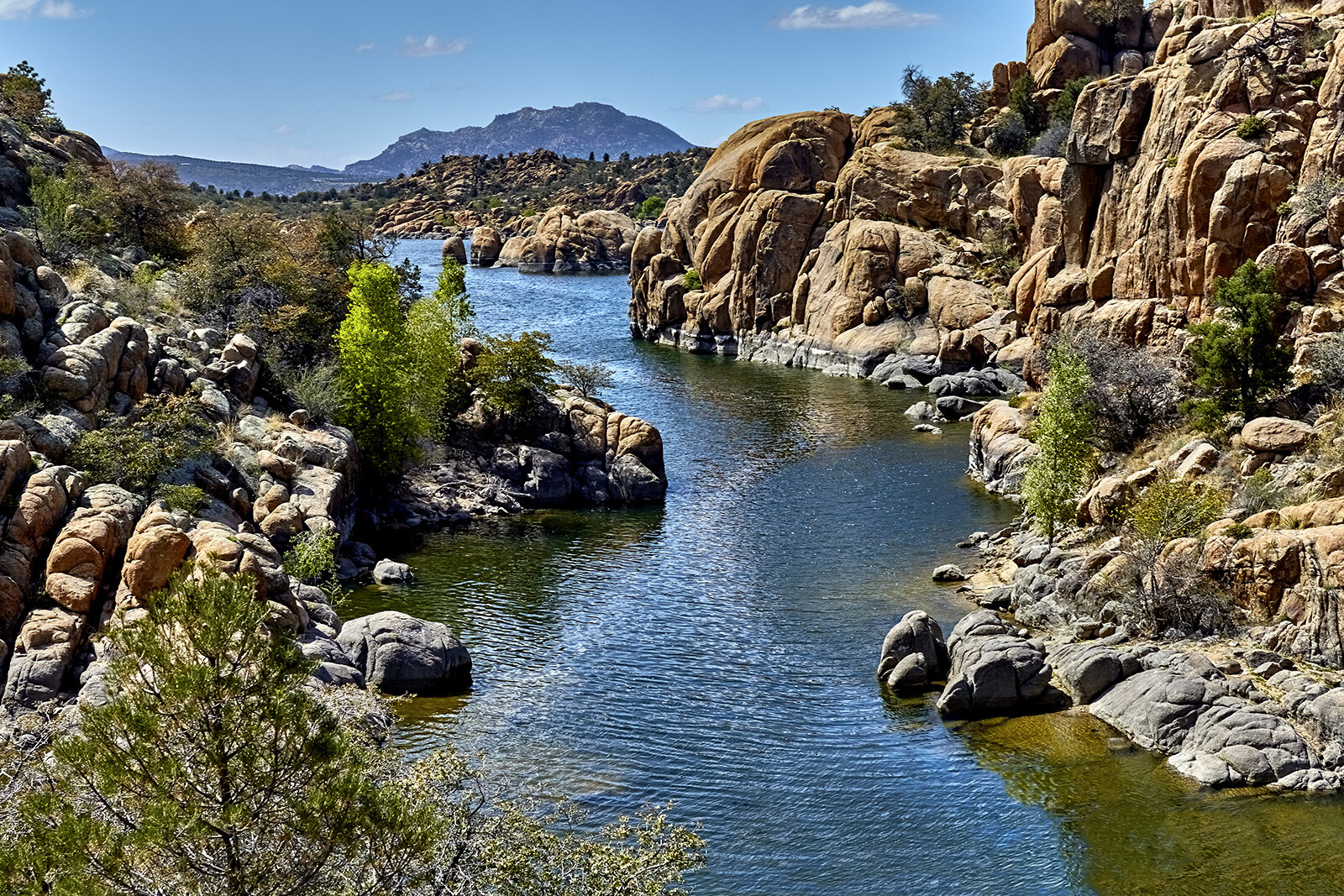
- Water Sources: The elevation also influences water systems, with higher elevations often being the source of rivers and streams that flow into lower regions. The presence of lakes like Watson Lake and Lynx Lake within or near Prescott, fed by higher rainfall and snowmelt, are testament to this.
Experiencing Prescott Through Its Elevation
Prescott’s elevation is not just a geographical fact; it’s an integral part of its identity and the visitor experience. It dictates the types of activities available and enhances the appeal of its natural and historic attractions.
Outdoor Adventures Shaped by Altitude
The cooler temperatures and the surrounding pine forests make Prescott an ideal destination for outdoor recreation, even during months when other parts of Arizona might be too hot.
- Hiking and Biking: Miles of trails wind through the Prescott National Forest, offering varying degrees of difficulty and scenic vistas. The elevation can make some hikes more challenging, so it’s wise to be prepared. Popular trails include those around Thumb Butte and the Peavine Trail.
- Water Activities: Lakes like Watson Lake and Lynx Lake provide opportunities for kayaking, paddleboarding, fishing, and picnicking. The cooler water temperatures compared to desert lakes make these activities more comfortable.
- Rock Climbing: The unique granite formations found in areas like the Granite Dells offer exciting opportunities for rock climbing and bouldering, a popular pursuit among locals and visitors.
Exploring Historic Downtown and Its Charm

Prescott’s elevation also contributes to the preservation and atmosphere of its historic downtown area. The cooler climate is more conducive to preserving historic wooden buildings, many of which line Whiskey Row, the city’s famous historic street.
- Architecture: The Victorian and turn-of-the-century architecture, including the iconic Courthouse Plaza, benefits from the less extreme weather conditions. This allows visitors to comfortably stroll and admire the historical buildings year-round.
- Outdoor Dining and Events: The pleasant climate facilitated by the altitude means that outdoor dining is a popular option, and the city frequently hosts outdoor festivals and events on the Courthouse Plaza, such as the World’s Oldest Rodeo and the Christmas City celebrations.
Factors Influencing Local Elevation Variations
While the average elevation of Prescott, Arizona is around 5,367 feet, it’s important to note that this is an average. The actual elevation can vary slightly depending on the specific location within the city and its surrounding areas.
Topographical Differences
The terrain around Prescott is not uniformly flat. Like many mountain-adjacent cities, it has rolling hills and variations in topography.
- Higher Neighborhoods: Some residential areas and neighborhoods are situated on higher ground, offering expansive views but also potentially experiencing slightly cooler temperatures and more wind.
- Lower Valleys: Conversely, some areas might lie in slightly lower-lying valleys, though these differences are generally marginal within the immediate city limits.
- Surrounding Mountains: The peaks of nearby mountains, such as Mount Union and Mingus Mountain, are significantly higher, reaching well over 7,000 feet, and thus experience more substantial snowfall and colder temperatures.
Influence on Local Amenities and Services
The elevation can subtly influence certain local services and infrastructure.
- Water Pressure: In some areas at higher elevations, water pressure might be managed differently than in lower-lying areas to ensure adequate supply.
- Construction: Building and infrastructure projects in more elevated or rugged terrain can present unique challenges and considerations.
Travel Tips for High-Elevation Destinations
For travelers visiting Prescott, Arizona, understanding its elevation is key to a comfortable and enjoyable experience.
Acclimatization and Health
- Hydration: Drink plenty of water. The drier air at higher altitudes can lead to dehydration more quickly.
- Pacing: Take it easy for the first day or two. Avoid strenuous activities immediately upon arrival, especially if you are not accustomed to high altitudes.
- Alcohol and Caffeine: Limit alcohol and caffeine intake, as they can contribute to dehydration and exacerbate altitude-related symptoms.
- Sun Protection: The sun’s rays are stronger at higher elevations. Always wear sunscreen, a hat, and sunglasses, even on cloudy days.
Packing Essentials
- Layered Clothing: Even in summer, temperatures can fluctuate significantly between day and night. Packing layers is essential. Include a light jacket or sweater for evenings.
- Comfortable Footwear: Essential for exploring the historic downtown and the numerous hiking trails.
- Rain Gear: While summers are generally dry, afternoon thunderstorms can occur. A light rain jacket is advisable.

Understanding Travel to Prescott
Whether you are driving from lower elevations or flying into a nearby airport such as Phoenix Sky Harbor International Airport, the drive to Prescott involves a noticeable increase in altitude. This scenic drive itself is part of the experience, offering increasingly dramatic views as you ascend into the Prescott region. The journey underscores the geographical distinction that makes Prescott a unique and sought-after destination within Arizona.
LifeOutOfTheBox is a participant in the Amazon Services LLC Associates Program, an affiliate advertising program designed to provide a means for sites to earn advertising fees by advertising and linking to Amazon.com. Amazon, the Amazon logo, AmazonSupply, and the AmazonSupply logo are trademarks of Amazon.com, Inc. or its affiliates. As an Amazon Associate we earn affiliate commissions from qualifying purchases.