
Understanding the income tax structure of a state is crucial for any traveler planning an extended stay, a business trip, or even considering a relocation to the Grand Canyon State. Arizona, like many other states, levies an income tax on its residents and, in certain circumstances, on non-residents who earn income within the state. This tax system plays a significant role in state funding for public services, infrastructure, and education. For visitors and potential residents, comprehending these rates can influence budgeting for trips to popular destinations like Sedona or Scottsdale, or assist in financial planning for a new chapter in cities like Phoenix or Tucson.
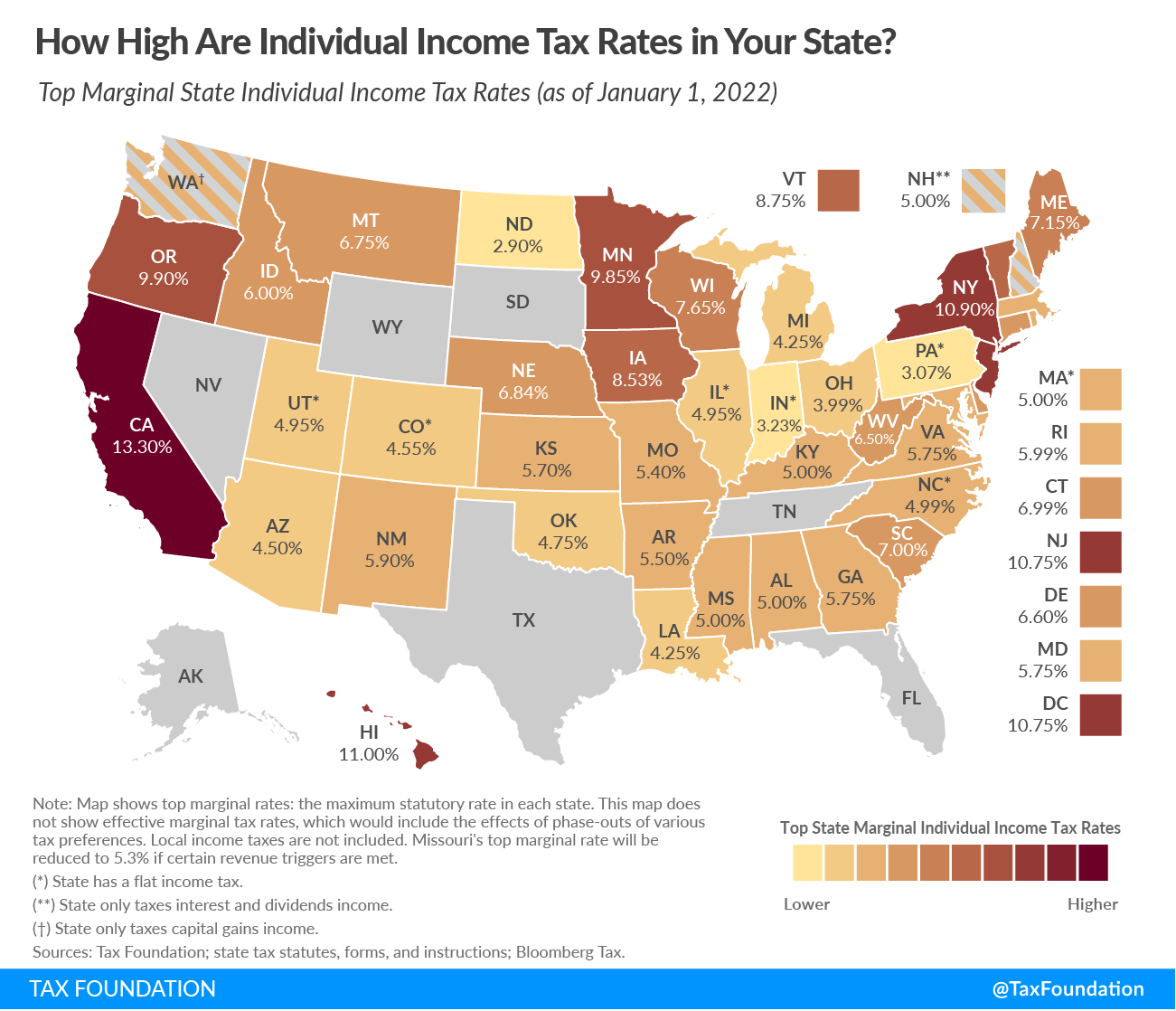
The intricacies of Arizona’s income tax have seen adjustments over time, reflecting economic conditions and legislative priorities. This article aims to demystify these rates, providing a clear overview for individuals who find themselves navigating the financial landscape of Arizona, whether for leisure or more permanent reasons.
Arizona’s Income Tax System: A Progressive Approach
Arizona operates under a progressive income tax system. This means that the tax rate increases as income rises. This structure is designed to ensure that those with higher incomes contribute a larger proportion of their earnings in taxes compared to those with lower incomes. The state has moved towards a simpler, flat tax system in recent years, a significant shift from its previous multi-tiered progressive structure.
The Transition to a Flat Tax
Historically, Arizona featured a graduated income tax with several brackets. However, significant legislative changes, particularly the passage of House Bill 2833 in 2021, ushered in a new era. This bill initiated a phased transition to a single, flat income tax rate. The implementation of this flat tax is a multi-year process, designed to gradually reduce the top marginal rates and eventually converge to a single rate for all income levels.
Current Tax Rates and Schedules
As of the most recent legislative updates, Arizona has moved closer to its ultimate flat tax goal. The state’s income tax rates are structured as follows:
- Taxable Income: This refers to your Adjusted Gross Income (AGI) minus any allowable deductions and exemptions. The specific calculation of taxable income is a critical first step in determining your tax liability. For many individuals, standard deductions or itemized deductions are applied. Understanding these can significantly impact your final tax bill.
- Tax Year 2023: For the 2023 tax year, Arizona moved to a single income tax rate of 2.5%. This was a major step towards the envisioned flat tax. This rate applies to all taxable income, regardless of how much an individual earns.
- Future Projections: The legislation that introduced the flat tax includes provisions for further rate reductions contingent on revenue growth. The aim is to continuously lower the flat tax rate as state revenues increase, with potential to reach even lower single-digit percentages. This forward-looking approach suggests a potentially more favorable tax environment in the future.
The simplicity of a flat tax system is often lauded for its ease of understanding and administration. It eliminates the complexity of navigating multiple tax brackets and marginal rates, making tax preparation more straightforward for residents and businesses alike.
Understanding Deductions and Exemptions
While the rate itself is a single figure, your actual tax liability depends on your taxable income. Arizona offers various deductions and exemptions that can reduce your taxable income.
- Standard Deduction: Most taxpayers can claim a standard deduction, which is a fixed dollar amount that reduces the amount of income subject to tax. The amount of the standard deduction is adjusted annually for inflation.
- Itemized Deductions: Alternatively, taxpayers can choose to itemize their deductions if the total of their itemized expenses exceeds the standard deduction. Common itemized deductions include state and local taxes (with limitations), mortgage interest, charitable contributions, and medical expenses (above a certain threshold).
- Personal Exemption: Arizona also allows for personal exemptions for the taxpayer, their spouse, and dependents. These exemptions provide a further reduction in taxable income. The amount of the exemption is also adjusted annually.
For travelers, particularly those considering a temporary stay or vacation rental in areas like Flagstaff or the Arizona Desert, understanding these deductions might seem less immediately relevant than understanding sales tax. However, if such a stay extends into a period of earning income within the state, or if one is considering purchasing property for extended visits, these tax principles become pertinent.
Non-Resident and Business Taxation

The income tax rates discussed primarily apply to individuals who are considered Arizona residents for tax purposes. However, non-residents who earn income within Arizona are also subject to the state’s income tax laws.
Income Earned in Arizona by Non-Residents
If you are a resident of another state but earn income from sources within Arizona, you will likely owe Arizona income tax on that specific income. This can include wages earned by working physically within the state, even if your primary residence is elsewhere. For instance, a musician performing in Tucson or an independent contractor providing services in Tempe may be subject to Arizona income tax on their earnings from these activities.
The calculation for non-residents typically involves determining the portion of their total income that is attributable to Arizona sources. This “apportionment” process ensures that only income generated within the state is taxed. Non-residents may be able to claim credits for income taxes paid to their home state to avoid double taxation, depending on reciprocal tax agreements between states.
Business Income Taxation
Businesses operating in Arizona are also subject to state income tax. Like individuals, corporations, partnerships, and limited liability companies (LLCs) pay taxes on their net income.
- Corporate Income Tax: Arizona levies a corporate income tax. The rate for corporations is also subject to adjustments and is often separate from the individual income tax rates. Historically, corporations faced different tax structures, but the move towards simplification aims to create a more streamlined business environment.
- Pass-Through Entities: For pass-through entities like partnerships and S-corporations, the income is passed through to the owners and taxed at the individual level. The owners will then pay tax based on their individual income tax rates, which, as of 2023, is the flat 2.5% rate.
- Taxable Income for Businesses: Businesses calculate taxable income by subtracting business expenses, depreciation, and other allowable deductions from their gross revenue. The state has specific rules and regulations regarding what constitutes a deductible business expense.
For businesses considering establishing a presence in Arizona, or for individuals running businesses that serve clients across state lines, understanding Arizona’s business tax environment, including its income tax and other potential levies like sales tax, is a critical component of strategic planning.
Impact on Travelers and Short-Term Visitors
For most short-term visitors to Arizona, the state’s income tax rates will have minimal direct impact on their travel expenses. The primary taxes they will encounter are sales taxes, which are levied on goods and services purchased throughout the state. However, for individuals who engage in activities that generate income while in Arizona, a brief overview of income tax implications is beneficial.
Temporary Work and Income Generation
If your trip involves any form of employment or business activity that generates income within Arizona, it is essential to be aware of your tax obligations. This could include:
- Freelancers and Gig Workers: If you are a freelancer or gig worker providing services in Arizona, your earnings from those services may be taxable by the state.
- Remote Work: Increasingly, individuals work remotely for companies based in different states. If you spend a significant amount of time working remotely from an Arizona location, you might establish tax residency or become subject to Arizona income tax on the income earned during your stay. The specific rules can be complex and often depend on the number of days spent in the state and the nature of the work.
- Investment Income: While investment income like dividends and capital gains is generally taxed based on your state of residency, there can be exceptions for income derived from Arizona sources.
For travelers planning extended stays, perhaps in a vacation rental in Lake Havasu City or for a longer exploration of national parks like Petrified Forest National Park, understanding the duration thresholds for tax residency is advisable. Many states have “safe harbor” rules for non-residents who are temporarily present for vacation or business.

Planning and Budgeting
While not a direct travel expense like airfare or hotel stays at a resort like The Phoenician, understanding state income tax can be part of a broader financial consideration for those contemplating longer-term stays, seasonal living, or even a potential move to Arizona. Knowing the tax climate can influence decisions about where to invest, where to establish a business, and how to structure personal finances. For those who might choose to live part-time in popular retirement destinations or second-home communities, being informed about the tax implications is a prudent step in their lifestyle planning. The move towards a simpler, lower flat tax rate in Arizona is a factor that may appeal to individuals and businesses alike, contributing to the state’s attractiveness as a place to live, work, and visit.
LifeOutOfTheBox is a participant in the Amazon Services LLC Associates Program, an affiliate advertising program designed to provide a means for sites to earn advertising fees by advertising and linking to Amazon.com. Amazon, the Amazon logo, AmazonSupply, and the AmazonSupply logo are trademarks of Amazon.com, Inc. or its affiliates. As an Amazon Associate we earn affiliate commissions from qualifying purchases.