
Arizona, a state renowned for its breathtaking desert landscapes and vibrant outdoor culture, is also susceptible to a variety of natural phenomena. Understanding these potential hazards is crucial for anyone planning a visit or considering a longer stay. While the “Grand Canyon State” is largely known for its sunshine, it’s important to be prepared for the elements that shape its unique terrain. From scorching heat to unexpected storms, being informed enhances the safety and enjoyment of experiencing all that Arizona has to offer. This guide delves into the natural disasters that can occur in Arizona, focusing on aspects relevant to travelers and tourists exploring its diverse attractions.

Extreme Heat and Drought
Arizona’s most pervasive natural challenge is its extreme heat. The state experiences prolonged periods of very high temperatures, particularly during the summer months. This is not merely uncomfortable; it constitutes a significant public health risk and can impact travel plans and outdoor activities.
Understanding Heat Waves
The “Valley of the Sun,” referring to the Phoenix metropolitan area, frequently experiences temperatures exceeding 100 degrees Fahrenheit (38 degrees Celsius) for weeks on end. Even higher temperatures are common in the lower desert regions. These heat waves can lead to serious health issues like heat exhaustion and heatstroke, especially for those unaccustomed to such conditions or engaging in strenuous activities.
Drought Conditions and Water Scarcity
Arizona is an arid state, and drought is a recurring natural condition. Extended periods with little to no rainfall can exacerbate existing water scarcity issues, impacting reservoirs and the availability of water resources. While tourists may not directly experience water rationing, understanding the state’s relationship with water is key to appreciating its delicate ecosystem.
Impact on Travel and Activities
- Hiking and Outdoor Recreation: During periods of extreme heat, many popular hiking trails, such as those in Sedona or Saguaro National Park, can become dangerous. Visitors are strongly advised to hike only in the early morning or late evening, carry ample water, and be aware of their physical limitations. Park services may even close certain trails or facilities during peak heat.
- Driving: Overheating of vehicles is a risk. Ensuring your car is in good condition, with proper coolant levels and functioning air conditioning, is essential. Driving on remote desert roads during intense heat also requires extra preparation for potential breakdowns.
- Wildlife: Animals also struggle with the heat. While sightings are a draw for many, it’s important to maintain a safe distance and avoid disturbing wildlife seeking refuge from the sun.
Preparedness Tips
- Hydration: Drink more water than you think you need, even if you don’t feel thirsty. Electrolyte-rich drinks can also be beneficial.
- Timing: Schedule outdoor activities for the cooler parts of the day.
- Clothing: Wear lightweight, light-colored, and loose-fitting clothing. A wide-brimmed hat and sunglasses are essential.
- Awareness: Recognize the signs of heat-related illnesses in yourself and others. Seek air-conditioned environments to cool down.
Wildfires
Arizona’s dry climate, especially following periods of drought, makes it prone to wildfires. These fires can ignite quickly and spread rapidly, posing a threat to communities and natural areas alike. The pine forests of the northern parts of the state, like those near Flagstaff, are particularly susceptible.
Causes and Spread
Wildfires can be caused by lightning strikes, which are common during monsoon season, or by human activity, such as unattended campfires or discarded cigarettes. Dry vegetation acts as fuel, and strong winds, often associated with weather fronts, can fan the flames, leading to rapid and unpredictable fire behavior.
Impact on Tourist Destinations
- Air Quality: Wildfire smoke can travel significant distances, impacting air quality in cities and towns far from the actual fire. This can lead to respiratory problems and curtail outdoor activities. Travelers should monitor air quality reports.
- Road Closures and Evacuations: Active wildfires often necessitate road closures, impacting travel routes and access to popular attractions. In severe cases, evacuations may be ordered for communities or campgrounds.
- Scenery and Ecosystems: While fires are a natural part of some ecosystems, large or intense wildfires can significantly alter the landscape, affecting the visual appeal of natural areas for visitors. The Superstition Mountains and other wilderness areas can be impacted.
Safety and Preparedness
- Stay Informed: Before and during your trip, check local news and fire information websites (e.g., InciWeb) for any active fires or warnings.
- Follow Restrictions: Adhere to any fire restrictions or bans on campfires or outdoor burning.
- Emergency Preparedness: If traveling through areas prone to wildfires, have a plan in case of evacuation orders, including knowing multiple routes out of the area.
Monsoon Storms
The summer months in Arizona, typically from July through September, bring the phenomenon known as the monsoon. This season is characterized by an increase in humidity and the potential for intense thunderstorms. While a welcome respite from the heat, these storms can bring their own set of dangers.
Thunderstorms and Flash Floods
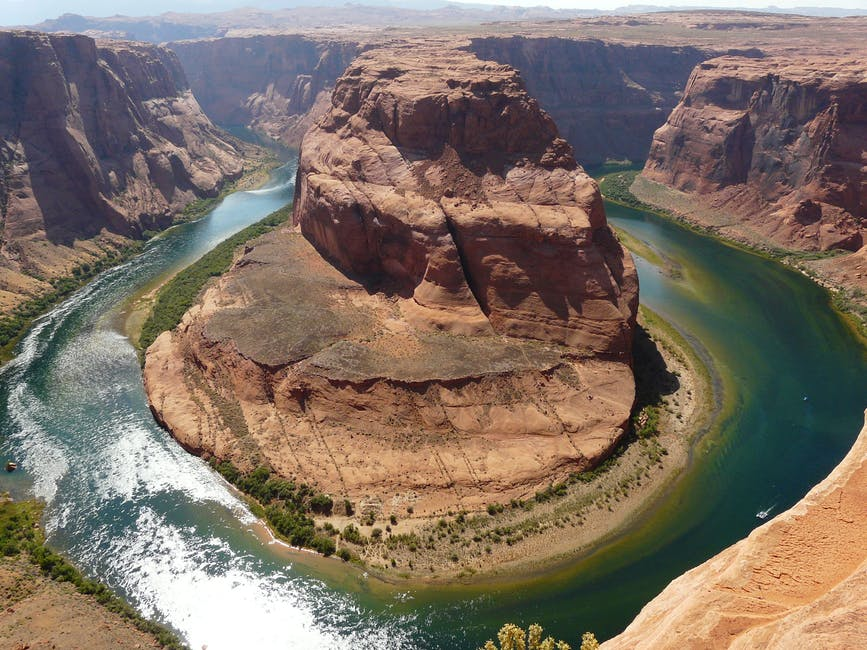
Monsoon storms can produce torrential downpours, lightning, and strong winds. The most significant hazard associated with these storms is flash flooding. Because much of Arizona’s landscape is arid and unaccustomed to heavy rainfall, the ground quickly becomes saturated, leading to rapid runoff into canyons, washes, and dry riverbeds.
Flash Flood Dangers
- Dry Washes: Seemingly dry washes can become raging torrents in a matter of minutes. Never drive or walk through a wash that is flowing or shows signs of recent water movement. A common safety slogan is “Turn Around, Don’t Drown.”
- Canyons: Slot canyons, such as those found in places like Antelope Canyon (though tours are highly regulated and often canceled in advance of storms), are particularly dangerous. Flash floods can surge through them with devastating force.
- Urban Flooding: Even in cities like Tucson, heavy rainfall can overwhelm storm drains, leading to flooded streets and underpasses.
Lightning
Arizona experiences a high number of lightning strikes during the monsoon season. These strikes pose a direct threat to individuals engaged in outdoor activities. Open spaces, high points, and solitary trees are particularly dangerous locations during a lightning storm.
Dust Storms (Haboobs)
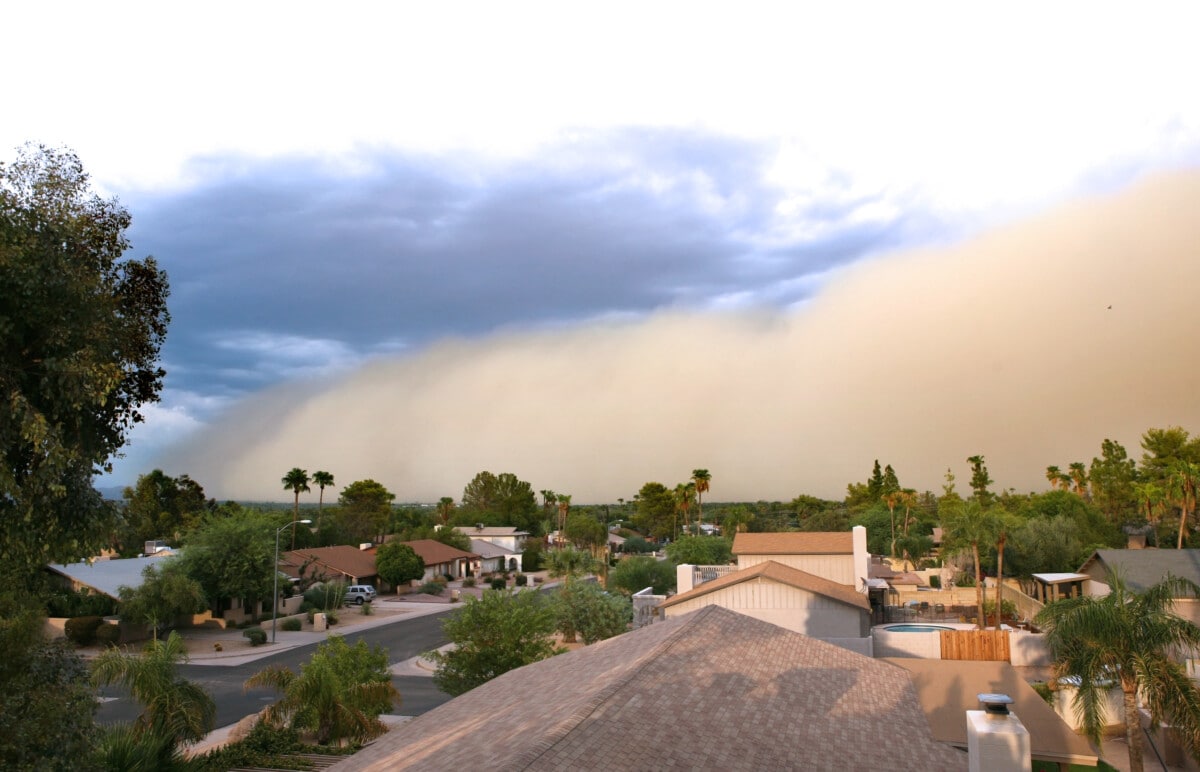
Monsoon thunderstorms can also generate massive dust storms, known as haboobs. These towering walls of dust and debris can reduce visibility to near zero in a matter of seconds, creating hazardous driving conditions and posing respiratory risks. They are a dramatic and sometimes intimidating aspect of the Arizona monsoon.
Travel and Activity Considerations
- Monitor Weather Forecasts: Always check the weather forecast before heading out for outdoor adventures, especially during the monsoon season.
- Seek Shelter: If a thunderstorm approaches, seek sturdy shelter immediately. Avoid open fields, high ground, and isolated tall objects.
- Respect Road Warnings: Heed any road closures or warnings related to flash flooding or dust storms.
- Tour Operator Policies: If you are on a guided tour, be aware of the operator’s policy regarding severe weather and their commitment to your safety. Reputable operators will cancel or reschedule tours when conditions are unsafe.
Winter Weather and Snow
While Arizona is predominantly known for its deserts, its higher elevations experience significant snowfall during the winter months. This includes popular tourist destinations like the mountains surrounding Flagstaff, the San Francisco Peaks, and areas like Pinetop-Lakeside.
Snowfall and Blizzards
The higher elevations can receive substantial snowfall, leading to travel disruptions. Major highways, such as I-40 and I-17, can become impassable due to snow and ice. Blizzards, characterized by heavy snow and strong winds, can cause whiteout conditions.
Impact on Travel
- Road Conditions: Drivers unfamiliar with winter driving can face treacherous conditions. It is essential to check road conditions before traveling and to have a vehicle equipped for snow and ice, including proper tires.
- Ski Resorts and Winter Activities: Areas like Arizona Snowbowl offer winter sports, but the accompanying weather can sometimes lead to closures or limited access.
- Power Outages: Heavy snow and wind can cause power outages in more remote or mountainous regions.
Preparedness for Winter Travel
- Vehicle Readiness: Ensure your vehicle has a full tank of gas, a winter emergency kit (blankets, food, water, flashlight, first-aid kit, shovel), and that the battery is in good condition.
- Check Road Reports: Consult the Arizona Department of Transportation (ADOT) website or app for real-time road conditions and closures.
- Flexibility: Be prepared to adjust your travel plans if weather conditions become severe.
Other Potential Hazards
While less frequent or widespread, Arizona can also experience other natural events.
Earthquakes
Arizona is not located on a major tectonic plate boundary, but it does experience seismic activity. While major earthquakes are rare, minor tremors can occur, particularly in the northern and western parts of the state. These are usually not significant enough to cause widespread damage but are a reminder of the Earth’s dynamic nature.
Landslides and Mudslides
In areas with steep slopes, particularly after heavy rainfall (like during monsoon season) or wildfires that remove vegetation, the risk of landslides or mudslides can increase. These are more common in mountainous or canyon regions and can impact local roads and infrastructure.
By understanding the natural phenomena that can occur in Arizona, visitors and residents can better prepare for their travels and enjoy the state’s incredible beauty and adventures with an added layer of safety and awareness.
LifeOutOfTheBox is a participant in the Amazon Services LLC Associates Program, an affiliate advertising program designed to provide a means for sites to earn advertising fees by advertising and linking to Amazon.com. Amazon, the Amazon logo, AmazonSupply, and the AmazonSupply logo are trademarks of Amazon.com, Inc. or its affiliates. As an Amazon Associate we earn affiliate commissions from qualifying purchases.