
The ubiquitous presence of Arizona Iced Tea, with its distinctive cans and a vast array of flavors, often leads to a simple yet intriguing question for consumers and travelers alike: where is this popular beverage actually produced? While the brand evokes a sense of Southwestern flair, its manufacturing and distribution network extends far beyond the desert landscapes of its namesake. Understanding the origins of Arizona Iced Tea involves delving into its operational strategy, which prioritizes accessibility and efficiency, rather than a singular, iconic production site. This approach has allowed Arizona Iced Tea to become a staple in convenience stores, supermarkets, and vending machines across the globe, contributing to its remarkable market penetration.

The Manufacturing Footprint of Arizona Iced Tea
Arizona Iced Tea is not manufactured in a single, centralized facility. Instead, the company, aptly named Arizona Beverages USA, employs a decentralized production model. This strategy allows for greater flexibility in meeting regional demand and minimizing transportation costs, a critical factor for a beverage brand that aims for widespread affordability. The company operates and partners with numerous co-packing facilities across the United States and in select international markets. These co-packers are specialized companies that manufacture products for other brands under contract. This arrangement enables Arizona Beverages USA to leverage existing infrastructure and expertise, ensuring consistent quality and efficient production without the immense capital investment of building and maintaining an extensive network of proprietary factories.
Co-Packing: A Strategic Imperative
The decision to rely heavily on co-packing is a cornerstone of Arizona Beverages USA’s business model. It allows them to focus on their core competencies: brand development, marketing, and flavor innovation. By outsourcing the physical manufacturing process, they can scale production up or down rapidly in response to market fluctuations or promotional campaigns. This agility is particularly important in the highly competitive beverage industry.
Co-packing partners are carefully selected based on their adherence to strict quality control standards, manufacturing capabilities, and geographic location. These facilities must meet rigorous food safety regulations and maintain the high quality that consumers have come to expect from the Arizona brand. The partnership model ensures that the iconic branding and flavor profiles are consistently replicated, regardless of which facility produces the batch.
Geographical Distribution of Production
While the brand name suggests a direct link to Arizona, the actual production sites are strategically dispersed to serve major consumer markets efficiently. This means that a can of Arizona Iced Tea purchased in California might have been produced in a facility on the West Coast, while one bought in New York could originate from a plant closer to the East Coast. This geographically distributed manufacturing approach is key to maintaining the brand’s reputation for being readily available and affordable.
Beyond the United States, Arizona Beverages USA has also established co-packing agreements in other countries. This global reach allows them to cater to international markets with similar efficiency, adapting to local regulations and consumer preferences while maintaining the core Arizona Iced Tea experience. For instance, in markets like Canada or parts of Europe, local co-packers might be responsible for the production, ensuring that shipping distances are minimized and import duties are managed effectively.
Behind the Flavors: Research and Development
The iconic status of Arizona Iced Tea is not solely due to its distribution but also to its extensive and innovative flavor portfolio. While production facilities are distributed, the heart of their flavor innovation and product development often originates from their corporate headquarters. However, even in R&D, the emphasis remains on practicality and scalability, ensuring that new flavors can be efficiently produced at their co-packing facilities.
Flavor Innovation and Consumer Palates
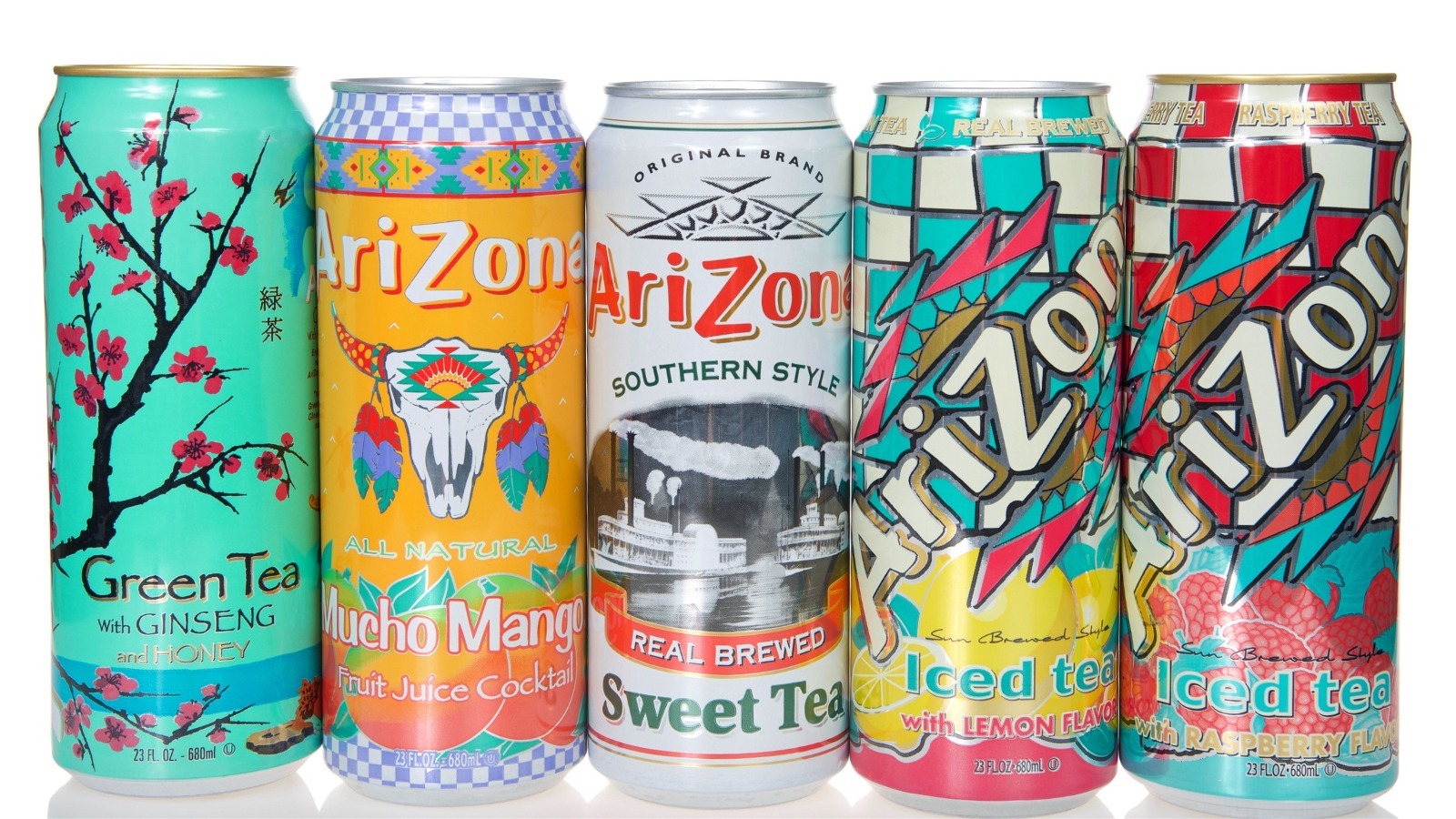
Arizona Beverages USA is known for its continuous introduction of new and exciting flavors, from classic Lemon Tea and Mucho Mango to more exotic blends like Green Tea with Ginseng and Honey. This creative drive is often fueled by market research and a keen understanding of evolving consumer tastes. The company aims to offer a diverse range of options to appeal to a broad demographic, making it more than just a single beverage but a brand that offers a flavorful experience for every occasion.
The development process for a new flavor involves rigorous testing, ingredient sourcing, and formulation adjustments. Once a flavor is perfected in the lab, it is then translated for large-scale production. This transition requires close collaboration between the R&D team and the co-packing partners to ensure that the flavor profile remains consistent and the quality is uncompromised. The ability of the co-packers to accurately replicate these formulations is a testament to the robust processes in place.
Quality Control and Standardization
Maintaining consistent quality across all production sites is paramount. Arizona Beverages USA implements stringent quality control measures that are applied to every co-packing facility. This includes regular audits, raw material testing, and finished product analysis. The goal is to ensure that every can of Arizona Iced Tea, regardless of where it was made, meets the brand’s high standards for taste, appearance, and safety. This commitment to quality assurance is fundamental to building and maintaining consumer trust.
The standardization extends to packaging as well. The distinctive cans, with their vibrant artwork and generous 23.5-ounce size, are a recognizable symbol. The co-packing partners are equipped to handle this specific packaging, ensuring that the aesthetic appeal that has become synonymous with the brand is preserved.
The Arizona Iced Tea Experience: Accessibility and Affordability
The operational strategy of Arizona Iced Tea, particularly its decentralized manufacturing and reliance on co-packing, directly contributes to its most significant consumer benefit: affordability. The brand has long been positioned as a value-driven option, offering a premium-sized beverage at a remarkably low price point, often around $0.99. This pricing strategy is a direct result of the efficiencies gained through its production model.
Cost-Effective Distribution Networks
By having production facilities located closer to major consumption hubs, Arizona Beverages USA significantly reduces shipping costs. These savings are then passed on to the consumer, enabling the brand to maintain its attractive price point. The extensive network of co-packers means that the journey from factory to shelf is often shorter and more streamlined compared to brands with fewer, more centralized production sites. This logistical advantage is a key differentiator in the competitive beverage market.
Impact on Retail and Consumer Access
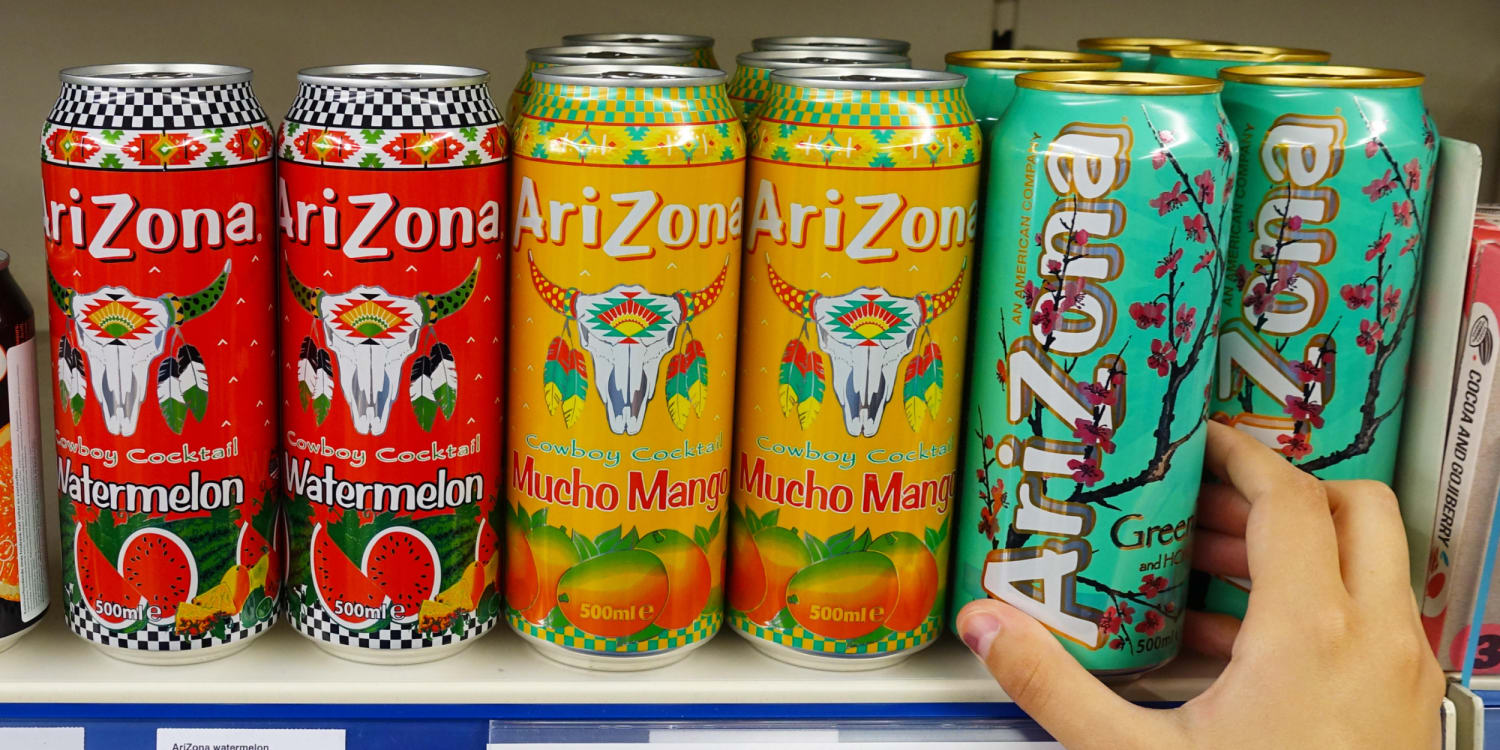
The widespread availability and affordability of Arizona Iced Tea have made it a popular choice for impulse purchases and everyday refreshment. Consumers can find it in a vast array of retail environments, from large grocery chains like Walmart and Target to small corner stores and gas stations. This accessibility is a direct consequence of the company’s strategic approach to manufacturing and distribution, which prioritizes reaching as many consumers as possible with a product that is both high-quality and budget-friendly. The brand has successfully cultivated an image of being a go-to beverage that is always within reach, contributing to its enduring popularity and iconic status in the beverage landscape.
LifeOutOfTheBox is a participant in the Amazon Services LLC Associates Program, an affiliate advertising program designed to provide a means for sites to earn advertising fees by advertising and linking to Amazon.com. Amazon, the Amazon logo, AmazonSupply, and the AmazonSupply logo are trademarks of Amazon.com, Inc. or its affiliates. As an Amazon Associate we earn affiliate commissions from qualifying purchases.