
For many travelers, a journey to Hawaii represents the pinnacle of tropical exploration. From the volcanic peaks of the Big Island to the lush cliffs of Kauai, the archipelago offers a diverse range of landscapes that are best explored behind the wheel of a car. However, as any seasoned budget traveler knows, the cost of paradise extends beyond airfare and accommodation. One of the most significant logistical considerations for anyone planning a road trip through the United States‘ 50th state is the price of fuel. Understanding how much gas costs in Hawaii is not just a matter of curiosity; it is a fundamental aspect of lifestyle-centric travel planning that can dictate the scope of your adventures.
Navigating the Cost of Fuel in the Aloha State
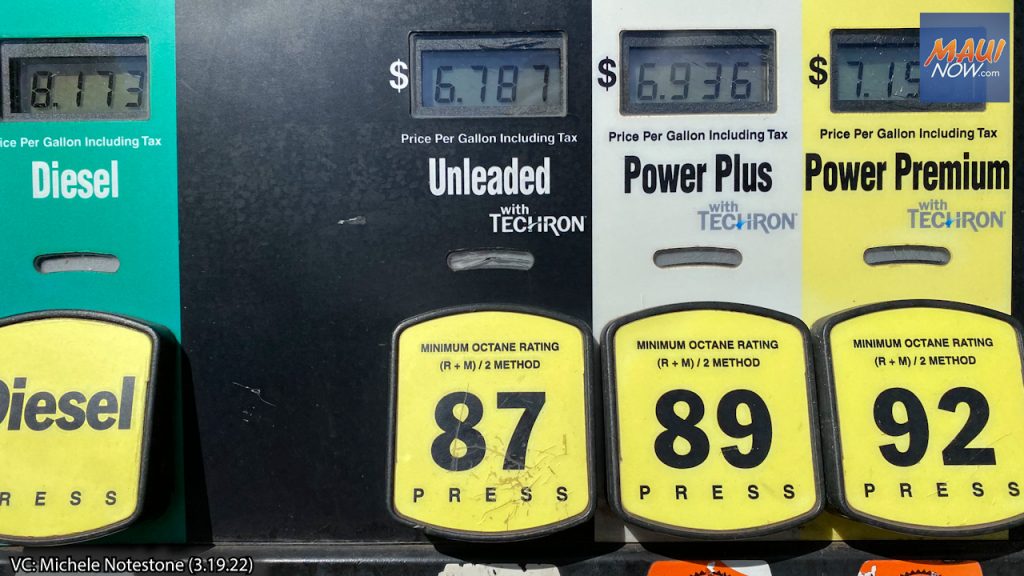
When you first arrive at Honolulu International Airport, the excitement of the tropical breeze is often met with the practical reality of rental car logistics. Hawaii consistently ranks among the most expensive states for gasoline in the country, often competing with California and Alaska for the top spot. But why exactly is the fuel so expensive in a place where the weather is perpetually warm?
The Logistics of Island Energy
The primary driver of high gas prices in the islands is geography. Being the most isolated island chain in the world, Hawaii must import the vast majority of its energy needs. While Oahu does house the Par Hawaii refinery, which processes crude oil into various fuels, the raw material must be shipped across vast distances of the Pacific Ocean. Once refined, the gasoline must then be transported via barge to the “Neighbor Islands,” which adds a layer of logistical complexity and cost that mainland states do not face.
Impact of the Jones Act on Fuel Prices
A significant factor that often goes overlooked by the average tourist is the Merchant Marine Act of 1920, commonly known as the Jones Act. This federal law requires that all goods transported between United States ports be carried on ships that are built, owned, and operated by United States citizens. For Hawaii, this limits the pool of available shipping vessels and significantly increases the cost of transporting everything from groceries to gasoline. These elevated shipping rates are directly passed down to the consumer at the pump.
Price Variations Across the Hawaiian Islands
Not all islands are created equal when it comes to the cost of filling your tank. Depending on which island you are visiting, you may find price discrepancies of fifty cents or more per gallon. For a family on a budget travel mission, these differences can add up quickly over a week-long stay.
Oahu: The Hub of Affordability
Oahu is generally the most affordable island for fuel. Because the refinery is located on this island in Kapolei, the cost of internal distribution is lower. Furthermore, the sheer volume of drivers in Honolulu and the surrounding suburbs creates a more competitive market. If you are staying in Waikiki, you will notice that prices are slightly higher than in the more residential areas like Aiea or Pearl City. Travelers often find the best deals near Pearl Harbor or along the North Shore where local stations compete with warehouse clubs.
Maui and Kauai: The Neighbor Island Premium
Once you leave Oahu, prices tend to climb. On Maui, fuel must be barged into Kahului and then trucked to various parts of the island. If you are staying in Lahaina or Kihei, expect to pay a premium. The most expensive gas on the island is typically found in remote areas like Hana. Kauai follows a similar trend, with prices in Lihue being more manageable than in the resort areas of Poipu or the northern reaches of Hanalei.
Hawaii Island: Balancing Distance and Demand
The Big Island presents a unique challenge due to its massive size. Prices in Hilo are often quite different from those in Kailua-Kona. Because Hilo is closer to the main shipping port for fuel on that side of the island, it occasionally offers lower prices. However, if you are driving across the Saddle Road to visit Mauna Kea, you must be mindful of your fuel levels, as there are no stations in the high-elevation interior.
Budget Strategies for the Savvy Traveler
While gas prices in Hawaii are undeniably high, there are several lifestyle choices and strategies you can employ to minimize the impact on your wallet. A proactive approach to fuel management can free up funds for more enjoyable activities, such as a sunset catamaran cruise or a traditional luau.

Leveraging Membership Clubs and Rewards
The absolute best way to save on gas in Hawaii is to utilize warehouse club memberships. Costco has several locations across the islands, including Iwilei on Oahu, Kahului on Maui, and Kailua-Kona on the Big Island. The price difference at Costco can be as much as 30 to 60 cents per gallon lower than standard stations. Similarly, Sam’s Club offers competitive pricing for its members.
If you don’t have a warehouse membership, look into grocery store rewards programs. Safeway and Foodland often have partnerships with local gas stations like Texaco or Shell. By using your rewards card when purchasing groceries, you can earn points that translate into significant discounts at the pump.
Choosing the Right Rental Vehicle
In the context of lifestyle travel, the vehicle you choose plays a pivotal role in your overall expenditure. While it might be tempting to rent a Jeep Wrangler to feel the island breeze, these vehicles are notorious for poor gas mileage. If you are staying on paved roads, consider a compact car or a hybrid.
Recently, the rise of Turo and traditional agencies like Hertz and Enterprise offering electric vehicles (EVs) has changed the game. Renting a Tesla can be a smart move, especially on Oahu where charging infrastructure is more developed. Many hotels now offer free charging for guests, potentially eliminating your fuel costs entirely.
Navigating Gas Apps and Local Pricing Trends
Before you head out on a long drive, use apps like GasBuddy to find the cheapest stations along your route. In Hawaii, gas prices don’t fluctuate as wildly throughout the day as they might in cities like Los Angeles, but there is still a “resort tax” effect where stations near major tourist hubs charge significantly more. Filling up in residential neighborhoods before heading to the beach can save you enough for an extra round of shave ice.
Fueling Your Itinerary: Calculating the Cost of Exploration
To truly understand the lifestyle impact of gas prices, one must look at the specific routes that define a Hawaiian vacation. Driving is not just a utility in Hawaii; it is the gateway to the islands’ most iconic landmarks.
The Road to Hana and Beyond
On Maui, the Hana Highway is a 64-mile stretch of winding road with 620 curves and 59 bridges. While the distance doesn’t seem long, the slow speeds and constant idling mean your car will consume more fuel than expected. Travelers often make the mistake of leaving Paia with half a tank, only to find that the only gas station in Hana charges some of the highest prices in the entire United States. Planning to fill up in Kahului is a classic budget travel move.
Exploring the Volcanoes National Park
On the Big Island, a trip from Kailua-Kona to Hawaii Volcanoes National Park is nearly a 100-mile journey one way. With gas prices hovering at a premium, this round trip can easily cost $40 or $50 in fuel alone for a standard SUV. When you factor in other drives to Waipio Valley or Akaka Falls State Park, fuel becomes a major line item in your travel budget.

Beyond the Pump: The Future of Travel in Hawaii
As Hawaii looks toward a more sustainable future, the conversation about gas prices is shifting toward a conversation about energy independence. The state has an ambitious goal to reach 100% renewable energy by 2045. For the traveler, this means the lifestyle of the future in Hawaii will likely involve fewer trips to the gas station and more time spent at charging ports.
For now, the reality remains that gas is an expensive necessity for the independent explorer. By understanding the logistics of the islands, choosing the right vehicle, and utilizing local secrets like warehouse clubs, you can navigate the high costs of fuel without sacrificing the quality of your trip. Whether you are cruising the North Shore of Oahu or watching the sunrise at Haleakala National Park, being mindful of the pump allows you to focus on what truly matters: the breathtaking beauty and the “Aloha” spirit of Hawaii.
Ultimately, the cost of gas in Hawaii is a small price to pay for the freedom to explore one of the most beautiful places on Earth. By integrating these budget-conscious habits into your travel lifestyle, you can ensure that your Hawaiian adventure is as affordable as it is unforgettable.
LifeOutOfTheBox is a participant in the Amazon Services LLC Associates Program, an affiliate advertising program designed to provide a means for sites to earn advertising fees by advertising and linking to Amazon.com. Amazon, the Amazon logo, AmazonSupply, and the AmazonSupply logo are trademarks of Amazon.com, Inc. or its affiliates. As an Amazon Associate we earn affiliate commissions from qualifying purchases.