
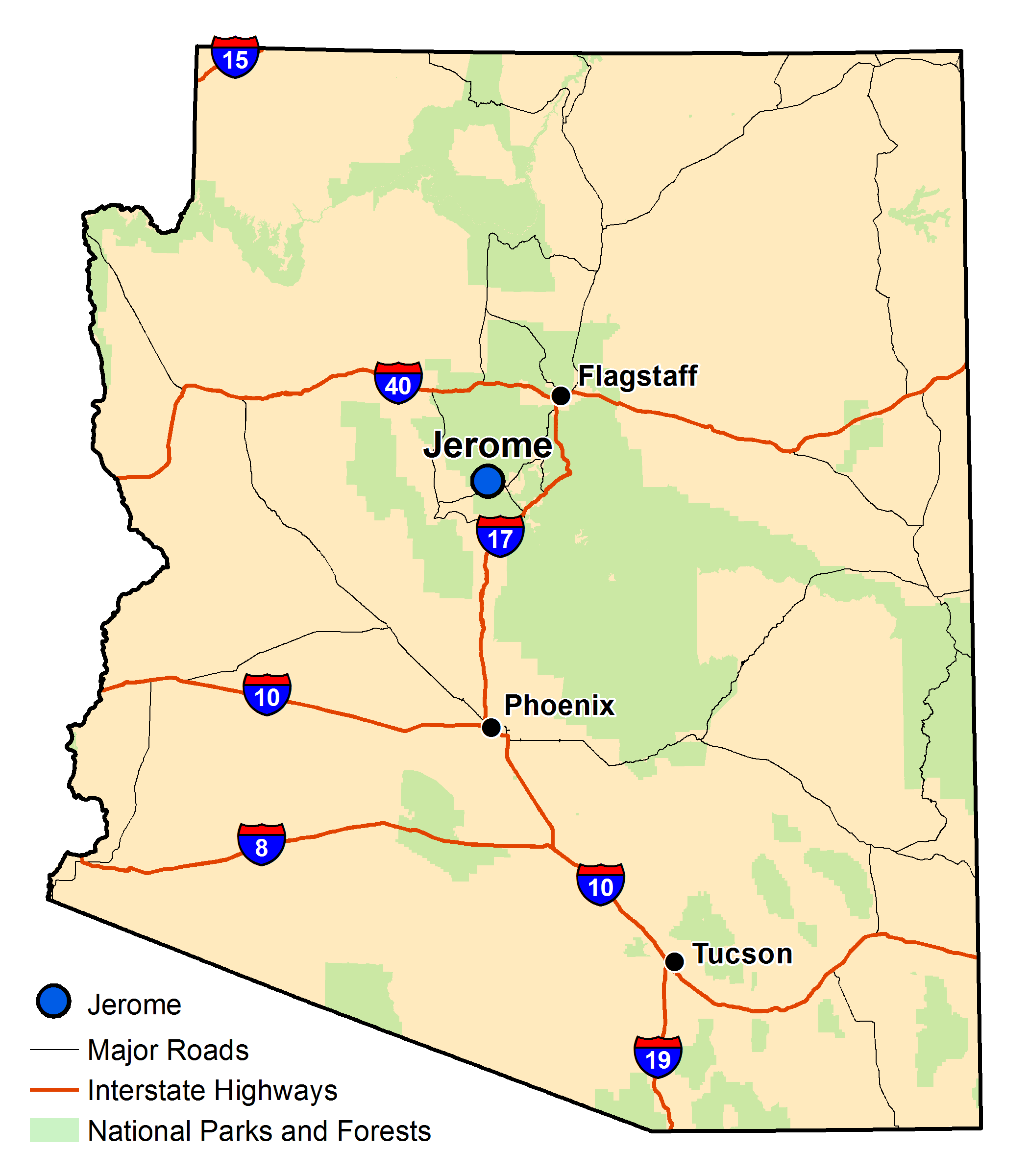
Nestled precariously on the steep slopes of the Black Hills, Jerome, Arizona, is more than just a dot on the map; it’s a vibrant ghost town that refused to fade away. Once a booming copper mining camp and the fourth-largest city in Arizona Territory, Jerome’s dramatic past is etched into its very foundations. Today, it stands as a captivating testament to resilience, a thriving artistic enclave, and a must-visit destination for those seeking a unique blend of history, quirky charm, and breathtaking scenery. Understanding where Jerome is located is the first step to unlocking its many secrets.

Geographical Placement and Historical Significance
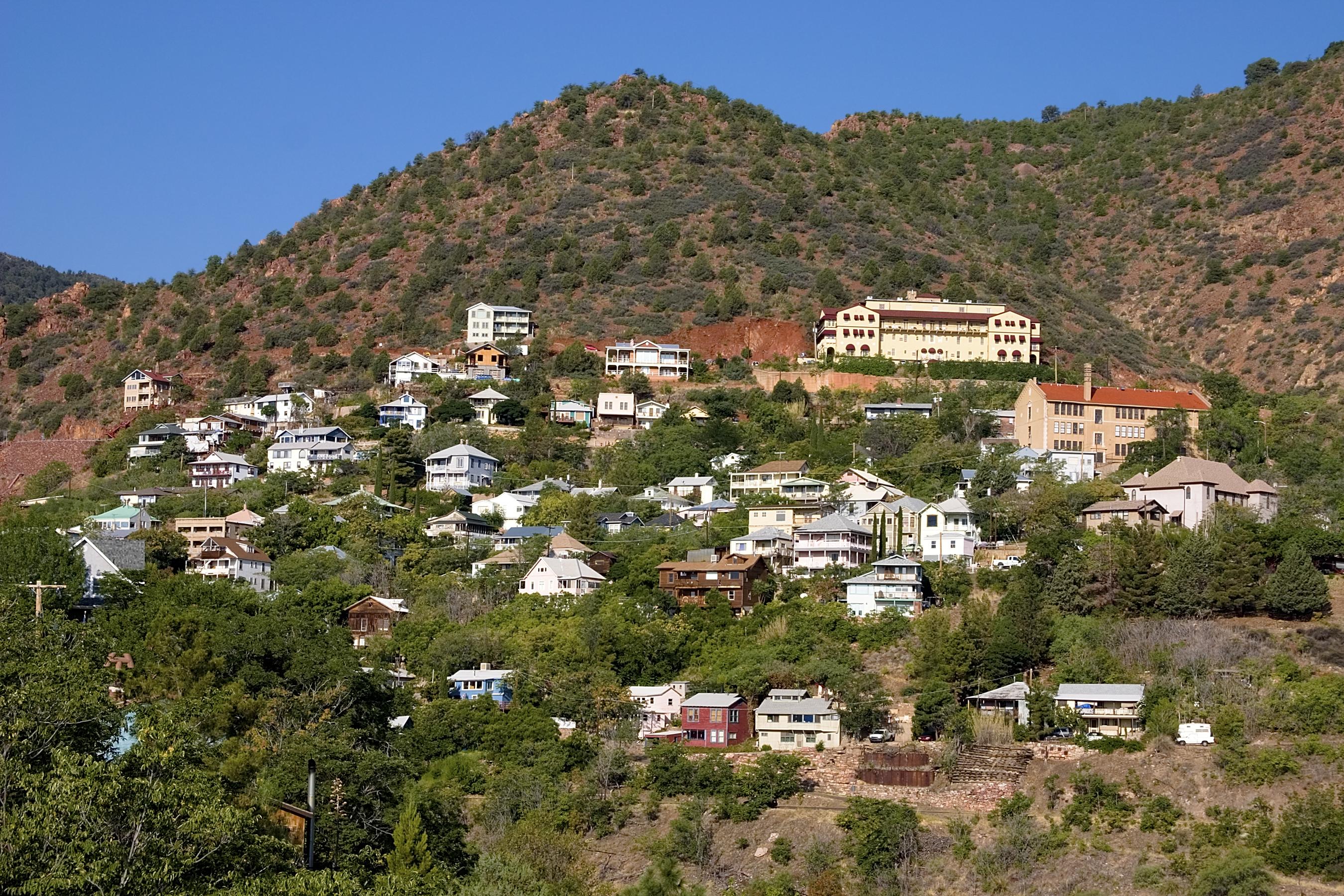
Jerome’s distinctive location is intrinsically linked to its storied past. Perched at an elevation of approximately 5,200 feet (1,585 meters), it overlooks the vast expanse of the Verde Valley and commands panoramic views that stretch across to the San Francisco Peaks. This elevated position was not merely chosen for its aesthetic appeal but was a direct consequence of the rich mineral deposits discovered in the surrounding hills. The town’s proximity to these valuable ores fueled its rapid growth during the late 19th and early 20th centuries, making it a hub of activity and a significant contributor to Arizona’s mining industry.
The Rise and Fall of a Mining Boomtown
The discovery of copper in the late 1870s by William J. S. Boggs marked the beginning of Jerome’s transformation from a quiet mining camp to a bustling metropolis. The United Verde Copper Company, founded by Senator William Andrews Clark, eventually became one of the largest copper producers in the United States. At its zenith, Jerome was home to thousands of residents, boasting a lively downtown filled with saloons, hotels, businesses, and a diverse population drawn by the promise of wealth. However, the very geology that enriched Jerome also presented challenges. The unstable ground, prone to landslides, led to the eventual demolition of many structures and forced the relocation of others. The decline of copper prices and the exhaustion of the richest ore veins in the mid-20th century led to the town’s gradual abandonment, earning it the moniker “The Million Dollar Hill” due to the reported value of the ore remaining beneath the town. Yet, this “ghost town” status proved to be a catalyst for its rebirth.
A Modern Renaissance: From Ghost Town to Artist Haven
The very factors that led to Jerome’s decline—its dramatic landscape, unique architecture, and ghost town allure—began to attract artists, writers, and free spirits in the latter half of the 20th century. Drawn to the low cost of living and the inspiring views, they discovered a community spirit that breathed new life into the aging structures. These pioneers began restoring historic buildings, transforming former saloons into art galleries, miners’ cottages into bed and breakfasts, and the old hospital into a museum. This influx of creativity revitalized Jerome, turning it into the eclectic and bohemian destination it is today. The town’s unique character, a blend of its rugged mining heritage and its contemporary artistic soul, is what draws visitors from far and wide.
Exploring Jerome: Attractions and Experiences
Understanding where Jerome is geographically is essential, but its true magic lies in what it offers visitors. The town’s compact size makes it eminently walkable, though its steep streets and stairways demand a comfortable pair of shoes. Every corner turned reveals a new vista, a hidden shop, or a piece of history.
The Art Galleries and Boutiques
Jerome’s reputation as an artist’s haven is immediately evident. Its main street, a winding thoroughfare, is lined with an impressive array of art galleries, studios, and unique boutiques. Visitors can discover a diverse range of artistic expressions, from vibrant paintings and intricate sculptures to handcrafted jewelry and artisanal ceramics. Many of these establishments are housed in historic buildings, adding another layer of charm to the shopping experience. It’s a place where you can find one-of-a-kind souvenirs and gifts, or simply immerse yourself in the creative energy that permeates the town.
Historic Buildings and Architectural Wonders
The architecture of Jerome is a story in itself. Many of the buildings have been painstakingly preserved or thoughtfully restored, showcasing the diverse styles of the town’s boom years. The Jerome Palace Hotel, though largely a ruin, stands as a poignant reminder of its grand past. The Jerome High School, now known as the Jerome Artists’ Cooperative Gallery, is another example of adaptive reuse, preserving a piece of educational history. The town’s unique hillside construction often results in buildings that appear to be built on top of one another, with some foundations literally resting on the rooftops of those below. Guided historical tours are highly recommended to fully appreciate the architectural nuances and the stories behind these iconic structures.
The Haunted History and Local Lore
Jerome’s past is not just filled with tales of copper and creativity; it’s also steeped in local lore, including a reputation for being one of Arizona’s most haunted towns. The history of the mining days, with its inherent dangers and sudden losses, has given rise to numerous ghost stories. Many of the historic buildings are said to be inhabited by lingering spirits. The Jerome State Historic Park, once the mansion of copper magnate James “Rawhide” Douglas, is a popular spot for ghost tours, as are many of the older establishments. These tales add an intriguing, albeit spooky, dimension to the visitor experience.
Scenic Overlooks and Outdoor Activities
The commanding views from Jerome are a significant draw. Numerous pull-offs along the winding roads offer breathtaking panoramas of the Verde Valley, Sedona, and the distant Mogollon Rim. For the more adventurous, hiking trails in the surrounding Jerome State Historic Park and the nearby Prescott National Forest offer opportunities to explore the rugged beauty of the Black Hills. The unique geological formations and the diverse desert flora and fauna make for rewarding outdoor excursions.
Experiencing Jerome: Practical Tips for Visitors
To make the most of a visit to Jerome, Arizona, a little planning goes a long way. Understanding the town’s unique character and its geographical constraints will enhance the experience.
Getting There and Around
Jerome is most easily accessed by car. It is located approximately 90 miles north of Phoenix Sky Harbor International Airport and 30 miles south of Flagstaff. The primary route to Jerome is via State Route 89A, a scenic highway that winds its way up the mountainside. Be prepared for steep, narrow roads and sharp turns, especially as you approach the town. Parking can be challenging, particularly on weekends and during peak seasons. It’s advisable to park in designated lots and explore the town on foot. Once in Jerome, walking is the primary mode of transportation for exploring its shops, galleries, and attractions.
Accommodation Options
While Jerome is a popular day trip destination, many visitors choose to stay overnight to fully immerse themselves in its atmosphere. Accommodation options range from charming historic inns and bed and breakfasts to unique rentals. The Jerome Palace Hotel, though partially in ruins, offers a glimpse into the town’s grand past. For those seeking a more contemporary stay with historical ambiance, several restored buildings have been converted into comfortable lodging. It is recommended to book accommodations in advance, especially if visiting during popular travel times.
Dining and Local Flavors
Jerome offers a surprisingly diverse culinary scene, reflecting its artistic and international influences. Visitors can enjoy everything from casual cafes and pubs to more upscale dining experiences. Many restaurants boast spectacular views of the valley, making for a memorable meal. Local specialties often incorporate ingredients from the surrounding agricultural region, offering a taste of Arizona’s bounty. Don’t miss the opportunity to sample some of the local wines, as the Verde Valley is an emerging wine region.
Best Times to Visit
Jerome experiences a desert climate, with hot summers and mild winters. Spring and fall offer the most pleasant weather for exploring, with temperatures typically in the 60s and 70s Fahrenheit. Summer can be quite hot, but the higher elevation provides some relief. Winter is generally mild, though occasional snow can occur, transforming the landscape into a picturesque winter wonderland. The town is a year-round destination, but planning around the weather will optimize your comfort and enjoyment.
Beyond Jerome: Exploring the Verde Valley
Jerome’s captivating allure extends to its surrounding region, the Verde Valley. This fertile valley, carved by the Verde River, is rich in history, natural beauty, and recreational opportunities. A visit to Jerome can easily be combined with exploring the diverse attractions of this vibrant part of Arizona.
Ancient Civilizations and Cultural Heritage
The Verde Valley is a treasure trove of ancient history, most notably the Montezuma Castle National Monument, a remarkably preserved cliff dwelling built by the Sinagua people around 1100 AD. Nearby, Tuzigoot National Monument offers a glimpse into another Sinagua pueblo, perched atop a bluff overlooking the valley. These sites provide a profound connection to the indigenous peoples who once thrived in this region, offering invaluable insights into their culture, architecture, and way of life. The Verde Valley Archaeology Center further enhances this understanding with its exhibits and educational programs.
Natural Wonders and Outdoor Recreation
Beyond the historical sites, the Verde Valley boasts significant natural beauty. The Verde River Greenway State Natural Area provides opportunities for fishing, kayaking, and wildlife viewing. The landscape is dotted with unique geological formations, and the Palatki Heritage Site offers not only cliff dwellings but also ancient pictographs and petroglyphs, offering a window into prehistoric spiritual practices. For those interested in geology, the Meteor Crater near Winslow is a spectacular, though slightly further afield, natural wonder.
Wineries and Agritourism
The Verde Valley has emerged as a significant wine-growing region, with several vineyards and tasting rooms scattered throughout the valley. Visitors can enjoy sampling locally produced wines, often paired with stunning vineyard views. This agritourism aspect extends to local farms and markets, where visitors can find fresh produce, artisanal goods, and a taste of the valley’s agricultural heritage. The Jerome area itself is often considered the gateway to exploring these viticultural delights.
Jerome, Arizona, is a destination that defies simple categorization. It is a place where history whispers from every hillside, where art flourishes in unexpected corners, and where the spirit of adventure is ever-present. Whether you are drawn by its ghost town past, its thriving creative scene, or its dramatic natural setting, Jerome offers an unforgettable journey into the heart of Arizona’s captivating landscape.
LifeOutOfTheBox is a participant in the Amazon Services LLC Associates Program, an affiliate advertising program designed to provide a means for sites to earn advertising fees by advertising and linking to Amazon.com. Amazon, the Amazon logo, AmazonSupply, and the AmazonSupply logo are trademarks of Amazon.com, Inc. or its affiliates. As an Amazon Associate we earn affiliate commissions from qualifying purchases.