
Winslow, Arizona, a town steeped in Americana and crossroads culture, beckons travelers with its unique blend of historic charm and scenic beauty. Nestled in the heart of the Colorado Plateau, Winslow’s location is central to exploring some of the most iconic landscapes and cultural touchstones of the American Southwest. This guide delves into Winslow’s geographical placement, its historical significance as a transportation hub, and its burgeoning role as a destination for those seeking authentic American West experiences. Understanding where Winslow is situated is the first step to unlocking its considerable appeal.
Geographical Positioning and Regional Context
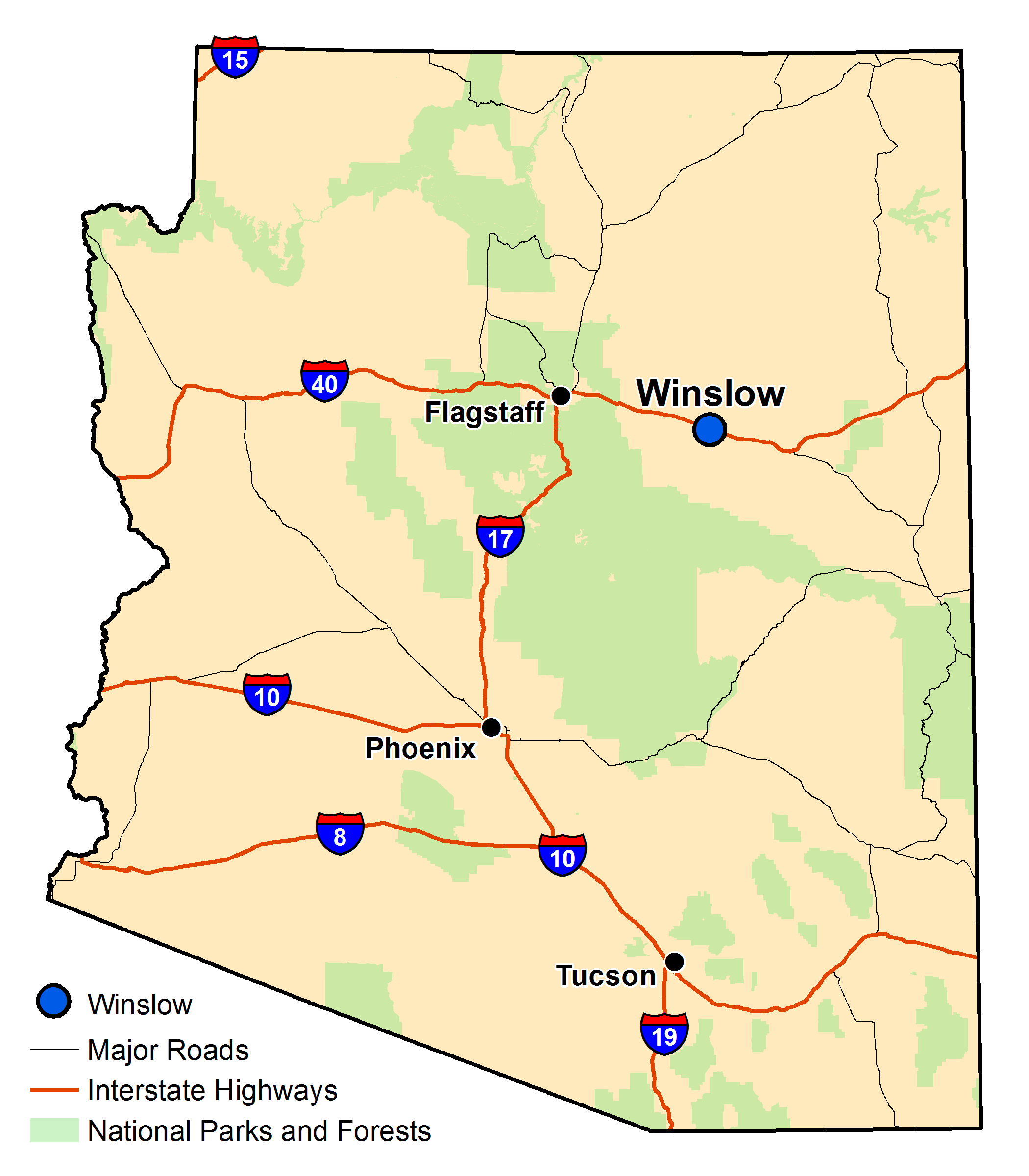
Winslow, Arizona, is strategically positioned in the northeastern quadrant of the state, within Navajo County. Its elevation of approximately 4,890 feet above sea level contributes to its characteristic high desert climate, marked by warm summers and cool winters. The city lies along the Little Colorado River, a vital waterway that has shaped the region’s ecology and history.
Proximity to Major Landmarks and Cities
Winslow’s allure is amplified by its proximity to a wealth of natural and historical attractions. It serves as a convenient gateway to some of the Southwest’s most celebrated destinations:
- Grand Canyon National Park: One of the world’s natural wonders, the South Rim of the Grand Canyon is approximately a two-hour drive north of Winslow, making it an accessible day trip or the start of an extended exploration.
- Petrified Forest National Park: Just a short drive east of Winslow, this park offers a stunning landscape of ancient, fossilized trees and the vibrant Painted Desert.
- Meteor Crater: This exceptionally well-preserved impact crater, one of the largest and best-known on Earth, is located about 18 miles west of Winslow.
- Flagstaff: To the west, the mountain town of Flagstaff, a larger city with its own charms and amenities, is about an hour’s drive away. Flagstaff serves as another major gateway to the Grand Canyon and is known for its vibrant downtown and astronomical observatories.
- Holbrook: To the east, the town of Holbrook is closer to the Petrified Forest and is known for its unique Wigwam Motel.
- Phoenix: The state capital and largest city, Phoenix, is located about a three-and-a-half-hour drive south of Winslow, offering a contrast of a major metropolitan hub with abundant cultural and entertainment options.
Transportation Networks
Historically, Winslow’s location has been defined by its role as a critical nexus for transportation.
The Santa Fe Railway
Winslow rose to prominence in the late 19th century as a vital division point for the Atchison, Topeka and Santa Fe Railway. The railway brought industry, commerce, and a steady stream of travelers to the area. The iconic La Posada Hotel, a beautifully restored historic hotel, stands as a testament to this railway heritage and continues to be a significant landmark and lodging option for visitors.
Interstate 40
Today, Winslow is bisected by Interstate 40, the successor to the historic Route 66. This major east-west highway facilitates easy access for motorists traveling across the country. The former alignment of Route 66 still runs through the heart of Winslow, preserving its nostalgic charm and drawing in fans of the “Mother Road.” This dual connectivity – by rail and interstate – cements Winslow’s status as a convenient stop for explorers.
Winslow’s Historical Significance and Cultural Identity
Winslow’s geographical placement has profoundly influenced its history and the development of its unique cultural identity. From its origins as a railroad town to its embrace of its Route 66 heritage, Winslow offers a rich tapestry of experiences for visitors.
The “Standin’ on the Corner” Phenomenon

Perhaps the most widely recognized symbol of Winslow is its association with the Eagles’ hit song “Take It Easy.” The lyrics “Well, I’m a-standin’ on a corner in Winslow, Arizona” have inspired a popular tourist attraction: a bronze statue and a mural depicting the scene from the song. This iconic spot on the corner of Kinsley Avenue and Second Street has become a pilgrimage site for music lovers and a playful testament to the town’s place in popular culture. The ongoing revitalization of downtown Winslow has further embraced this connection, with businesses and events celebrating the song and its enduring legacy.
Early Settlement and Growth
The area around Winslow was historically inhabited by Native American tribes, including the Navajo and Hopi, who have maintained a strong cultural presence in the region. The arrival of the railroad in the 1880s spurred rapid growth. Winslow was officially incorporated in 1897. Its strategic location facilitated the movement of goods and people, leading to the establishment of businesses, services, and a growing community that catered to the needs of travelers and the burgeoning industries of the region, including ranching and mining.
A Gateway to Indigenous Cultures
Winslow’s location in northeastern Arizona places it in close proximity to the Navajo Nation and the Hopi Indian Reservation. These reservations are home to vibrant indigenous communities with rich traditions, art, and history. Visitors to Winslow have the opportunity to explore these cultural landscapes through various means, including visiting tribal parks, art galleries featuring authentic Native American crafts, and learning about the ancestral lands that surround the town. This proximity allows for a deeper understanding of the diverse heritage that defines Arizona.
Exploring Winslow: Activities and Attractions
Winslow offers a compelling array of attractions that cater to history buffs, pop culture enthusiasts, and nature lovers alike. Its accessible location makes it an ideal base for exploring the wider region.
Historic Downtown and Route 66 Attractions
Winslow’s downtown core is a living museum of its past, particularly its connection to Route 66.
- Standin’ on the Corner Park: As mentioned, this is a must-visit. The park features a statue of a guitar-playing hitchhiker, the famous corner mural, and often hosts live music events, further cementing its iconic status.
- La Posada Hotel: This meticulously restored Fred Harvey hotel is more than just a place to stay; it’s a destination in itself. Designed by architect Mary Colter, the hotel boasts stunning Southwestern architecture, beautiful courtyards, and an excellent restaurant. A tour of the hotel reveals its rich history and its role in the golden age of rail travel.
- Winslow Old Trails Museum: Located in the former train depot, this museum offers a glimpse into Winslow’s past, showcasing artifacts and exhibits related to the railroad, pioneer life, and local history.
- Historic Buildings: Wandering through downtown Winslow, visitors can admire a variety of historic buildings, many of which once served the booming railroad and trading post era.
Natural Wonders and Outdoor Adventures
Beyond its town center, Winslow’s surroundings offer incredible natural beauty and opportunities for adventure.
- Meteor Crater Natural Landmark: A short drive west of Winslow leads to the spectacular Meteor Crater. Visitors can walk along the rim, learn about the impact event in the visitor center, and marvel at the scale of this cosmic collision. The clear, arid air of the high desert provides excellent visibility.
- Homolovi State Park: Located just south of Winslow, Homolovi State Park preserves the ancestral sites of the Hopi people. Archaeologists have uncovered numerous pueblo ruins, offering a tangible connection to the region’s ancient inhabitants. The park also offers hiking trails, bird watching, and camping.
- Lyman Lake State Park: A bit further south, Lyman Lake State Park provides opportunities for water recreation, including boating, fishing, and swimming, set against a backdrop of rugged desert landscapes.

Day Trip Opportunities
Winslow’s central location makes it an excellent starting point for numerous day trips to some of Arizona’s most iconic natural and cultural sites.
- Petrified Forest National Park & Painted Desert: A straightforward drive east on I-40 brings visitors to this geological wonderland. The park features vast expanses of petrified wood, stunning badlands of the Painted Desert, ancient petroglyphs, and historic Route 66 remnants within the park.
- Grand Canyon National Park: Venturing north to the Grand Canyon’s South Rim is an essential experience. The journey itself offers changing landscapes, and the awe-inspiring vistas at the Grand Canyon are unforgettable.
- Sunset Crater Volcano National Monument & Wupatki National Monument: North of Flagstaff, these interconnected parks offer insights into volcanic activity and ancient pueblo dwellings, providing a dual focus on natural history and archaeology.
Winslow, Arizona, is far more than just a dot on the map; it’s a destination rich in history, culture, and natural splendor. Its location at the crossroads of major transportation routes and its proximity to unparalleled natural wonders solidify its place as a must-visit stop for any traveler exploring the American Southwest. Whether you’re drawn by the echoes of the railroad, the romance of Route 66, or the breathtaking beauty of the surrounding landscape, Winslow offers an authentic and unforgettable experience.
LifeOutOfTheBox is a participant in the Amazon Services LLC Associates Program, an affiliate advertising program designed to provide a means for sites to earn advertising fees by advertising and linking to Amazon.com. Amazon, the Amazon logo, AmazonSupply, and the AmazonSupply logo are trademarks of Amazon.com, Inc. or its affiliates. As an Amazon Associate we earn affiliate commissions from qualifying purchases.