
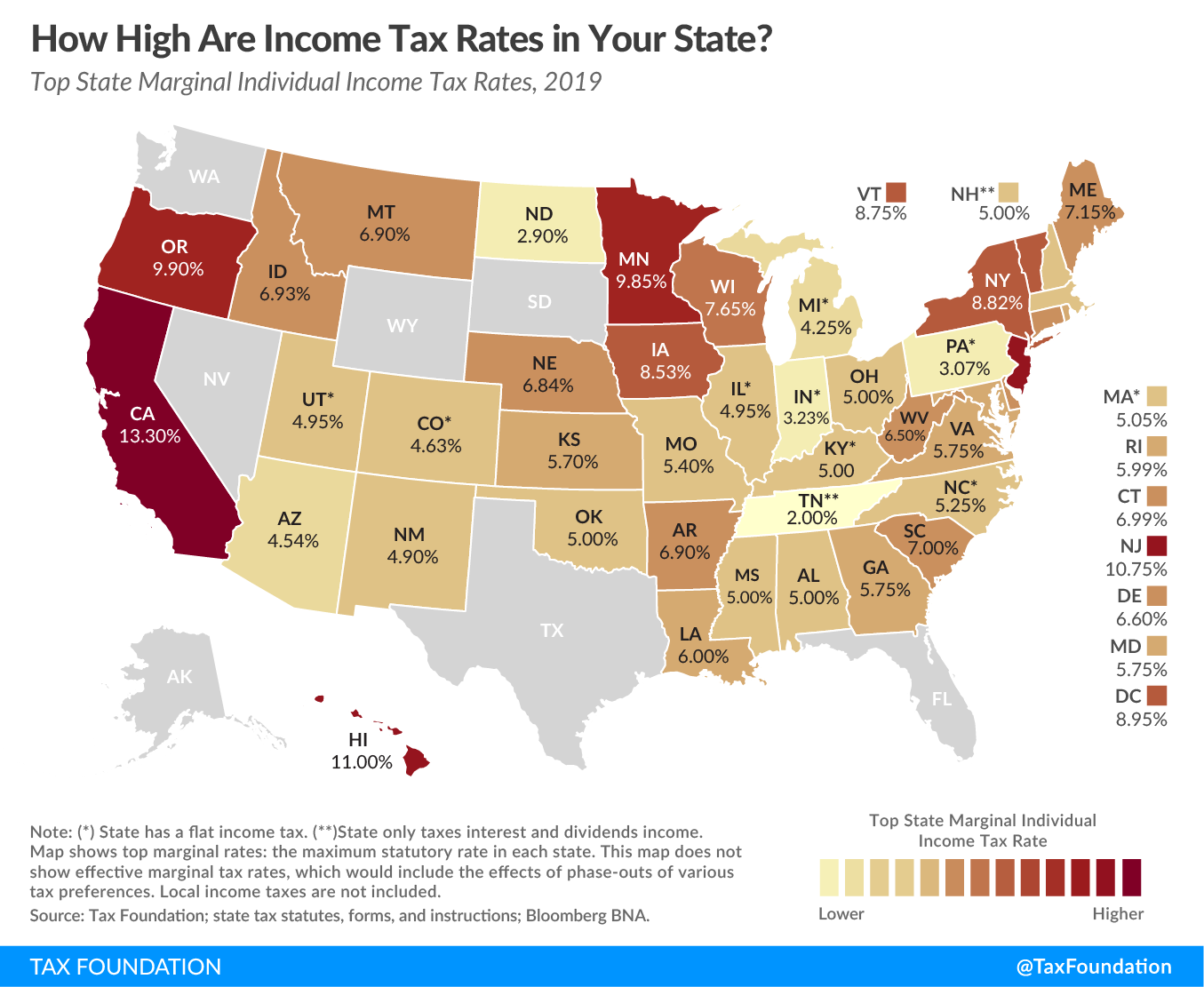
Navigating the fiscal landscape of any region can be a complex undertaking, and the vast state of Texas is no exception. For visitors and even many residents, understanding the intricacies of taxation is paramount to enjoying the state’s myriad attractions and experiencing its vibrant culture without unexpected financial surprises. While Texas is famously known for its absence of a state income tax, this doesn’t mean there are no taxes to consider. In fact, a significant portion of the state’s revenue is derived from sales and property taxes, which directly impact the cost of goods, services, and any real estate acquired within its borders. This guide will delve into the various forms of taxation that shape the Texan experience, offering insights relevant to tourists planning a visit, those considering a relocation, or anyone seeking a clearer picture of the Lone Star State’s financial framework.
Understanding Texas Sales Tax
The most immediately noticeable tax for most visitors and consumers in Texas is the sales and use tax. This tax is levied on the retail sale of tangible personal property and certain taxable services. It’s a critical component of the state’s revenue stream, funding essential public services across its diverse communities, from the bustling metropolis of Houston to the historic streets of San Antonio.
State and Local Rates
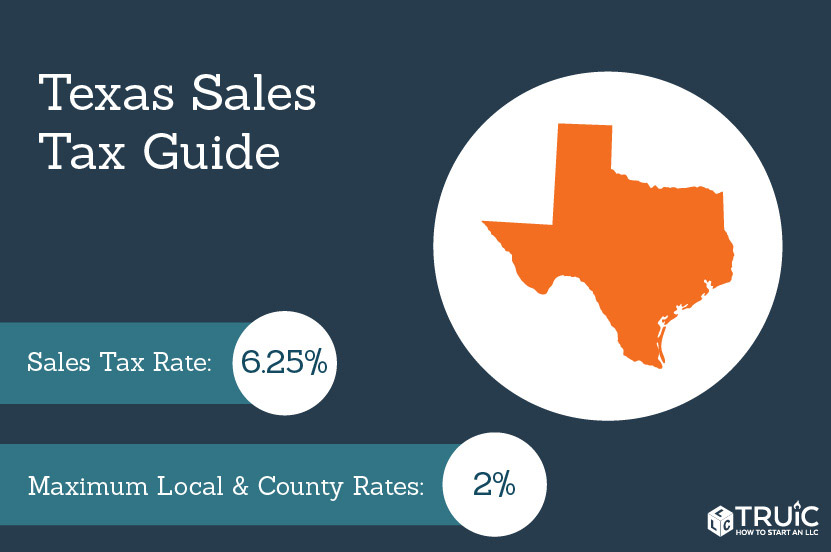
The sales tax rate in Texas is a combination of state and local rates. The state sales tax rate is currently 6.25%. However, most cities and counties in Texas are authorized to impose their own local sales taxes, which are added to the state rate. This means the total sales tax you pay can vary significantly depending on your specific location.
- State Rate: 6.25%
- Maximum Local Rate: 2.00%
- Combined Maximum Rate: 8.25%
For example, a purchase made in Austin will likely have a different total sales tax rate than one made in a smaller town. It is essential for businesses to correctly calculate and collect these combined rates, and for consumers to be aware of them when budgeting for purchases. The Texas Comptroller of Public Accounts provides extensive resources and tools for calculating these rates.
What is Taxable and What Isn’t?
The scope of taxable goods and services in Texas can be quite broad, but there are notable exemptions. Generally, tangible personal property is taxable unless specifically exempted by law. This includes everything from clothing and electronics to furniture and vehicles. Certain services are also taxable, such as:
- Hotel occupancy services (though this is a specific category with its own nuances, discussed later)
- Admissions to amusement, entertainment, and recreational events
- Information services
- Certain repair and remodeling services for real property
- Telephone services
Conversely, many essential items and services are exempt. These often include:
- Most food items intended for home consumption (groceries)
- Prescription drugs
- Newspapers and magazines
- Certain agricultural items
- Services related to healthcare, education, and religious activities
Understanding these exemptions can lead to significant savings, especially for longer stays or when making substantial purchases. For instance, purchasing groceries for a self-catering apartment in Dallas will typically be tax-free, whereas dining out at a restaurant will incur sales tax.
Use Tax
Closely related to sales tax is the use tax. This tax is imposed on the storage, use, or consumption of taxable items or services in Texas that were purchased outside the state or were otherwise exempt from sales tax at the time of purchase. The purpose of the use tax is to ensure that Texas businesses and consumers pay the same amount of tax on goods and services, regardless of where they were purchased. If you order items online from out-of-state retailers who do not collect Texas sales tax, you are generally responsible for paying the use tax to the state.
Property Tax in Texas
While Texas is celebrated for its lack of income tax, it is known for having some of the highest property taxes in the United States. Property taxes are levied by local governments—counties, cities, school districts, and special districts—and are based on the appraised value of real estate and, in some cases, personal property. These taxes are a cornerstone of funding for local services, including public schools, law enforcement, fire departments, and road maintenance.
How Property Tax Works
The process involves several key elements:
- Appraisal: Local appraisal districts assess the market value of properties within their jurisdiction. Property owners have the right to protest their property’s appraised value if they believe it is too high.
- Tax Rate (Levy): Once the total value of taxable property in a jurisdiction is determined, taxing units (e.g., school districts, cities) set their property tax rates. These rates are expressed in dollars per $100 of taxable value.
- Tax Bill: Your property tax bill is calculated by multiplying the appraised value of your property (after any applicable exemptions) by the combined tax rate of all the taxing units in which your property is located.
Property Tax Exemptions
Various exemptions can reduce a property owner’s tax burden. Common exemptions include:
- Homestead Exemption: This is available for an individual’s primary residence. A portion of the home’s value is exempt from taxation.
- Over-65 Exemption: Seniors aged 65 and older can receive an additional homestead exemption.
- Disability Exemption: Individuals with qualifying disabilities may also receive an exemption.
- Veterans’ Exemptions: Honorably discharged veterans may be eligible for exemptions.
These exemptions are crucial for homeowners and can significantly lower the annual property tax liability, particularly for long-term residents or those on fixed incomes.
Impact on Tourism and Hospitality
While not directly experienced by short-term tourists in the same way as sales tax, property taxes indirectly influence the cost of services within the hospitality sector. Hotels, resorts, and vacation rentals, like the Hyatt Regency Dallas or a charming bed and breakfast in the Texas Hill Country, face substantial property tax bills. These costs are often factored into room rates and service charges, meaning that even without a direct property tax payment, visitors may indirectly contribute to this revenue stream through their spending.
Hotel Occupancy Tax (HOT) in Texas
For travelers staying in hotels, motels, bed and breakfasts, and other short-term lodging facilities, the Hotel Occupancy Tax (HOT) is a direct and often significant cost. This tax is levied on the privilege of occupying a room in a hotel. It’s a vital source of revenue for local municipalities, often dedicated to funding tourism promotion, convention centers, and other projects that benefit the travel and tourism industry.
Components of the HOT
Similar to sales tax, the HOT is a layered tax:
- State Tax: Texas imposes a state HOT of 6%.
- Local Tax: Cities and counties are authorized to impose their own HOT rates. These local rates can vary widely but are capped by state law. Many cities levy an additional 5% to 7%, bringing the total HOT rate to 11% to 13%. Some counties also levy an additional rate, particularly for the purpose of funding convention centers or sports arenas.
Therefore, when booking a hotel room, the total HOT rate can range from a minimum of around 9% (state tax plus a minimal local rate) to over 15% in some high-demand tourist destinations or major metropolitan areas.
Where the Money Goes
A significant portion of the HOT revenue collected is statutorily dedicated to tourism and convention promotion. This means that the tax you pay on your hotel room in places like Galveston or Fort Worth often directly contributes to marketing Texas as a destination, supporting events, and improving tourist infrastructure. This creates a symbiotic relationship where tourism drives revenue that, in turn, fuels more tourism.
Important Considerations for Travelers
- Check the Rate: Always confirm the total HOT rate when booking accommodation. Many booking websites will display this, but it’s wise to verify directly with the hotel or the local tourism board if you’re concerned.
- Exemptions: Certain groups are exempt from paying HOT, such as federal government employees on official business, or individuals staying for extended periods under specific circumstances (though these are less common for typical tourist stays). Proper documentation is usually required.
- Impact on Budget: Factor the HOT into your overall travel budget, especially for longer stays or if you plan to stay in multiple locations across the state. A $200 per night hotel room could end up costing closer to $230 per night with the tax, a difference that adds up.
Other Taxes to Be Aware Of
While sales tax, property tax, and hotel occupancy tax are the most prominent, Texas does have other taxes that may be relevant to specific situations.
Franchise Tax
Businesses operating in Texas are subject to the state’s franchise tax. This is essentially a tax on the privilege of doing business in the state. It is calculated based on a business’s ” Margin,” which is its gross receipts minus certain allowable deductions. While this is primarily a business concern, it can indirectly affect the pricing of goods and services offered by companies operating in Texas. Certain small businesses may be exempt from paying the franchise tax.
Excise Taxes
Texas also levies excise taxes on specific goods, such as motor fuels, tobacco products, and alcoholic beverages. These taxes are typically included in the retail price of these items and contribute to specific state funds, such as highway maintenance for fuel taxes. For travelers, this means that filling up your car at a gas station in El Paso or purchasing a local craft beer will include these embedded excise taxes.
Motor Vehicle Taxes
When purchasing a vehicle in Texas, you will pay a sales tax on the purchase price. Additionally, there are annual registration fees and inspection fees for vehicles. These are standard costs of vehicle ownership and operation within the state.
Conclusion: Navigating Taxes for a Smoother Texan Experience
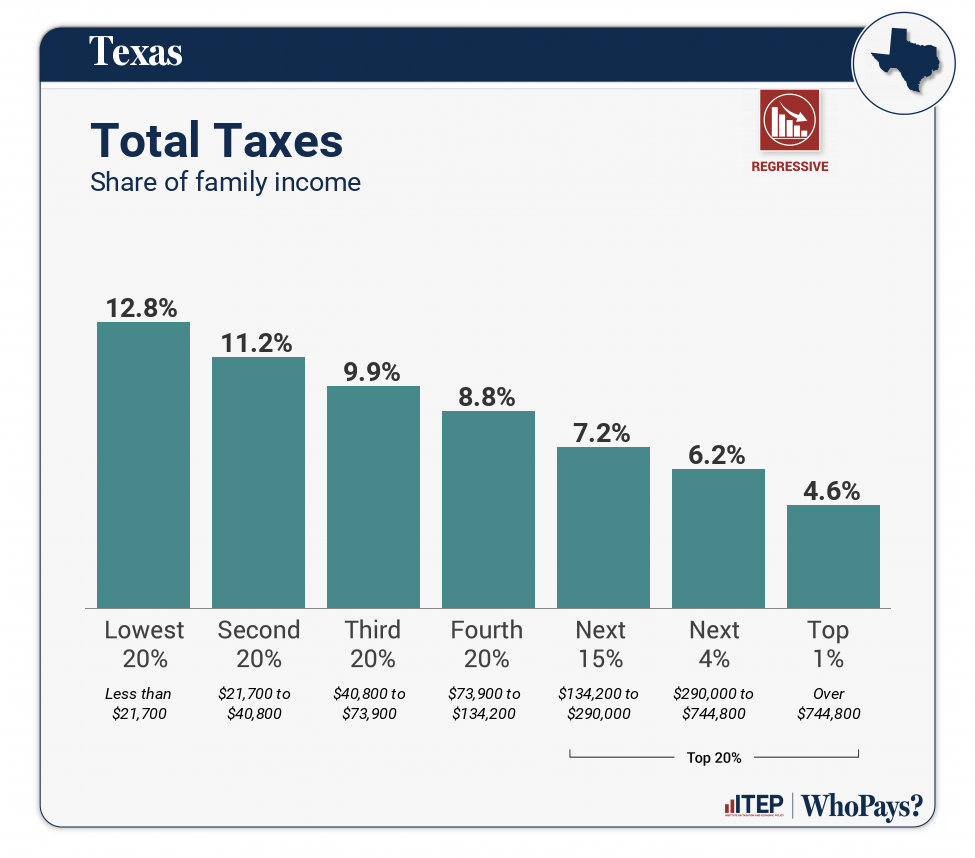
While the absence of a state income tax is a significant draw for many considering Texas for a visit or a permanent move, it’s crucial to understand the tax structure that does exist. Sales tax, property tax, and hotel occupancy tax are the most visible and impactful for individuals. By being aware of the state and local rates, potential exemptions, and how these taxes contribute to public services and tourism initiatives, travelers and residents can better plan their finances and appreciate the full value of what the diverse and dynamic state of Texas has to offer, from its iconic landmarks like the Alamo to its world-class culinary scene and vibrant city life. A little knowledge about taxation can lead to a much smoother and more enjoyable experience across the Lone Star State.
LifeOutOfTheBox is a participant in the Amazon Services LLC Associates Program, an affiliate advertising program designed to provide a means for sites to earn advertising fees by advertising and linking to Amazon.com. Amazon, the Amazon logo, AmazonSupply, and the AmazonSupply logo are trademarks of Amazon.com, Inc. or its affiliates. As an Amazon Associate we earn affiliate commissions from qualifying purchases.