
The electoral process in the United States is a complex and often lengthy endeavor, with the final tally of votes sometimes extending well beyond Election Day. In recent cycles, states like Arizona and Nevada have become focal points for discussions about delayed vote counting, sparking curiosity and sometimes concern among citizens and observers alike. Understanding the reasons behind these extended counting periods is crucial to appreciating the nuances of democratic participation and the dedication of election officials to ensuring accuracy.
The Mechanics of Vote Counting
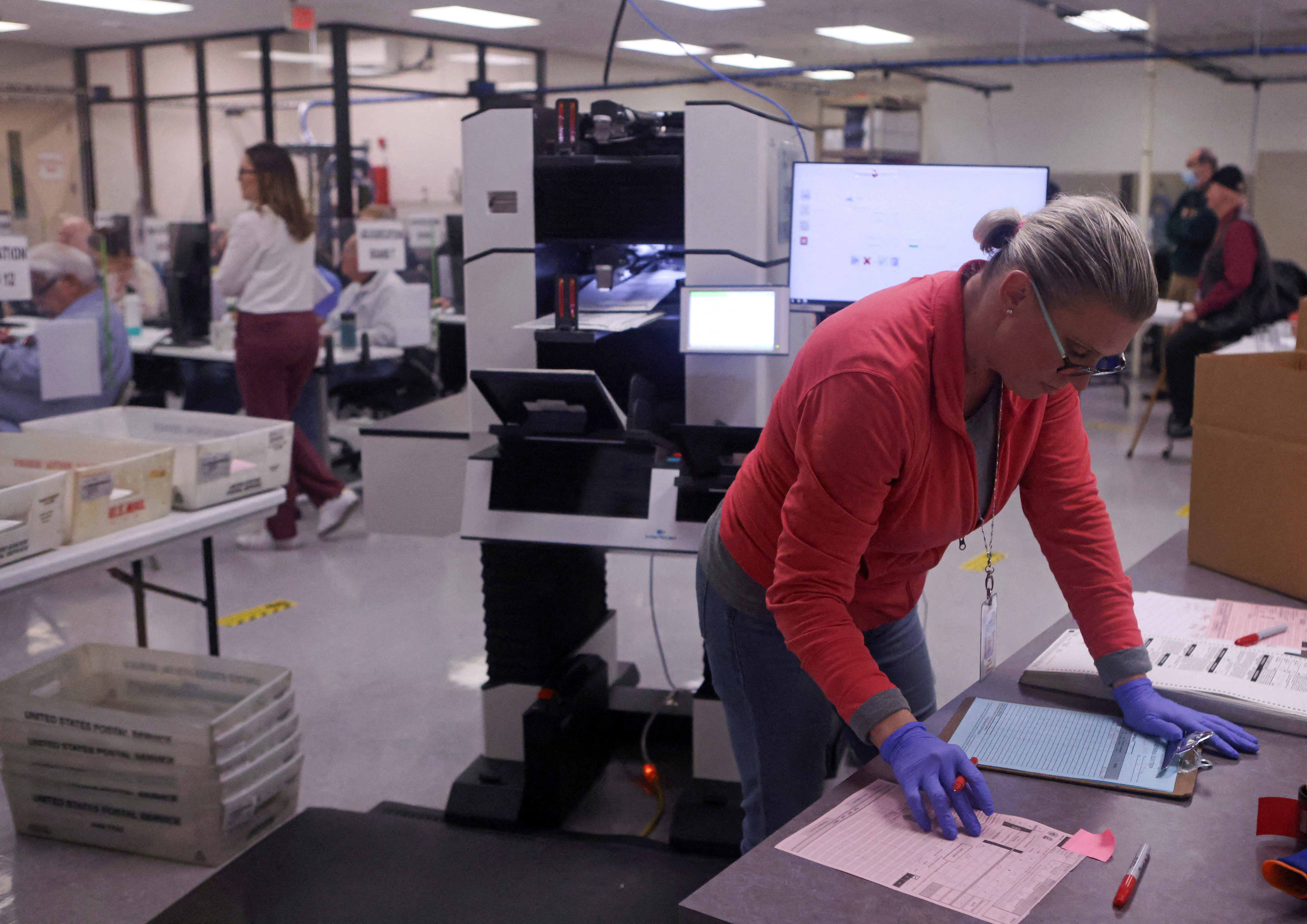
The fundamental reason for prolonged vote counting in any election, particularly in large and diverse states like Arizona and Nevada, lies in the sheer volume of ballots that need to be processed and verified. This process is not a simple matter of gathering physical ballots into a central location and running them through a machine. Instead, it involves multiple layers of security, verification, and aggregation.
Mail-In Ballots and Early Voting
A significant driver of extended counting times in Arizona and Nevada is the increasing prevalence of mail-in voting and early in-person voting. Both states have made provisions for voters to cast their ballots in advance of Election Day, and many residents opt for these convenient methods.
- Mail-In Ballots: These ballots are often sent out weeks before an election. Voters then return them via mail or drop-off locations. Upon receipt, election officials must meticulously verify the signature on the envelope against the voter’s registration information. This signature verification process, while a vital safeguard against fraud, is a manual and time-consuming task, especially when dealing with hundreds of thousands, or even millions, of ballots. Furthermore, postal delivery times can vary, meaning some ballots may arrive on Election Day or shortly thereafter, and state laws typically allow for these timely-arriving ballots to be counted.
- Early In-Person Voting: This allows citizens to cast their ballots at designated polling places before Election Day. While the physical act of voting is similar to Election Day voting, the ballots collected during the early voting period are not processed and tabulated until after polls close on Election Day. This allows for a large number of ballots to be aggregated before the full tabulation begins, but it still adds to the overall volume that needs to be counted.
Ballot Processing Procedures
Once a ballot is deemed valid, it must be processed for tabulation. This involves opening the envelopes, removing the ballots without unfolding them if they are folded in a way that could obscure identifying information, and then feeding them into high-speed tabulation machines.
- Signature Verification: As mentioned, this is a critical step for mail-in ballots. Trained election workers compare the signature on the ballot envelope to signatures on file in the voter registration system. If there are discrepancies, the ballot may be set aside for further review by a bipartisan panel. This ensures the integrity of the vote while also being a procedure that can add time to the process.
- Remote Drop Boxes: Both Arizona and Nevada utilize remote ballot drop boxes. These offer convenience for voters but require regular collection by designated election officials. The collected ballots then need to be transported to central counting facilities, adding another logistical step before the counting can commence.
- Tabulation: The actual scanning and counting of ballots are performed by sophisticated machines. However, these machines can only process a certain number of ballots per hour. Given the vast number of ballots in populous states, the entire process can take many hours, and in some cases, several days, to complete.
Legal Frameworks and Election Laws
Beyond the logistical challenges, the legal frameworks governing elections in Arizona and Nevada play a significant role in determining when the counting concludes. State laws dictate specific timelines for ballot receipt, processing, and certification, and these regulations are designed with accuracy and voter enfranchisement in mind.
Post-Election Ballot Receipt Deadlines

A common point of discussion is the deadline for receiving mail-in ballots. In many states, including parts of Arizona and Nevada, ballots that are postmarked by Election Day and arrive within a few days afterward are still considered valid and are counted. This practice is intended to ensure that voters who mailed their ballots on time are not disenfranchised due to postal delays.
- Grace Periods for Mail-In Ballots: These grace periods, while beneficial for voters, inherently extend the timeframe during which election officials must continue to receive and process ballots. The exact number of days varies by jurisdiction and can significantly impact the final tally.
- Provisional Ballots: In situations where a voter’s eligibility is in question on Election Day (e.g., if their name is not on the voter roll or if they did not bring proper identification), they may be offered a provisional ballot. These ballots are set aside and are only counted after election officials have verified the voter’s eligibility. This verification process can take days or even weeks to complete, further contributing to delays in the final results.
Auditing and Certification
Once the initial count is complete, election officials in Arizona and Nevada are not yet finished. The process includes vital auditing and certification steps to ensure the integrity and accuracy of the election results.
- Risk-Limiting Audits (RLAs): Many jurisdictions are adopting risk-limiting audits, a statistically rigorous method to confirm that the reported outcome of an election is correct. These audits involve manually checking a random sample of ballots against the machine count. If discrepancies are found, more ballots are audited until the election outcome can be confirmed with a high degree of statistical confidence. RLAs are a crucial safeguard for election integrity but can add time to the process.
- Canvassing: Election officials also conduct a canvass of election results, which involves a thorough review of all precinct-level results, tabulation equipment, and the reconciliation of any discrepancies. This step ensures that all valid votes are accounted for and that the reported totals are accurate.
- Certification: Finally, election results must be formally certified by election officials or governing bodies. This certification marks the official end of the election process for that particular election and triggers the timeline for any recounts or legal challenges. The certification process itself has its own set of deadlines and procedures that must be adhered to.
Technological and Human Factors
While technology plays a significant role in modern elections, the human element remains indispensable. The interplay between technology and human oversight, coupled with the inherent complexities of managing large-scale operations, contributes to the time it takes to count votes in Arizona and Nevada.
Infrastructure and Resources
Conducting an election is a massive logistical undertaking that requires substantial infrastructure and trained personnel. The efficiency of vote counting can be influenced by the availability of these resources.
- Staffing: Election workers, many of whom are volunteers, undergo training to perform their duties, from staffing polling places to processing mail-in ballots. The sheer number of workers needed, and the time it takes to train them, can be a limiting factor.
- Equipment: Tabulation machines, ballot scanners, and other election equipment must be maintained, tested, and deployed across numerous locations. Any issues with equipment or the need for repairs can cause delays.
- Logistics: The transportation of ballots from hundreds of drop boxes and polling places to central counting facilities requires careful planning and execution. Delays in transportation can impact the start of tabulation.
Voter Turnout and Ballot Complexity
The number of voters participating in an election and the complexity of the ballots themselves can also affect counting times.
- High Turnout: In elections with exceptionally high voter turnout, the volume of ballots to be processed naturally increases, leading to longer counting periods.
- Ballot Measures and Multiple Races: Ballots that include numerous races, ballot measures, and propositions require more time for voters to complete and can sometimes lead to issues with tabulation if voters mark them incorrectly, necessitating manual review.
In conclusion, the extended vote-counting periods observed in Arizona and Nevada are not indicative of flawed systems but rather a testament to the careful, thorough, and legally mandated processes in place to ensure every eligible vote is counted accurately and securely. The commitment to precision, coupled with the logistical realities of managing large-scale democratic exercises, means that patience is often a necessary virtue as election officials work diligently to deliver the final results.
LifeOutOfTheBox is a participant in the Amazon Services LLC Associates Program, an affiliate advertising program designed to provide a means for sites to earn advertising fees by advertising and linking to Amazon.com. Amazon, the Amazon logo, AmazonSupply, and the AmazonSupply logo are trademarks of Amazon.com, Inc. or its affiliates. As an Amazon Associate we earn affiliate commissions from qualifying purchases.