
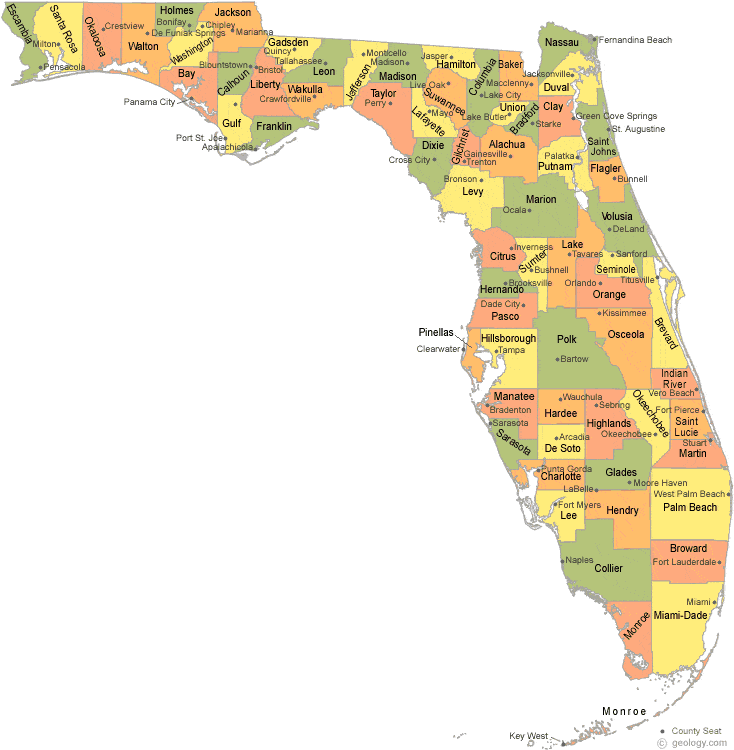
Florida, often synonymous with sun-drenched beaches, world-class theme parks, and vibrant cultural hubs, is a state of immense geographical and cultural diversity. For any traveler planning an itinerary, understanding the foundational administrative divisions of this fascinating peninsula is key to unlocking its full potential. The direct answer to the question “How many counties are in Florida?” is 67. Each of these counties offers a distinct flavor, unique attractions, and a slice of the Sunshine State’s multifaceted charm. Delving into the individuality of these 67 counties allows for a more nuanced and enriching travel experience, moving beyond the well-trodden tourist paths to discover authentic local gems and regional specificities.
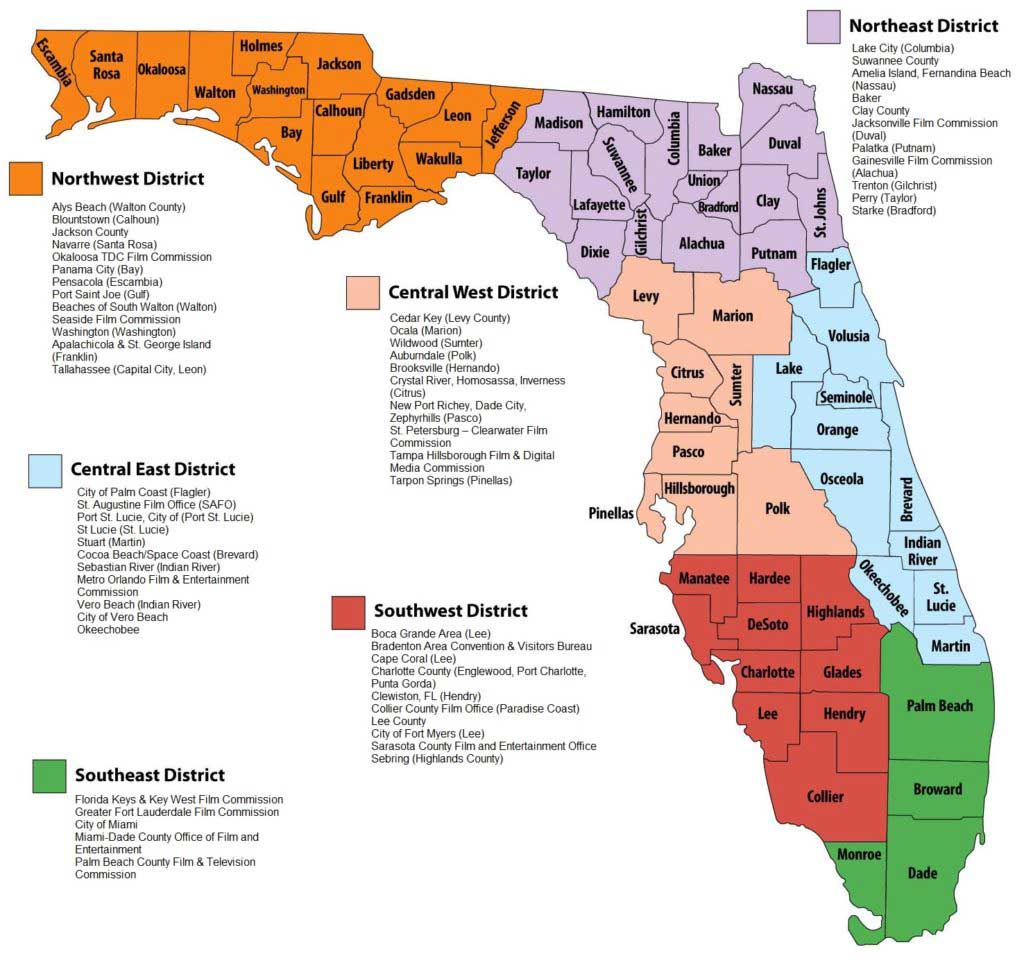
Unveiling Florida’s Geographical Tapestry: The 67 Counties
The state of Florida is segmented into 67 distinct counties, each serving as an administrative and geographical unit that contributes to the state’s diverse landscape and cultural identity. From the historic shores of St. Johns County to the bustling metropolis of Miami-Dade County and the serene islands of Monroe County, these divisions are more than just lines on a map; they represent unique ecosystems, economic drivers, and community characters. For the discerning traveler, recognizing these boundaries helps in appreciating the subtle shifts in ambiance, natural beauty, and available activities as one traverses the state.
Each county typically has a county seat, which is the administrative center, and often boasts a primary city or town that acts as a focal point for visitors. The sheer number of counties underscores the vastness and variety of Florida, meaning that a single trip can scarcely do justice to all it has to offer. Instead, understanding the regional groupings of these counties allows travelers to focus their exploration, whether they seek adventure, relaxation, cultural immersion, or family fun. From the subtropical wilderness of the Everglades National Park that spans multiple southern counties to the rolling hills and natural springs found in North Florida, the county structure provides a useful framework for discovering the state’s hidden treasures and prominent landmarks.
Navigating the Sunshine State: Regional Diversity for Every Traveler
The 67 counties of Florida can be broadly categorized into distinct regions, each with its own set of attractions, climate, and local ethos. Understanding these regions, defined by clusters of counties, is paramount for travelers aiming to maximize their experience and truly grasp the depth of what Florida offers.
The Panhandle’s Emerald Coasts and Historic Charms
The Florida Panhandle, stretching across the northwestern part of the state, is home to counties like Escambia County, Okaloosa County, and Bay County. This region is celebrated for its stunning emerald-green waters and sugar-white sand beaches, often cited as some of the best in the world. Pensacola in Escambia County offers a rich historical tapestry, being the oldest European settlement in the United States, complete with historic districts and naval aviation heritage. Further east, Destin in Okaloosa County is known as the “World’s Luckiest Fishing Village,” offering unparalleled deep-sea fishing charters and family-friendly resorts. Panama City Beach, located in Bay County, is a vibrant destination famous for its lively atmosphere, extensive beachfront, and recreational activities such as diving and water sports. Travelers seeking a blend of natural beauty, history, and active recreation will find the Panhandle counties particularly appealing.
Central Florida’s Enchantment: Theme Parks and Natural Wonders
Central Florida is arguably the state’s most famous region, largely due to the concentration of world-renowned theme parks. Orange County is at its heart, home to Orlando, which hosts the expansive Walt Disney World Resort and Universal Orlando Resort. These attractions draw millions of visitors annually, making Orange County a primary destination for family vacations and thrill-seekers. Nearby, Polk County offers LEGOLAND Florida Resort, another family-centric attraction, alongside abundant natural lakes perfect for fishing and boating. To the east, Brevard County, also known as the “Space Coast,” is where visitors can experience the awe-inspiring Kennedy Space Center Visitor Complex, witnessing rocket launches and exploring the history of space exploration. Beyond the manufactured magic, this region also offers natural springs and wildlife preserves, providing a balanced itinerary for those who wish to experience both the exhilarating and serene aspects of Florida.
The Gulf Coast’s Serenity: Sunsets, Arts, and Aquatic Life
Along Florida’s western edge, the Gulf Coast presents a calmer, often more culturally rich, travel experience. Pinellas County is home to St. Petersburg, renowned for its vibrant arts scene, museums, and beautiful waterfront parks, as well as the pristine sands of Clearwater Beach. Further south, Sarasota County boasts the sophisticated city of Sarasota, famous for its cultural institutions like The Ringling and the breathtaking shores of Siesta Key Beach, consistently ranked among the best beaches in the U.S. Lee County centers around Fort Myers, offering historical estates, mangrove estuaries, and easy access to the shell-laden beaches of Sanibel Island. Travelers seeking picturesque sunsets, a thriving arts scene, and opportunities for wildlife viewing, particularly dolphins and manatees, will find the Gulf Coast counties a perfect retreat.
Southeast Florida’s Vibrant Pulse: Culture, Glamour, and Nightlife
Southeast Florida is a dynamic and cosmopolitan region, characterized by its bustling cities, luxurious lifestyle, and diverse cultural influences. Miami-Dade County is undoubtedly its crown jewel, featuring the iconic city of Miami, with its Art Deco architecture, world-renowned dining, and legendary nightlife, particularly in South Beach. Beyond the urban allure, Miami-Dade County also provides gateway access to the unique wilderness of the Everglades National Park. Adjacent Broward County is home to Fort Lauderdale, often called the “Venice of America” due to its intricate canal system and emphasis on yachting and waterfront dining. To the north, Palm Beach County offers upscale experiences in Palm Beach, known for its designer boutiques, opulent resorts, and pristine beaches. This region caters to travelers looking for high-energy cultural experiences, luxurious amenities, and vibrant social scenes.
The Florida Keys: An Island Paradise Chain
Extending southwest from the mainland, the Florida Keys comprise a string of tropical islands, all within Monroe County. This unique destination offers a distinct Caribbean-like atmosphere. Key West, at the very end of the island chain, is famed for its vibrant history, lively nightlife, charming architecture, and stunning sunsets at Mallory Square. The entire chain, including the waters surrounding it, is part of the Florida Keys National Marine Sanctuary, making it a premier destination for snorkeling, diving, fishing, and boating among coral reefs. For travelers seeking a laid-back island vibe, exceptional marine adventures, and a touch of bohemian charm, the Florida Keys offer an unforgettable escape within a single, elongated county.
Crafting Your Florida Itinerary: Beyond the Mainstream
Understanding Florida’s 67 counties goes beyond just knowing the big names. It empowers travelers to curate more specific, personal, and often more authentic experiences. Each county, regardless of size or prominence, contributes to the state’s travel narrative.
Discovering Hidden Gems in Smaller Counties
While the major counties draw significant attention, many smaller or less-trafficked counties harbor incredible, often overlooked, attractions. For instance, Alachua County, home to Gainesville, offers an abundance of natural springs perfect for swimming, kayaking, and tubing, along with a vibrant college-town atmosphere. St. Johns County boasts St. Augustine, the nation’s oldest continuously inhabited European-established settlement, filled with historic forts, cobblestone streets, and a wealth of Spanish colonial history. Venturing into these counties provides opportunities to engage with local communities, discover unique culinary traditions, and experience Florida’s diverse natural landscapes away from the crowds. This approach allows for richer cultural immersion and the discovery of unexpected delights that might not be highlighted in broader travel guides.
Practical Travel Considerations by County
The county structure also has practical implications for travelers. Local ordinances, specific environmental regulations (especially pertinent in coastal or protected areas), and even nuances in local events and festivals can vary significantly from one county to another. For example, beach access rules, fishing license requirements, or specific permits for camping in state parks might be influenced by county-level regulations. Transportation networks, including local bus services or designated scenic routes, are also often organized at the county level. By familiarizing oneself with the specific county being visited, travelers can better prepare for their trip, ensuring compliance with local rules and making the most of available resources. This granular understanding can enhance planning for everything from finding the best local farmers’ markets to understanding emergency services or accessing lesser-known public lands.
The Enduring Appeal of Florida’s Diverse Counties
The existence of 67 distinct counties in Florida is not just a geographical fact; it’s a testament to the state’s incredible diversity as a travel destination. From the sun-kissed beaches of the Panhandle to the theme park magic of Central Florida, the artistic enclaves of the Gulf Coast, the vibrant urban centers of Southeast Florida, and the serene, tropical charm of the Florida Keys, each county plays a crucial role in painting the complete picture of the Sunshine State. For the savvy traveler, an awareness of these divisions offers a roadmap to deeper exploration, allowing for the discovery of tailor-made experiences that cater to every interest and preference. Embracing the individuality of Florida’s counties transforms a simple vacation into an insightful journey through a truly multifaceted American gem.
LifeOutOfTheBox is a participant in the Amazon Services LLC Associates Program, an affiliate advertising program designed to provide a means for sites to earn advertising fees by advertising and linking to Amazon.com. Amazon, the Amazon logo, AmazonSupply, and the AmazonSupply logo are trademarks of Amazon.com, Inc. or its affiliates. As an Amazon Associate we earn affiliate commissions from qualifying purchases.