
The arid expanse of Arizona conjures images of vast deserts, majestic canyons, and a pace of life seemingly dictated by the sun’s unhurried transit across the sky. While this perception contributes to its allure for many seeking an escape from the frenetic energy of modern life, the notion of “slow” in Arizona is multifaceted. It speaks not to a lack of progress or vibrancy, but rather to a deliberate rhythm, a connection to the land, and an embrace of experiences that unfold with intention. This exploration delves into the various facets of what makes Arizona feel so deliberately paced, from its natural landscapes and cultural heritage to its unique approach to tourism and hospitality.
The Unfolding Majesty of the Landscape
The sheer scale and grandeur of Arizona’s natural environment inherently foster a sense of slowness. Unlike bustling urban centers where activity often spills onto every street corner, the dominant characteristic of much of the state is its open space. This vastness encourages a different kind of engagement with the environment, one that requires time to truly appreciate.
The Grand Canyon: A Timeless Spectacle
The Grand Canyon National Park, perhaps Arizona’s most iconic landmark, is a testament to geological time. Witnessing its immense scale, the layers of rock telling stories of millions of years, instills a profound sense of perspective. The typical visitor experience, whether gazing from the rim or embarking on a multi-day hike, is designed to slow down and absorb the panorama. The changing light throughout the day, from the soft hues of dawn to the fiery glow of sunset, reveals new depths and colors, demanding a patient observation that is antithetical to haste. The very act of traversing the trails, whether at the South Rim or the more remote North Rim, is a journey of endurance and mindful progress, a stark contrast to the instant gratification often sought elsewhere.
Desert Landscapes: A Study in Patience
Beyond the Grand Canyon, Arizona’s diverse desert ecosystems – the Sonoran, Mojave, and Painted Deserts – each possess a unique beauty that unfolds gradually. The delicate bloom of a saguaro cactus after a rare rain, the intricate patterns etched by wind and water on rock formations, or the subtle shifts in color as the sun moves across the sky – these are not spectacles of fleeting moments but rather enduring marvels that reward contemplation. Exploring areas like the Superstition Mountains or the Arizona Sonora Desert Museum involves a deliberate pace, allowing for the observation of resilient flora and fauna that have adapted to an environment where water is precious and life moves with deliberate efficiency. The slow, steady growth of desert plants and the patient hunting strategies of desert wildlife serve as constant reminders of nature’s unhurried timeline.
The Allure of Open Roads
The iconic open roads of Arizona, stretching across vast distances under an endless sky, invite a particular brand of travel. Driving through towns like Sedona or along historic routes such as Route 66, the journey itself becomes a significant part of the experience. There’s an invitation to pull over, to stop at roadside attractions, to simply gaze out at the passing scenery without the pressure of a tight schedule. This freedom from the clock encourages a more immersive and reflective travel style, where the destination is as much about the unfolding moments along the way as it is about the arrival.
A Cultural Embrace of Deliberation
Arizona’s cultural tapestry is woven with threads of indigenous heritage, pioneer spirit, and a modern influx that has, in many ways, embraced and preserved a more deliberate way of life. This cultural inclination towards slowness is evident in its traditions, its arts, and its community values.
Indigenous Roots: A Legacy of Connection
The enduring presence of Native American tribes, such as the Navajo Nation, the Hopi Tribe, and the Apache Tribes, has profoundly shaped Arizona’s cultural landscape. These cultures, with their deep spiritual connection to the land and their traditions passed down through generations, embody a sense of timelessness. Their art forms, from intricate weaving and pottery to ceremonial dances, are often the result of meticulous craftsmanship and patient dedication. Visiting tribal lands or attending cultural events offers a glimpse into a worldview where time is measured by cycles of nature and human endeavors are undertaken with a profound respect for tradition and heritage. The pace of life within these communities often reflects a commitment to community and the land that predates the modern rush.

Arts and Crafts: The Slow Creation
Arizona’s artistic scene, while diverse, often highlights crafts that are inherently time-consuming. The creation of authentic Native American jewelry, with its precise inlay work and hand-stamped designs, requires hours of skilled labor. Similarly, the intricate detail in traditional Navajo rugs or Hopi kachina dolls speaks to a dedication to process and an appreciation for the artisanal. Galleries and studios across the state, from the art enclaves of Sedona to the vibrant artist communities in Tucson and Phoenix, often showcase works that embody this slow-creation ethos. The emphasis is on quality, narrative, and the human touch, elements that cannot be rushed.
Pioneer Spirit and Rural Charm
The legacy of Arizona’s pioneering past also contributes to its slower rhythm. Many smaller towns retain a palpable sense of community and a pace of life that is more akin to decades past. The charm of historic downtowns, the prevalence of local diners and markets, and the neighborly interactions all contribute to an atmosphere where people have time for each other. This is particularly true in the more rural parts of the state, where the rhythm of agricultural life or the quiet of mountain towns dictates a more measured existence.
Tourism and Hospitality: Embracing the Unhurried Experience
Arizona’s tourism industry has, to a significant extent, leveraged its natural beauty and cultural heritage to offer experiences that are designed to be savored rather than rushed. This approach to tourism naturally encourages a slower pace of exploration and enjoyment.
Wellness and Retreats: The Art of Slowing Down
The natural beauty and spiritual resonance of places like Sedona have made it a global hub for wellness and spiritual retreats. Visitors come seeking an escape from stress and an opportunity to reconnect with themselves. The activities offered – yoga, meditation, hiking in vortex sites, spa treatments – are all designed to promote relaxation and introspection. The emphasis is on personal well-being and a gradual unfolding of inner peace, a direct antithesis to a fast-paced lifestyle. Many resorts and wellness centers in these areas are architecturally designed to blend with the natural environment, further enhancing the sense of calm and tranquility.
Culinary Delights: A Taste of Time
Arizona’s culinary scene, particularly its dedication to Southwestern flavors and farm-to-table dining, often emphasizes the slow process of food preparation and appreciation. The richness of slow-cooked meats, the nuanced flavors of chilies and spices, and the use of fresh, local ingredients all contribute to a dining experience that is meant to be savored. Restaurants in Scottsdale and Phoenix, as well as smaller eateries in towns like Jerome, often highlight regional specialties that are rooted in traditional cooking methods, many of which are inherently time-intensive. The appreciation for a well-crafted meal, enjoyed at a leisurely pace, is a significant part of the state’s appeal.
Experiential Travel: Immersion Over Efficiency
Modern tourism in Arizona increasingly focuses on experiential travel, where immersion in local culture and activities takes precedence over simply checking off sights. This might involve multi-day horseback riding expeditions through desert landscapes, guided stargazing tours under incredibly dark skies, or participating in artisan workshops. These activities are not designed for speed; they are designed for engagement and a deeper connection with the destination. The narrative of travel becomes less about efficiency and more about the richness of the experience itself.

The Paradox of Progress: Modernity in a Slow Land
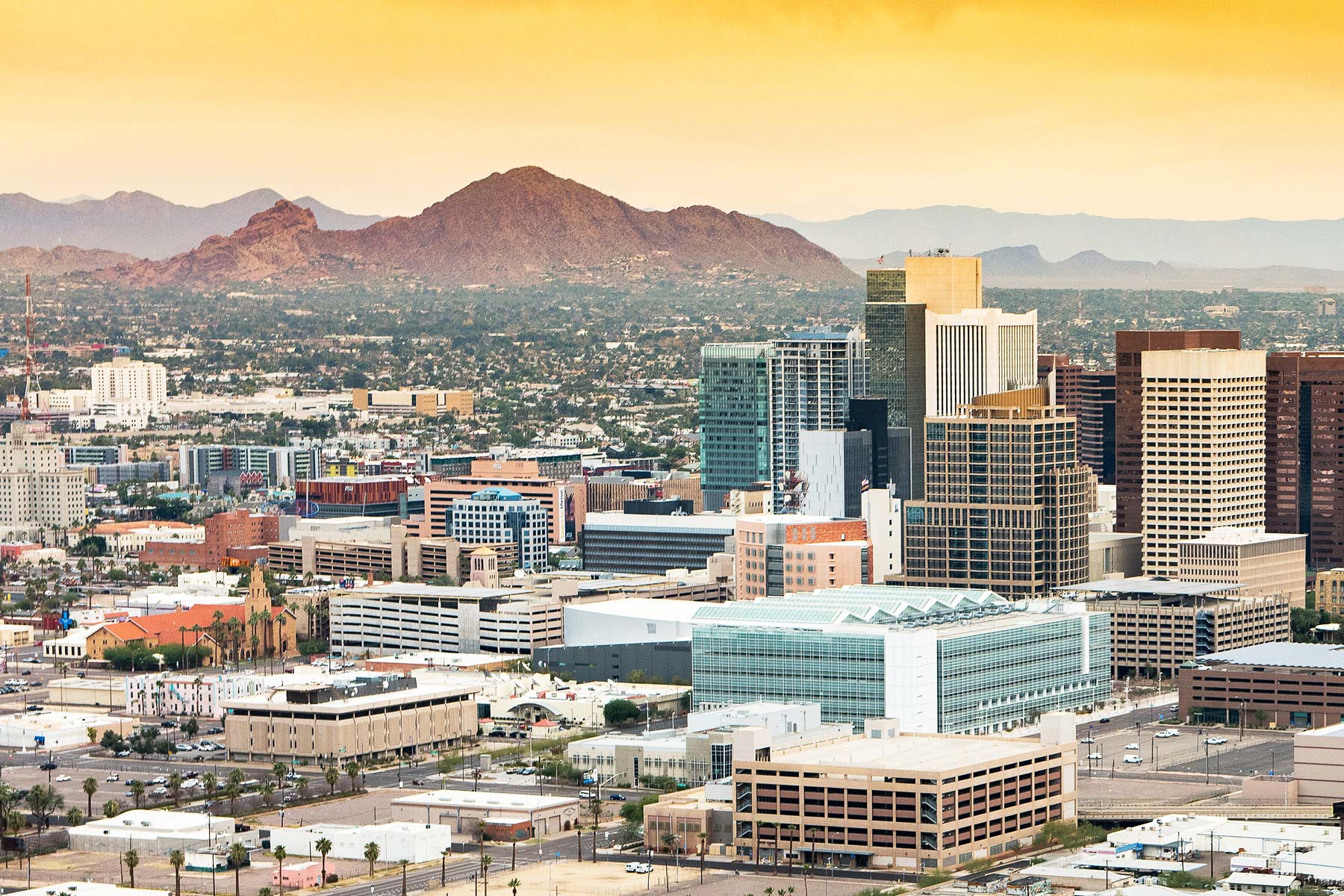
While the allure of Arizona’s slow pace is undeniable, it’s important to acknowledge that it is also a rapidly growing state with vibrant urban centers like Phoenix and Tucson that pulsate with modern energy. However, even within these metropolises, there is often a conscious effort to integrate green spaces, preserve historical districts, and foster a sense of community that can mitigate the feeling of being overwhelmed by the urban rush. The contrast between the bustling cities and the vast, tranquil landscapes is, in itself, a defining characteristic of Arizona, offering visitors and residents alike the choice to embrace either rhythm.
Ultimately, Arizona’s “slowness” is not a deficiency but a defining characteristic, an invitation to engage with the world at a more considered pace. It is found in the majestic sweep of its landscapes, the deep roots of its cultures, and the intentional design of its travel experiences. It is a state that encourages you to breathe deep, look closely, and allow the moments to unfold, just as the sun paints the desert sky with its slow, deliberate brushstrokes.
LifeOutOfTheBox is a participant in the Amazon Services LLC Associates Program, an affiliate advertising program designed to provide a means for sites to earn advertising fees by advertising and linking to Amazon.com. Amazon, the Amazon logo, AmazonSupply, and the AmazonSupply logo are trademarks of Amazon.com, Inc. or its affiliates. As an Amazon Associate we earn affiliate commissions from qualifying purchases.