
For many travelers and locals alike, understanding the proximity between two significant Massachusetts cities is key to planning efficient and enjoyable journeys. Worcester, the second-largest city in New England, and Boston, the capital and most populous city of the Commonwealth, are frequently considered in relation to each other, whether for business, leisure, or educational pursuits. This guide delves into the various ways to traverse the distance between these two vibrant hubs, offering insights into travel times, modes of transportation, and what each journey entails.
Understanding the Geographical Divide
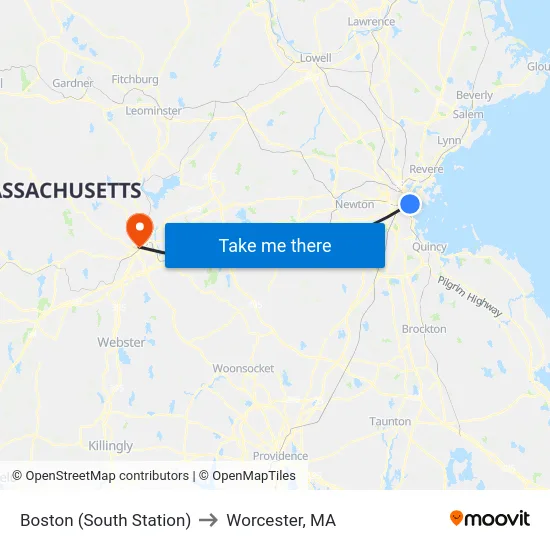
The geographical relationship between Worcester and Boston is a fundamental aspect for anyone looking to explore Massachusetts. Situated approximately 40-50 miles west of Boston, Worcester is a substantial urban center in its own right, boasting a rich history, a thriving arts scene, and a growing reputation as a center for innovation and education. Understanding this distance is the first step in planning a seamless trip, whether you’re a day-tripper looking to experience the best of Boston from a slightly quieter base, or a resident of Worcester heading into the city for work or entertainment.
Driving Distance and Time
The most direct route between Worcester and Boston is primarily via Interstate 90 West (the Massachusetts Turnpike). This highway offers a relatively straightforward drive, though it is important to account for variable traffic conditions.
- Average Driving Distance: Approximately 45 miles.
- Estimated Driving Time: Under ideal traffic conditions, the drive can take as little as 45 minutes to 1 hour. However, during peak commuting hours, especially on weekday mornings and afternoons, this can easily stretch to 1.5 to 2 hours or more. Factors such as weather, road construction, and accidents can also significantly impact travel time.
- Tolls: The Massachusetts Turnpike is a toll road, so be prepared for toll fees. Electronic toll collection systems like E-ZPass are recommended for smoother passage.
Navigating within Boston itself can also add time, particularly if your destination is in the heart of downtown or requires crossing through heavily congested areas. It is often advisable for drivers to utilize real-time GPS navigation apps to monitor traffic and find the most efficient routes.
Public Transportation Options
For travelers seeking alternatives to driving, public transportation offers convenient and often more predictable ways to travel between Worcester and Boston. The most prominent public transit option is the commuter rail.
- MBTA Commuter Rail (Framingham/Worcester Line): The Massachusetts Bay Transportation Authority (MBTA) operates a commuter rail line that directly connects Worcester to Boston’s South Station. This is an excellent option for avoiding traffic, parking hassles, and the stress of city driving.
- Departure/Arrival Points: Trains depart from Worcester’s Union Station and arrive at Boston’s South Station.
- Travel Time: The train journey typically takes approximately 1 hour and 15 minutes to 1 hour and 30 minutes. This time is generally more consistent than driving, making it a reliable choice for planning.
- Frequency: Trains run multiple times a day, with more frequent service during peak commuting hours. It’s advisable to check the MBTA schedule for the most up-to-date departure and arrival times.
- Cost: Fares are typically competitive with driving costs when considering gas, tolls, and parking in Boston.
- Bus Services: While less direct than the commuter rail, intercity bus services also operate between Worcester and Boston. Companies like Greyhound or regional carriers may offer routes. These can sometimes be more budget-friendly but often take longer due to stops and traffic.
Planning Your Trip: Considerations for Travelers
When planning a trip from Worcester to Boston, or vice versa, several factors should be taken into account to ensure a smooth and enjoyable experience. The choice of transportation, the purpose of your visit, and the time of day can all influence your decision.
Commuting and Business Travel
For those who commute regularly between Worcester and Boston for work, the MBTA commuter rail is often the preferred mode of transport. It allows professionals to use their travel time productively, catching up on emails, reading, or simply relaxing before or after a busy day. The predictability of the train schedule is a significant advantage for business travelers who need to be on time for meetings and appointments. For those who must drive, understanding the traffic patterns is crucial. Early morning departures (before 7 AM) and late afternoon returns (after 6 PM) from Boston can help mitigate the worst of rush hour congestion.
Leisure and Tourism

Visitors exploring the numerous attractions in Boston often choose to stay in Worcester due to potentially more affordable accommodation options or to experience a different facet of Massachusetts. The distance of approximately 45 miles is easily manageable for day trips.
- Day Trips to Boston: A day trip to Boston from Worcester is very feasible. Arriving in Boston via commuter rail at South Station places you in a prime location to access many key attractions, including the New England Aquarium, the Freedom Trail, Faneuil Hall Marketplace, and the historic North End.
- Exploring Worcester: Conversely, visitors might travel from Boston to Worcester to explore its own distinct offerings. Worcester is home to the Worcester Art Museum, the Higgins Armory Collection, and a vibrant cultural scene including numerous theaters and live music venues. The city also boasts a growing culinary landscape, with diverse restaurants and breweries.
Educational Travel
Both Worcester and Boston are significant centers for higher education, with numerous universities and colleges. Students, faculty, and prospective attendees often travel between the two cities.
- University Access: For instance, a student at a Boston university might visit family or attend an event in Worcester, and vice-versa. The MBTA commuter rail is particularly useful for students without cars.
- Campus Visits: Prospective students and their families can easily incorporate visits to institutions in both cities within a single trip, utilizing the efficient public transport links.
Navigating Worcester and Boston Upon Arrival
Once you’ve arrived in your destination city, understanding how to navigate locally is essential.
In Boston
If arriving by car, parking in Boston can be expensive and challenging, especially in popular areas like downtown, the Back Bay, or near major attractions. Many visitors opt to park at a commuter rail station outside the city and take the train in, or utilize ride-sharing services. Once in the city, the MBTA subway system (the “T”) is an efficient way to get around. Key lines connect South Station to numerous parts of the city. Walking is also a great option for exploring specific neighborhoods.
In Worcester
If arriving in Worcester via commuter rail, Union Station is a central hub. The city has a bus system, the Worcester Regional Transit Authority (WRTA), which can help you reach various points of interest. For those who drove, parking in Worcester is generally less problematic and more affordable than in Boston. Many of Worcester’s downtown attractions are within walking distance of Union Station.
Beyond the Miles: Experiencing the Cities
While the distance between Worcester and Boston is a practical consideration, it’s also important to recognize the distinct character and appeal of each city.
The Urban Energy of Boston
Boston is a global city, renowned for its historical significance, world-class educational institutions, thriving biotechnology and finance sectors, and a vibrant cultural landscape. From iconic landmarks like the Boston Common and the USS Constitution to its renowned museums such as the Museum of Fine Arts, Boston and the Isabella Stewart Gardner Museum, Boston offers an abundance of experiences for every visitor. Its culinary scene is diverse, from traditional seafood shacks to innovative Michelin-starred restaurants.

The Growing Appeal of Worcester
Worcester, often referred to as the “Heart of the Commonwealth,” possesses a unique identity and a dynamic urban core. Its revitalization efforts have led to new residential developments, innovative businesses, and a flourishing arts and cultural scene. The city is home to a growing number of craft breweries, independent theaters, and diverse ethnic eateries, reflecting its rich multicultural heritage. The proximity of Worcester to Boston makes it an attractive location for those seeking a more accessible and perhaps more affordable urban experience, while still being within easy reach of the capital’s vast opportunities and attractions. Whether you choose to drive, take the train, or explore other options, the journey between these two important Massachusetts cities is a well-trodden path, connecting a wealth of experiences and opportunities.
LifeOutOfTheBox is a participant in the Amazon Services LLC Associates Program, an affiliate advertising program designed to provide a means for sites to earn advertising fees by advertising and linking to Amazon.com. Amazon, the Amazon logo, AmazonSupply, and the AmazonSupply logo are trademarks of Amazon.com, Inc. or its affiliates. As an Amazon Associate we earn affiliate commissions from qualifying purchases.