
The allure of Arizona as a travel destination lies in its dramatic landscapes, rich history, and unique wildlife. Visitors often come seeking the iconic saguaros of the Sonoran Desert, the breathtaking vistas of the Grand Canyon, or the vibrant culture of cities like Phoenix and Tucson. Amidst these well-known attractions, a more elusive resident occasionally captures the curiosity of travelers and locals alike: the armadillo. The question of whether these fascinating, armored creatures inhabit the Grand Canyon State is a common one, and the answer is a resounding yes, though their presence is nuanced and primarily tied to specific environmental conditions.
Understanding Armadillo Distribution in the Southwest
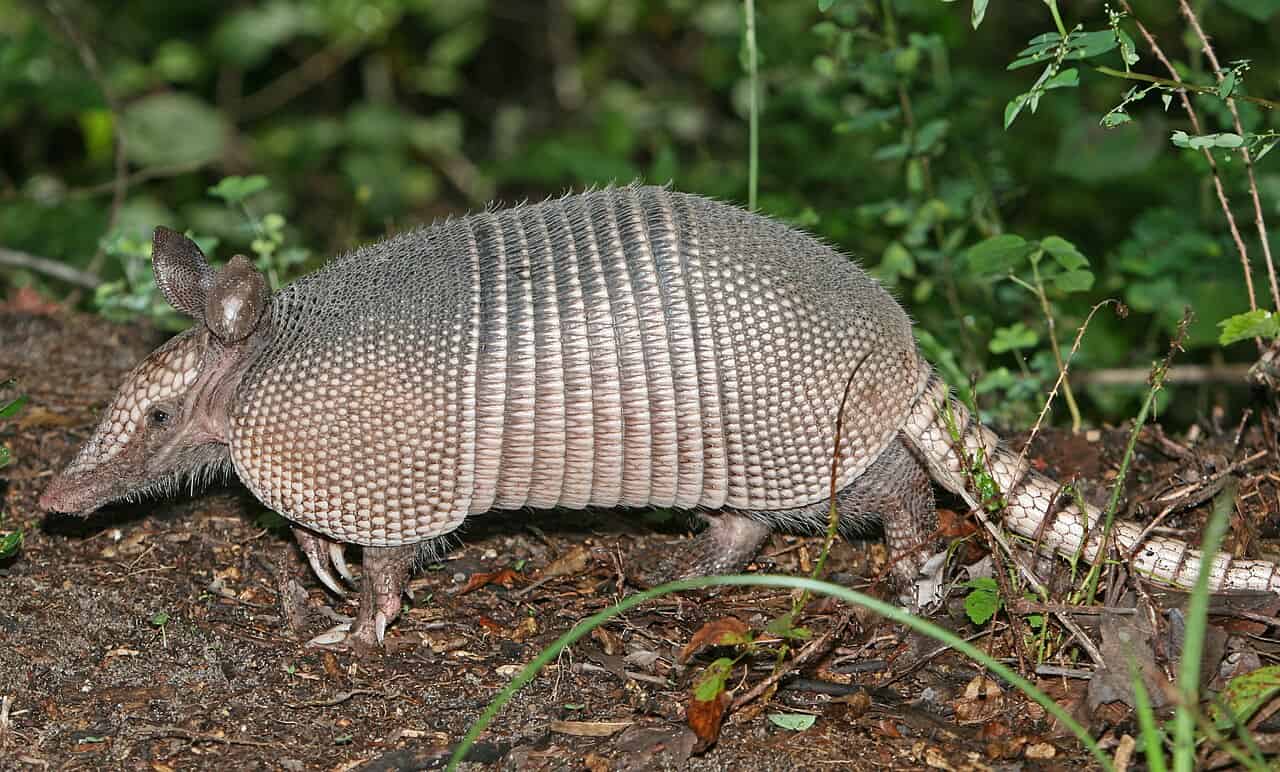
Armadillos are not native to the entirety of the United States. Their historical range is primarily in Central and South America, with the nine-banded armadillo being the species most commonly encountered north of Mexico. This species has been steadily expanding its territory northward and eastward for decades. The driving factors behind this expansion are believed to be a combination of climate change, which provides milder winters, and the availability of food sources and suitable habitats, particularly in areas that have undergone ecological changes.
The Nine-Banded Armadillo’s Journey North
The nine-banded armadillo (Dasypus novemcinctus) is the most widespread and adaptable of the armadillo species. It is the one that has made its way into Arizona. Their journey into the state has been a relatively recent phenomenon, with reliable sightings and established populations becoming more common in the last few decades. Unlike some native wildlife that has always called the region home, the armadillo is a more recent immigrant to the Arizona landscape. This makes their presence a point of interest for both wildlife enthusiasts and casual observers.
Factors Influencing Their Presence in Arizona
The presence of armadillos in Arizona is not uniform across the entire state. Their distribution is heavily influenced by environmental factors.
Habitat Preferences
Armadillos prefer habitats that offer a combination of soft soil for digging, ample insect populations for food, and cover for protection. This often translates to areas with scrub brush, grasslands, riparian zones, and even suburban gardens. They are not typically found in the high-altitude deserts or the arid, rocky regions where digging is difficult and food sources might be scarce.
Water Availability
While armadillos are adapted to arid environments, they do require access to water. This often leads them to areas near rivers, streams, or other water sources, particularly during drier periods. This can make riparian corridors within the desert a prime location for encountering them.
Temperature and Climate
The expansion of the nine-banded armadillo into northern territories has been linked to milder winters. While Arizona experiences hot summers, many of its regions, particularly the southern and central parts, have winters that are not severe enough to be a significant barrier to their survival. Freezing temperatures can be detrimental to armadillos, so areas with consistently cold winters are less likely to support established populations.
Where to Potentially See Armadillos in Arizona
While seeing an armadillo in Arizona is not as guaranteed as spotting a saguaro cactus or a roadrunner, certain regions offer a higher probability of an encounter. It’s important to remember that these are wild animals, and sightings are a matter of luck, timing, and observing their preferred habitats.
Southern Arizona’s Riparian Areas
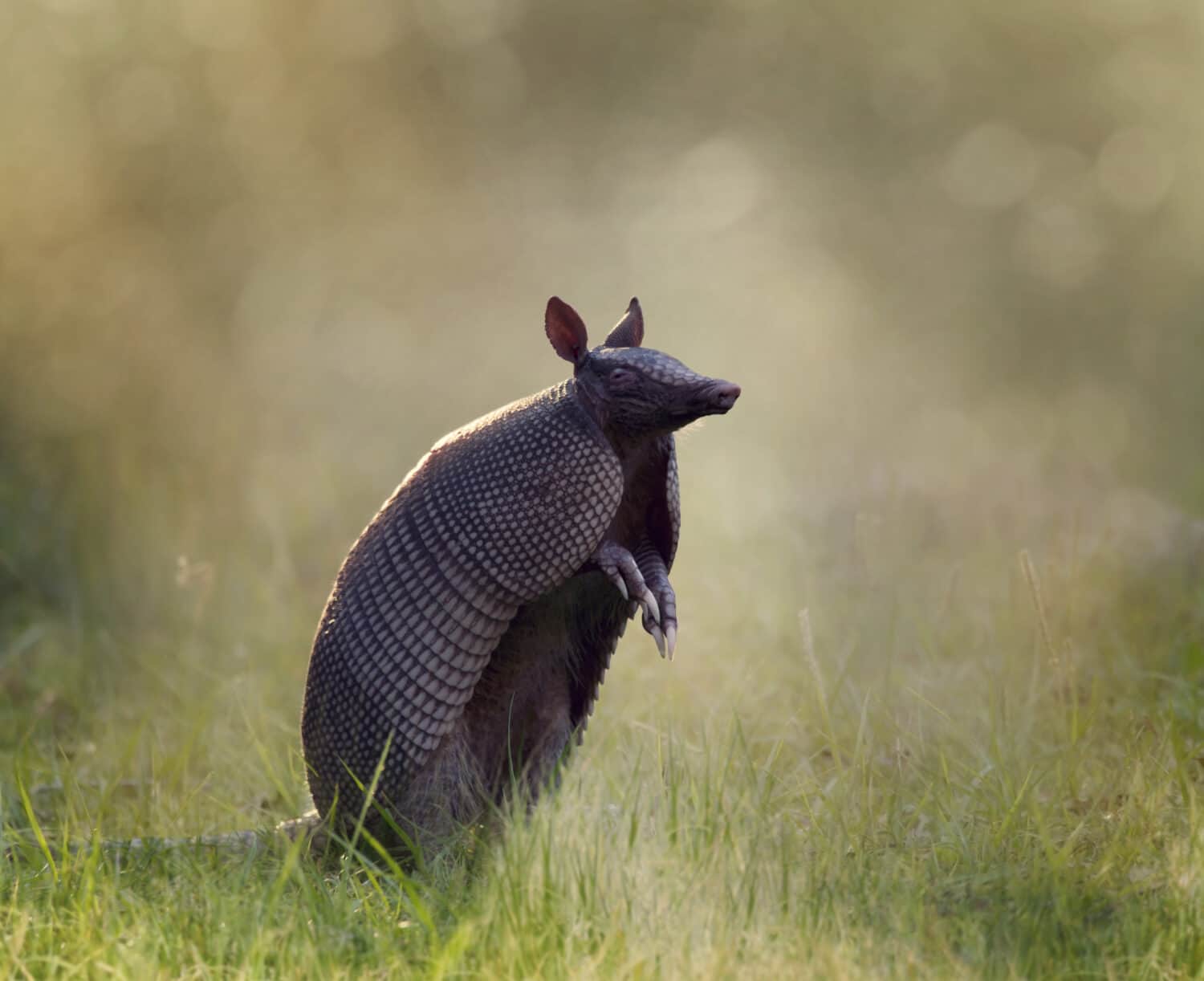
Southern Arizona, particularly the regions bordering Mexico, is considered the stronghold for armadillo populations in the state. Areas with mesquite bosques, cottonwood-willow riparian forests along rivers like the San Pedro River and the Santa Cruz River, and the outskirts of cities like Tucson and Nogales are more likely to host them. These areas provide the necessary soft soil, abundant insect life (especially beetles and grubs), and water sources that armadillos thrive on. Exploring parks and natural reserves in these vicinities, such as Sabino Canyon Recreation Area, might offer opportunities.
Urban and Suburban Habitats
Surprisingly, armadillos have proven to be quite adaptable to human-altered landscapes. They can be found in suburban neighborhoods with well-maintained lawns and gardens, as these provide excellent foraging grounds for insects. Areas on the fringes of cities where natural habitats blend with developed areas are also potential hotspots. This means that while staying at a resort in the Phoenix metropolitan area, one might, with considerable luck, spot an armadillo in a nearby green space or even a large backyard, particularly during dawn or dusk.
Lower Elevation Deserts
While not in the harshest, most arid expanses, armadillos can be found in the lower elevation desert regions of Arizona where there is sufficient cover and food. These are often areas that transition from true desert scrub to more mesquite and grassland environments. Exploring areas like the Sonoran Desert National Monument or the outskirts of Yuma might present a chance, though they are less common here than in the riparian zones.
Observing Armadillos Responsibly
For travelers interested in encountering Arizona’s wildlife, including the armadillo, responsible observation is key. These creatures are shy and nocturnal, meaning they are most active during the night and at dawn and dusk. This can make them difficult to spot, but also means they are less likely to be bothered by daytime human activity.
Best Times and Conditions for Sightings
- Dawn and Dusk: The crepuscular hours are prime time for armadillo activity. If you’re an early riser or enjoy a late-evening stroll, you might have a chance.
- After Rainfall: Rain softens the soil, making it easier for armadillos to dig for their insect prey. Following a rain shower, especially in areas with suitable habitat, can increase your odds.
- Quiet Areas: They are easily startled. Avoiding noisy areas and moving quietly through potential habitats is crucial.
Tips for Responsible Wildlife Viewing
- Maintain a Safe Distance: Never approach or attempt to touch a wild armadillo. They are not aggressive but can be unpredictable when threatened. Use binoculars or a camera with a zoom lens to observe them from afar.
- Do Not Feed Wildlife: Feeding wild animals can disrupt their natural diet and behavior, making them dependent on humans and potentially leading to health problems or increased conflict.
- Respect Their Habitat: Stick to designated trails when exploring natural areas to avoid disturbing vegetation and the burrows where armadillos may reside.
- Be Aware of Traffic: Armadillos are sometimes seen crossing roads, especially at night. Drive cautiously, particularly in rural or semi-rural areas known to have armadillo populations.
The Armadillo’s Role in the Ecosystem
The presence of armadillos in Arizona, while relatively new, plays a role in the local ecosystem. As insectivores, they are natural pest controllers, consuming large quantities of beetles, grubs, ants, and other invertebrates. Their digging activities can also help aerate the soil, though their burrows can sometimes be a nuisance in agricultural areas or residential yards.
Dietary Habits and Impact
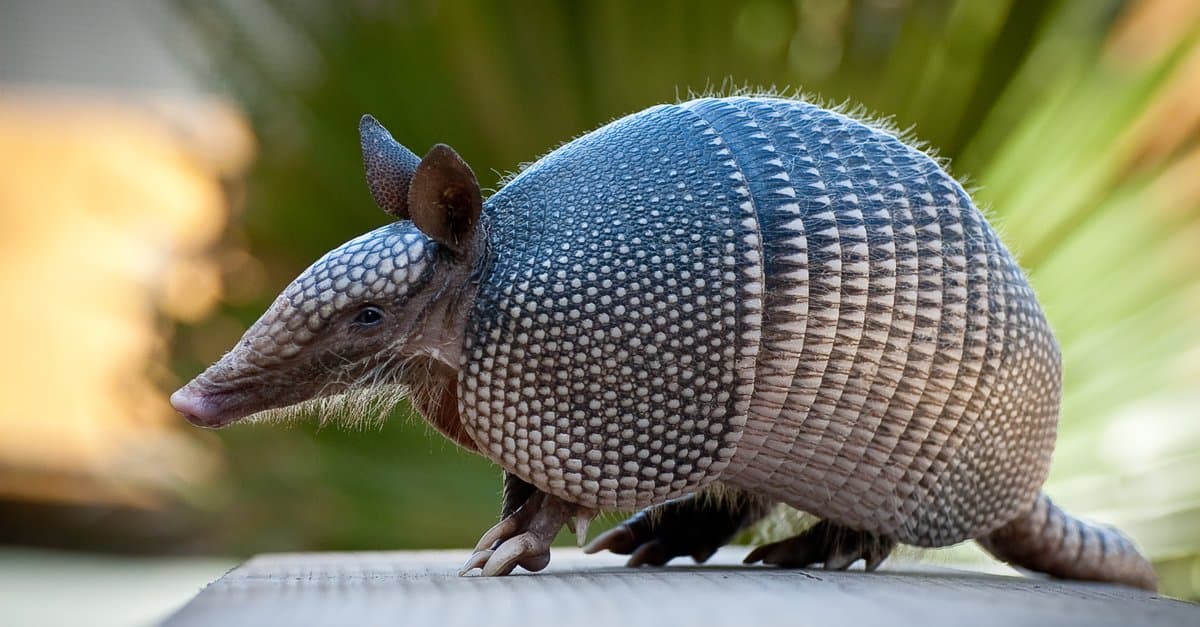
Armadillos are primarily insectivores, with their diet consisting of about 90% insects. They use their keen sense of smell to locate prey beneath the soil surface and then dig rapidly with their powerful claws. This foraging behavior can have a significant impact on insect populations within their range.
Interaction with Other Wildlife
While armadillos are generally solitary and avoid conflict, they do share their habitat with other native Arizona wildlife. They are prey for predators such as coyotes, bobcats, and large birds of prey. Their burrows can also provide shelter for other small animals.
The journey of the armadillo into Arizona is a testament to the adaptability of nature and the ongoing changes in our environment. For travelers seeking a unique wildlife encounter beyond the well-trodden paths, keeping an eye out for this peculiar, armored mammal can add an unexpected layer of discovery to their visit to the Grand Canyon State. Whether exploring the Chiricahua National Monument or simply enjoying the desert scenery near Sedona, the possibility of spotting an armadillo is a delightful reminder of the dynamic and surprising nature of Arizona’s wild inhabitants.
LifeOutOfTheBox is a participant in the Amazon Services LLC Associates Program, an affiliate advertising program designed to provide a means for sites to earn advertising fees by advertising and linking to Amazon.com. Amazon, the Amazon logo, AmazonSupply, and the AmazonSupply logo are trademarks of Amazon.com, Inc. or its affiliates. As an Amazon Associate we earn affiliate commissions from qualifying purchases.