
Planning a transatlantic journey from the historic streets of Boston to the sun-drenched piazzas of Italy involves more than just booking a ticket; it requires an understanding of the flight duration. The answer to “How long is a flight from Boston to Italy?” is not a single number but a range that depends on several critical factors, including the specific destination city in Italy, the type of flight, and the ever-present influence of wind patterns and air traffic control. While non-stop flights offer the most direct route, layovers can significantly extend your travel time, turning a seemingly straightforward hop into a more extensive expedition.
Direct Flight Durations: The Fastest Path to Italian Charm
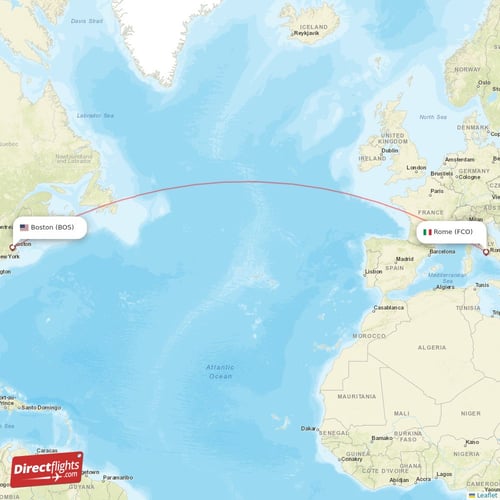
For travelers prioritizing efficiency, non-stop flights are the most desirable option. These journeys bypass the need to change planes, minimizing transit time and the potential for missed connections. The flight duration from Boston Logan International Airport (BOS) to major Italian hubs like Rome Fiumicino Airport (FCO) or Milan Malpensa Airport (MXP) typically falls within a specific timeframe.
Factors Influencing Direct Flight Length
The primary determinant of direct flight duration is the great-circle distance between the two cities. This is the shortest distance between two points on the surface of a sphere. However, actual flight paths are influenced by a multitude of real-world considerations:
- Jet Streams: These high-altitude, fast-flowing air currents can either expedite or impede an aircraft’s progress. Flying eastward from Boston to Italy, flights often benefit from tailwinds generated by the jet stream, potentially shortening the flight time. Conversely, headwinds can increase it.
- Air Traffic Control (ATC): Congested airspace, particularly around major international airports, can necessitate slower speeds or holding patterns, adding to the overall flight duration.
- Aircraft Type and Speed: Different aircraft models have varying cruising speeds. While most long-haul commercial jets operate within a similar speed range, marginal differences can contribute to slight variations in flight time.
- Weather Conditions: Severe weather systems, such as thunderstorms, can force aircraft to take detours, increasing the distance flown and thus the flight time.
Typical Direct Flight Times
On average, a non-stop flight from Boston to Rome (the most common arrival point for US travelers) clocks in at approximately 7 to 8 hours. Flights to Milan may be slightly shorter, often landing in the 6.5 to 7.5 hour range, owing to their more northerly and thus slightly closer position relative to Boston. These estimates represent the time spent airborne from takeoff to landing. It’s crucial to remember that the total travel time will always be longer when factoring in airport procedures like check-in, security, boarding, and deplaning.
Connecting Flights: Navigating the Extended Journey
While direct flights offer convenience, they are not always available or the most economical option. Connecting flights, which involve a layover in a third city, are a prevalent alternative for travel between Boston and Italy. These flights can significantly increase the overall travel time, transforming a single-day journey into a multi-day adventure.
Common Layover Hubs
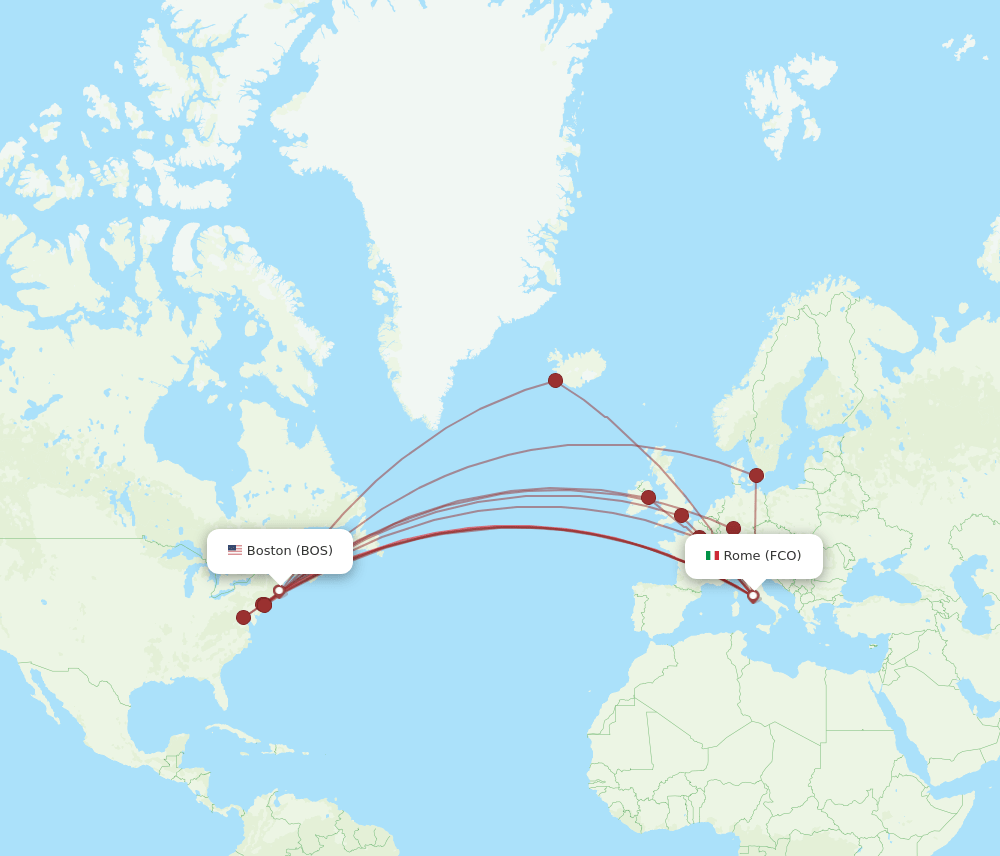
Transatlantic flights from the US East Coast to Europe often utilize major airline hubs as connection points. For travel from Boston to Italy, typical layover cities include:
- East Coast US Hubs: While less common for direct transatlantic legs, some itineraries might involve a connection in another US city like New York (JFK or EWR) or Philadelphia (PHL) before the longer flight to Europe.
- European Hubs: More frequently, the layover will be in a major European city. Common connection points for flights to Italy include:
- London (LHR or LGW)
- Amsterdam (AMS)
- Paris (CDG)
- Dublin (DUB)
- Iceland (KEF) – a popular choice for many transatlantic routes due to its strategic location.

The Impact of Layovers on Total Travel Time
The duration of a connecting flight is a composite of three distinct periods:
- Flight to the Layover City: This initial flight segment will vary depending on the layover hub. For example, a flight from Boston to Dublin will be shorter than a flight from Boston to London.
- Layover Duration: This is the time spent in the connecting airport. Layovers can range from a brief 60-minute window, designed for quick transitions, to several hours or even an overnight stop. The choice of layover duration is often dictated by the airline’s scheduling and the passenger’s preference for a rushed connection versus a more relaxed transit.
- Flight from the Layover City to the Italian Destination: This segment bridges the gap between the connecting hub and the final Italian city.
Calculating Total Travel Time with Connections
To estimate the total travel time for a connecting flight, one must sum these three components. A typical connecting flight itinerary from Boston to Rome might look like this:
- Flight 1: Boston (BOS) to Amsterdam (AMS) – approximately 6.5 hours.
- Layover: Amsterdam (AMS) – 3 hours.
- Flight 2: Amsterdam (AMS) to Rome (FCO) – approximately 2 hours.
In this scenario, the total travel time from departure from Boston to arrival in Rome would be around 11.5 hours. However, this can easily extend to 15-20 hours or more, especially if the layover is longer, requires changing terminals, or if there are delays in either flight segment. It’s also important to consider the time difference between Boston and Italy, which is typically 6 hours ahead of Eastern Standard Time, meaning a flight departing Boston in the evening could arrive in Italy mid-morning the following day.
Choosing Your Italian Arrival City: Proximity Matters
Italy is a country rich in diverse landscapes and historical treasures, from the canals of Venice to the ancient ruins of Rome and the rolling hills of Tuscany. The specific city you choose to fly into will inherently influence the flight duration.
Major Italian Airports and Their Flight Times from Boston
- Rome Fiumicino Airport (FCO): As Italy’s largest and busiest airport, FCO is a primary gateway for international travelers. Flights from Boston to Rome are among the most frequent and direct.
- Milan Malpensa Airport (MXP): Located in the north, MXP serves Milan, a global capital of fashion and finance. Flights to Milan are generally slightly shorter than those to Rome.
- Venice Marco Polo Airport (VCE): This picturesque city is a popular destination, and flights from Boston to Venice typically involve connections, though direct options may exist seasonally. The flight duration, including a layover, will be similar to other connecting flights to Italy.
- Florence Airport, Peretola (FLR): For those heading directly to Tuscany, Florence is a convenient choice. Flights to FLR almost always require at least one connection.
- Naples International Airport (NAP): Serving the vibrant southern region, including the Amalfi Coast and Pompeii, flights to Naples also typically involve layovers.
Navigating Longer Stays and Shorter Stays
For travelers aiming to experience multiple regions of Italy, understanding flight times to different arrival cities can help optimize their itinerary. For instance, if your primary interest lies in the northern regions, flying into Milan might shave off some travel time. Conversely, if your heart is set on exploring the historical heart of Italy, Rome remains the most logical entry point.
When booking, always check the specific arrival airport for your chosen Italian city. This will give you a clearer picture of the flight duration and the potential for direct versus connecting services, allowing you to make an informed decision that best suits your travel plans and desired pace. Whether you opt for the speed of a non-stop journey or the adventure of a connecting flight, the allure of Italy awaits.
LifeOutOfTheBox is a participant in the Amazon Services LLC Associates Program, an affiliate advertising program designed to provide a means for sites to earn advertising fees by advertising and linking to Amazon.com. Amazon, the Amazon logo, AmazonSupply, and the AmazonSupply logo are trademarks of Amazon.com, Inc. or its affiliates. As an Amazon Associate we earn affiliate commissions from qualifying purchases.