
California, a state renowned for its diverse landscapes, iconic cities, and an abundance of outdoor activities, attracts millions of tourists annually. From the sun-drenched beaches of Southern California to the majestic forests of the north, the Golden State offers an unparalleled array of experiences. However, a common question that often surfaces for prospective visitors revolves around the presence of mosquitoes and their potential impact on a planned trip. The short answer is unequivocally yes, mosquitoes do exist in California. Understanding their distribution, seasonal activity, and the most effective preventive measures is crucial for any traveler aiming to enjoy their visit without unnecessary nuisances or health concerns.

Understanding California’s Mosquito Landscape
The perception that California might be immune to mosquitoes, perhaps due to its often-dry climate, is a misconception. The state’s vast geographical and climatic diversity creates numerous habitats conducive to various mosquito species. Knowing where and when to expect them can significantly enhance a tourist’s preparedness.
Geographic Distribution and Species
Mosquitoes are not uniformly distributed across California. Their presence is highly dependent on access to standing water for breeding and suitable temperatures.
- Coastal Areas: While ocean breezes might offer some respite, standing water in residential areas, irrigated parks, and marshy coastal wetlands can host mosquito populations. Cities like Los Angeles, San Diego, and the San Francisco Bay Area are not immune, especially in neighborhoods with lush landscaping or proximity to natural water bodies.
- Central Valley: This agricultural heartland, characterized by extensive irrigation systems, rivers, and canals, is one of California’s’s most active mosquito regions. The combination of warm temperatures and abundant water sources creates ideal breeding grounds, particularly in areas around Sacramento and Fresno.
- Mountain Regions: Even higher elevations, such as those found around Lake Tahoe or within Yosemite National Park, can experience significant mosquito activity, especially during the spring and early summer when snowmelt creates temporary pools and marshy areas. Backpackers and campers should be particularly vigilant.
- Deserts: While seemingly inhospitable, oasis areas, man-made water features, and ephemeral pools after rare rain events in regions like the Mojave Desert or Death Valley can surprisingly harbor mosquitoes, though typically in smaller, more localized populations.
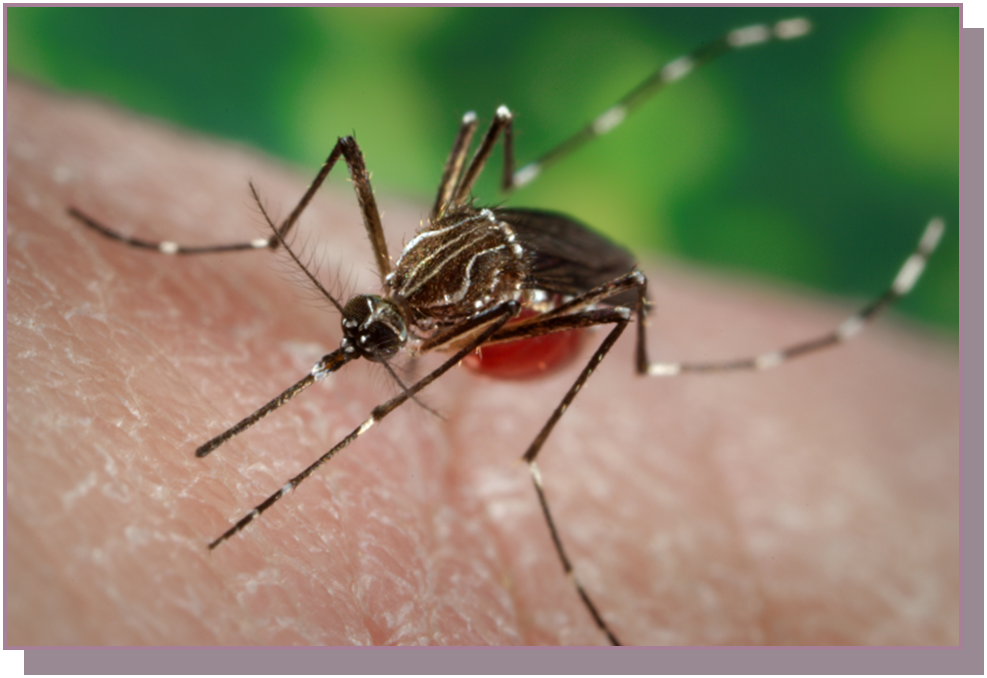
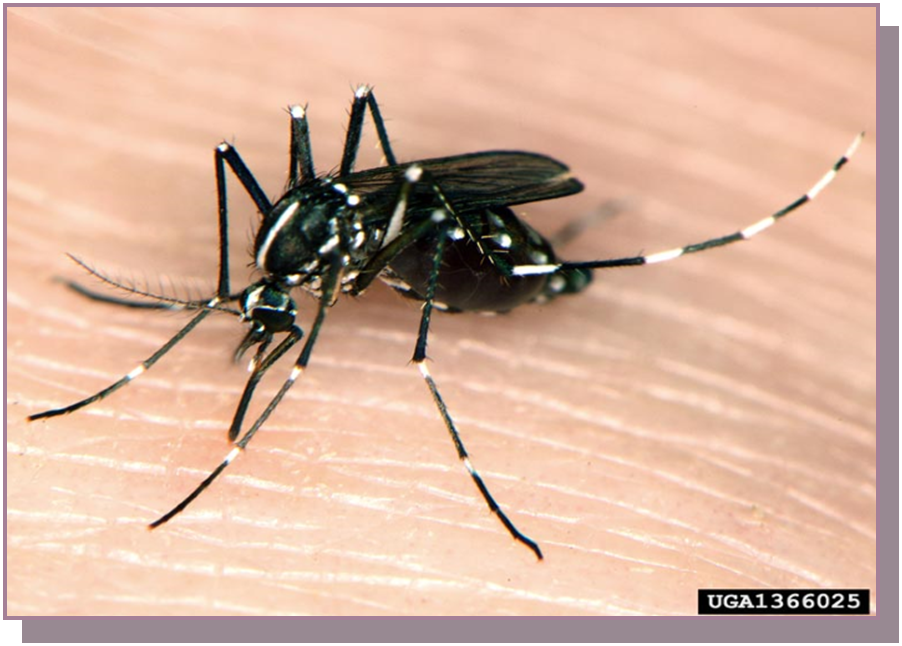
California is home to over 50 species of mosquitoes, but a few are particularly relevant to human health and comfort. Culex species are common carriers of West Nile Virus (WNV) and are prevalent in warmer, inland areas. Aedes species, including the invasive Aedes aegypti and Aedes albopictus, known as “ankle biters,” are aggressive daytime biters and can transmit diseases like Dengue, Chikungunya, and Zika (though local transmission of these exotic diseases in California is rare). These Aedes mosquitoes can breed in very small containers of water, making them common even in urban environments.
Seasonal Activity
The timing of mosquito activity in California is largely dictated by temperature and rainfall.
- Spring (March-May): As temperatures rise and snowmelt or spring rains create new water sources, mosquito activity begins to pick up. This is particularly noticeable in mountain regions and the Central Valley.
- Summer (June-August): This is peak mosquito season across much of the state. Warm temperatures accelerate their life cycle, and sustained irrigation or warmer coastal conditions provide ample breeding grounds. Evening outdoor activities are most susceptible to mosquito encounters.
- Fall (September-November): Activity gradually declines as temperatures cool, but mosquitoes can persist well into the fall, especially in warmer areas. In years with an “Indian summer” or late rains, their season may extend.
- Winter (December-February): Mosquito activity is generally lowest during the colder months, though some species can overwinter as eggs or adults, and in exceptionally mild winters, localized activity might still occur in sheltered, warm spots.
Impact on Tourist Activities and Experiences
The presence of mosquitoes, especially in high numbers, can undoubtedly affect a tourist’s enjoyment of California’s many attractions and outdoor pursuits. Understanding this impact allows for better planning and mitigation strategies.
Outdoor Recreation
California is a mecca for outdoor enthusiasts. Mosquitoes can be a significant deterrent in many popular activities.
- Hiking and Backpacking: Trails in national parks like Yosemite, Sequoia, and Kings Canyon, especially near water features or after snowmelt, can have dense mosquito populations. This can make a scenic hike or an overnight camping trip far less enjoyable without proper protection.
- Lakes and Rivers: Activities such as fishing, kayaking, paddleboarding, or simply relaxing by bodies of water are prime opportunities for mosquito encounters, particularly at dawn and dusk. Destinations like Lake Tahoe, the Russian River, or the delta regions are known for their aquatic ecosystems, which also include mosquitoes.
- Beaches and Coastal Parks: While strong sea breezes often keep mosquitoes at bay directly on the sand, nearby dunes, marsh areas, or backwater lagoons along the Pacific Coast Highway can be breeding grounds. Picnics or sunset strolls in coastal parks might be interrupted.
- Amusement Parks and Theme Parks: Even in highly managed environments like Disneyland or Universal Studios Hollywood, localized mosquito activity can occur, particularly in areas with water features or dense landscaping. While these parks generally have robust pest control programs, it’s still wise to be prepared.
Urban and Cultural Experiences
It’s not just the wilderness where mosquitoes reside. Urban environments in California also present breeding opportunities.
- Outdoor Dining and Patios: Many of California’s vibrant culinary scenes thrive on outdoor dining. Patios, rooftop bars, and garden restaurants, especially in cities like San Francisco or Santa Monica, can experience mosquito activity during warmer evenings.
- Concerts and Festivals: California hosts numerous outdoor music festivals and concerts throughout the year. Attendees, especially in grassy or semi-rural venues, should be mindful of mosquitoes.
- Museums and Gardens: While indoor museum visits are safe, sculpture gardens, botanical gardens, and outdoor exhibits often feature ponds or lush vegetation that can attract mosquitoes. For instance, a stroll through the Huntington Library, Art Museum, and Botanical Gardens near Los Angeles might require precautions.
Essential Tips for a Mosquito-Free California Visit
Preparation is key to minimizing the impact of mosquitoes on your California vacation. By incorporating a few simple strategies, tourists can significantly reduce their risk of bites and discomfort.
Personal Protection Strategies
- Use EPA-Registered Insect Repellent: The most effective defense. Look for repellents containing DEET, Picaridin, Oil of Lemon Eucalyptus (OLE), or IR3535. Always follow product instructions carefully. For children, consult a pediatrician.
- Wear Appropriate Clothing: When spending time outdoors, especially during peak mosquito hours (dawn and dusk), wear long-sleeved shirts, long pants, and socks. Light-colored clothing is often recommended as it may be less attractive to mosquitoes, and it also helps in spotting them.
- Consider Permethrin-Treated Gear: For backpackers, campers, or those planning extended outdoor stays, treating clothing and gear (tents, sleeping bags) with permethrin can provide an extra layer of protection. Do not apply permethrin directly to skin.
- Avoid Peak Hours: If possible, limit outdoor activities during dawn and dusk, which are prime feeding times for many mosquito species.
- Be Mindful of Standing Water: While travelers can’t control public spaces, be aware of small containers of standing water around your accommodation or immediate surroundings, as these are potential breeding sites for Aedes mosquitoes.
Accommodation Considerations
When booking your stay, especially during peak season or in known mosquito-prone areas, consider these aspects:
- Screened Windows and Doors: Ensure your hotel room, vacation rental, or cabin has intact screens on all windows and doors to keep mosquitoes out.
- Air Conditioning: Rooms with air conditioning allow you to keep windows closed, providing a barrier against insects.
- Outdoor Spaces: If your accommodation includes a patio or balcony, inquire if the property employs any mosquito control measures for these areas, or plan to use personal repellent if you wish to utilize them in the evenings.
Planning Your Itinerary
A little foresight can go a long way in ensuring a smoother trip.
- Research Your Destination: Before heading out, especially to natural areas, do a quick check on current mosquito conditions or local vector control advisories for that specific region.
- Flexibility with Outdoor Plans: If a particular evening or location seems unusually buggy, consider shifting your plans to indoor activities or a different spot where conditions might be better.
- Pack Smart: Always include insect repellent and appropriate clothing in your packing list, even if you don’t anticipate needing them every day. It’s better to have them and not need them than the other way around.
California’s Public Health Efforts and What Tourists Should Know
California takes mosquito control and public health seriously. Various agencies work tirelessly to monitor and manage mosquito populations and prevent disease transmission.
Vector Control Districts
Across the state, local Vector Control Districts are responsible for surveillance, public education, and implementing integrated pest management programs. These districts monitor mosquito populations, test for viruses like West Nile Virus, and conduct control activities such as targeted larviciding and adulticiding when necessary. Tourists can often find valuable information, including weekly surveillance reports and prevention tips, on the websites of these local districts. For instance, the Orange County Mosquito and Vector Control District or the Sacramento-Yolo Mosquito and Vector Control District provide localized insights.
Disease Prevention
While the risk of contracting mosquito-borne diseases in California is generally low for most travelers, it’s not non-existent. West Nile Virus is endemic, meaning it circulates within the state’s mosquito and bird populations annually. Cases in humans vary each year, but the vast majority are asymptomatic. More severe neurological cases are rare but possible.
The presence of Aedes mosquitoes, capable of transmitting Dengue, Chikungunya, and Zika, means that public health officials remain vigilant. While local transmission of these exotic viruses is rare, travelers who have visited areas where these diseases are common should be aware of symptoms and consult a doctor if they feel unwell upon returning to California, especially if they develop a fever and rash.
By understanding these dynamics and implementing simple preventive measures, tourists can confidently explore all the beauty and excitement California has to offer, focusing on creating unforgettable memories rather than swatting away unwelcome guests. The Golden State remains an incredible travel destination, and with a little preparation, mosquitoes don’t have to put a damper on your adventure.
LifeOutOfTheBox is a participant in the Amazon Services LLC Associates Program, an affiliate advertising program designed to provide a means for sites to earn advertising fees by advertising and linking to Amazon.com. Amazon, the Amazon logo, AmazonSupply, and the AmazonSupply logo are trademarks of Amazon.com, Inc. or its affiliates. As an Amazon Associate we earn affiliate commissions from qualifying purchases.