
Navigating the vast expanse of the United States, a journey from the historic East Coast to the glittering entertainment capital of the West is a popular choice for many travelers. The question of flight duration between Boston and Las Vegas is a fundamental one for anyone planning this transcontinental adventure. Understanding the variables that influence this timeframe is key to efficient travel planning, whether you’re seeking the vibrant nightlife of the Las Vegas Strip or the historic charm of Boston. This comprehensive guide will delve into the typical flight times, the factors that contribute to them, and how to make the most of your travel experience.
Understanding Direct vs. Connecting Flights
The most significant determinant of flight duration is whether you opt for a direct flight or one with layovers. Direct flights offer the most streamlined experience, minimizing travel time and the potential for missed connections.
Direct Flights: The Swiftest Route
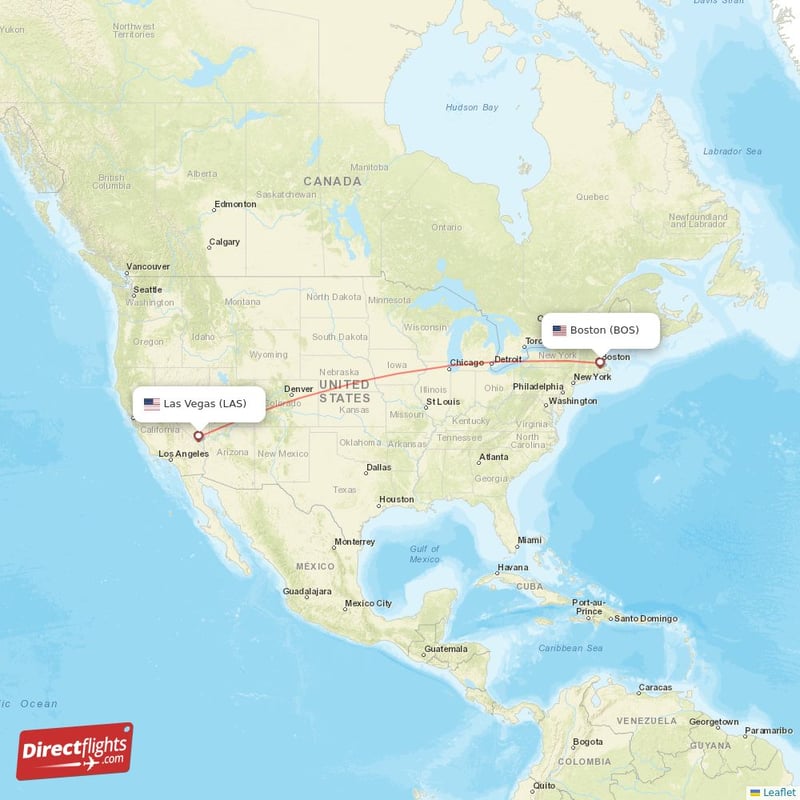
When seeking the shortest travel time, direct flights are undoubtedly the superior option. These flights depart from Boston Logan International Airport (BOS) and arrive directly at McCarran International Airport (LAS) in Las Vegas.
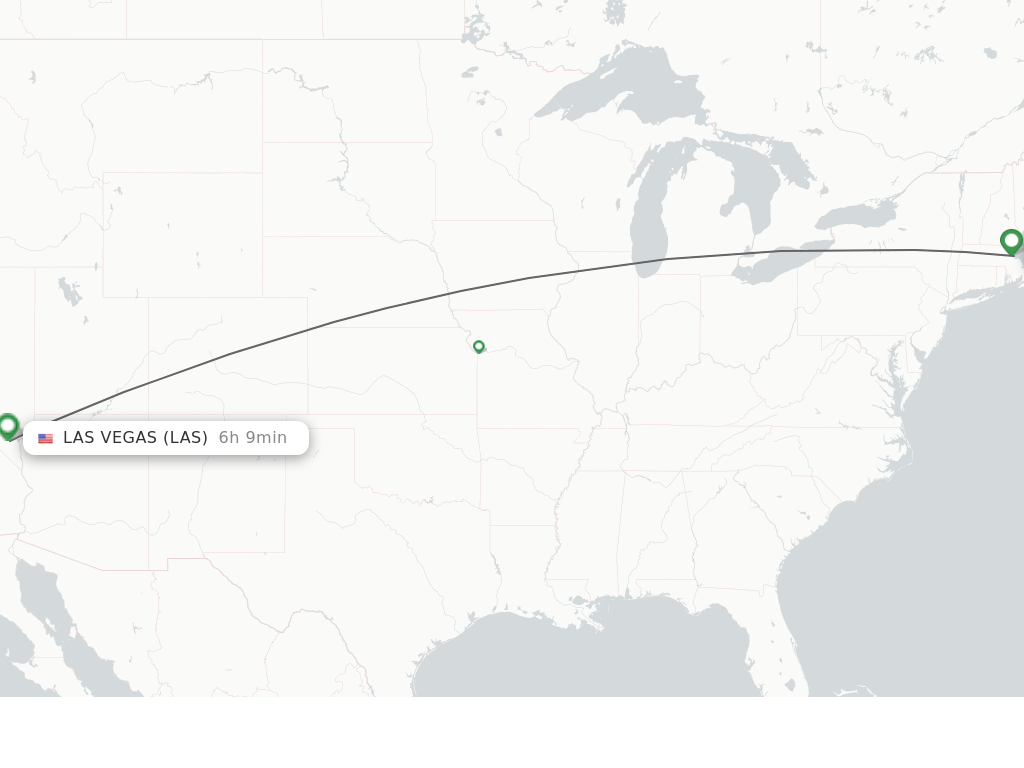
- Average Duration: A non-stop flight from Boston to Las Vegas typically ranges from 5 hours and 30 minutes to 6 hours and 30 minutes. This duration can fluctuate slightly based on factors such as aircraft type, prevailing winds, and air traffic control.
- Airlines Offering Direct Flights: Several major airlines frequently operate direct routes between these two major cities, including JetBlue Airways, American Airlines, Delta Air Lines, and United Airlines. It is always advisable to check with individual airlines for their current flight schedules and offerings.
- Time Zone Considerations: It’s crucial to remember that Las Vegas is in the Pacific Time Zone, which is three hours behind the Eastern Time Zone observed in Boston. This means that while the flight may take approximately 6 hours, you will “gain” 3 hours upon arrival, making the actual clock time difference significant. For instance, a 10:00 AM departure from Boston would arrive in Las Vegas around 1:00 PM Pacific Time, despite the 6-hour flight.
Connecting Flights: Balancing Cost and Time
Connecting flights, while often cheaper, invariably add to the total travel time. These itineraries involve at least one stopover at an intermediate airport.
- Impact of Layover: The duration of a connecting flight is highly variable and depends primarily on the length of the layover. A short layover of 1-2 hours might add only an hour or two to the total journey, whereas longer layovers, especially those exceeding 3-4 hours or requiring overnight stays, can extend the travel time considerably, sometimes to over 10-12 hours.
- Common Layover Hubs: Flights from Boston to Las Vegas with connections often stop in cities like Chicago, Denver, Dallas/Fort Worth, or Atlanta. The choice of layover city can influence the overall travel experience, from the size and amenities of the airport to the likelihood of weather-related delays.
- Strategic Planning for Connecting Flights: If you choose a connecting flight, carefully review the layover duration. A very short layover increases the risk of missing your connection due to delays on the first leg. Conversely, an excessively long layover can lead to fatigue and wasted time. Some travelers strategically choose longer layovers to explore a new city briefly, though this requires careful timing and consideration of airport logistics.
Factors Influencing Flight Duration
Beyond the direct vs. connecting distinction, several other factors can subtly influence how long your flight from Boston to Las Vegas takes.
Jet Streams and Wind Conditions
The Earth’s atmosphere is characterized by powerful, high-altitude winds known as jet streams. These currents can significantly affect flight times.
- Tailwinds: Flying eastward to westward, as in the case of Boston to Las Vegas, you are typically flying against prevailing west-to-east jet streams. However, specific weather patterns can sometimes create favorable tailwinds, pushing the aircraft along and reducing flight time.
- Headwinds: Conversely, strong headwinds can increase flight duration as the aircraft battles against the opposing air currents. Pilots and air traffic control constantly monitor wind conditions to optimize flight paths and minimize travel time. The impact of wind is generally more pronounced at higher altitudes.
Aircraft Type and Speed
The specific model of aircraft used for the flight can also play a role. Modern commercial jets are designed for efficiency and speed, but variations exist.
- Fleet Variations: Airlines utilize a range of aircraft types, from wide-body jets on longer routes to narrower-body planes on shorter or less in-demand legs. While the cruising speed differences between most modern commercial airliners are not dramatic, they can contribute to minor variations in flight duration over such a long distance. For example, a faster aircraft might shave a few minutes off the total travel time.
Air Traffic Control and Flight Path Optimization
Air traffic control (ATC) plays a critical role in managing the skies, ensuring safety and efficiency.
- Congestion and Delays: During peak travel times, busy air corridors and major airports like those serving Boston and Las Vegas can experience air traffic congestion. ATC may direct aircraft to hold patterns or take slightly longer routes to maintain safe separation, which can add to flight time.
- Direct Routing: Conversely, when conditions permit, ATC can authorize more direct flight paths, known as “shortcuts,” which can reduce the time spent in the air. This optimization is a continuous process managed by air traffic controllers across different regions.
Weather Conditions
While jet streams are a constant factor, localized weather phenomena can also impact flight schedules and durations.
- Departure and Arrival Airports: Adverse weather at either Boston Logan International Airport or McCarran International Airport, such as thunderstorms, heavy snow (less likely for Las Vegas during peak season but possible for Boston), or fog, can lead to ground delays before departure or holding patterns before landing.
- Turbulence: While not directly affecting flight duration in the same way as headwinds, encountering significant turbulence can sometimes lead pilots to seek out smoother air at different altitudes, which might involve slight deviations from the most direct flight path.
Planning Your Trip: Tips for a Smooth Journey
Understanding flight durations is only part of the travel puzzle. Effective planning can ensure your journey from Boston to Las Vegas is as smooth and enjoyable as possible.
Booking Strategies
The way you book your flight can significantly impact both cost and travel time.
- Compare Airlines and Routes: Utilize flight comparison websites to explore all available options, paying close attention to both direct and connecting flights. Filter by departure and arrival times to find options that best suit your schedule.
- Flexibility with Dates and Times: If your travel dates are flexible, consider flying mid-week or during off-peak hours, as these times often have fewer crowds and potentially lower fares. This flexibility can also lead to better direct flight availability.
- Consider the “Cost of Time”: While a connecting flight might be cheaper, evaluate if the savings are worth the additional hours spent traveling, especially if your time in Las Vegas is limited.
Preparing for Your Flight
Once you’ve booked your flight, there are several steps you can take to ensure a comfortable journey.
- Airport Arrival: For domestic flights, it is generally recommended to arrive at Boston Logan International Airport at least two hours before your scheduled departure. This allows ample time for check-in, bag drop, and security screening, especially during busy periods.
- In-Flight Comfort: Pack essentials for a comfortable flight, including a neck pillow, headphones, a book or downloaded entertainment, and snacks. Staying hydrated is also crucial, so bring an empty reusable water bottle to fill after passing through security.
- Navigating Time Zones: Be mindful of the three-hour time difference when planning your arrival activities in Las Vegas. Adjusting your watch or phone upon boarding can help you acclimate more quickly.
Maximizing Your Time in Las Vegas
The flight duration is a means to an end – enjoying your time in Las Vegas.
- Transportation from the Airport: Upon arrival at McCarran International Airport, consider your transportation options to your hotel or resort. Taxis, ride-sharing services, shuttles, and rental cars are readily available. The journey to the Strip typically takes about 15-20 minutes.
- Itinerary Planning: With a clear understanding of your flight duration, you can better plan your first day’s activities. Whether you’re eager to hit the casinos, catch a show, or explore the unique dining scene, factoring in travel time ensures you can maximize your enjoyment from the moment you land.
Conclusion: Bridging the Coast with Efficiency
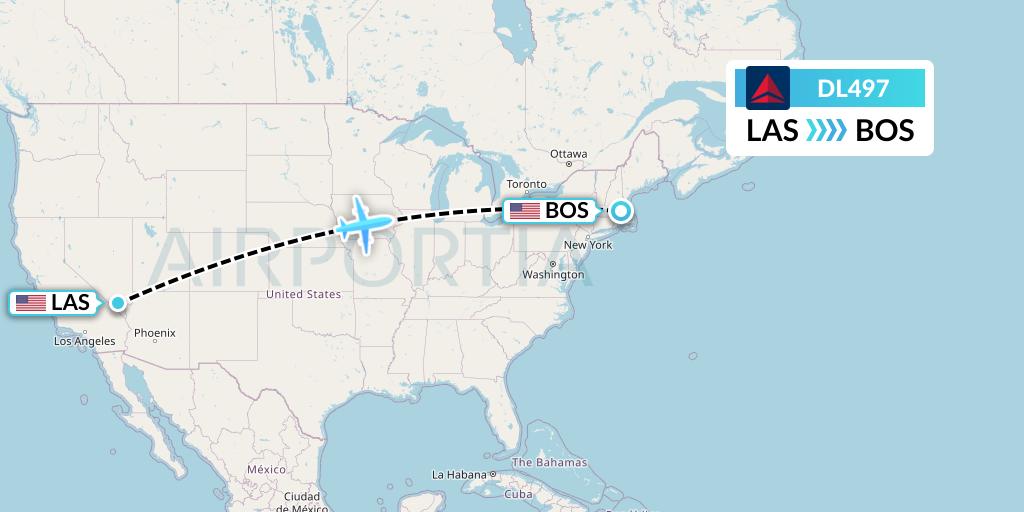
The flight from Boston to Las Vegas is a significant journey across the North American continent. While direct flights typically span between 5.5 to 6.5 hours, the inclusion of layovers can extend this considerably. By understanding the influencing factors such as wind patterns, aircraft type, and air traffic control, and by employing strategic booking and preparation, travelers can optimize their journey. This allows for a more efficient and enjoyable transition from the historic streets of Boston to the dazzling lights and unparalleled entertainment of Las Vegas, ensuring that your travel time contributes positively to your overall vacation experience.
LifeOutOfTheBox is a participant in the Amazon Services LLC Associates Program, an affiliate advertising program designed to provide a means for sites to earn advertising fees by advertising and linking to Amazon.com. Amazon, the Amazon logo, AmazonSupply, and the AmazonSupply logo are trademarks of Amazon.com, Inc. or its affiliates. As an Amazon Associate we earn affiliate commissions from qualifying purchases.