
Planning a transatlantic journey from the historic shores of Boston to the sun-drenched landscapes of Italy is an exciting prospect. The question of flight duration is a crucial one for any traveler, impacting everything from packing to the anticipation of arrival. While a direct answer might seem straightforward, the reality is a nuanced interplay of factors. Understanding these variables will empower you to better plan your Italian adventure, from the moment you depart Logan International Airport to your first breathtaking glimpse of the Colosseum or the shimmering canals of Venice.
Direct Flights: The Swift Path to La Dolce Vita
For many, the ideal scenario is a non-stop flight, minimizing travel time and eliminating the potential complexities of layovers. The average direct flight from Boston to Italy typically spans between 7 to 8.5 hours. This duration can fluctuate slightly depending on the specific route and the prevailing wind conditions. Airlines like Delta Air Lines, ITA Airways, and formerly American Airlines and JetBlue have historically offered direct services to various Italian cities.
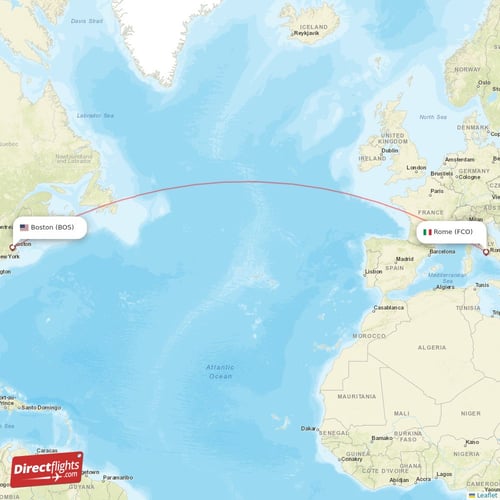
Key Destinations and Direct Flight Times:
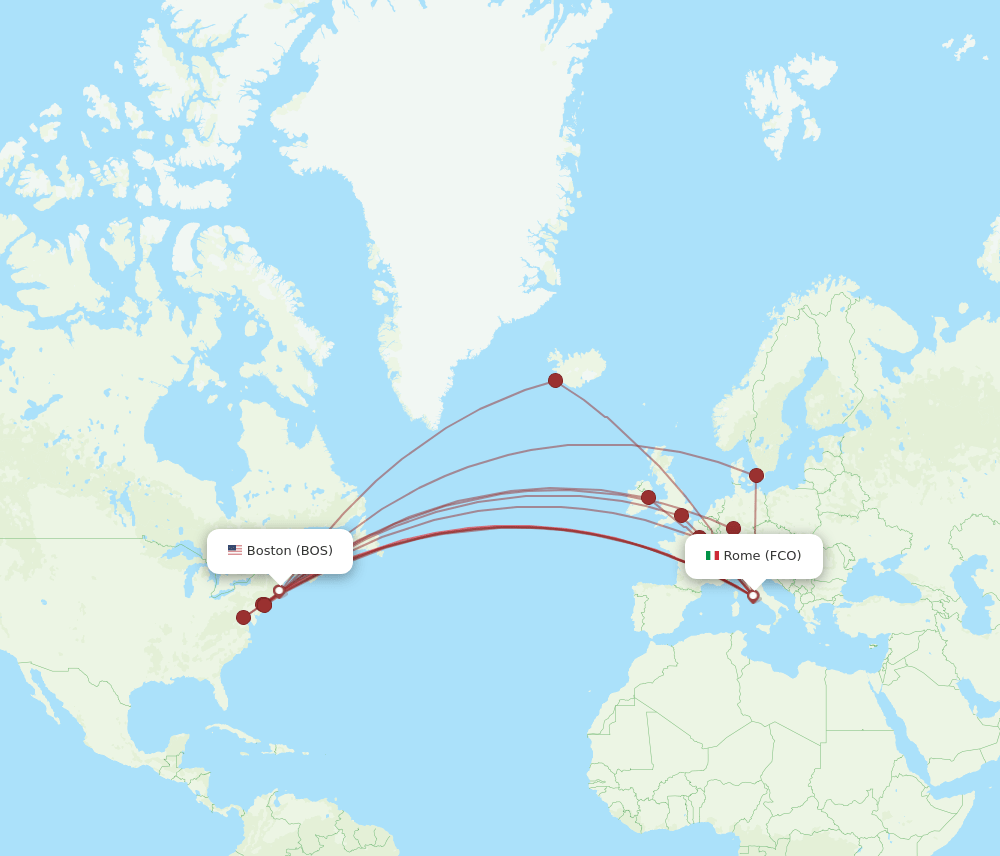
- Boston to Rome (FCO): Flights to Leonardo da Vinci–Fiumicino Airport in Rome are among the most common direct routes. The flight time generally hovers around 7.5 to 8 hours. This makes Rome, the eternal city, a highly accessible first stop for many American travelers.
- Boston to Milan (MXP): Traveling to Milan Malpensa Airport, the fashion and financial capital, usually takes approximately 7.5 to 8.5 hours. This route is ideal for those keen on exploring the northern regions of Italy, including the Italian Lakes or the nearby Swiss Alps.
- Boston to Other Italian Cities: Direct flights to other major Italian hubs like Venice or Naples are less frequent but do exist seasonally. When available, their flight times are generally comparable to those destined for Rome or Milan, often falling within the 7.5 to 8.5-hour range.
Factors Influencing Direct Flight Duration:
- Aircraft Type: Larger, faster aircraft can sometimes shave a few minutes off the total flight time.
- Wind Patterns: Tailwinds can significantly reduce flight duration, while headwinds can extend it. The jet stream, a high-altitude air current, plays a substantial role in transatlantic flights.
- Flight Path Optimization: Airlines constantly adjust flight paths to account for weather, air traffic, and other operational factors, which can lead to minor variations in flight time.
Flights with Layovers: The Extended Journey
While direct flights offer unparalleled convenience, they are not always available or the most economical option. Flights with one or more layovers are a common alternative and can significantly extend your overall travel time. The duration of such a journey is highly variable, depending on the layover city, the length of the stopover, and the airlines involved.
Typical Layover Durations and Total Travel Times:
- Short Layovers (1-3 hours): If you find a flight with a brief layover, the total travel time might be around 10 to 12 hours. This is generally the most efficient option for multi-stop itineraries.
- Moderate Layovers (3-6 hours): Journeys with moderate layovers can easily stretch to 12 to 16 hours. This allows for a bit of breathing room, perhaps a quick meal or a chance to stretch your legs in the airport lounge.
- Long Layovers (6+ hours): Flights with extended layovers can transform your journey into an overnight affair, pushing the total travel time to 18 hours or even upwards of 24 hours. These can sometimes be advantageous if you’re looking to combine travel with a brief exploration of the layover city, provided visa regulations permit and your schedule allows.
Common Layover Hubs:
- North American Hubs: Many flights from Boston to Italy will involve a stopover in another major North American city. Common examples include New York City (JFK or EWR), Philadelphia, or Chicago.
- European Hubs: Alternatively, your layover might occur in a European gateway city. Popular choices include London (Heathrow), Amsterdam (Schiphol), Paris (Charles de Gaulle), or Frankfurt (FRA). These offer convenient connections to almost all major Italian airports.
Strategies for Managing Layovers:

- Book Smart: When booking flights with layovers, pay close attention to the layover duration. Ensure you have sufficient time to make your connecting flight, especially if you need to change terminals or re-check luggage.
- Consider “Airport Hotels”: For very long layovers, especially overnight ones, booking a room at an airport hotel can provide much-needed rest and rejuvenation.
- Research Visa Requirements: If you plan to leave the airport during a layover, ensure you meet the visa requirements for the country you are transiting through.
Factors Beyond the Flight Path: Time Zones and Jet Lag
Understanding the physical duration of your flight is only part of the equation when traveling from Boston to Italy. The significant time difference is a crucial element that influences your arrival experience and the initial days of your trip. Italy is typically 6 hours ahead of Boston (Central European Time vs. Eastern Daylight Time, though this can shift with daylight saving changes).
This time difference means that a flight departing Boston in the evening will arrive in Italy on the following morning. For example, an 8-hour flight departing Boston at 7 PM might land in Rome around 9 AM the next day, local time.
Mitigating Jet Lag:
- Adjust Your Sleep Schedule: In the days leading up to your flight, try to gradually adjust your sleep schedule to align with Italian time.
- Stay Hydrated: Drink plenty of water during the flight and avoid excessive alcohol and caffeine.
- Embrace Local Time Upon Arrival: Once you land in Italy, try to stay awake until local bedtime. Expose yourself to natural sunlight during the day to help reset your body clock.
- Plan Light Activities for Day One: Avoid scheduling demanding activities on your first day. Opt for a leisurely stroll, a relaxed meal, or a visit to a nearby attraction.
Preparing for Your Journey: Booking and Considerations
When you are ready to book your flight, consider the following to ensure a smooth and enjoyable travel experience from Boston to Italy.
Choosing Your Italian Gateway:
- Rome: As the capital and home to major historical sites like the Vatican City and the Roman Forum, Rome is a popular entry point.
- Milan: Ideal for those interested in fashion, design, or exploring northern Italy, including the Italian Lakes.
- Venice: A unique and romantic destination, flights to Venice Marco Polo Airport offer a direct entry into a city like no other.
- Naples: The gateway to the Amalfi Coast, Pompeii, and Capri.
Timing Your Flight:
- Seasonality: Flight prices and availability can fluctuate significantly based on the season. Summer months (June-August) are peak tourist season, often leading to higher fares and more crowded flights. Spring (April-May) and Fall (September-October) typically offer pleasant weather and potentially lower airfare.
- Day of the Week: Mid-week flights (Tuesday, Wednesday) are often less expensive than those departing on weekends.
- Booking in Advance: Generally, booking your flight several months in advance can secure better prices, especially for direct flights.
Airline and Class of Service:
- Direct vs. Connecting: Weigh the convenience of direct flights against the potential cost savings of connecting flights.
- Economy, Premium Economy, Business, or First Class: Your choice of cabin class will significantly impact the flight experience and the cost. Premium cabins offer more space, better amenities, and lie-flat seats on long-haul routes, which can make the journey far more comfortable and help in combating the effects of jet lag.
Ultimately, the length of your flight from Boston to Italy is a dynamic figure. By understanding the difference between direct and connecting flights, the factors that influence travel time, and the impact of time zones, you can approach your journey with confidence and excitement, ready to embrace the wonders that await you in the heart of Europe.
LifeOutOfTheBox is a participant in the Amazon Services LLC Associates Program, an affiliate advertising program designed to provide a means for sites to earn advertising fees by advertising and linking to Amazon.com. Amazon, the Amazon logo, AmazonSupply, and the AmazonSupply logo are trademarks of Amazon.com, Inc. or its affiliates. As an Amazon Associate we earn affiliate commissions from qualifying purchases.