
Embarking on a road trip through the golden state of California promises unparalleled vistas, from the winding Pacific Coast Highway to the majestic redwoods and bustling cityscapes. However, even the most meticulously planned journey can encounter unforeseen detours. A common concern for many travelers, especially those unfamiliar with local regulations, revolves around what happens in the unfortunate event of a car accident. Specifically, “Do insurance companies report accidents to the DMV California?” Understanding these reporting mechanisms is not just a matter of legal compliance but a crucial aspect of responsible travel, helping ensure your adventures remain as smooth as possible, even when facing unexpected challenges.
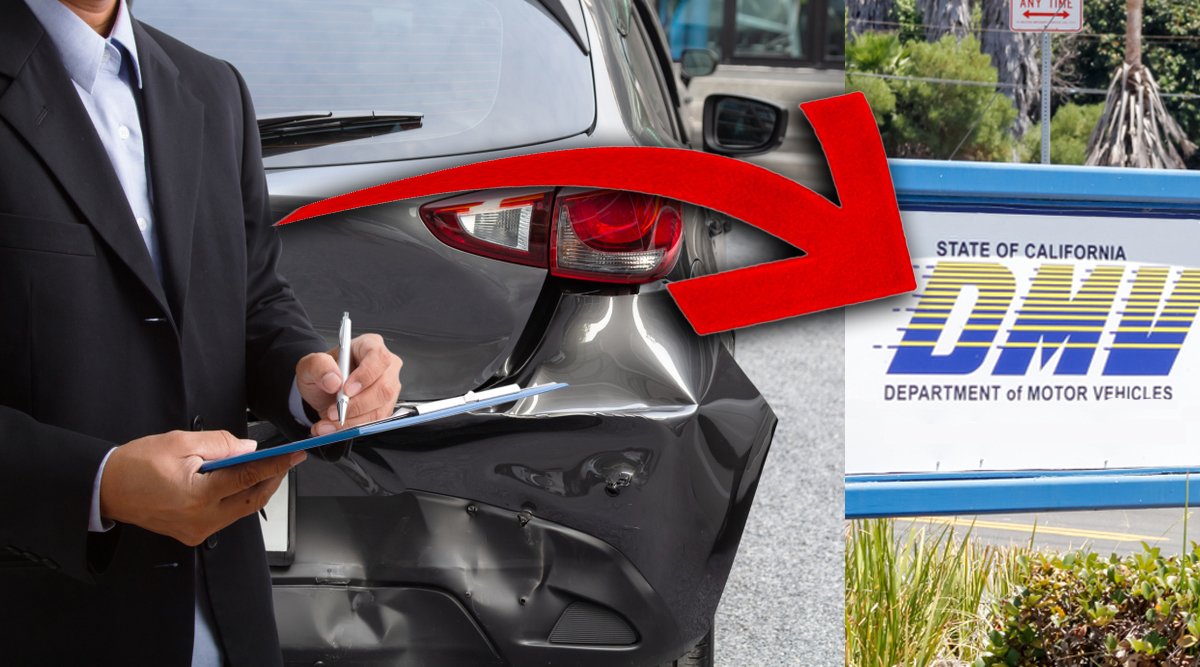
Navigating the Unforeseen: Accidents on Your California Journey
For anyone exploring California by car, whether in their own vehicle or a rental, encountering an accident can be a significant disruption. Beyond the immediate stress and physical concerns, there’s a labyrinth of administrative requirements that can be particularly daunting for travelers. The question of whether your insurance company reports an accident to the California Department of Motor Vehicles (DMV) is central to understanding the potential long-term implications for your driving record, insurance premiums, and even future travel plans involving vehicle rental.
While the primary responsibility for reporting an accident to the DMV often rests with the drivers involved, insurance companies play a pivotal, albeit sometimes indirect, role in this process. Their actions can significantly influence how and when an accident officially enters your driving record, impacting everything from your eligibility for preferred rental car rates to your personal auto insurance costs long after your California adventure concludes. Knowing these intricacies empowers travelers to respond appropriately, protect their interests, and mitigate potential future complications.
The DMV’s Role in California Road Safety for Travelers
The California DMV is the state agency responsible for vehicle registration, driver licensing, and maintaining driving records. Its mandate includes ensuring road safety, and central to this is tracking accidents. The DMV uses accident reports to monitor driver behavior, identify hazardous road segments, and, crucially for travelers, enforce financial responsibility laws.
When Travelers Must Report an Accident
It’s a common misconception that if police are called to an accident scene, all necessary reporting to the DMV is handled automatically. While law enforcement does create their own incident reports, these are primarily for their internal records and may not always be forwarded to the DMV in a manner that fulfills the driver’s legal obligation.
In California, any driver involved in an accident must report it to the DMV if:
- There was property damage exceeding $1,000 to any one person’s property (including your own).
- Anyone was injured (even if only minor, or complaining of pain) or killed.
This report must be submitted within 10 days of the accident. For a traveler, missing this deadline can result in the suspension of driving privileges within California (which can severely disrupt a trip), and potentially other penalties. Even if you’re from out of state or country, California’s laws apply when you’re driving on its roads.
The SR-1 Form: A Traveler’s Guide
The specific document required for drivers to report an accident to the DMV is the SR-1 form, officially titled “Report of Traffic Accident Occurring in California”. This form collects essential details about the accident, including the date, time, location, parties involved, and damage estimates. Crucially, it also requires proof of financial responsibility (i.e., insurance information).
For travelers, especially those in rental vehicles, understanding the SR-1 is paramount. If you’re involved in an accident meeting the reporting criteria, you are personally responsible for completing and submitting this form. Relying solely on your rental car company or your personal insurance provider to handle this directly for you could lead to compliance issues. While they will provide the necessary insurance details, the onus to file the SR-1 within the strict 10-day window primarily falls on the driver.
Insurance Companies and Their Reporting Practices: What Travelers Need to Know
While the direct legal mandate for filing the SR-1 form lies with the driver, insurance companies play a significant, albeit often indirect, role in the overall accident reporting ecosystem. Their actions, or inactions, can have notable consequences for travelers.
The Insurer’s Perspective: Protecting Your Travel Plans

When you report an accident to your insurance company (whether it’s your personal policy or coverage purchased through a rental car agency), they initiate a claim process. During this process, they gather details about the accident, damage, and injuries. This information is critical for them to assess liability and process any payouts.
Most insurance companies do not directly submit the SR-1 form to the DMV on behalf of their policyholders. Their primary function is claims management and financial reimbursement. However, if they become aware that their policyholder was involved in an accident that meets the DMV’s reporting thresholds and the policyholder fails to submit the SR-1, some insurance companies might take action. They may inform you of your obligation to file the SR-1, or in some cases, if the accident involves injuries or significant property damage, they might share information with regulatory bodies, indirectly prompting DMV involvement.
More importantly, insurance companies are required to confirm financial responsibility when an SR-1 is filed. If you file the form, the DMV will often verify your insurance coverage with your provider. If your insurance company denies coverage or if your policy has lapsed, the DMV can then suspend your driving privileges. This direct verification process is where insurance companies most frequently interact with the DMV regarding specific accidents.
Data Sharing and Traveler Records
Insurance companies maintain extensive databases of claims and accidents involving their policyholders. This information is shared among various industry groups and contributes to national databases like CLUE (Comprehensive Loss Underwriting Exchange). While not directly a report to the DMV, the data in these systems is accessible to other insurers and can impact your premiums, regardless of whether the accident was officially recorded on your DMV driving record.
For travelers, this means that an accident reported to your insurance company, even if it doesn’t meet the SR-1 filing thresholds, can still affect your future insurance rates back home and potentially the cost of future rental car insurance or even the availability of certain rental vehicles, impacting the flexibility and affordability of your subsequent travels.
Implications for Travelers: Beyond the Immediate Aftermath
An accident in California has implications that extend far beyond the immediate damage and emotional toll, particularly for those exploring the state. Understanding these can help travelers make informed decisions and minimize disruption.
Rental Cars and Travel Insurance
Many travelers rent vehicles for their California adventures. If you’re involved in an accident with a rental car, the situation becomes slightly more complex.
- Rental Company’s Policy: Rental car companies have their own reporting requirements. They will certainly want to know about the accident immediately. Their insurance (or the supplemental coverage you purchased through them) will handle the damage to their vehicle.
- Your Personal Insurance: If you used your personal auto insurance to cover the rental, you’d report the accident to them as well.
- Travel Insurance: Some comprehensive travel insurance policies might offer additional benefits for accidents, such as covering deductibles or trip interruption expenses, but they typically do not handle the direct accident reporting to the DMV.
Crucially, regardless of whose insurance covers the damages, the individual driving the rental car at the time of the qualifying accident is still personally responsible for filing the SR-1 form with the California DMV if the accident meets the reporting criteria. Failing to do so can lead to a suspended license, which would impact your ability to legally drive in California and potentially other states that honor California’s suspensions, severely curtailing any ongoing or future road trips.
Impact on Future Travel and Vehicle Rental
An accident on your driving record, particularly one reported to the DMV, can have several cascading effects on your future travel plans:
- Insurance Premiums: Your personal auto insurance premiums will likely increase, affecting your overall travel budget if driving is a component.
- Rental Car Eligibility/Costs: Rental car companies check driving records. A recent accident, especially one involving fault, could lead to higher rental rates, increased insurance requirements, or even refusal to rent a vehicle in some cases. This is particularly true for travelers seeking specialized vehicles for adventurous itineraries, like SUVs for national park visits.
- International Travel: While less common, serious accidents or repeated infractions could, in extreme circumstances, affect your ability to obtain international driving permits or even impact visa applications to certain countries that scrutinize driving history for long-term stays.
Proactive Steps for a Smooth California Road Trip
While no one plans for an accident, being prepared can significantly mitigate the stress and complications should one occur during your California travels.
- Understand Your Insurance: Before you hit the road, understand the specifics of your personal auto insurance policy, including coverage limits, deductibles, and how it applies to rental cars. If using a rental, be clear about the coverage offered by the rental company versus what your personal policy or credit card provides.
- Know the Reporting Thresholds: Memorize or keep handy the California DMV reporting thresholds ($1,000 property damage or any injury/death).
- Keep Essential Information Handy: In your glove compartment or digital wallet, have your insurance card, vehicle registration, and emergency contact numbers.
- Know How to Access the SR-1 Form: Familiarize yourself with the SR-1 form, available on the DMV website, so you know what information you’ll need to gather at the scene.
- Act Promptly: If an accident occurs, ensure safety first, exchange information, document the scene thoroughly, and contact law enforcement if necessary. Then, report the accident to your insurance provider immediately. Crucially, remember to file the SR-1 form with the California DMV within 10 days if the criteria are met, regardless of what your insurance company or rental agency tells you they will do.
By taking these proactive steps, travelers can better navigate the complexities of accident reporting in California, ensuring that unforeseen incidents don’t derail their journey or create lasting hassles that extend beyond their travel dates. Enjoying the breathtaking beauty of California means being prepared for every eventuality, transforming potential stress into manageable situations.
LifeOutOfTheBox is a participant in the Amazon Services LLC Associates Program, an affiliate advertising program designed to provide a means for sites to earn advertising fees by advertising and linking to Amazon.com. Amazon, the Amazon logo, AmazonSupply, and the AmazonSupply logo are trademarks of Amazon.com, Inc. or its affiliates. As an Amazon Associate we earn affiliate commissions from qualifying purchases.