
The question “How far is California from Texas?” often sparks images of epic road trips, cross-country flights, and the vast, diverse landscapes of the United States. These two powerhouse states, both known for their immense size, economic influence, and distinct cultures, represent significant portions of the American experience. For travelers, adventurers, business professionals, and those considering a relocation, understanding the distance and the journey itself is paramount. It’s not just a matter of miles; it’s about the time, the mode of transport, the experiences along the way, and the distinct attractions awaiting at either end.
Whether you’re planning a luxurious escape, a budget-friendly family vacation, or a crucial business trip, the journey between California and Texas offers a spectrum of travel and accommodation options. From bustling metropolitan centers like Los Angeles and Houston to serene national parks, the stretch between these states is rich with opportunities for exploration, cultural immersion, and unforgettable memories. This guide will delve into the practicalities of bridging this significant distance, exploring the various travel modes, highlighting key destinations, and offering insights into making your journey as seamless and enjoyable as possible.
Bridging the Distance: Understanding the Geographic Span
At first glance, the two states appear separated by a considerable stretch on any map of the United States. But what does “far” truly mean in the context of travel planning? Is it the shortest aerial distance, or the more practical road distance that dictates travel time and fuel consumption? The answer, of course, depends on your perspective and travel goals.
The Straight-Line vs. Practical Travel Distance
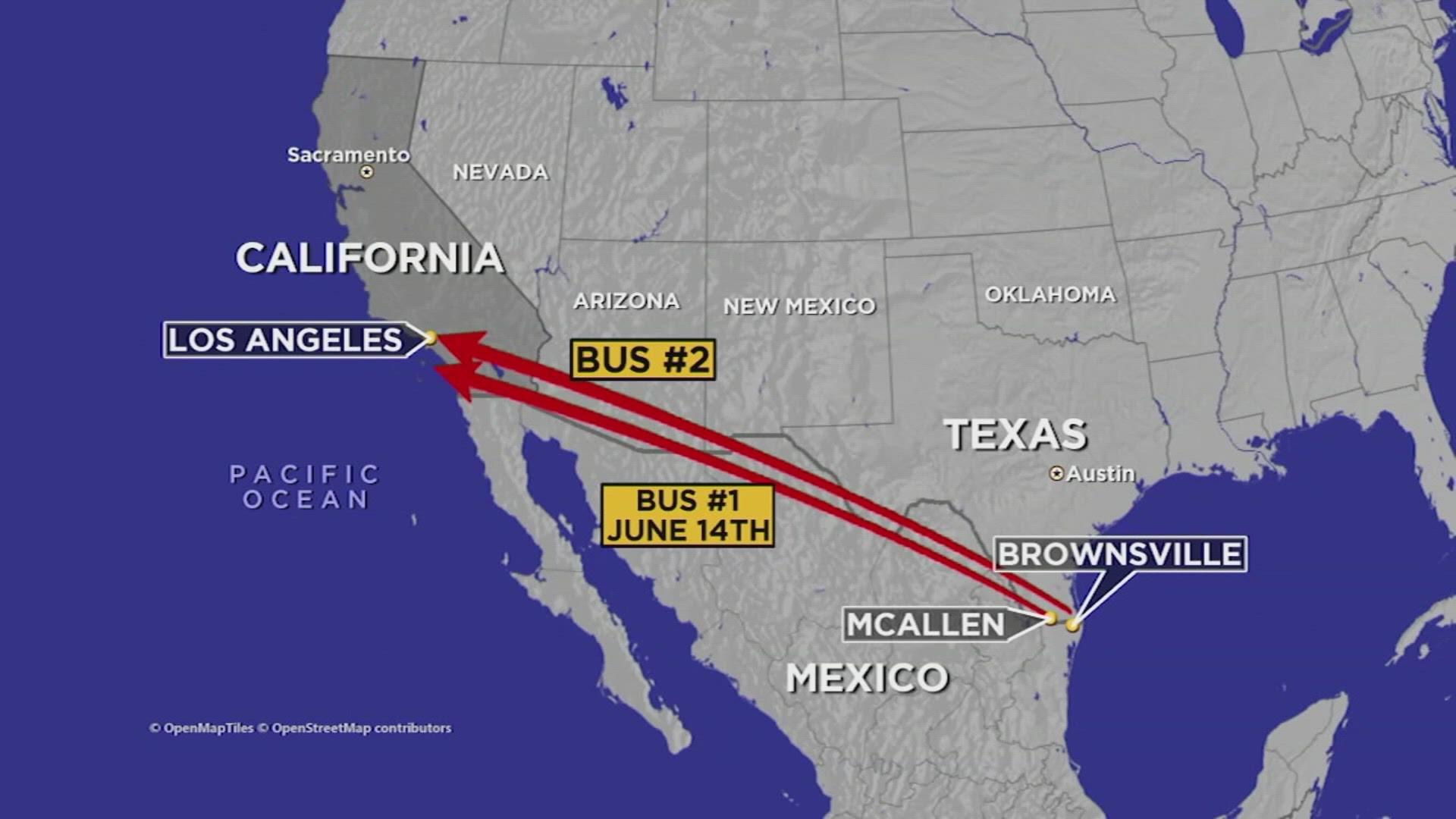
Geographically, California and Texas share no direct border. They are separated by two other large states: Arizona to California’s east, and New Mexico to Texas’ west. This creates a buffer zone that significantly impacts ground travel.
The shortest straight-line distance between the nearest points of the two states, for instance, from Yuma, Arizona (very close to California’s southeastern border) to El Paso, Texas, might be around 350-400 miles. However, this is largely irrelevant for actual travel. The practical travel distance by road, which involves navigating highways and avoiding impassable terrain, is always much greater and is the metric most travelers need to consider.
Key Cities and Their Distances
To provide a more tangible understanding of the distance, let’s look at some popular city-to-city routes. These routes often serve as benchmarks for travel time and planning, connecting major hubs that are popular for tourism, business stays, and local culture.
On the California side, major cities include:
- Los Angeles (often referred to as LA): A sprawling metropolis famous for Hollywood, beaches, and diverse neighborhoods.
- San Francisco: Known for its iconic Golden Gate Bridge, cable cars, and vibrant tech scene.
- San Diego: A coastal gem with beautiful beaches, a thriving craft beer scene, and family-friendly attractions.
- Sacramento: The state capital, rich in history and agricultural heritage.
In Texas, key urban centers include:
- Houston: A global hub for the energy industry, home to NASA Johnson Space Center, and a diverse culinary landscape.
- Dallas: A modern city with a rich cowboy heritage, known for its arts district and upscale shopping.
- Austin: The “Live Music Capital of the World,” celebrated for its vibrant music scene, outdoor activities, and unique local culture.
- San Antonio: Famous for the historic Alamo and the picturesque Riverwalk, offering a blend of history and charm.
- El Paso: Located at the westernmost tip of Texas, closer to New Mexico and Arizona, often a gateway city for cross-country travelers.

Here are some approximate driving distances and times between major cities:
- Los Angeles, California to Houston, Texas: Approximately 1,550 to 1,600 miles, taking about 23-26 hours of continuous driving.
- San Francisco, California to Dallas, Texas: Around 1,700 to 1,800 miles, equating to 25-28 hours of non-stop driving.
- San Diego, California to El Paso, Texas: This is one of the shorter routes, roughly 700-750 miles, taking about 10-12 hours of driving.
- Sacramento, California to Austin, Texas: Approximately 1,900-2,000 miles, requiring around 28-30 hours of driving.
These figures illustrate that a journey by car is a multi-day commitment, necessitating careful planning for accommodation, fuel, and rest stops.
Navigating the Journey: Travel Options and Experiences
Choosing how to travel between California and Texas is a crucial decision that impacts budget, time, and the overall experience. Each mode of transport offers a unique perspective on the American landscape and caters to different travel lifestyles.
Driving: The Classic American Road Trip
For many, the allure of the open road is irresistible. A road trip from California to Texas embodies the spirit of exploration and adventure. Typically following major interstates like I-10, this journey offers flexibility and the freedom to discover hidden gems along the way.
Time and Distance: As noted above, driving takes a significant amount of time – generally 20-30 hours of actual driving, meaning at least 2-3 days on the road, often more if you plan to stop and explore. This makes it ideal for family trips or those with a flexible schedule.
Routes and Scenery: The primary route, I-10, takes you through deserts, mountains, and vast plains. You’ll traverse Arizona’s stunning desert landscapes and New Mexico’s unique blend of Native American, Hispanic, and Anglo cultures before reaching Texas’ diverse terrain. Scenic detours can include visits to national parks, charming small towns, or quirky roadside attractions.
Accommodation and Lifestyle: Road trips require planning for overnight stays. From budget-friendly motels in smaller towns to mid-range hotel chains in larger cities, there are abundant options. For a more luxurious travel experience, consider boutique hotels or resorts in cities like Phoenix or Tucson along the route. Packing snacks, maintaining your vehicle, and pre-booking accommodation, especially during peak seasons, are essential tips for a smooth journey.

Flying: The Swift Solution
When time is of the essence, flying is undoubtedly the fastest way to travel between California and Texas. It transforms a multi-day drive into a matter of hours, making it the preferred choice for business stays, short getaways, or urgent travel.
Flight Duration: Non-stop flights typically range from 2.5 to 4 hours, depending on the specific origin and destination airports. For example, a flight from Los Angeles International Airport (LAX) to Dallas/Fort Worth International Airport (DFW) is usually around 3 hours.
Major Airports: Both states boast numerous international and domestic airports. In California, key hubs include LAX, San Francisco International Airport (SFO), and San Diego International Airport. Texas is served by major airports like DFW, George Bush Intercontinental Airport (IAH) in Houston, and Austin-Bergstrom International Airport.
Booking and Comparison: Air travel offers flexibility in booking, with numerous airlines competing on popular routes. Using online travel agencies or direct airline websites to compare prices and flight times is crucial. For budget travel, consider flying during off-peak seasons or booking well in advance. For business travelers, premium cabins or loyalty programs can enhance the experience, often accompanied by luxury hotel accommodations upon arrival.
Other Modes: Bus and Train Journeys
While less common for the full cross-country journey, bus and train services offer alternative experiences, especially for budget-conscious travelers or those seeking a more leisurely pace.
Bus Travel: National bus services like Greyhound offer routes between many cities in California and Texas. These journeys are significantly longer than driving (often 30-40+ hours) but are generally the most affordable option. They are suitable for budget travel and offer a chance to see the country from a different perspective, though comfort can be a factor over such long distances.
Train Travel: Amtrak provides scenic long-distance train routes such as the “Sunset Limited,” which connects Los Angeles to New Orleans, passing through Texas cities like El Paso, San Antonio, and Houston. While considerably slower than flying (taking 24-30+ hours from LA to Houston), train travel offers a comfortable and unique way to see the landscape, with amenities like dining cars and sleeper suites for a more luxurious experience. It’s an excellent choice for those who value the journey itself as part of the destination.
Beyond the Miles: What Awaits in Each State
The journey between California and Texas is more than just covering distance; it’s about connecting two distinct worlds, each brimming with unique attractions, culture, and lifestyle opportunities.
Exploring California’s Diverse Attractions
California is a land of superlatives, from its dramatic coastline to its towering mountains and vibrant urban centers. Its tourism offerings are incredibly diverse, catering to every type of traveler.
Destinations & Landmarks:
- Iconic Cities: Los Angeles pulsates with the glamour of Hollywood, featuring the Hollywood Walk of Fame, Universal Studios, and a thriving arts scene. San Francisco captivates with the Golden Gate Bridge, Alcatraz Island, and colorful neighborhoods. San Diego offers beautiful beaches and the world-renowned San Diego Zoo.
- Natural Wonders: Yosemite National Park stuns with its majestic waterfalls and giant sequoias. The Sierra Nevada mountains offer skiing and hiking. The Pacific Coast Highway winds along breathtaking cliffs and sandy shores.
- Entertainment & Culture: Family trips often include the Disneyland Resort in Anaheim. Napa Valley and Sonoma County invite visitors to explore world-class wineries. Local culture is a rich tapestry of film, music, art, and diverse culinary experiences, from farm-to-table dining to international street food.
Accommodation: California’s accommodation landscape is as varied as its scenery. You can find ultra-luxury resorts like the Beverly Hills Hotel or the Four Seasons Hotel Los Angeles at Beverly Hills, charming boutique hotels in San Francisco, beachfront villas in Malibu, and family-friendly suites near theme parks. Booking in advance and comparing reviews are key to finding the perfect stay.
Discovering the Spirit of Texas
Texas embodies a unique blend of Southern charm, rugged cowboy heritage, and modern innovation. Its vastness means a diverse range of attractions, from historic missions to cutting-edge space exploration.
Destinations & Landmarks:
- Historic Sites: San Antonio’s Alamo is a pivotal piece of American history, complemented by the enchanting Riverwalk. Historic sites tell tales of cowboys, battles, and the fight for independence.
- Cultural Hubs: Austin is a mecca for live music, quirky shops, and outdoor activities around Lady Bird Lake. Houston boasts the NASA Johnson Space Center and a world-class museum district. Dallas offers upscale dining, shopping, and a vibrant arts scene.
- Natural Beauty: The dramatic desert landscapes of Big Bend National Park provide unparalleled hiking and stargazing. The Texas Hill Country is known for its rolling hills, wineries, and picturesque small towns. The Gulf Coast offers beaches and fishing opportunities.
Accommodation: From luxury hotels in Dallas and Houston to charming Bed & Breakfasts in Fredericksburg, Texas provides a wide array of choices. Visitors can experience authentic Texas hospitality at sprawling ranch resorts in the Hill Country or opt for modern apartments in the bustling downtowns, perfect for long-term stays or business travelers.
Planning Your Cross-Country Adventure
Whether your journey from California to Texas is a one-time adventure or a frequent commute, careful planning will enhance your experience.
Choosing Your Travel Style
Your travel style dictates much of your planning.
- Budget Travel: If cost is a primary concern, consider bus travel, carpooling for road trips, or booking flights during off-peak times. Look for accommodation with good reviews but lower price points, such as roadside motels or independent guesthouses.
- Luxury Travel: For an indulgent experience, opt for first-class flights, rent a premium vehicle for your road trip, and book stays at five-star hotels or luxury resorts offering top-tier amenities.
- Family Trips: Road trips offer flexibility with children, allowing for frequent stops. Flying might be quicker but requires careful planning of entertainment. Look for hotels with suites, pools, and family-friendly amenities.
- Business Stays: Prioritize efficiency. Direct flights are usually best. Choose hotels with business centers, reliable Wi-Fi, and convenient locations near corporate hubs or convention centers. Consider extended-stay apartments for longer assignments.
Essential Tips for a Smooth Journey
A well-planned trip minimizes stress and maximizes enjoyment.
- Best Time to Travel: Spring and fall generally offer the most pleasant weather for driving, avoiding the intense summer heat of the deserts and the cold winters in mountainous regions. Flights can be cheaper during shoulder seasons.
- Packing Essentials: For a road trip, include a roadside emergency kit, plenty of water, snacks, and entertainment. For flights, pack light to avoid baggage fees and remember travel-sized toiletries.
- Booking Accommodation: Always book your hotels, resorts, or apartments in advance, especially during popular travel seasons or if you have specific amenity requirements (e.g., pet-friendly, pool access, suite hotels). Utilize comparison websites and read recent reviews to ensure your chosen accommodation meets your expectations.
- Vehicle Maintenance: If driving, ensure your vehicle is in top condition. Check tires, oil, and fluids. A well-maintained car is crucial for a long-distance journey.
- Embrace the Experience: Regardless of your chosen mode of transport, the journey between California and Texas is an opportunity to see a significant chunk of the United States. Be open to unexpected detours, local food, and cultural encounters.
In conclusion, the distance between California and Texas is substantial, easily spanning over 1,500 miles between their major cities. This translates to roughly 20-30 hours of driving or a 3-4 hour flight. However, this distance is not merely a number; it’s a gateway to diverse travel experiences, iconic landmarks, distinct cultures, and a vast array of accommodation options. Whether you opt for the freedom of a cross-country drive, the efficiency of air travel, or the leisurely pace of a train, the journey promises to be an integral part of your adventure between these two magnificent states. So pack your bags, choose your route, and prepare to explore the heart of America.
LifeOutOfTheBox is a participant in the Amazon Services LLC Associates Program, an affiliate advertising program designed to provide a means for sites to earn advertising fees by advertising and linking to Amazon.com. Amazon, the Amazon logo, AmazonSupply, and the AmazonSupply logo are trademarks of Amazon.com, Inc. or its affiliates. As an Amazon Associate we earn affiliate commissions from qualifying purchases.