
Boston ferns (Nephrolepis exaltata ‘Bostoniensis’) are beloved for their lush, cascading fronds, bringing a touch of verdant elegance to any space. While often grown as houseplants, many gardeners discover that with the right conditions, these tropical beauties can thrive outdoors, particularly in suitable climates. Cultivating Boston ferns in an outdoor setting requires understanding their specific needs, which differ subtly from their indoor counterparts. This guide delves into the essential elements for successfully nurturing Boston ferns in the open air, transforming patios, balconies, and shaded garden nooks into tranquil, green oases.
Understanding the Ideal Outdoor Environment
The key to successful outdoor Boston fern cultivation lies in mimicking their native tropical rainforest habitat. This means prioritizing shade, humidity, and consistent moisture, while protecting them from harsh elements.
Shade and Light Requirements
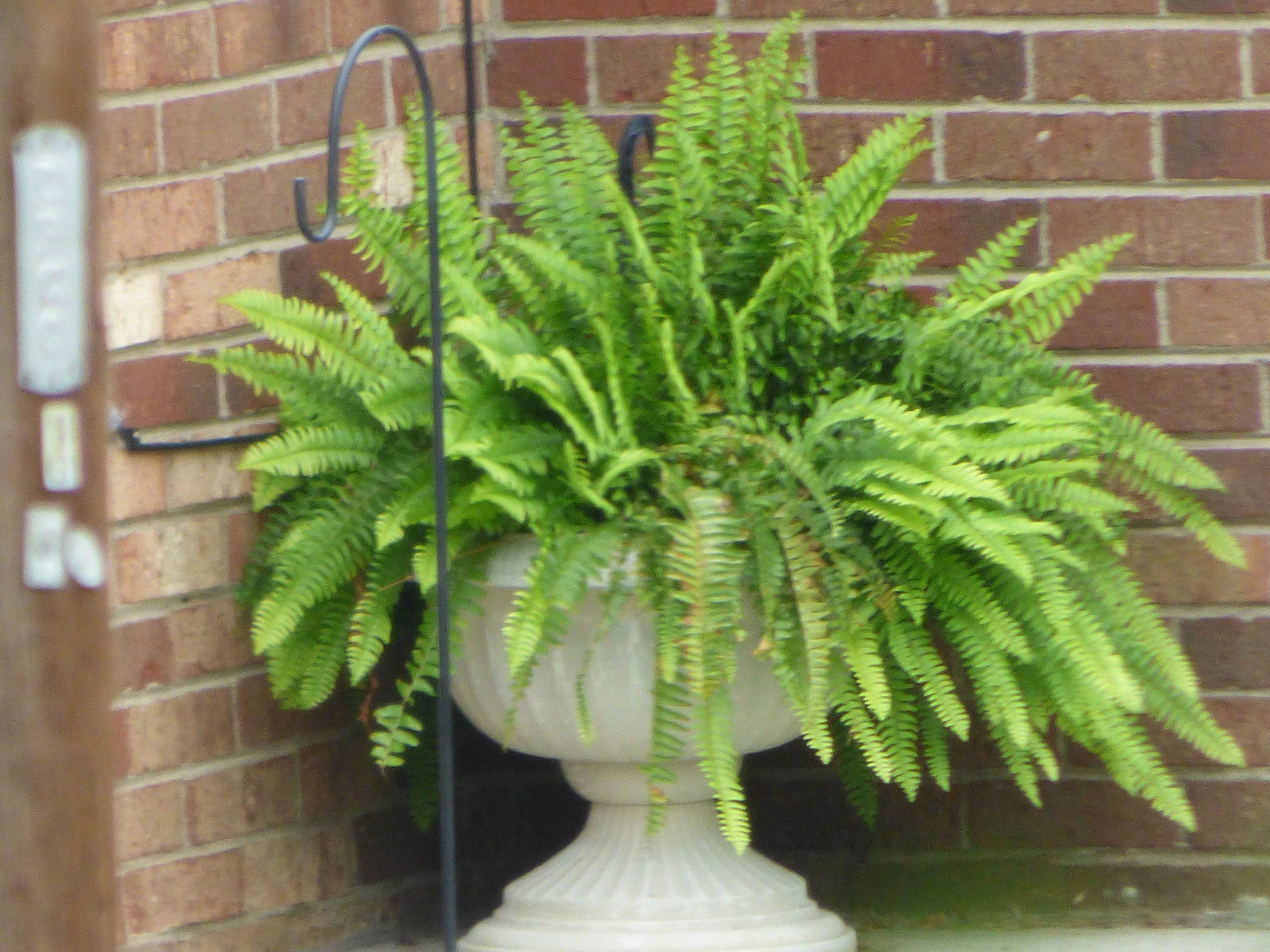
Boston ferns are highly sensitive to direct sunlight, which can scorch their delicate fronds, turning them yellow or brown. Outdoors, they flourish in dappled shade or partial shade. Ideal locations include:
- Underneath larger trees: The canopy of mature trees provides natural shade, allowing sunlight to filter through without direct exposure. Consider areas beneath ornamental trees like Japanese Maples or fruit trees.
- North-facing walls or patios: These aspects generally receive less direct sun throughout the day, offering a consistent cool, shaded environment.
- Covered porches and verandas: These structures offer excellent protection from harsh sun and wind, creating a microclimate conducive to fern growth.
- Beneath awnings or pergolas: These man-made structures can be strategically placed to block intense sun while allowing for some air circulation.
Avoid placing Boston ferns in locations that receive more than two to three hours of direct morning sun, and absolutely no intense afternoon sun. Even indirect, bright light can be too much if prolonged. Observing how light moves across your chosen spot throughout the day is crucial for selecting the perfect location.
Humidity and Air Circulation
Native to humid tropical regions, Boston ferns require high humidity to prevent their fronds from drying out. While some natural humidity exists outdoors, certain conditions can exacerbate dryness.
- Consider misting: On particularly hot or dry days, a light misting of the fronds in the early morning can help boost humidity. Use a fine mist sprayer and avoid saturating the leaves, which can encourage fungal issues.
- Group plants together: Placing ferns in proximity to other moisture-loving plants can create a slightly more humid microclimate.
- Water features: Proximity to a water feature, such as a small pond or fountain, can naturally increase ambient humidity.
- Ensure good air circulation: While high humidity is beneficial, stagnant, overly moist air can lead to fungal diseases. Ensure the chosen location has good airflow, preventing moisture from lingering on the fronds for extended periods, especially overnight. Avoid enclosed, damp spaces.
Temperature Tolerance
Boston ferns are tropical plants and are sensitive to frost. They thrive in moderate temperatures and can be damaged by freezing conditions.
- Ideal temperature range: They prefer daytime temperatures between 65-75°F (18-24°C) and can tolerate slightly cooler nights down to around 50°F (10°C).
- Protection from frost: In regions where the temperature drops below freezing, Boston ferns must be brought indoors or provided with significant frost protection before the first frost of autumn. This might involve moving them to a greenhouse, a sheltered porch, or even temporarily into a frost-free garage or basement.
- Heat stress: Prolonged exposure to extreme heat above 85°F (29°C) can cause stress, leading to browning leaf tips. Ensure adequate watering and shade during heatwaves.
Potting and Soil Considerations for Outdoor Ferns
Choosing the right pot and soil mix is fundamental for ensuring proper drainage and aeration, critical factors for fern health.
Container Selection
When planting Boston ferns outdoors, especially in containers, drainage is paramount.
- Material: Terracotta pots are porous and allow for better airflow, which can be beneficial, but they also dry out faster. Plastic or glazed ceramic pots retain moisture more effectively. For outdoor settings, consider the aesthetic and the watering frequency required for the chosen material.
- Drainage holes: Ensure all containers have ample drainage holes at the bottom. Without adequate drainage, water will pool, leading to root rot.
- Size: Choose a pot that is proportionate to the size of the fern. A pot that is too large can hold excess moisture, while one that is too small will restrict root growth. A general rule of thumb is to select a pot that is about 2-4 inches wider than the current root ball.
Soil Mix
A well-draining, yet moisture-retentive soil is ideal for Boston ferns.
- Peat-based potting mix: A high-quality potting mix formulated for houseplants or ferns is a good starting point. Look for mixes containing peat moss or coco coir, which help retain moisture.
- Perlite or vermiculite: Adding perlite or vermiculite to your potting mix can significantly improve drainage and aeration. Aim for a ratio of about 3 parts potting mix to 1 part perlite or vermiculite.
- Organic matter: Incorporating compost or other organic matter can provide essential nutrients and improve soil structure, further enhancing moisture retention and aeration.
- Avoid heavy garden soil: Do not use heavy garden soil directly from the ground, as it tends to compact and can impede drainage, leading to waterlogged roots.
If planting directly into a garden bed, amend the soil with plenty of organic matter to improve drainage and aeration in shaded, moist areas.
Watering and Fertilizing Strategies
Consistent moisture and appropriate feeding are crucial for maintaining the vibrant health of outdoor Boston ferns.
Watering Practices
The goal is to keep the soil consistently moist but not waterlogged.
- Check soil moisture regularly: The best way to determine if your fern needs watering is to feel the soil. Insert your finger about an inch or two into the soil. If it feels dry, it’s time to water. If it feels moist, hold off.
- Water thoroughly: When you water, water until excess water drains from the bottom of the pot. This ensures the entire root ball is moistened.
- Water at the base: Aim to water the soil directly, avoiding wetting the fronds excessively, especially in the evening, to minimize the risk of fungal diseases.
- Adjust frequency based on conditions: Watering needs will vary depending on temperature, humidity, sunlight exposure, and the type of pot used. On hot, sunny, or windy days, you may need to water more frequently. In cooler, humid, or cloudy conditions, you will need to water less.
- Avoid letting the soil dry out completely: Boston ferns are highly susceptible to drying out, which can lead to irreversible browning of the fronds.
Fertilizing Outdoors
While ferns are not heavy feeders, a light fertilization during the growing season can promote lush growth.
- Timing: Fertilize during the spring and summer months when the plant is actively growing. Avoid fertilizing in the fall or winter when growth naturally slows down.
- Type of fertilizer: Use a balanced, water-soluble fertilizer diluted to half or quarter strength. A fertilizer with a higher nitrogen content can encourage leafy growth.
- Frequency: Fertilize no more than once a month. Over-fertilization can lead to leaf burn and other problems.
- Application: Water the fern thoroughly before applying fertilizer to prevent root burn.
Observe your fern for signs of nutrient deficiency, such as pale or yellowish fronds. If you notice these symptoms, a light feeding might be beneficial. However, it’s often better to err on the side of under-fertilizing than over-fertilizing.
Maintenance and Problem Solving
Regular maintenance and prompt attention to potential issues will keep your outdoor Boston fern looking its best.
Pruning and Deadheading
Pruning is essential for maintaining the fern’s shape and encouraging new growth.
- Remove dead or damaged fronds: As fronds age, they will naturally yellow or turn brown. These should be pruned at the base of the plant using clean, sharp scissors or pruning shears. This not only improves the plant’s appearance but also allows the plant to direct its energy into producing new, healthy fronds.
- Trim brown tips: If only the tips of the fronds are brown, you can carefully trim just the brown part, following the natural shape of the frond. This is a cosmetic fix but can improve the overall look of the plant.
- Encourage bushier growth: Pinching back the tips of new fiddleheads (the coiled young fronds) can sometimes encourage bushier growth.
Common Pests and Diseases
While generally hardy, outdoor Boston ferns can occasionally be affected by pests and diseases.
- Pests:
- Spider mites: These tiny pests thrive in dry conditions and spin fine webs on the undersides of fronds. Increased humidity, regular misting, and washing the fronds with water can help. Insecticidal soap or neem oil can be used for more severe infestations.
- Mealybugs and scale insects: These sap-sucking insects appear as white cottony masses or small brown bumps on the fronds and stems. They can be removed manually with a damp cloth or cotton swab dipped in rubbing alcohol. Insecticidal soap or neem oil are also effective treatments.
- Diseases:
- Root rot: This is typically caused by overwatering and poor drainage. Symptoms include yellowing fronds, wilting, and a mushy stem base. Ensure proper watering practices and well-draining soil. If root rot is suspected, repotting into fresh, well-draining soil and trimming away any rotted roots may be necessary.
- Fungal spots: These appear as discolored spots on the fronds, often exacerbated by wet foliage and poor air circulation. Ensure good airflow, avoid overhead watering, and remove affected fronds. Fungicides can be used as a last resort.
Overwintering Your Boston Fern
As mentioned earlier, Boston ferns are not frost-tolerant and must be protected during colder months.
- Bring indoors: The most common method is to bring the potted fern indoors before the first frost. Place it in a cool, bright location away from drafts and heating vents.
- Reduce watering: During winter, watering needs decrease significantly. Allow the soil to dry out slightly more between waterings.
- Increase humidity indoors: Indoor air can be very dry, especially with central heating. Place the pot on a pebble tray filled with water, or mist the fronds occasionally.
- Inspect for pests: Before bringing the fern indoors, thoroughly inspect it for any pests and treat them if found to avoid introducing them into your home.
By providing the right conditions and consistent care, your Boston fern can flourish outdoors, adding a touch of tropical allure and natural beauty to your patio or garden. Its lush foliage will be a testament to your horticultural efforts, transforming your outdoor living spaces into serene retreats.
LifeOutOfTheBox is a participant in the Amazon Services LLC Associates Program, an affiliate advertising program designed to provide a means for sites to earn advertising fees by advertising and linking to Amazon.com. Amazon, the Amazon logo, AmazonSupply, and the AmazonSupply logo are trademarks of Amazon.com, Inc. or its affiliates. As an Amazon Associate we earn affiliate commissions from qualifying purchases.