
The sight of a flag lowered to half-mast is a universal symbol of mourning and respect. In the vast and proud state of Texas, this tradition carries particular weight, often signifying significant events, profound loss, or solemn remembrance within the state and the nation. Understanding why flags are flown at half-mast is crucial for appreciating the historical, cultural, and civic currents that shape the Texan identity. This practice is not arbitrary; it adheres to strict protocols and honors specific individuals and occasions, offering a visible, collective expression of grief, solidarity, or reverence.

Protocols and Executive Orders Governing Flag Display
The authority to order flags to be flown at half-mast in Texas typically rests with the Governor. However, the President of the United States can also issue proclamations that affect flags flown on federal property within the state, and these often extend to state and local flags as well. The U.S. Flag Code provides guidelines for flag display, including the specific circumstances under which it should be lowered.
U.S. Flag Code and State-Specific Directives
The U.S. Flag Code, Title 4 of the United States Code, outlines the general principles for flag etiquette. When ordered to fly at half-mast, the flag should be hoisted to the peak for an instant and then lowered to the half-mast position. Before being lowered for the day, it should again be raised to the peak. This symbolic action ensures the flag is not merely lowered in sorrow but also acknowledged in its full honor before being put away.
In Texas, these federal guidelines are often supplemented by executive orders issued by the Governor. These orders are usually triggered by events of state-level significance, such as the death of a prominent Texan official, a major tragedy affecting the state, or in observance of national days of mourning. For instance, the death of a former Texas Governor or a significant loss of life due to a natural disaster or act of violence within the state would likely prompt such an order. These executive actions ensure a unified and appropriate response across all state facilities.
Key Figures and Occasions for Half-Mast
The U.S. Flag Code specifies certain individuals and occasions that warrant flying the flag at half-mast. These include:
- The death of the President, Vice President, Chief Justice, or Speaker of the House of Representatives: Flags are flown at half-mast from the time of death until interment.
- The death of a current or former Associate Justice of the Supreme Court, a Cabinet member, a former Vice President, the Speaker Emeritus of the House of Representatives, a U.S. Senator, or a U.S. Representative: Flags are flown at half-mast for 30 days from the day of death.
- The death of a current or former Governor of a state, territory, or possession, or the Mayor of a city: Flags are flown at half-mast for 30 days from the day of death. This is particularly relevant in Texas for state-level mourning.
- Memorial Day: From sunrise until noon, the flag is flown at half-mast. At noon, it is raised to full-staff.
- Pearl Harbor Remembrance Day (December 7): The flag is flown at half-mast from sunrise to sunset.
When the Governor of Texas issues an executive order, it is often to align the state with national mourning periods or to recognize significant figures and events specific to Texas. This might include honoring fallen Texas Rangers, first responders lost in the line of duty, victims of significant state tragedies, or former state officials. The intent is always to provide a visible and solemn acknowledgment of loss and respect.
Historical Tragedies and Moments of Collective Mourning in Texas
Texas has a rich and sometimes tumultuous history, marked by moments of profound tragedy that have led to flags being flown at half-mast, serving as powerful reminders of shared sacrifice and resilience. These instances often become etched in the collective memory of the state, shaping its understanding of itself and its values.
The Texas School Book Depository and the Assassination of JFK
Perhaps one of the most poignant and widely recognized instances of flags being lowered across Texas and the nation occurred in November 1963 following the assassination of President John F. Kennedy in Dallas. The tragic event, which took place in front of the Texas School Book Depository, sent shockwaves through the country and the world. In the immediate aftermath, flags across Texas, as well as at federal buildings nationwide, were lowered to half-mast as a mark of deep mourning for the fallen president. This period of national grief saw immense outpouring of sorrow, with citizens gathering to pay their respects.
Acts of Violence and Natural Disasters
Beyond national figures, Texas has experienced its share of localized tragedies that have prompted the lowering of flags. The Sutherland Springs church shooting in November 2017, where 26 people were killed at the First Baptist Church, led to widespread directives for flags to be flown at half-mast across the state, honoring the victims and their families. Similarly, devastating natural disasters, such as hurricanes that have battered the Texas coast or widespread flooding, have sometimes seen flags lowered in solemn remembrance of lives lost and communities impacted. These moments serve as stark reminders of the fragility of life and the importance of community support during times of crisis.
Honoring Fallen Law Enforcement and Military Personnel
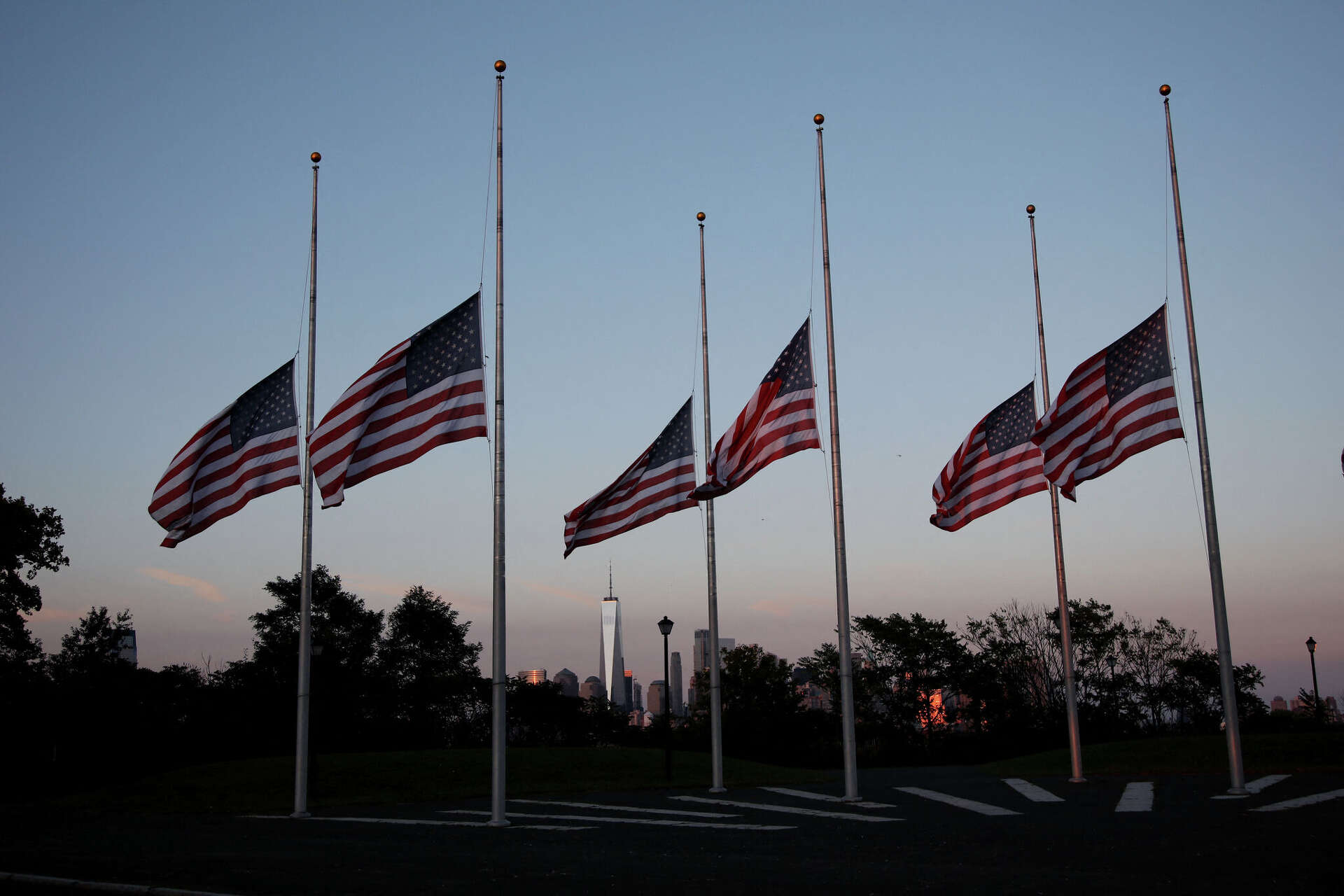
The state of Texas has a strong tradition of supporting its law enforcement and military personnel. When officers are killed in the line of duty, or when military members with ties to Texas lose their lives in service, flags are often ordered to half-mast. This is a deeply felt tribute to their sacrifice and a show of respect for their service to the state and the nation. The loss of a Texas National Guard member during deployment, or a police officer falling victim to violence while protecting citizens, are occasions that invariably trigger these solemn displays of honor. These acts of remembrance reinforce the state’s commitment to acknowledging and honoring those who serve and protect its communities.
Cultural Significance and Civic Engagement
The practice of flying flags at half-mast in Texas is more than just a procedural act; it is deeply embedded in the state’s cultural fabric and serves as a significant aspect of civic engagement. It provides a visible means for the community to collectively acknowledge shared sentiments and participate in moments of national or state significance.
A Visible Symbol of Collective Sentiment
When flags are lowered across Texas, it creates a powerful visual narrative that unites citizens in a common emotional response. Whether it is grief, respect, or remembrance, the lowered flag acts as a silent, yet potent, messenger. For residents and visitors alike, it is an immediate cue that something significant has occurred, prompting reflection and often leading to further inquiry about the reasons behind the solemn display. This collective observance can foster a sense of shared identity and solidarity, reinforcing the idea that the state is a community bound by shared experiences and values. It allows individuals to participate in mourning or commemoration without necessarily being physically present at an event, offering a ubiquitous symbol of support and respect.
Fostering Remembrance and Education
The act of lowering flags also serves an educational purpose. It prompts individuals to learn about the individuals, events, or historical periods being honored. This can be particularly true for younger generations who may not have personal memories of certain tragedies or historical figures. When a flag is seen at half-mast, it can spark conversations and lead to research about the associated reasons. For example, observing flags at half-mast on Memorial Day naturally leads to understanding the sacrifices of fallen soldiers. Similarly, a directive following a specific tragedy encourages the public to learn about the event and its impact on the community. In this way, the practice contributes to the ongoing process of historical remembrance and civic education within Texas.
Civic Duty and Public Awareness
The protocols for flying flags at half-mast are rooted in a sense of civic duty and a desire to maintain public awareness of important national and state matters. Adherence to these protocols, whether by government entities, businesses, or even individual citizens with flagpoles, signifies a commitment to respecting tradition and acknowledging the weight of certain events. This shared responsibility ensures that moments of national significance are not overlooked and that the sacrifices and losses that have shaped Texas and the nation are properly honored. The consistent application of these rules helps to imbue the practice with a sense of solemnity and purpose, ensuring that the lowered flag remains a meaningful symbol of respect and remembrance for all.
Observing and Understanding Half-Mast Displays in Texas
For travelers and residents alike, understanding the context behind a flag flying at half-mast in Texas can enrich their experience and deepen their appreciation for the state’s cultural and historical landscape. It offers a window into moments of collective emotion and civic observance.
Identifying the Reasons for Half-Mast
When you encounter a flag at half-mast in Texas, several steps can help you understand the reason. First, consider the location. If you are at a federal building, the directive may have come from the President. If it’s a state capitol building, a state park, or a state agency, the Governor of Texas likely issued an executive order. Local government buildings might follow state directives or issue their own for purely local significance.
The timing is also a crucial clue. If it’s a national holiday like Memorial Day or Pearl Harbor Remembrance Day, the reason is often clear. If it coincides with news of a significant event, such as the death of a prominent figure or a major tragedy, that is usually the cause. Official state news outlets, local news websites, and government social media accounts are excellent resources for confirming the specific reason for the half-mast directive. For instance, a quick search of “Texas Governor’s office” or “Texas news” during the relevant period can often provide the answer.
The Role of Texas Cities and Municipalities
Beyond state-level directives, individual cities and counties within Texas may also lower flags to half-mast to honor local heroes, victims of local tragedies, or in observance of specific local events. For example, the city of Houston might lower its flags to honor fallen Houston firefighters, or a smaller town might do so for a beloved community figure. These local observances, while perhaps not garnering national attention, are deeply significant to the residents of those areas. They demonstrate how the practice of half-mast is adaptable and can serve to reflect the specific concerns and values of a particular community. Understanding these local nuances adds another layer to appreciating the civic life of Texas.

Respectful Observation for Travelers and Residents
For anyone visiting or living in Texas, observing a flag at half-mast is an opportunity for respectful acknowledgment. It is a moment to pause and consider the collective sentiment being expressed. While the specific reasons may vary, the act of lowering the flag is universally understood as a gesture of solemnity and respect. As a traveler, recognizing this practice can deepen your understanding of the state’s values and history. It’s a quiet but powerful way for Texas to communicate its shared experiences of loss, remembrance, and honor to all who witness its symbols. By understanding the protocols and the historical context, one can approach these displays with a greater sense of informed respect.
LifeOutOfTheBox is a participant in the Amazon Services LLC Associates Program, an affiliate advertising program designed to provide a means for sites to earn advertising fees by advertising and linking to Amazon.com. Amazon, the Amazon logo, AmazonSupply, and the AmazonSupply logo are trademarks of Amazon.com, Inc. or its affiliates. As an Amazon Associate we earn affiliate commissions from qualifying purchases.