
Embarking on a journey from the historic streets of Boston to the picturesque shores of Cape Cod is a quintessential New England experience. This scenic stretch of land, renowned for its charming villages, sandy beaches, and fresh seafood, draws visitors from across the globe. Whether you’re seeking a day trip, a weekend getaway, or an extended vacation, understanding the various transportation options available will ensure a smooth and enjoyable transition from urban bustle to coastal tranquility. This guide will navigate you through the most efficient and pleasant ways to make the journey, considering factors like time, cost, convenience, and the overall travel experience.

Driving: The Freedom of the Open Road
For many, the allure of driving lies in the unparalleled flexibility it offers. The journey from Boston to Cape Cod is relatively straightforward, primarily utilizing Massachusetts Turnpike (I-90 East) and then transitioning to Route 3 South towards Cape Cod. The most direct route often involves taking I-93 South from Boston, merging onto I-90 East, and then heading south on Route 3. As you approach the Cape, you’ll likely transition to US-6 East, the main artery that traverses the peninsula.
The driving time can vary significantly based on traffic conditions, especially during peak summer months and on weekends. A typical drive, under ideal circumstances, can take anywhere from 1.5 to 2.5 hours. However, anticipate longer travel times if departing during rush hour from Boston or on a Friday afternoon as the city empties for the weekend. Parking on Cape Cod can also be a consideration, particularly in popular towns like Chatham, Provincetown, and Hyannis. Many hotels and rental properties offer dedicated parking, but public lots can fill up quickly during peak season.
Benefits of Driving:
- Flexibility: Stop at scenic viewpoints, explore charming roadside towns, or make spontaneous detours to attractions not on the main route.
- Convenience for Luggage: Easily transport beach gear, coolers, and shopping finds.
- Exploration of Cape Cod: Once on the Cape, a car is often the most convenient way to explore its many distinct towns and beaches at your own pace.
Considerations for Driving:
- Traffic: Boston and the approach to Cape Cod can experience significant congestion.
- Tolls: The Massachusetts Turnpike and some bridges have tolls. Ensure you have a system for electronic toll payment, such as E-ZPass, to avoid delays.
- Parking: Be prepared for potential parking challenges, especially during the summer.
Public Transportation: A Relaxed Approach
For those who prefer to leave the driving to someone else, Cape Cod offers several public transportation options from Boston. These are excellent choices for travelers who want to relax, enjoy the scenery, and avoid the stress of traffic and parking.
The MBTA Commuter Rail: A Scenic and Affordable Option
The Massachusetts Bay Transportation Authority (MBTA) operates a seasonal Commuter Rail service from Boston’s South Station to various points on Cape Cod, including Hyannis, Sandwich, and Falmouth. This service typically runs from Memorial Day weekend through Columbus Day weekend. It’s a comfortable and often picturesque journey, especially the stretch as you get closer to the coast.
The train provides a reliable and predictable schedule, making it easy to plan your arrival. Once you reach your station on the Cape, local bus services or ride-sharing options can help you get to your final destination. The duration of the train ride is generally around 1.5 to 2 hours, depending on the final stop. Tickets can be purchased online, through the MBTA app, or at South Station.
Intercity Bus Services: Convenient Connections
Several intercity bus companies, such as Peter Pan Bus Lines and Greyhound, offer frequent service from Boston’s South Station and occasionally Boston Logan International Airport to major towns on Cape Cod, including Hyannis, Falmouth, Sandwich, and Provincetown. These services are generally more frequent than the Commuter Rail and operate year-round.
The bus journey typically takes around 2 to 2.5 hours, depending on the number of stops and traffic. Many bus routes offer onboard amenities like Wi-Fi and restrooms, making the trip comfortable. Booking tickets in advance is highly recommended, especially during peak travel times, to secure your seat and potentially get better fares.
Benefits of Public Transportation:
- Stress-Free Travel: Avoid navigating traffic, dealing with tolls, and finding parking.
- Cost-Effective: Often a more budget-friendly option than driving, especially when factoring in gas, tolls, and parking fees.
- Environmentally Friendly: A more sustainable choice for reducing your carbon footprint.
- Scenic Views: Enjoy the passing landscapes without the need to focus on the road.
Considerations for Public Transportation:

- Limited Flexibility: You are bound by the schedules and routes of the service.
- Last-Mile Connectivity: You may need to arrange further transportation from the station or bus stop to your accommodation or final destination.
- Seasonal Availability: The MBTA Commuter Rail is a seasonal service.
Ferries: A Refreshing Coastal Voyage
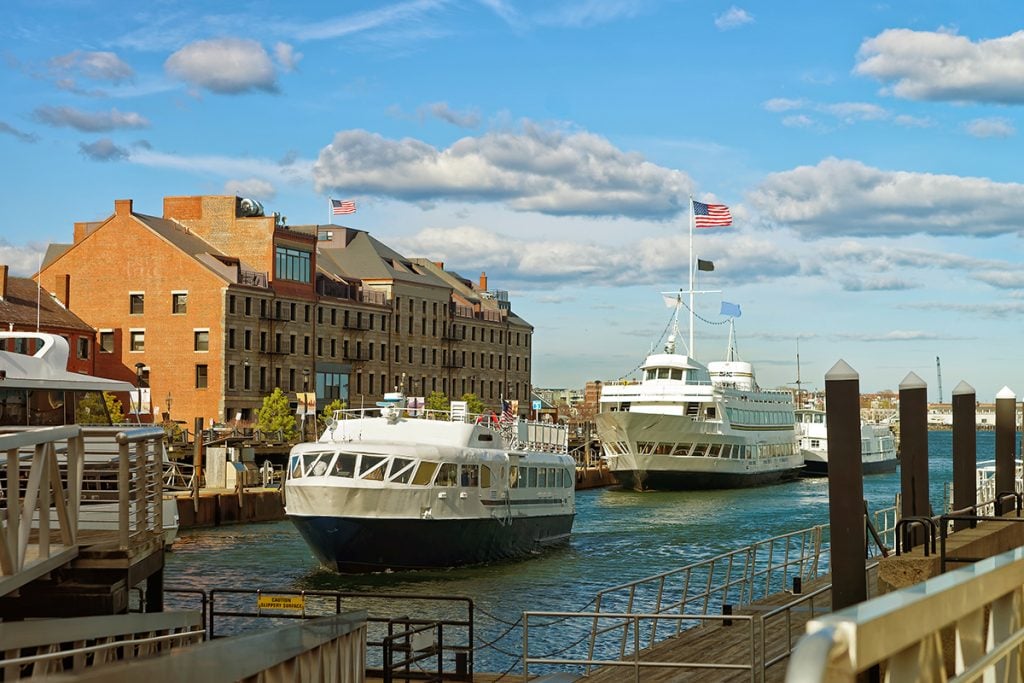
For a truly unique and picturesque way to reach Cape Cod, consider taking a ferry. Several ferry services operate seasonally from the Boston Harbor area to various points on the Cape. This option offers a delightful maritime experience, allowing you to soak in the coastal vistas and enjoy a refreshing sea breeze.
The most popular ferry routes depart from Boston Harbor and typically arrive at Provincetown and Hyannis. Companies like Boston Harbor Cruises often operate these services. The ferry ride to Provincetown is a direct and scenic journey across the Massachusetts Bay, taking approximately 1.5 hours. The ferry to Hyannis is also a popular choice, offering a direct link to the heart of the Cape.
These ferry services are highly seasonal, typically running from late May through early October. It’s crucial to check the schedules and book your tickets well in advance, as they are a popular choice for both locals and tourists. The experience of arriving by sea provides an immediate sense of vacation and escape.
Benefits of Taking a Ferry:
- Spectacular Scenery: Enjoy breathtaking views of the Boston skyline receding and the approach to the shores of Cape Cod.
- Unique Experience: A memorable way to travel that sets the tone for a relaxing vacation.
- Avoids Traffic: Bypass road congestion entirely.
- Direct Access: Often delivers you directly to popular tourist hubs like Provincetown and Hyannis.
Considerations for Taking a Ferry:
- Seasonal Operation: Limited availability during the spring and fall, and not typically running in the winter.
- Weather Dependent: Ferry schedules can be affected by adverse weather conditions.
- Limited Luggage Space: While generally accommodating, there might be restrictions on the amount of luggage you can bring compared to a car.
- Cost: Can sometimes be more expensive than other modes of transport.
Ride-Sharing and Taxis: On-Demand Convenience
For shorter distances or as a supplement to other transportation methods, ride-sharing services like Uber and Lyft, as well as traditional taxi services, can be utilized. While less common for the entire journey from Boston to Cape Cod due to cost and availability, they are excellent for last-mile transportation once you are on the Cape or for shorter segments if you are already near the region.
If you are arriving at Boston Logan International Airport and your final destination is on the Cape, booking a private car service or a ride-share might be an option, though it will be a significant expense. On Cape Cod itself, these services are invaluable for getting around within towns or between villages if you don’t have your own vehicle. It’s advisable to check the availability and pricing of these services in your specific Cape Cod destination, as coverage can vary.
Benefits of Ride-Sharing/Taxis:
- Door-to-Door Service: Ultimate convenience for direct transport.
- On-Demand Availability: Useful for spontaneous trips or when other options are limited.
- Local Knowledge: Drivers often have good insights into the area.
Considerations for Ride-Sharing/Taxis:
- Cost: Can be very expensive for the full trip from Boston.
- Availability: May be less readily available in more remote areas of Cape Cod.
- Surge Pricing: Ride-sharing services can implement surge pricing during peak demand, significantly increasing costs.
Planning Your Trip
Choosing the best way to get from Boston to Cape Cod depends heavily on your individual priorities. Consider your budget, the amount of time you have, your tolerance for driving, and what kind of travel experience you desire.
- For Maximum Flexibility and Exploration: Driving is the clear winner, allowing you to chart your own course and explore the many nooks and crannies of Cape Cod.
- For a Relaxed and Budget-Conscious Journey: The MBTA Commuter Rail (seasonal) or intercity bus services offer comfortable and affordable alternatives to driving.
- For a Picturesque and Memorable Arrival: The ferry provides a unique maritime experience, perfect for those seeking a scenic and refreshing start to their Cape Cod adventure.
Regardless of your chosen method, booking in advance is always recommended, particularly during the bustling summer season. Researching specific schedules, potential delays, and local transport connections on the Cape will ensure a seamless transition to your idyllic coastal destination. Enjoy your journey to the beautiful shores of Cape Cod!
LifeOutOfTheBox is a participant in the Amazon Services LLC Associates Program, an affiliate advertising program designed to provide a means for sites to earn advertising fees by advertising and linking to Amazon.com. Amazon, the Amazon logo, AmazonSupply, and the AmazonSupply logo are trademarks of Amazon.com, Inc. or its affiliates. As an Amazon Associate we earn affiliate commissions from qualifying purchases.