
Navigating the administrative requirements of a new state can be one of the less glamorous, yet entirely essential, aspects of establishing residency. For those relocating to the scenic landscapes and vibrant communities of Colorado, registering your vehicle is a critical step that ensures compliance with state law and allows you to fully enjoy everything the Centennial State has to offer, from urban explorations in Denver to mountain adventures near Vail. This comprehensive guide breaks down the specific documents, processes, and considerations involved in registering a car in Colorado, ensuring a smooth transition for new residents and seasoned locals alike.
Understanding Colorado’s Vehicle Registration Requirements
Colorado law mandates that all vehicles primarily garaged or operated within the state must be properly registered. This requirement applies to both new purchases and vehicles brought in by residents relocating from other states. The primary agency responsible for vehicle registration in Colorado is the Colorado Division of Motor Vehicles (DMV), often managed at the county level by local county clerk and recorder offices.
Who Needs to Register a Vehicle?
Anyone who has recently moved to Colorado and intends to make it their permanent residence is generally required to register their out-of-state vehicle within 90 days of establishing residency. This 90-day window provides ample time to gather necessary documents and schedule appointments. Similarly, vehicles purchased within Colorado, whether new or used, must be registered promptly, typically within 60 days of purchase. Failing to register a vehicle within these timelines can result in penalties, including fines.
Importance of Registration
Beyond legal compliance, vehicle registration in Colorado serves several vital functions. It ensures that vehicles meet safety and emissions standards, contributes to state and local infrastructure through registration fees, and helps maintain accurate ownership records. Proper registration also facilitates law enforcement efforts and ensures vehicles on the road are insured, protecting all drivers. It’s an integral part of responsible vehicle ownership within the state.
Essential Documents for Registration
Gathering the correct paperwork before visiting a DMV or county motor vehicle office is crucial to avoid multiple trips and delays. The specific documents required can vary slightly depending on whether you are a new resident, have purchased a new vehicle, or are renewing an existing registration. However, a core set of documents is almost always necessary.
Proof of Ownership
This is arguably the most critical document. For vehicles purchased in Colorado, this will typically be the Manufacturer’s Statement of Origin (MSO) for a new vehicle or the properly assigned title for a used vehicle. If you’re relocating from another state, you’ll need your out-of-state title. If your vehicle is financed or leased, the lienholder or leasing company may hold the title, requiring additional paperwork or communication.
Proof of Identity and Residency
You’ll need to demonstrate who you are and that you reside in Colorado. A valid Colorado driver’s license is ideal for both. If you’re a new resident and haven’t yet obtained a Colorado license, a valid out-of-state driver’s license along with proof of your new Colorado address (e.g., utility bill, lease agreement, bank statement) will suffice. Two forms of proof of residency are often requested.
Proof of Insurance
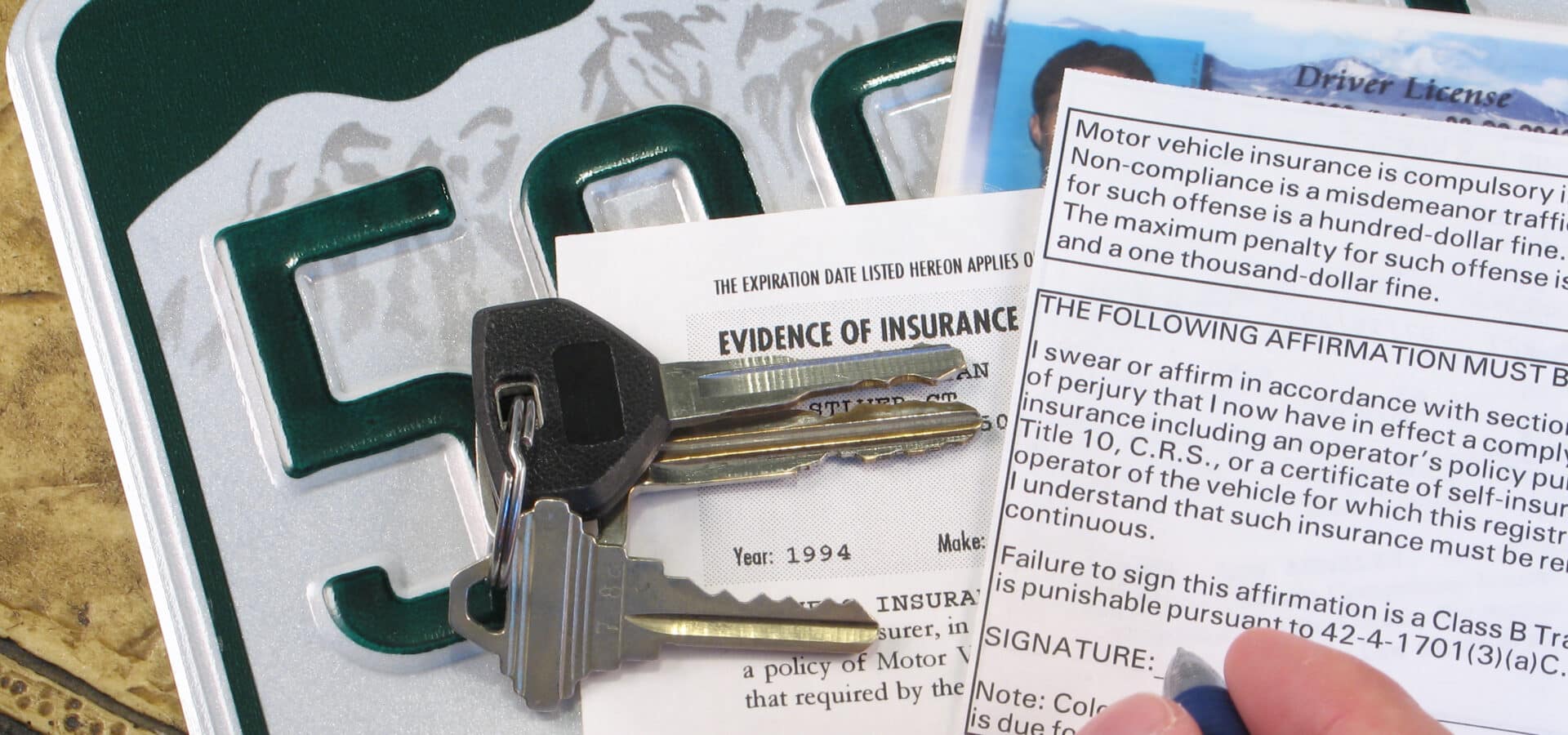
Colorado is a mandatory insurance state. You must carry minimum liability coverage on your vehicle. When registering, you’ll need to provide proof of current Colorado auto insurance coverage. An insurance card or declaration page from your insurer listing your vehicle and policy details will usually work. Ensure your policy meets the state’s minimum requirements, which currently are $25,000 for bodily injury per person, $50,000 for bodily injury per accident, and $15,000 for property damage.
Emissions Test Certificate (If Applicable)
Many counties in Colorado, particularly those along the Front Range including Denver, Boulder, Colorado Springs, and Fort Collins, require vehicles to pass an emissions test. Vehicles registered in these areas must undergo an inspection by a certified Air Care Colorado emissions testing station. Newer vehicles (usually within their first 7 model years) are often exempt, as are older vehicles (pre-1975) and certain vehicle types. It’s crucial to verify if your county and vehicle require an emissions test before your registration appointment. The certificate is typically valid for one or two years.
Vehicle Identification Number (VIN) Verification
For vehicles transferring from out-of-state, a VIN verification is required. This ensures the VIN on your vehicle matches the VIN on your title and that the vehicle is not stolen. This inspection can be performed by authorized DMV personnel, licensed Colorado automobile dealers, or law enforcement officers. Some emissions testing stations may also offer VIN verification.
The Registration Process: Step-by-Step
Once you have all your documents in order, the actual registration process is straightforward, though it requires attention to detail.
Step 1: Emissions Testing (If Required)
Before heading to the DMV, determine if your vehicle needs an emissions test. If it does, locate an authorized Air Care Colorado testing station. Ensure your vehicle passes and you receive the official certificate. This certificate is typically electronically submitted but having a physical copy for your records is wise.
Step 2: Obtain VIN Verification (If Required)
For out-of-state vehicles, get your VIN verification done. Many county motor vehicle offices have staff who can do this on-site, or you can visit a licensed dealer or police department. Some emissions stations also provide this service simultaneously.
Step 3: Visit Your County Motor Vehicle Office
Vehicle registration in Colorado is handled at the county level. You will need to visit the motor vehicle office in the county where you reside. Many counties allow you to schedule an appointment online, which can save considerable waiting time.
Step 4: Submit Documents and Pay Fees
At the motor vehicle office, present all your gathered documents:
- Proof of ownership (title or MSO)
- Proof of identity and residency
- Proof of Colorado auto insurance
- Emissions test certificate (if applicable)
- VIN verification form (if applicable)
You will then be required to pay the applicable registration fees. These fees vary significantly based on the type of vehicle, its weight, age, purchase price, and specific county fees. Colorado also charges various road and bridge surcharges, and a specific ownership tax, which is calculated based on the vehicle’s original taxable value and its age. Be prepared for these costs, which can sometimes be substantial for newer vehicles. Payment methods typically include cash, check, or credit/debit card, though some offices may have specific policies regarding card payments.
Step 5: Receive License Plates and Registration
Once all documents are approved and fees are paid, you will be issued your new Colorado license plates, a temporary registration permit, and the official registration card. You must affix your license plates to your vehicle immediately and carry the registration card with you. Your physical Colorado title will typically be mailed to you within a few weeks, unless there is a lienholder, in which case it will be sent directly to them.
Special Considerations and Exemptions
While the general process covers most situations, certain scenarios warrant additional attention.
Leased Vehicles
If your vehicle is leased, you will still need to register it in Colorado. However, the leasing company typically holds the title. You will need to contact your leasing company to obtain a power of attorney and any necessary documents they require to allow you to register the vehicle on their behalf. They may also need to send the original title or a copy directly to the Colorado DMV or county office.
Vehicles with Liens
For vehicles with an outstanding loan, the lienholder retains the vehicle’s title. When you register the vehicle in Colorado, the state will typically request the title directly from your lienholder. It’s a good practice to inform your lienholder that you are moving to Colorado and will be registering the vehicle there, as they may have specific procedures or forms they require you to complete.
Historic Vehicles and Custom Builds
Colorado has specific registration categories for historic vehicles, street rods, and custom-built cars, each with its own set of requirements and potentially different inspection processes and fees. Owners of such vehicles should consult the Colorado Division of Motor Vehicles website or their county motor vehicle office for detailed guidance.
Military Personnel
Active-duty military personnel stationed in Colorado but who maintain residency in another state may be exempt from the requirement to register their vehicle in Colorado. However, this exemption typically applies only if the vehicle is properly registered in their home state. It’s essential for military members to understand the Servicemembers Civil Relief Act (SCRA) and consult their base legal office or the Colorado DMV for current regulations.
Maintaining Your Colorado Vehicle Registration
Registering your car is not a one-time event. Like most states, Colorado requires annual or biennial renewal of your vehicle registration.
Registration Renewal
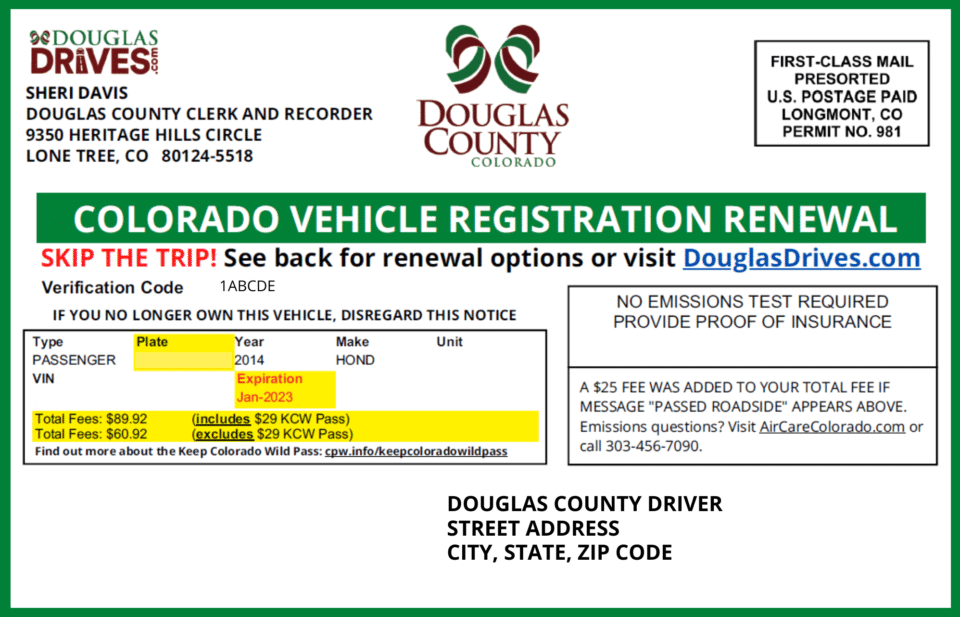
Colorado vehicle registrations are typically valid for one year, though some counties may offer multi-year options. You will receive a renewal notice in the mail before your registration expires. Renewals can often be completed online, by mail, or in person at a county motor vehicle office. If your vehicle is subject to emissions testing, you will need a valid emissions certificate on file to renew. Ensure your insurance is current, as this is also verified during renewal.

Changing Vehicle Information
If you move to a new address within Colorado, purchase a new vehicle, or sell an existing one, it’s crucial to update your registration information promptly. Address changes can often be made online. For vehicle changes, the process will involve transferring titles and possibly new registration.
Registering your car in Colorado is a foundational step for anyone calling the state home. By understanding the requirements, gathering the necessary documents, and following the outlined steps, you can ensure a smooth and compliant process, freeing you up to explore the breathtaking beauty and vibrant communities that make Colorado such a sought-after destination.
LifeOutOfTheBox is a participant in the Amazon Services LLC Associates Program, an affiliate advertising program designed to provide a means for sites to earn advertising fees by advertising and linking to Amazon.com. Amazon, the Amazon logo, AmazonSupply, and the AmazonSupply logo are trademarks of Amazon.com, Inc. or its affiliates. As an Amazon Associate we earn affiliate commissions from qualifying purchases.