
Slow cooking a Boston butt, a flavorful cut of pork shoulder, is a cornerstone of Southern cuisine and a rewarding culinary adventure. The inherent marbling and connective tissues within the Boston butt break down beautifully during a long, low-temperature cooking process, resulting in exceptionally tender, succulent, and pull-apart meat. This method not only maximizes flavor but also renders the meat incredibly forgiving, making it an ideal dish for both novice and experienced home cooks. Whether you’re preparing for a backyard barbecue, a family gathering, or simply indulging in some comforting home-cooked fare, mastering the art of slow-cooked Boston butt will undoubtedly become a treasured skill.
Understanding the Boston Butt and Preparation
The Boston butt, also known as pork shoulder or pork butt, is a primal cut taken from the upper portion of the hog’s shoulder. It’s characterized by its rich intramuscular fat and collagen, which are crucial for achieving that melt-in-your-mouth texture. The “butt” designation doesn’t refer to its shape but rather to the historical practice of storing it in a barrel, or “butt.”
Selecting the Right Cut
When selecting a Boston butt, look for a piece that is well-marbled with fat. The fat is essential for moisture and flavor throughout the long cooking process. A bone-in Boston butt often offers slightly more flavor and can help with even cooking, though boneless versions are also perfectly suitable. Aim for a roast that weighs between 4 to 8 pounds, as this size range typically yields excellent results for slow cooking.
Trimming and Seasoning
Before applying any seasonings, it’s often beneficial to trim some of the excess fat cap, if it’s excessively thick (more than ¼ inch). However, be careful not to remove too much, as this fat will render down and contribute significantly to the moisture and flavor of the finished product.
The seasoning of a Boston butt is where personal preference truly shines. A classic approach involves a dry rub, often referred to as a “Q-rub.” Common ingredients include:
- Paprika: Provides color and a mild, sweet pepper flavor.
- Brown Sugar: Adds a touch of sweetness and aids in caramelization.
- Salt: Enhances all other flavors and helps tenderize the meat.
- Black Pepper: Offers a pungent kick.
- Garlic Powder and Onion Powder: Contribute aromatic depth.
- Cayenne Pepper or Chili Powder: For a hint of heat, if desired.
Apply the rub generously over the entire surface of the Boston butt, ensuring all sides are coated. You can apply the rub immediately before cooking or, for deeper flavor penetration, let the seasoned butt rest in the refrigerator, uncovered, for several hours or even overnight. This dry brining process helps to draw out moisture initially, which is then reabsorbed along with the seasonings.
The Art of Slow Cooking: Methods and Temperatures
Slow cooking is all about patience and low temperatures. The goal is to gently break down the tough connective tissues in the pork shoulder into gelatin, which then lubricates the meat, making it incredibly tender and moist. Several methods can be employed, each with its own advantages.
Oven Roasting
The oven is a reliable and accessible tool for slow cooking a Boston butt. This method allows for precise temperature control and minimal fuss.
- Preheat the Oven: Set your oven to a low temperature, typically between 250°F (120°C) and 300°F (150°C). Lower temperatures will require longer cooking times but often yield more tender results.
- Roasting Pan: Place the seasoned Boston butt in a roasting pan, fat-side up. The fat cap will render and baste the meat as it cooks.
- Liquid (Optional): Some cooks like to add a small amount of liquid to the bottom of the roasting pan, such as water, apple cider, or broth. This can help create a moist environment and catch drippings for gravy, though it’s not strictly necessary for a Boston butt, which is naturally moist.
- Covering: Tightly cover the roasting pan with aluminum foil or a lid. This traps steam and prevents the meat from drying out.
- Cooking Time: The general guideline for oven-roasting a Boston butt is approximately 1 to 1.5 hours per pound at 275°F (135°C). A 5-pound Boston butt, for instance, could take anywhere from 5 to 7.5 hours.
- Monitoring Temperature: The most critical indicator of doneness is internal temperature. You’re looking for an internal temperature of 195°F to 205°F (90°C to 96°C) when probed with a meat thermometer. The meat should be fork-tender, meaning a fork can be easily inserted and twisted with little resistance.
Smoker or Barbecue Grill
For those seeking a smoky flavor and a traditional barbecue experience, a smoker or a barbecue grill set up for indirect heat is ideal. This method introduces a depth of flavor that oven roasting alone cannot replicate.

- Prepare the Smoker/Grill: If using a smoker, maintain a consistent temperature between 225°F (107°C) and 275°F (135°C). If using a charcoal grill, arrange the coals on one side and place the Boston butt on the other, using a drip pan filled with water or apple juice underneath to catch drippings and add moisture.
- Wood Chunks/Chips: Incorporate your preferred smoking wood. Popular choices for pork include hickory, mesquite, applewood, and cherry wood.
- Smoking Time: Similar to oven roasting, the cooking time is dictated by weight and temperature. Expect 1.5 to 2 hours per pound at 250°F (120°C).
- The Stall: Be prepared for “the stall,” a phenomenon where the internal temperature plateaus for several hours, typically between 150°F and 165°F (65°C and 74°C). This is due to evaporative cooling. Pushing through the stall is essential for achieving tender results.
- The Wrap (Texas Crutch): To overcome the stall and expedite cooking while preserving moisture, many pitmasters wrap the Boston butt in butcher paper or heavy-duty aluminum foil once it reaches an internal temperature of around 160°F to 165°F (71°C to 74°C). This is often referred to as the “Texas Crutch.”
- Final Temperature: Continue cooking until the internal temperature reaches 195°F to 205°F (90°C to 96°C) and the meat is probe-tender.
Slow Cooker (Crock-Pot)
For ultimate convenience and consistent results with minimal effort, a slow cooker is an excellent choice.
- Sear (Optional but Recommended): For enhanced flavor and color, sear the seasoned Boston butt in a hot skillet with a little oil before placing it in the slow cooker.
- Place in Slow Cooker: Put the Boston butt into the slow cooker insert.
- Add Liquid: Pour in about ½ to 1 cup of liquid. This could be chicken broth, beef broth, apple cider, or even a bit of barbecue sauce.
- Set Temperature and Time: Cook on the “LOW” setting for 8 to 10 hours, or on the “HIGH” setting for 4 to 6 hours. The exact time will depend on the size of the roast and the specific slow cooker.
- Check for Tenderness: The meat is ready when it shreds easily with a fork. The internal temperature should be in the 195°F to 205°F (90°C to 96°C) range.
Resting and Shredding: The Final Touches
Once your Boston butt has reached the desired internal temperature and is incredibly tender, the cooking process is not quite complete. Resting is a crucial step that allows the juices to redistribute throughout the meat, ensuring maximum moisture and flavor.
The Importance of Resting
Remove the cooked Boston butt from the heat source and let it rest for at least 20 to 30 minutes before shredding. For even better results, you can tent it loosely with foil. This period of rest allows the muscle fibers to relax, preventing the juices from running out when the meat is cut or pulled apart.
Shredding the Meat
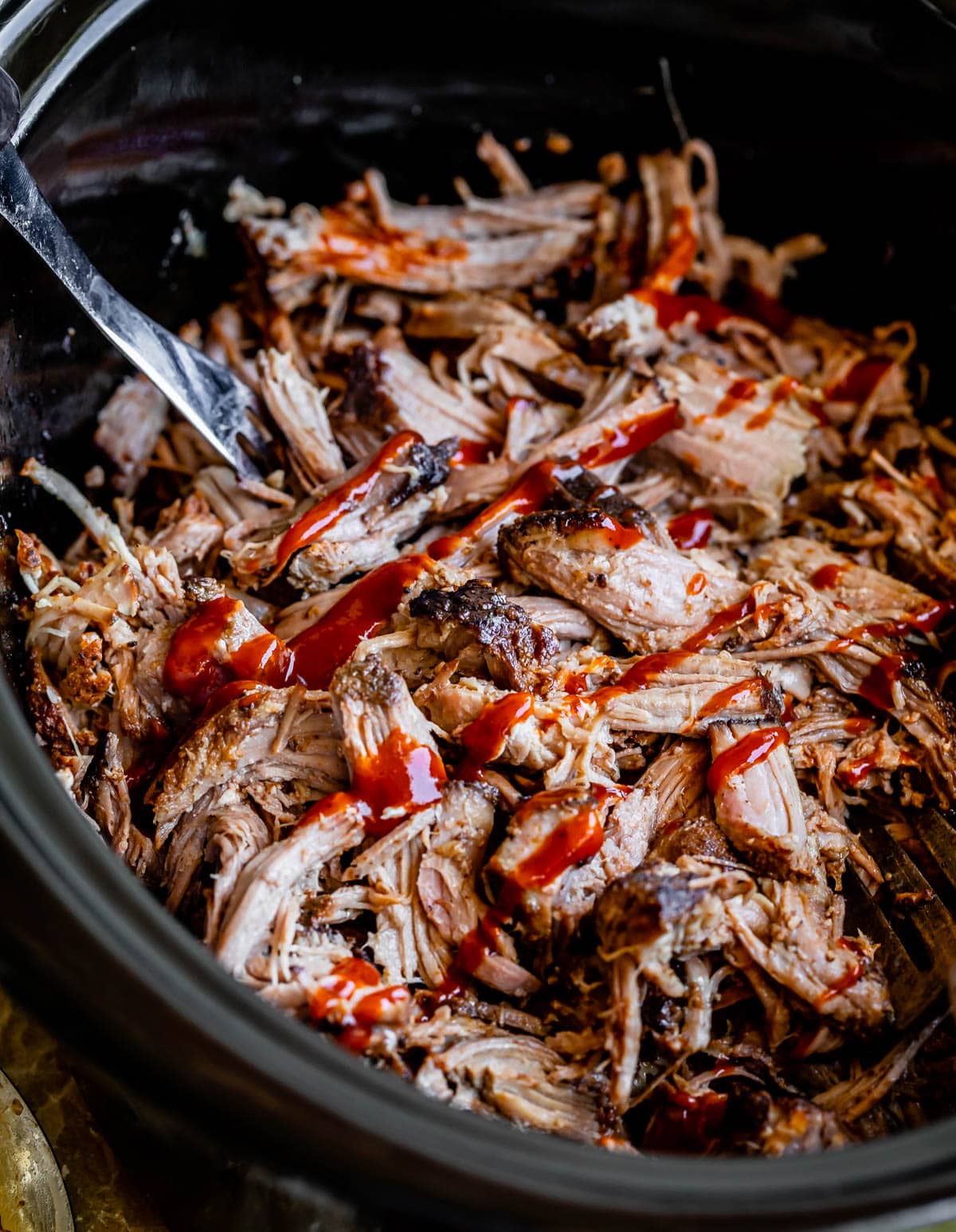
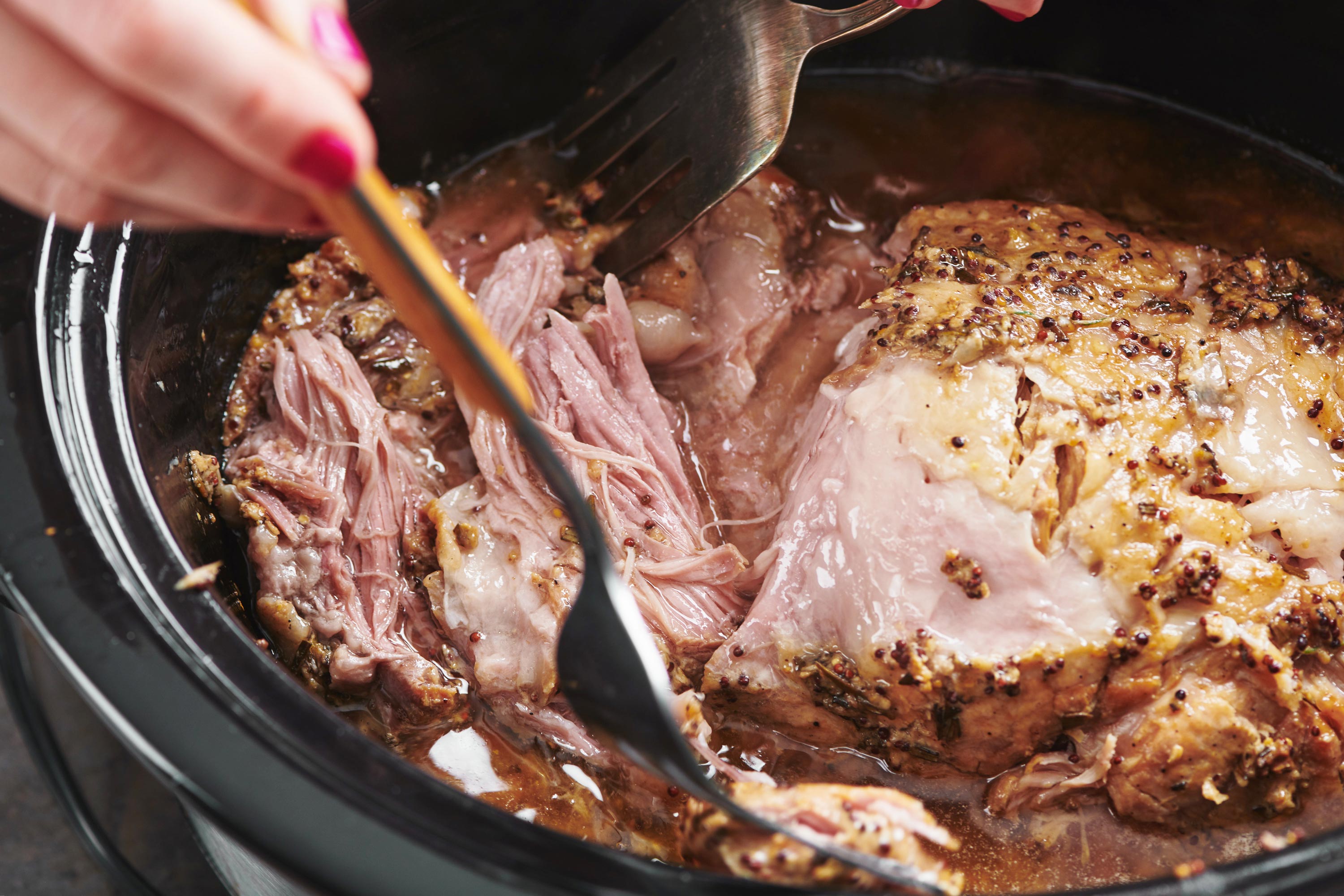
Shredding is the signature finish for a slow-cooked Boston butt. The tenderness achieved through slow cooking makes this process incredibly easy.
- Use Two Forks: Insert two forks into the meat and pull them in opposite directions. The meat should easily separate into strands.
- Remove Excess Fat and Bones: As you shred, discard any large pieces of solid fat or the bone (if bone-in). You can also remove any particularly tough or dry pieces, though these should be minimal with proper slow cooking.
- Incorporate Juices: As you shred, you can mix the rendered juices and any flavorful drippings back into the pulled pork. This is where much of the concentrated flavor resides.
- Saucing (Optional): At this stage, you can toss the shredded pork with your favorite barbecue sauce, or serve it on the side for individuals to add as they please.
Serving Suggestions and Culinary Applications
A slow-cooked Boston butt is incredibly versatile. Its rich, savory flavor and tender texture make it a star in a variety of dishes.
Classic Barbecue
The most common way to serve slow-cooked Boston butt is as pulled pork sandwiches. Pile the shredded meat high on toasted buns, perhaps with a side of coleslaw and pickles. This is a staple at events throughout the United States, particularly in states like North Carolina, Texas, and Kansas City.
Beyond the Sandwich
The possibilities extend far beyond sandwiches:
- Tacos and Burritos: The shredded pork makes a fantastic filling for tacos, burritos, or quesadillas.
- Nachos: Layer the pulled pork over tortilla chips with cheese, salsa, and your favorite toppings for loaded nachos.
- Hash: In some regions, like the Carolinas, it’s incorporated into a savory pork hash, often served with rice.
- Casseroles and Soups: The shredded meat can add depth and flavor to casseroles, stews, and hearty soups.
- Hash and Rice: A classic Lowcountry dish often features a savory hash made with pork and rice, a comforting and flavorful meal.
Whether you’re a seasoned home cook or just beginning your culinary journey, mastering the slow-cooked Boston butt is a rewarding endeavor that opens the door to a world of delicious possibilities. The patience required for this cooking method is handsomely rewarded with incredibly tender, flavorful, and satisfying pork that is sure to impress.
LifeOutOfTheBox is a participant in the Amazon Services LLC Associates Program, an affiliate advertising program designed to provide a means for sites to earn advertising fees by advertising and linking to Amazon.com. Amazon, the Amazon logo, AmazonSupply, and the AmazonSupply logo are trademarks of Amazon.com, Inc. or its affiliates. As an Amazon Associate we earn affiliate commissions from qualifying purchases.