
Navigating the complexities of unemployment benefits in Texas after a termination can be a source of significant anxiety. The Lone Star State, like all others, has specific regulations governing eligibility, and understanding these rules is crucial for anyone facing job loss. While the general principle is that unemployment benefits are designed to assist those who have lost their jobs through no fault of their own, being fired introduces a layer of scrutiny that can affect an individual’s claim. This article aims to demystify the process in Texas, exploring the conditions under which a terminated employee might qualify for unemployment benefits and what factors the Texas Workforce Commission (TWC) considers.

Understanding Texas Unemployment Eligibility
In Texas, unemployment benefits are administered by the Texas Workforce Commission (TWC). To be eligible for benefits, an individual must meet several key requirements, including having earned sufficient wages during their base period and being unemployed through no fault of their own. The “no fault of your own” clause is where being fired becomes a critical point of consideration. The TWC differentiates between types of terminations, and this distinction often determines eligibility.
Separating “Good Cause” from “Misconduct”
The TWC assesses the reason for termination to determine if it constitutes “misconduct” or if the employee was terminated for “good cause” that doesn’t disqualify them.
Misconduct Defined by TWC
Texas law, as interpreted by the TWC, defines misconduct as a deliberate or reckless disregard of the employer’s interests or a disregard of the standards of behavior that the employer has a right to expect of an employee. This can include a wide range of actions, such as:
- Willful violation of company policy: Repeatedly ignoring established rules, even after warnings, can lead to disqualification. This might involve policies on attendance, safety, or conduct.
- Insubordination: Refusing to follow reasonable instructions from a supervisor, especially when the instructions do not pose a danger or are not illegal.
- Dishonesty: Theft, falsification of records, or other deceptive practices.
- Repeated tardiness or absenteeism without valid excuses: While occasional lateness might be overlooked, a pattern of unexcused absences can be deemed misconduct.
- Poor performance despite warnings: If an employee consistently fails to meet job expectations, and the employer has provided clear feedback and opportunities for improvement, termination may be considered for reasons other than disqualifying misconduct. However, if the poor performance is due to negligence or a lack of effort rather than an inability to perform, it could lean towards misconduct.
- Violation of safety rules: Endangering oneself or others through the disregard of established safety protocols.
“Good Cause” Terminations
Conversely, a termination may be considered “for good cause” if the employee did not engage in misconduct. This often means the termination was due to circumstances outside the employee’s direct control or responsibility, or a situation where the employer’s actions or policies led to the separation. Examples might include:
- Layoffs due to economic reasons: When a company downsizes or restructures due to financial difficulties, employees are typically eligible for unemployment benefits.
- Company closure: If the business ceases operations, all affected employees may qualify.
- Disagreement over job duties or work environment (within limits): While employees are expected to perform their assigned duties, if significant changes are made to the scope of a job without agreement, or if the work environment becomes untenable due to the employer’s actions (e.g., harassment that is not adequately addressed by the employer), termination might not be disqualifying. However, this area can be complex and highly fact-dependent.
- Inability to perform the job due to a legitimate reason: If an employee is terminated because they can no longer perform the essential functions of their job due to a sudden, verifiable physical or mental health issue, and they have made reasonable efforts to accommodate the situation, they may not be disqualified. However, failure to provide adequate documentation or to engage in the accommodation process could lead to disqualification.
The TWC Claims Process and Investigation
When you file for unemployment benefits in Texas, the TWC will investigate the circumstances surrounding your separation from employment. This process typically involves:
- Initial Claim Filing: You will file a claim online, by mail, or by phone. You’ll need to provide details about your employment history, including your most recent employer and the reason for your separation.
- Employer Response: The TWC will notify your former employer about your claim and request information regarding your termination. The employer will have an opportunity to provide their perspective.
- TWC Determination: Based on the information provided by both you and your employer, a claims adjudicator at the TWC will make a determination regarding your eligibility. This often involves reviewing company policies, warning records, and any documentation related to the termination.
- Appeals Process: If you disagree with the TWC‘s determination, you have the right to appeal. The appeals process involves a hearing where you can present your case and evidence.
Crucial Documentation and Your Role
Your active participation and honest representation are paramount during the claims process. Be prepared to provide:
- Dates of employment: From your first to your last day.
- Reason for separation: Be clear and truthful. If you were fired, explain the circumstances from your perspective.
- Warnings received: If you received any written or verbal warnings, be ready to discuss them.
- Company policies: If you believe you were not in violation of a policy, or if the policy was unclear or inconsistently applied, gather any evidence you have.
- Efforts made to correct issues: If your termination was performance-related, detail any steps you took to improve.
- Witnesses: If there were individuals who can attest to your situation, note their contact information.
It is vital to be completely truthful in your statements to the TWC. Misrepresenting facts can lead to disqualification and potentially penalties.
Common Scenarios and Their Impact on Eligibility
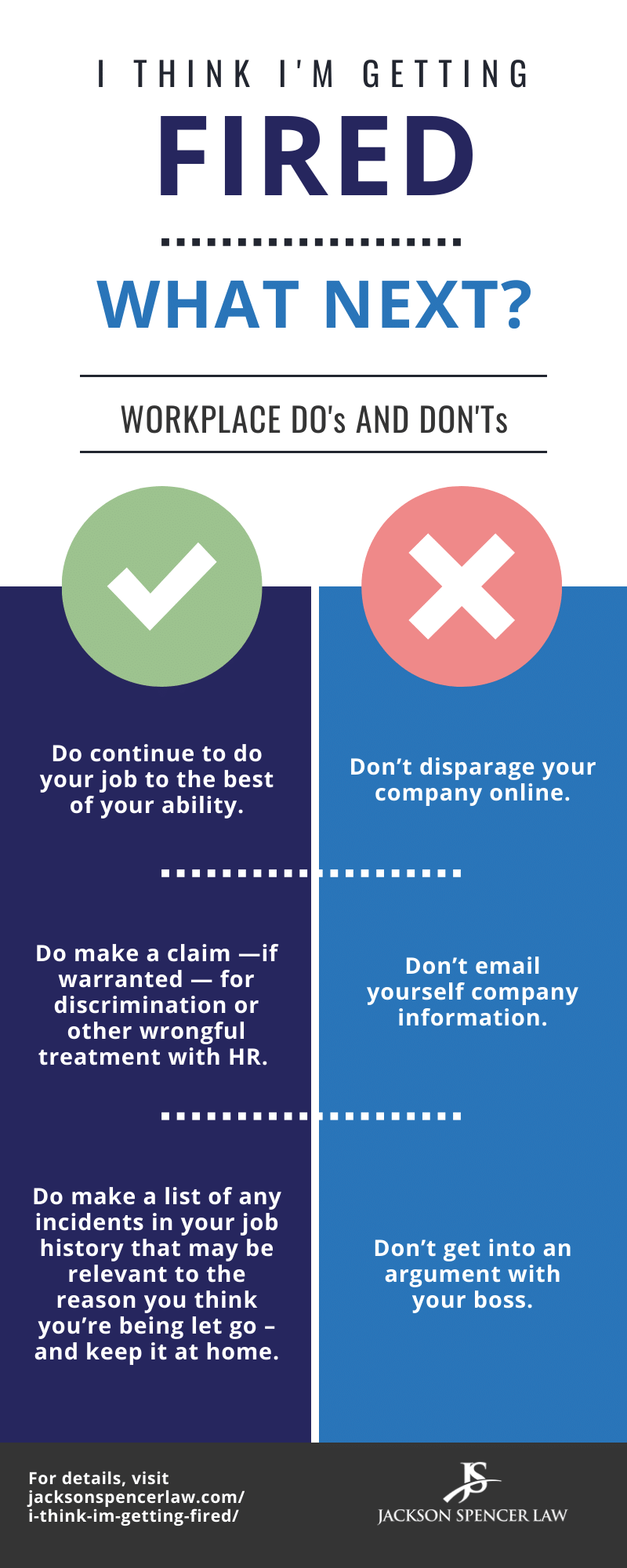
Several common reasons for termination are frequently debated in unemployment claims. Understanding how the TWC typically views these scenarios can help prepare you.
Performance-Based Terminations
If you were fired due to poor job performance, your eligibility hinges on whether the TWC finds that your performance issues constituted misconduct. Generally, if you were meeting expectations and then your performance declined due to a lack of effort, carelessness, or a deliberate refusal to improve after being given clear guidance and opportunities, it may be deemed misconduct. However, if you were performing adequately and the employer suddenly raised the bar unreasonably, or if you were unable to meet expectations due to circumstances beyond your control (and you attempted to address them), you might still be eligible.
Violations of Company Policy
As mentioned, a deliberate or reckless violation of a known company policy is often grounds for disqualification. However, the TWC will examine the nature of the policy and your actions. Was the policy clear? Was it consistently enforced? Did you have knowledge of the policy? For instance, a minor, unintentional violation of a seldom-enforced policy might not result in disqualification, whereas a serious or repeated violation of a critical policy likely would.
Disputes with Management or Coworkers
Disagreements in the workplace are common. If you were fired for arguing with a supervisor or a coworker, the TWC will look at the context. Was the dispute a result of insubordination or a deliberate act to disrupt the workplace? Or was it a heated but isolated incident? The employer’s response to the situation and their policies on workplace conduct will also be considered.
Tardiness and Absenteeism
A pattern of unexcused tardiness or absenteeism is a frequent reason for termination and often leads to disqualification. Employers are generally expected to have clear attendance policies, and repeated violations, especially after warnings, are typically viewed as misconduct. However, legitimate reasons for absence (e.g., documented illness, family emergencies) are usually taken into account. It is imperative to provide proof for any excused absences.
Maximizing Your Chances of Approval
Even when facing termination, there are proactive steps you can take to strengthen your potential unemployment claim.
Maintain Detailed Records
Keep copies of your employment contract, employee handbook, performance reviews, any written warnings, and communications with your employer. If you believe your termination was unfair or due to circumstances beyond your control, document everything meticulously. This includes notes on conversations, dates, and the content of discussions.
Understand Your Rights and Responsibilities
Familiarize yourself with the Texas Unemployment Compensation Act and the rules and regulations of the TWC. Knowing your rights and responsibilities as a claimant and the definitions of misconduct and good cause will empower you to present a stronger case.
Be Honest and Transparent
Never lie or misrepresent information to the TWC. Honesty is the best policy, and any detected deception can lead to immediate disqualification and potential legal consequences. Present your situation factually and clearly.

Seek Legal Counsel If Necessary
If your termination is complex, or if you believe you have been wrongfully terminated and are facing significant financial hardship, consulting with an employment lawyer specializing in Texas labor law can provide invaluable guidance. They can help you understand your rights and navigate the appeals process if your initial claim is denied.
While being fired in Texas presents a more challenging path to unemployment benefits than a layoff, it is not an automatic denial. The Texas Workforce Commission conducts a thorough review of each case, focusing on the specific reasons for termination and whether they align with the legal definitions of misconduct. By understanding the criteria, preparing your documentation, and presenting your case truthfully and effectively, you can significantly improve your chances of receiving the benefits you may be entitled to.
LifeOutOfTheBox is a participant in the Amazon Services LLC Associates Program, an affiliate advertising program designed to provide a means for sites to earn advertising fees by advertising and linking to Amazon.com. Amazon, the Amazon logo, AmazonSupply, and the AmazonSupply logo are trademarks of Amazon.com, Inc. or its affiliates. As an Amazon Associate we earn affiliate commissions from qualifying purchases.