
Embarking on a transcontinental journey from the bustling metropolis of New York City to the sun-drenched shores of California is an exciting prospect for travelers seeking adventure, business opportunities, or a change of scenery. This iconic route connects the East Coast and West Coast of the United States, representing a significant distance that makes air travel the most practical and popular choice. Understanding the nuances of flight duration, from direct routes to various factors influencing travel time, is key to planning a seamless and enjoyable experience.
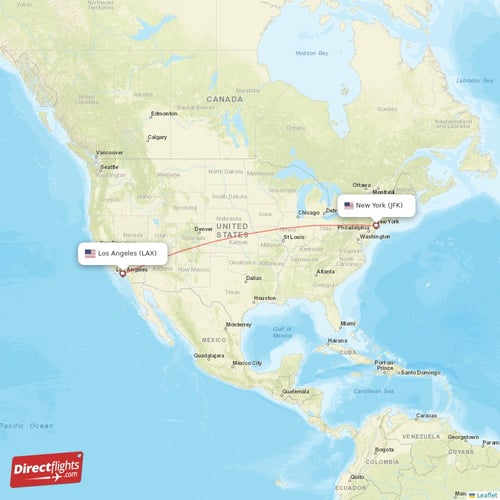
The core question, “How long is a flight from NYC to California?”, doesn’t have a single, simple answer. California is a vast state, and New York City itself is served by multiple major airports. The flight duration can vary significantly based on the specific departure and arrival airports, whether the flight is direct or involves connections, prevailing wind conditions, and even the type of aircraft. Generally, a direct flight between NYC and a major California city like Los Angeles or San Francisco will range from approximately 5.5 to 6.5 hours in the air. However, this is just the airborne portion; the total travel time, including check-in, security, boarding, and deplaning, will naturally extend the overall journey. For anyone planning such a trip, delving into these details can make all the difference, transforming a potentially stressful journey into a smooth passage across the nation.
Understanding Flight Durations: Factors at Play
The perceived length of a flight is influenced by a multitude of factors, far beyond just the geographical distance between New York City and California. Travelers often focus on the advertised flight time, but understanding the underlying elements that contribute to this duration provides a more comprehensive picture for planning. From the specific airports chosen to the intricate dance of air traffic control and even the subtle influence of atmospheric conditions, each element plays a role in defining your journey across the Continental United States.
Direct Flights vs. Connecting Journeys
The most significant factor determining flight duration is whether you choose a direct (non-stop) flight or one with connections.
- Direct Flights: For a direct flight from NYC to major California hubs like Los Angeles International Airport (LAX) or San Francisco International Airport (SFO), the flight time typically falls between 5 hours 30 minutes and 6 hours 30 minutes. Flights heading westward generally take longer due to prevailing headwind currents, often adding 30-60 minutes compared to eastbound flights. This direct option is ideal for business travelers or anyone prioritizing speed and convenience, minimizing time spent in transit and maximizing time at their destination. Major airlines like American Airlines, Delta Air Lines, United Airlines, JetBlue Airways, and Alaska Airlines frequently offer numerous non-stop services daily.
- Connecting Flights: While direct flights are highly sought after, connecting flights are also very common, especially for travelers looking for more budget-friendly options or flying to smaller California airports. A connecting flight will involve at least one layover, usually in a hub city like Chicago, Dallas, Denver, or Phoenix. The total travel time for a connecting flight can range anywhere from 8 to 12+ hours, depending on the length of the layover(s) and the efficiency of the connecting airports. While these flights take longer, they can offer flexibility in scheduling and sometimes a significant cost saving. It’s crucial to factor in layover times, potential delays, and the energy required for navigating multiple airports when considering this option.
Major Departure and Arrival Hubs
The specific airports you fly into and out of also play a crucial role in determining the overall travel duration.
- New York City Departure Points:
- John F. Kennedy International Airport (JFK) in Queens: A major international hub, JFK offers the most extensive selection of direct flights to various California cities.
- Newark Liberty International Airport (EWR) in Newark, New Jersey: Convenient for those in New Jersey or parts of Manhattan, EWR also has a strong presence for transcontinental flights, particularly with United Airlines.
- LaGuardia Airport (LGA) in Queens: Primarily handling domestic flights, LGA has fewer direct options to California compared to JFK or EWR, often requiring connections.
- California Arrival Points:
- Los Angeles International Airport (LAX): The busiest airport on the West Coast, offering the most frequent direct flights from NYC.
- San Francisco International Airport (SFO): A major hub for Northern California and Silicon Valley, with abundant direct flights.
- San Diego International Airport (SAN): Serves Southern California and has a decent number of direct options.
- Oakland International Airport (OAK) and Sacramento International Airport (SMF): These airports may have fewer direct flights from NYC and often necessitate connecting flights, leading to longer total travel times.
The choice of airport isn’t just about flight duration but also convenience to your final destination within California. A slightly longer flight might be worth it if it lands you closer to your hotel or planned activities in Anaheim or San Jose.
The Impact of Aircraft and Air Traffic
While less controllable by the passenger, the type of aircraft and the prevailing air traffic conditions significantly influence flight times.
- Aircraft Type: Modern aircraft like the Boeing 737 and Airbus A320 series are workhorses for this route, along with larger wide-body jets for some premium services. Newer models are often more fuel-efficient and can fly at higher speeds, potentially shaving a few minutes off a flight. However, the difference is often marginal for passengers.
- Air Traffic Control (ATC): Both NYC and California are regions with incredibly busy airspace. Delays can occur due to congestion at departure or arrival airports, leading to longer taxiing times or holding patterns in the air.
- Weather and Wind Conditions: Strong headwind (westbound) can add up to an hour to a flight, while strong tailwind (eastbound) can shorten it. Seasonal weather patterns, such as winter storms on the East Coast or fog in San Francisco, can cause significant delays, impacting overall travel duration.
Navigating Your Journey: Booking and Preparation
Beyond merely understanding the flight time, strategically booking and preparing for your NYC to California journey can significantly enhance the overall experience. This involves making informed decisions about airlines, optimizing your booking window, and packing smartly to ensure comfort during the prolonged flight. A well-planned trip starts long before you even reach the airport.
Choosing Your Airline and Class
The airline and class of service you choose can greatly affect your comfort and even the perceived duration of your flight.
- Airlines: Most major US carriers operate this route, including American Airlines, Delta Air Lines, United Airlines, Southwest Airlines, JetBlue Airways, and Alaska Airlines. Each offers a slightly different experience in terms of in-flight entertainment, seat pitch, complimentary services, and baggage allowances. Some airlines, like JetBlue, are known for more generous legroom in economy, while others might excel in premium cabin offerings.
- Class of Service:
- Economy/Main Cabin: The most common and budget-friendly option. While seats are standard, many airlines now offer Wi-Fi and seat-back entertainment to help pass the time.
- Economy Plus/Premium Economy: Offers more legroom, slightly wider seats, and sometimes enhanced meal service. This can make a significant difference on a 5-6 hour flight, especially for taller travelers.
- Business/First Class: Provides a luxurious experience with lie-flat seats (on many transcontinental routes), gourmet dining, lounge access, and dedicated service. For a long flight, this premium experience can make the journey itself feel like part of the vacation or be essential for productivity for business travelers.
Consider your budget, comfort priorities, and the purpose of your trip when making this choice. A business trip might warrant a premium cabin for arriving refreshed, while a family vacation might prioritize cost-effectiveness.
Best Times to Book and Travel
Timing is everything when it comes to securing the best fares and avoiding peak travel hassles.
- Booking Window: Generally, the sweet spot for booking domestic flights, including NYC to California, is between 1 to 3 months in advance. Prices tend to spike closer to the departure date, especially for popular routes. For peak seasons like summer holidays or spring break, extend this to 3-6 months.
- Travel Seasonality:
- Peak Season (Summer: June-August, Holidays): Expect higher prices, more crowded airports, and fuller flights. Flights might also experience more delays due to increased air traffic.
- Shoulder Season (Spring: April-May, Fall: September-October): Often the best time to travel. Weather is generally pleasant, crowds are thinner, and prices are more reasonable.
- Off-Peak Season (Winter: November-March, excluding holidays): Can offer the lowest fares, but weather on the East Coast can be unpredictable, leading to potential delays or cancellations.
- Day of the Week: Tuesdays, Wednesdays, and Saturdays often have the lowest fares as business travelers typically fly Monday, Thursday, and Friday. Early morning flights or late-night red-eyes can also be cheaper and less crowded.
Essential Packing and In-Flight Comfort Tips
A long flight demands thoughtful preparation to ensure comfort and manage jet lag effectively upon arrival.
- Comfortable Attire: Dress in layers with loose-fitting clothing. Temperatures can fluctuate onboard, and layering allows you to adjust.
- Entertainment: While many airlines offer in-flight entertainment, having your own loaded tablet, e-reader, or a good book is always a wise backup. Noise-canceling headphones are a game-changer for blocking out cabin noise.
- Hydration: The dry air in the cabin can lead to dehydration. Drink plenty of water before, during, and after your flight, and limit caffeine and alcohol.
- Snacks: Pack your favorite healthy snacks to avoid reliance on airline food, especially if you have dietary restrictions.
- Neck Pillow, Eye Mask, Earplugs: These small items can make a huge difference for catching some quality rest.
- Essentials in Carry-On: Keep medications, valuables, travel documents, and a change of clothes in your carry-on in case of checked baggage delays.
- Stretch and Move: Stand up and walk around the cabin periodically, or perform simple stretches in your seat to promote blood circulation and prevent stiffness. This is particularly important for avoiding deep vein thrombosis on longer flights.
Arriving in the Golden State: What to Expect
Touching down in California after a transcontinental flight marks the beginning of your Golden State adventure. The transition from the airplane to the diverse landscapes and vibrant cities of California is an exciting part of the journey. Understanding the initial steps upon arrival and having a preliminary plan for exploring the state will ensure a smooth and memorable experience, whether you’re there for business, leisure, or a blend of both.
First Impressions: California Airports and Transportation
Upon landing, whether at LAX, SFO, or SAN, you’ll immediately notice the distinct vibe of California. These major airports are well-equipped to handle high volumes of travelers and offer various transportation options.
- Airport Facilities: California’s airports boast a range of amenities, including diverse dining options, retail stores, lounges, and efficient baggage claim services. Many also feature art installations and green spaces, offering a welcoming introduction to the state.
- Ground Transportation:
- Ride-sharing Services: Uber and Lyft are readily available at all major airports, often with designated pick-up zones.
- Taxis: Traditional taxi services are a reliable option, especially for those preferring direct service.
- Public Transit: LAX offers the FlyAway bus service connecting to various parts of Los Angeles, while SFO is directly connected to the BART (Bay Area Rapid Transit) system, providing easy access to San Francisco and the wider Bay Area. SAN provides shuttle and bus services.
- Car Rentals: For those planning to explore widely, renting a car is highly recommended. California is a car-centric state, and many of its iconic attractions, like the Pacific Coast Highway or Yosemite National Park, are best accessed by vehicle. Booking in advance can secure better rates and availability.
Planning Your California Adventure
Once you’ve settled on your transportation, the possibilities for exploration in California are endless, catering to every type of traveler.
- Southern California: Famous for its glamorous cities and iconic landmarks. In Los Angeles, explore Hollywood Walk of Fame, the beaches of Santa Monica Pier, and the luxury of Beverly Hills. Families will gravitate towards Disneyland Park in Anaheim, while beach lovers can soak up the sun in Laguna Beach or San Diego.
- Northern California: Offers a different charm with its tech innovation and natural beauty. San Francisco boasts the majestic Golden Gate Bridge, historic Alcatraz Island, and vibrant neighborhoods. Further north, the renowned Napa Valley awaits wine enthusiasts.
- Nature and Outdoors: Beyond the cities, California is home to stunning national parks like Yosemite National Park, Sequoia National Park, and Death Valley National Park. The dramatic coastline of Big Sur along the Pacific Coast Highway is a must-drive for breathtaking views.
Accommodation Choices Across the State
With its diverse offerings, California provides a spectrum of accommodation options to suit every budget and style.
- Luxury Resorts: For those seeking unparalleled indulgence, The Ritz-Carlton, Laguna Niguel offers stunning ocean views and world-class amenities, while the Four Seasons Hotel Los Angeles at Beverly Hills provides a glamorous urban escape.
- Family-Friendly Hotels: Destinations near Disneyland often feature resorts like the JW Marriott Anaheim Resort with amenities designed for children and easy park access.
- Boutique Hotels and Apartments: In cities like San Francisco, charming boutique hotels or serviced apartments offer a more local and personalized experience. The Hilton San Francisco Union Square offers central access to shopping and dining.
- Budget-Friendly Options: Throughout the state, travelers can find numerous motels, hostels, and vacation rentals that cater to more budget-conscious explorers, especially outside major city centers.
Booking your accommodation in advance is always recommended, particularly during peak travel seasons, to secure your preferred stay and potentially better rates.
Maximizing Your Transcontinental Experience
While the flight itself is a significant part of traveling from NYC to California, maximizing your overall experience involves preparing for the journey’s effects and embracing the vast array of possibilities awaiting you in the Golden State. It’s about more than just the hours in the air; it’s about making the most of every moment, from departure to a memorable arrival.
Beating Jet Lag
The approximately three-hour time difference between the East Coast and West Coast can lead to jet lag, impacting your first few days in California.
- Adjust Before You Fly: A few days before your trip, try to shift your sleep schedule by an hour or two towards your destination’s time zone.
- Hydrate and Avoid Stimulants: As mentioned, water is your best friend. Caffeine and alcohol can exacerbate jet lag symptoms.
- Embrace the New Time Zone: Once you land, immediately adjust to local time. If it’s daytime, resist the urge to nap; get outside in the sunlight to help regulate your circadian rhythm. If it’s evening, try to stay awake until a reasonable bedtime.
- Light Exercise: A gentle walk or light workout can help re-energize your body and promote better sleep later.
- Strategic Napping: If you must nap, keep it short (20-30 minutes) and early in the day to avoid disrupting nighttime sleep.
Beyond the Flight: Exploring California’s Diverse Offerings
Once acclimatized, California unfolds as a tapestry of experiences, from natural wonders to cultural hotspots.
- Culinary Delights: California is a foodie’s paradise, renowned for farm-to-table dining, diverse ethnic cuisines, and innovative culinary trends. Explore the seafood markets of San Francisco, the vibrant food truck scene in Los Angeles, or the fine dining establishments in Napa Valley.
- Arts and Culture: Immerse yourself in the vibrant arts scene, from the world-class museums in Los Angeles (like the Getty Center or LACMA) to the eclectic galleries and street art of San Francisco. California also hosts numerous film festivals, music events, and theatrical performances year-round.
- Outdoor Adventures: Whether you’re a surfer, hiker, skier, or simply love nature, California offers it all. Hit the slopes in the Sierra Nevada mountains, hike among giant redwoods, or kayak along the pristine coastlines.
- Technology and Innovation: For those interested in the future, a visit to Silicon Valley offers a glimpse into the headquarters of tech giants and the epicenter of innovation.
In conclusion, while a direct flight from New York City to California typically clocks in at around 5.5 to 6.5 hours, the entire journey encompasses much more than just the time spent in the air. From selecting the right flight and preparing for comfort, to navigating jet lag and planning your adventures upon arrival, every step contributes to a memorable transcontinental experience. California awaits with its endless possibilities, making the journey across the nation a worthwhile endeavor for any traveler.
LifeOutOfTheBox is a participant in the Amazon Services LLC Associates Program, an affiliate advertising program designed to provide a means for sites to earn advertising fees by advertising and linking to Amazon.com. Amazon, the Amazon logo, AmazonSupply, and the AmazonSupply logo are trademarks of Amazon.com, Inc. or its affiliates. As an Amazon Associate we earn affiliate commissions from qualifying purchases.