
The culinary landscape of Boston, a city renowned for its rich history and vibrant culture, is a fascinating blend of traditional New England fare and diverse global influences. Among the many gastronomic delights visitors encounter, the “Boston Roll” stands out as a unique interpretation within the expansive world of sushi. Far from a traditional Japanese maki, this roll embodies an American adaptation, reflecting the city’s inventive spirit and its embrace of international cuisines. Understanding the Boston Roll isn’t just about identifying its ingredients; it’s about appreciating its place in local food culture and its role as a delicious emblem of culinary fusion.

The Distinctive Culinary Identity
At its heart, the Boston Roll is a testament to how global cuisines evolve when they cross borders and adapt to local palates and available ingredients. It’s a popular choice on sushi menus across Massachusetts and beyond, often serving as an approachable gateway for those new to sushi.
Origins and Naming
While its name might suggest a direct origin within Boston, much like a Philadelphia Roll or a California Roll, the exact historical birthplace of the Boston Roll is not definitively documented. Like many Americanized sushi creations, it likely emerged from the inventive kitchens of Japanese chefs working in the United States, seeking to appeal to a broader audience. The “Boston” moniker itself could be a nod to the city’s coastal identity and its association with fresh seafood, particularly shrimp, which is a primary ingredient. It represents a localized comfort food, distinct from the purist traditions of sushi found in Japan, yet perfectly suited to the American desire for diverse and flavorful culinary experiences. This roll illustrates how cities become cultural melting pots, where traditional dishes are reimagined through a local lens.
Key Ingredients and Flavor Profile
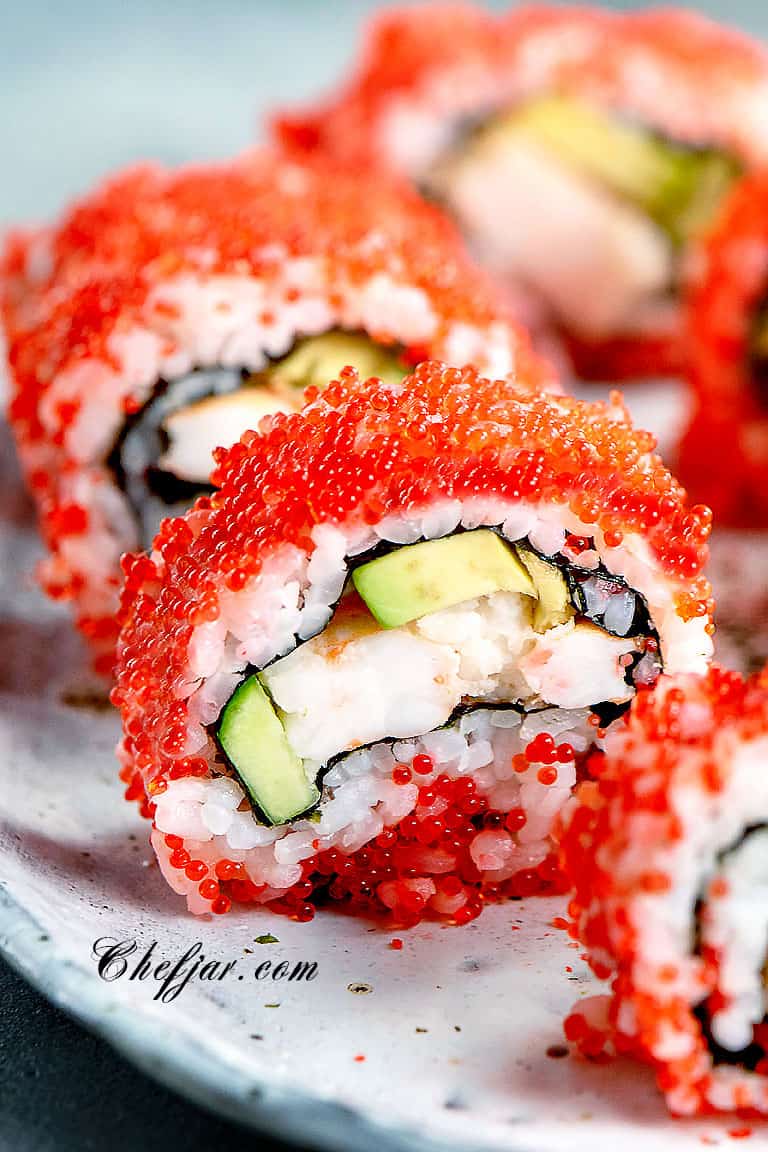
The appeal of the Boston Roll lies in its harmonious combination of textures and mild, refreshing flavors. Typically, this inside-out maki roll features a core of cooked shrimp, crisp cucumber, creamy avocado, and often, vibrant masago (capelin roe) on the outside. Occasionally, variations might include spicy mayonnaise for a subtle kick or a touch of cream cheese for added richness, though these are less common in the classic rendition.
The cooked shrimp offers a sweet, succulent bite, a departure from the raw fish often associated with sushi, making it particularly appealing to those hesitant about sashimi. The cucumber provides a refreshing crunch and slight vegetal bitterness, balancing the richness of the avocado, which adds a smooth, buttery texture. The masago, speckled across the exterior of the rice, contributes a delicate pop and a hint of briny flavor, as well as an attractive orange hue. When these ingredients are wrapped in seasoned sushi rice and nori (seaweed), the result is a roll that is simultaneously fresh, satisfying, and easy to enjoy. The flavor profile is generally mild and approachable, making it a favorite for lunch or as an appetizer.
Discovering Authentic Boston Roll
For visitors keen to experience the authentic taste of a Boston Roll, exploring the city’s vibrant dining scene offers numerous opportunities. From bustling downtown eateries to quaint neighborhood spots, the roll is a staple.
Iconic Eateries in Boston
Boston boasts a plethora of sushi establishments, ranging from casual take-out counters to upscale dining experiences, many of which proudly feature the Boston Roll on their menus. While a definitive “best” is subjective and often debated among locals, certain establishments are consistently lauded for their fresh ingredients and masterful preparation. For instance, a visit to Seaport Sushi in the city’s modern Seaport District might offer a pristine version, reflecting the area’s fresh seafood connections. Another notable spot could be Fenway Fish Market which, despite its name, is known for its excellent sushi alongside traditional fish and chips, providing a lively atmosphere close to Fenway Park. For a more refined experience, Beacon Hill Bistro, while not exclusively a sushi restaurant, often features sophisticated small plates, including elevated sushi options that could reinterpret the classic. These places not only offer quality food but also immerse tourists in the local dining culture, from the bustling energy of a marketplace to the sophisticated ambiance of a historic neighborhood restaurant. It’s advisable to check local reviews and ask for recommendations from hotel concierges or locals, as new favorites often emerge.
Beyond the City Limits
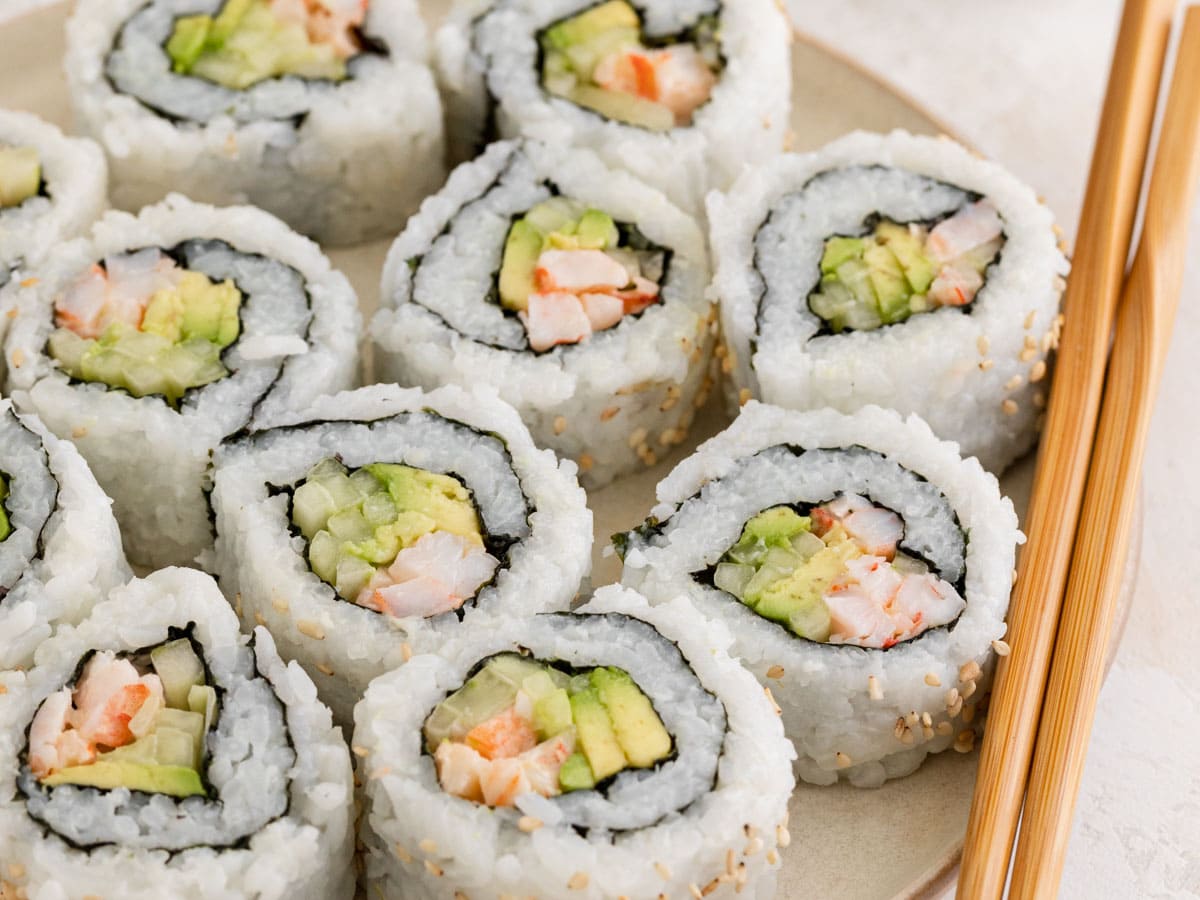
The popularity of the Boston Roll extends far beyond the cobblestone streets of Boston itself. This roll has become a ubiquitous item on sushi menus across New England and, indeed, throughout the United States. Its widespread appeal speaks to its comforting and universally pleasing flavor profile. Tourists traveling through smaller towns in Massachusetts or venturing into neighboring states like Rhode Island or Maine will likely encounter the Boston Roll in various sushi bars and Asian fusion restaurants. Its presence signifies how a localized creation can transcend its origins to become a mainstream culinary offering. Whether it’s a casual eatery like Charles River Rolls near the university district or an upscale Japanese steakhouse in a suburban mall, the Boston Roll remains a reliable and delicious choice for sushi enthusiasts and novices alike.
Boston Roll as a Reflection of Local Culture
The story of the Boston Roll is more than just a recipe; it’s a narrative of cultural integration, culinary innovation, and how global traditions are reinterpreted to suit local tastes.
Americanization of Sushi
The Boston Roll perfectly exemplifies the “Americanization” of sushi. Traditional Japanese sushi, particularly nigiri and classic maki rolls, emphasizes simplicity, fresh raw fish, and precise preparation. The goal is often to highlight the natural flavor of the seafood. American-style rolls, in contrast, frequently incorporate cooked proteins, cream cheese, various sauces, and abundant vegetables, creating more complex flavor profiles and textures that align with broader Western palates. The Boston Roll, with its cooked shrimp and creamy avocado, falls squarely into this category. It represents a comfortable bridge between traditional Japanese cuisine and American dining preferences, making sushi accessible and appealing to a wider demographic. This adaptation reflects Boston’s own identity as a city that cherishes its historical roots while continually embracing modernity and diversity, particularly in its culinary scene. It’s a dish that tells a story of cultural exchange and gastronomic evolution, making it an insightful experience for food-focused tourists.
Pairing and Enjoyment
Enjoying a Boston Roll is an integral part of a complete dining experience, especially when exploring the local food scene. Its mild, refreshing profile makes it incredibly versatile for pairing. For beverages, a crisp Japanese sake, particularly a junmai or ginjo, complements the delicate flavors without overpowering them. Local craft beers, a booming industry in Boston and New England, also make excellent companions; a light lager or a session IPA can cut through the richness of the avocado and refresh the palate. Non-alcoholic options like traditional green tea or a refreshing iced tea are also perfect choices. The Boston Roll is often enjoyed as part of a larger sushi platter, perhaps alongside a spicy tuna roll or some classic nigiri, offering a balanced contrast. It’s suitable for a casual lunch, a quick bite during a busy sightseeing day, or as an appetizer before a more elaborate dinner. Experiencing the Boston Roll within the city’s context, whether at a bustling sushi bar in North End Nori or a quiet spot overlooking the Charles River, adds another layer to the visitor’s appreciation of Boston’s dynamic food culture.
Making Your Own Boston Roll: A Culinary Souvenir
For those who wish to extend their Boston culinary experience beyond their trip, recreating the Boston Roll at home can be a delightful and rewarding endeavor. It’s a practical way to bring a piece of your travel memories into your kitchen, allowing you to share and savor the flavors long after your return.
Essential Tools and Ingredients
To embark on your homemade Boston Roll adventure, you’ll need a few key tools and, most importantly, fresh ingredients. A bamboo rolling mat (makisu) is essential for shaping the roll, along with a very sharp knife for clean slices. As for ingredients, focus on quality:
- Sushi rice: A short-grain Japanese rice, properly seasoned with rice vinegar, sugar, and salt.
- Cooked shrimp: Small to medium-sized shrimp, steamed or boiled until pink and tender, then chilled.
- Avocado: Ripe, but firm enough to slice thinly without mushing.
- Cucumber: A crisp Japanese or Persian cucumber, peeled (if desired) and cut into thin matchsticks.
- Nori (seaweed sheets): High-quality dried seaweed for wrapping.
- Masago: For the characteristic orange fish roe on the outside.
- Optional: Mayonnaise (plain or spicy) for an additional layer of flavor.
The freshness of each component is paramount to achieving the desired taste and texture. Sourcing good quality ingredients, particularly the shrimp and avocado, will make a significant difference in the final product.
Step-by-Step Guide
The process of assembling a Boston Roll, while requiring a bit of practice, is straightforward. Begin by spreading an even layer of seasoned sushi rice over a sheet of nori, leaving a small border at one end. For an inside-out roll, flip the rice-covered nori over onto the bamboo mat. Arrange the cooked shrimp, cucumber sticks, and avocado slices in a neat line across the center of the nori. Using the bamboo mat, carefully roll the ingredients tightly, applying gentle pressure to create a firm cylinder. Once rolled, sprinkle the masago evenly over the outside of the rice, pressing gently so it adheres. Finally, with a sharp, damp knife, slice the roll into 6-8 uniform pieces. This hands-on experience offers a deeper appreciation for the artistry involved in sushi making and serves as a delicious reminder of your culinary journey through Boston. Sharing these homemade rolls with friends and family can extend the narrative of your travels, making the Boston Roll not just a dish, but a cherished memory.
LifeOutOfTheBox is a participant in the Amazon Services LLC Associates Program, an affiliate advertising program designed to provide a means for sites to earn advertising fees by advertising and linking to Amazon.com. Amazon, the Amazon logo, AmazonSupply, and the AmazonSupply logo are trademarks of Amazon.com, Inc. or its affiliates. As an Amazon Associate we earn affiliate commissions from qualifying purchases.