
Navigating the administrative landscape of a new state can be one of the less glamorous, yet entirely essential, aspects of an extended stay or relocation. For those planning to establish roots or simply spend a significant amount of time enjoying the majestic scenery and vibrant culture of Colorado, understanding the process of vehicle registration is paramount. This comprehensive guide will walk you through every step, ensuring a smooth transition for your vehicle into the Centennial State’s official records.
Understanding Colorado’s Vehicle Registration Requirements
Moving to a new state involves more than just packing boxes; it requires understanding local laws and regulations. Vehicle registration in Colorado is a critical step for new residents, ensuring your vehicle legally operates on state roads and contributes to local infrastructure.
Who Needs to Register a Vehicle in Colorado?
Essentially, anyone who moves to Colorado and intends to reside here permanently must register their vehicle within 90 days of establishing residency. This applies whether you’ve purchased a new vehicle within the state or brought an out-of-state car with you. Establishing residency generally means having a Colorado driver’s license, registering to vote in Colorado, or enrolling children in a Colorado school. Even if you consider your stay temporary but extended, understanding these requirements is crucial to avoid potential fines or complications. Long-term visitors, while not always required to register, should be aware of the implications, especially if their stay extends beyond what is typically considered a temporary visit by state law.
Key Documents You’ll Need
Preparation is key to a hassle-free registration experience. Before you even think about visiting a county motor vehicle office, gather the following essential documents:
- Proof of Ownership: This is typically your vehicle’s current title. If you’re still making payments on your vehicle, your lienholder might hold the title. In such cases, you’ll need to contact them to request a copy or have them send it directly to the county office. For a brand-new vehicle, you’ll need the Manufacturer’s Statement of Origin (MSO).
- Proof of Colorado Insurance: Colorado law mandates that all registered vehicles must have at least the minimum liability insurance coverage. Your insurance policy must be issued by a company authorized to do business in Colorado.
- Valid Photo Identification: A current and valid driver’s license or state-issued ID is required. If you’ve just moved to Colorado, this would ideally be your new Colorado driver’s license, though a valid out-of-state license might suffice temporarily if you’re within the 30-day window to acquire a Colorado license.
- Proof of Colorado Residency: This can be a utility bill, lease agreement, or mortgage statement showing your current Colorado address.
- Emissions Test Certificate: Depending on the county you reside in, your vehicle may need to pass an emissions test. This applies to most vehicles within the Front Range urban corridor.
- Vehicle Identification Number (VIN) Verification: For out-of-state vehicles, a VIN verification is often required to confirm the vehicle’s identity.
Having these documents organized and readily accessible will significantly expedite your visit to the motor vehicle office.
Step-by-Step Guide to Colorado Car Registration
Registering your car in Colorado can seem daunting, but by breaking it down into manageable steps, the process becomes much clearer.
Step 1: Gather Your Essential Documents
As detailed above, ensuring you have your original vehicle title or MSO, proof of Colorado insurance, a valid photo ID, and proof of Colorado residency is the foundational step. Double-check all expiration dates and ensure all names match across documents to avoid any last-minute delays.
Step 2: Emissions Testing (If Applicable)
If you live in one of the counties requiring emissions testing (primarily Denver, Boulder, Jefferson, Adams, and parts of Weld and Larimer counties), your vehicle must pass an inspection at an authorized Air Care Colorado station. This test verifies that your vehicle meets state air quality standards. The certificate of emissions inspection is valid for a certain period, so ensure it’s current when you proceed with registration. Certain vehicles are exempt, such as new vehicles (typically for the first seven years), electric vehicles, diesel vehicles 1997 or older, and gasoline vehicles 1981 or older. Always check current regulations as exemptions can change.
Step 3: Vehicle Identification Number (VIN) Verification
For all vehicles previously titled out-of-state, a VIN verification is mandatory. This process confirms that the VIN on your vehicle matches the VIN on your title and that the vehicle has not been stolen or altered. Colorado law enforcement officers, licensed dealers, or authorized vehicle inspection facilities can perform this verification. A specific form, the Verification of Vehicle Identification Number (DR 2698), will be completed and signed by the verifying agent. This step is crucial for cross-referencing your vehicle’s identity when transferring it from another state’s records to Colorado’s.
Step 4: Visit Your Local County Motor Vehicle Office
Unlike some states where registration is handled by a centralized Department of Motor Vehicles (DMV), in Colorado, vehicle registration is managed at the county level by the County Clerk and Recorder’s Office. You must register your vehicle in the county where you reside.
- Finding Your County Office: A quick online search for “Colorado DMV [your county name]” will direct you to the correct office and its hours of operation. Many counties offer appointment scheduling, which can save considerable waiting time.
- What to Expect: Bring all your gathered documents, including your emissions test certificate and VIN verification form if applicable. A clerk will review your paperwork, process the title transfer (if necessary), and calculate the applicable fees. Be prepared to fill out additional forms as required.
Step 5: Pay Fees and Receive Plates
Once your paperwork is approved, you’ll pay the necessary fees. Colorado vehicle registration fees consist of several components:
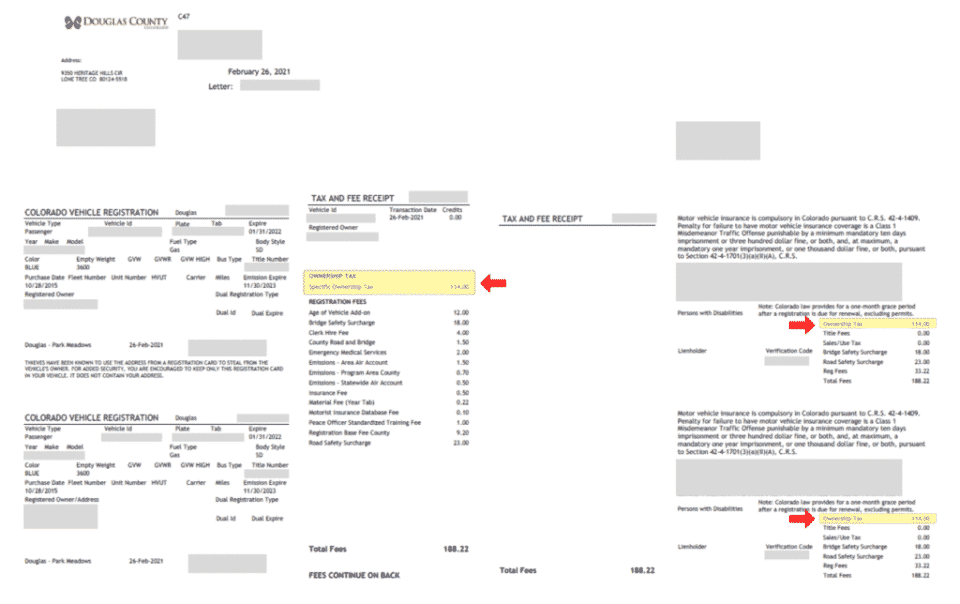
- Registration Fee: This varies based on the vehicle’s weight and age.
- Specific Ownership Tax: This is a significant part of the cost, calculated based on the vehicle’s original manufacturer’s suggested retail price (MSRP) and its age. This tax decreases annually.
- Plate Fees: Costs for new license plates (standard or personalized) and any associated reflective material fees.
- Other Fees: These can include surcharges for road safety, clean air, or electric vehicle fees.
After paying the fees, you will receive your new Colorado license plates and a registration sticker to display on your plate. You may receive temporary tags first if your personalized plates are not yet ready or if there’s a delay in processing.
Special Considerations and Tips for New Colorado Residents
Making Colorado your home offers breathtaking views and countless outdoor adventures. However, the move also entails specific administrative responsibilities.
Out-of-State Vehicles vs. New Purchases
The process largely remains the same, but there are nuances. For out-of-state vehicles, the VIN verification and the explicit transfer of title from your previous state are critical. For new vehicle purchases within Colorado, the dealership often handles a significant portion of the initial paperwork, making the process somewhat simpler as the MSO is processed directly. However, you will still be responsible for subsequent renewals and ensuring all fees are paid.
Timelines and Penalties
New residents have 90 days from the date residency is established to register their vehicle in Colorado. Failing to do so within this timeframe can result in penalties, including late fees and potential citations. It’s always best to complete the process well within the grace period to avoid unnecessary stress and costs.
Online vs. In-Person Registration
While Colorado offers online services for renewing vehicle registrations, initial registrations, especially for out-of-state vehicles, almost always require an in-person visit to your county motor vehicle office. This allows for the necessary document verification, VIN inspection submission, and title transfer processing that cannot be completed remotely. Some counties may offer limited online services for specific initial registration scenarios, but it’s best to confirm with your local county office first.
Understanding Colorado’s Specific Vehicle Taxes
Beyond the standard registration fees, Colorado levies a “Specific Ownership Tax” which is unique and often a surprise to new residents. This tax is in lieu of a personal property tax on vehicles. It’s calculated based on the taxable value (MSRP) and age of your vehicle, decreasing each year. This tax contributes significantly to the total registration cost, especially for newer or luxury vehicles. Factor this into your budgeting when moving to Colorado.
Transferring an Out-of-State License Plate
It’s important to note that you cannot transfer an out-of-state license plate to Colorado. You will always receive new Colorado plates upon successful registration. The old plates should be removed and disposed of properly, or returned to your previous state’s DMV if required by their regulations.
Beyond Initial Registration: Renewals and Other Vehicle Services
Once your vehicle is successfully registered in Colorado, there are ongoing responsibilities to keep in mind.
Annual Registration Renewals in Colorado
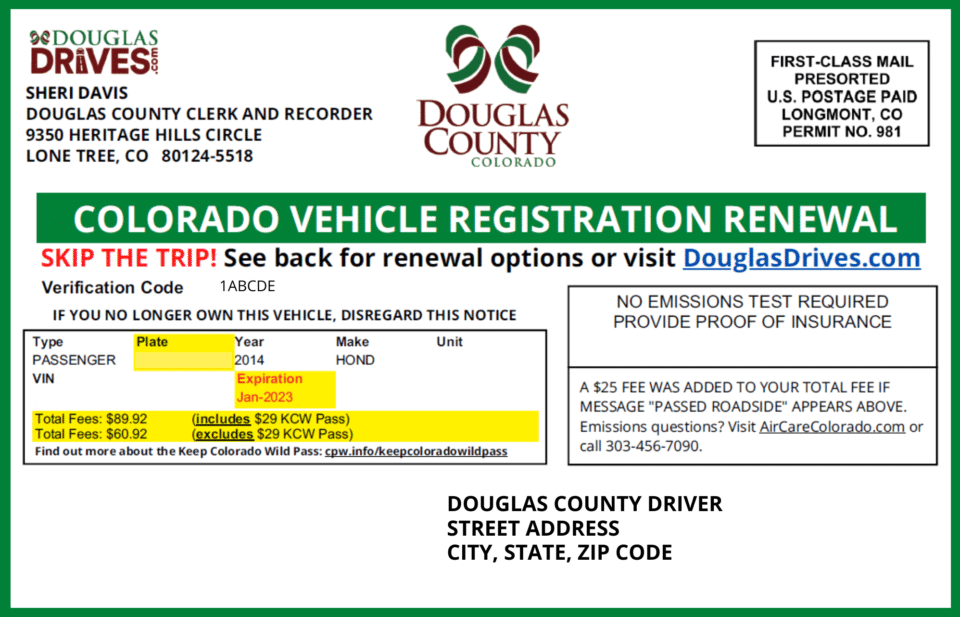
Vehicle registrations in Colorado are renewed annually. You will receive a renewal postcard or email notification approximately 30 to 45 days before your registration expires. Renewals can typically be completed online, by mail, or in person at your county motor vehicle office. For online renewals, you’ll need your license plate number, vehicle year, and the last four digits of your VIN. Remember, if your county requires emissions testing, you must pass that test before you can renew your registration.
Addressing Common Issues
- Lost Title: If your title is lost or was held by an out-of-state lienholder who has released it but not sent it, you may need to apply for a duplicate title. This is typically done through the county motor vehicle office.
- Lienholders: If you have a loan on your vehicle, your lienholder will likely hold the physical title. When registering an out-of-state vehicle with a lien, the Colorado County Clerk’s office will usually contact your lienholder to request the title for transfer and then re-record the lien in Colorado.
- Moving within Colorado: If you move to a different county within Colorado, you generally don’t need to re-register your vehicle immediately, but it’s advisable to update your address with the county DMV during your next renewal cycle or sooner if you receive mail from the DMV.
Resources for Further Assistance
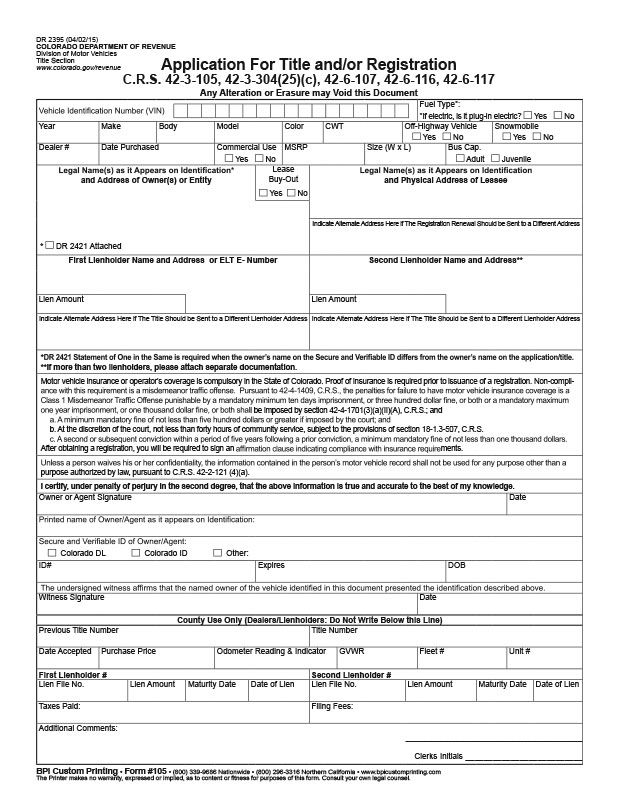
For the most accurate and up-to-date information, the official Colorado DMV website, managed by the Colorado Department of Revenue, is your best resource. Additionally, each county’s Clerk and Recorder website will provide specific details, forms, and contact information pertinent to their local office. Don’t hesitate to call your local county motor vehicle office with any specific questions not covered here.
Registering your car in Colorado is a fundamental step for anyone making this beautiful state their home, whether for an extended period or permanently. By understanding the requirements, preparing your documents, and following the outlined steps, you can ensure your vehicle is legally on the road, allowing you to focus on exploring all the incredible experiences Colorado has to offer.
LifeOutOfTheBox is a participant in the Amazon Services LLC Associates Program, an affiliate advertising program designed to provide a means for sites to earn advertising fees by advertising and linking to Amazon.com. Amazon, the Amazon logo, AmazonSupply, and the AmazonSupply logo are trademarks of Amazon.com, Inc. or its affiliates. As an Amazon Associate we earn affiliate commissions from qualifying purchases.