
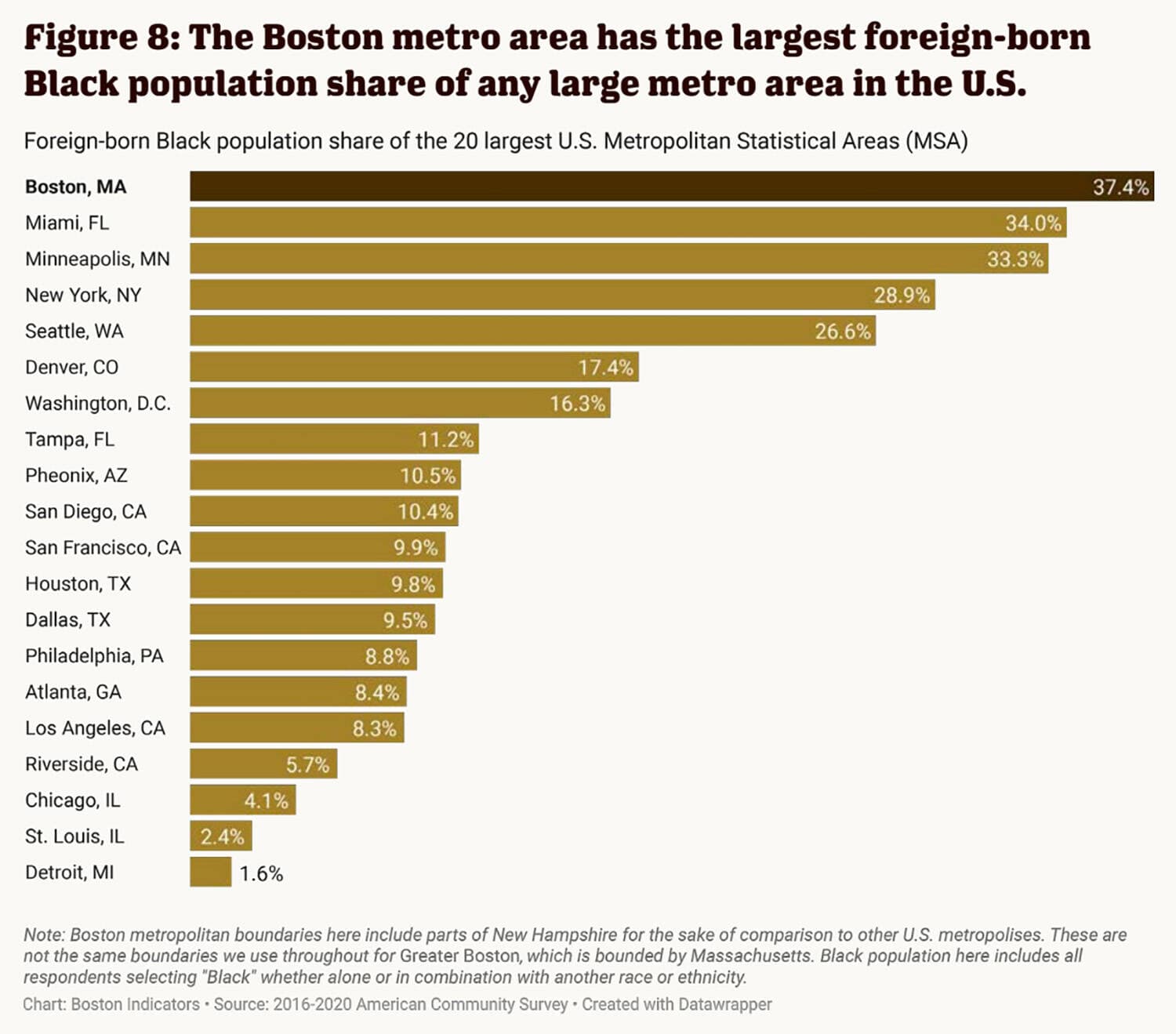
Boston, a city renowned for its profound historical significance and diverse cultural tapestry, is home to a myriad of neighborhoods, each with its own distinct character. For those seeking to explore the rich history and vibrant contemporary life of Boston’s Black communities, understanding which areas are primarily Black is key to a truly immersive tourism experience. The neighborhood most often identified as the heart of Boston’s African American community is Roxbury, with significant Black populations also residing in parts of Dorchester and Mattapan. A visit to these areas offers an unparalleled opportunity to delve into a crucial aspect of Boston’s identity – its deep and enduring Black culture.

Roxbury: Boston’s Historic Heart of Black Culture
Roxbury stands as the historical and cultural nucleus of Boston’s African American population. Originally an independent town settled in 1630, it evolved over centuries, becoming a vibrant residential area. In the 20th century, particularly during the Great Migration, Roxbury saw a significant influx of African Americans seeking opportunities and a community free from the harsh segregation prevalent elsewhere. This demographic shift transformed Roxbury into a thriving hub for Black businesses, churches, and cultural institutions, establishing its identity as a bedrock of Black life in Boston.
A Deep Dive into Roxbury’s Rich History
The history of Roxbury is inextricably linked with the broader narrative of Black history in America. It was a focal point for the Civil Rights Movement in Boston, hosting leaders and activists who shaped the nation. Figures like Malcolm X and Martin Luther King Jr. spent formative years or significant periods here, drawing strength and inspiration from the community. Visitors can trace the footsteps of these historical giants, gaining insights into the struggles and triumphs of a people determined to achieve equality and justice. The architecture itself tells stories, from grand Victorian homes to historical churches that served as meeting grounds and sanctuaries for the community. The Roxbury Heritage State Park, for instance, offers a glimpse into the neighborhood’s past, centered around the Dillaway-Thomas House, one of the oldest structures in the area. Understanding this history is crucial for any tourist looking to grasp the essence of Roxbury’s present-day vibrancy.
Nubian Square: The Vibrant Hub of Community Life
Formerly known as Dudley Square, Nubian Square stands as the dynamic commercial and cultural center of Roxbury. Its renaming in 2019 was a symbolic reclamation, reflecting the community’s African heritage and a commitment to self-determination. Today, Nubian Square is a bustling nexus of activity, featuring diverse shops, restaurants, and local businesses. It’s a place where residents gather, where history is made, and where the pulse of Roxbury beats strongest. For tourists, it’s an ideal starting point for exploration, offering a genuine taste of local life and an opportunity to engage directly with the community. The ongoing revitalization efforts in the square further underscore its significance as a beacon of progress and cultural pride.
Cultural Immersion and Attractions in Roxbury
Roxbury offers a wealth of cultural attractions and experiences that provide deep insights into Black heritage and contemporary life. From historical landmarks that tell poignant stories to vibrant arts scenes and authentic culinary delights, there’s much for a curious traveler to discover.
Landmarks and Heritage Sites to Explore
Beyond Nubian Square, Roxbury is dotted with sites that are essential to understanding its legacy. The Museum of the National Center of Afro-American Artists (NCAAA), founded by the esteemed Elma Lewis, is a must-visit. It houses a significant collection of African, African-American, and Caribbean art, serving as a crucial institution for preserving and promoting Black artistic expression. Another key location is the Hibernian Hall, an architectural gem that has been meticulously restored and now serves as a dynamic performing arts and cultural space, hosting a variety of events from dance to theater. The Shirley-Eustis House, a Georgian mansion built by a royal governor, provides a contrast and context to the neighborhood’s later development, showcasing the area’s long and varied history. These sites collectively offer a comprehensive narrative, allowing visitors to connect with the past and present of Roxbury’s Black community.
Art, Music, and Performance Venues
The artistic spirit of Roxbury is palpable. Beyond the NCAAA, smaller galleries and community art spaces frequently showcase local talent, offering a window into contemporary Black artistic movements. Music, particularly jazz and gospel, has deep roots here. While historical jazz clubs may have transitioned, the legacy lives on through local venues and events. The Roxbury Center for the Arts and other community organizations regularly host performances, workshops, and exhibitions, providing engaging opportunities for tourists to experience the vibrant cultural scene firsthand. Checking local event listings before a visit is highly recommended to catch a gospel choir performance or a community play.
Savoring Local Flavors: Dining Experiences
No cultural exploration is complete without indulging in the local cuisine. Roxbury offers an array of dining experiences that reflect its diverse Black population and immigrant communities. From traditional soul food restaurants serving classics like fried chicken, collard greens, and mac and cheese, to Caribbean eateries offering jerk chicken and curries, the flavors are rich and authentic. Many of these establishments are family-owned businesses that have been pillars of the community for generations, offering not just meals but also a warm welcome and a sense of belonging. Exploring these culinary destinations provides an intimate way to connect with the culture and support the local economy.
Beyond Roxbury: Exploring Other Black Communities in Boston
While Roxbury is the historical and cultural heart, other Boston neighborhoods also have significant and vibrant Black populations that contribute to the city’s rich multicultural landscape.
Dorchester’s Diverse Landscape
Dorchester, Boston’s largest and most diverse neighborhood, is another area with a substantial Black community. Over the decades, particularly as demographics in Roxbury have shifted, many African Americans have made Dorchester their home. It is a tapestry of different cultures and ethnicities, but its Black population, including a notable Cape Verdean community, adds immense depth to its character. Visitors can find various cultural centers, churches, and restaurants that reflect this vibrant diversity. Dorchester Avenue and Blue Hill Avenue are particularly lively arteries where the local culture thrives, offering glimpses into community life and a chance to experience different facets of Boston’s Black heritage.
Mattapan: A Strong Sense of Community
Located south of Roxbury and Dorchester, Mattapan is recognized for its strong sense of community and a predominantly Black population. This neighborhood has become a significant residential area for African Americans and immigrants from the Caribbean and Haiti. Mattapan offers a more suburban feel than Roxbury but maintains a vibrant cultural identity. It’s an area where community events, local parks, and active neighborhood associations contribute to a rich quality of life. For tourists interested in understanding the everyday life and community structures within Boston’s Black population, a visit to Mattapan provides a contrasting, yet equally valuable, perspective. The Mattapan Branch of the Boston Public Library often hosts events that reflect the diverse interests and heritage of the local residents.
Engaging Respectfully: Tips for Tourists
When visiting any culturally significant neighborhood, especially those defined by their demographic identity, respectful engagement is paramount. For tourists exploring Boston’s Black communities, a mindful approach enhances the experience for both visitors and residents.
Supporting Black-Owned Businesses
One of the most impactful ways to engage with and support these communities is by patronizing Black-owned businesses. Whether it’s dining at a soul food restaurant, shopping at a boutique, or buying art from a local gallery, every dollar spent directly contributes to the economic vitality and self-sufficiency of the community. Look for signs indicating local ownership or ask residents for recommendations. This direct support helps preserve the unique character of these neighborhoods and fosters a positive relationship between visitors and locals.
Participating in Local Events
Beyond the permanent attractions, Roxbury, Dorchester, and Mattapan frequently host community events, festivals, and celebrations throughout the year. These can range from Juneteenth commemorations to neighborhood block parties, farmers’ markets, and art walks. Participating in these events offers an authentic and often joyous way to experience the local culture, interact with residents, and witness the collective spirit of the community. Checking local community calendars or asking at visitor centers can provide information on upcoming happenings.
Embracing the Authenticity
Finally, approach these neighborhoods with an open mind and a genuine desire to learn. Engage with residents, listen to their stories, and appreciate the resilience, creativity, and strength that define these communities. While history provides context, the present-day reality of Boston’s Black neighborhoods is one of dynamic growth, ongoing cultural contributions, and vibrant community life. A respectful and open-minded approach ensures a fulfilling and enriching experience for tourists, allowing them to truly connect with the heart and soul of Boston’s Black heritage.
LifeOutOfTheBox is a participant in the Amazon Services LLC Associates Program, an affiliate advertising program designed to provide a means for sites to earn advertising fees by advertising and linking to Amazon.com. Amazon, the Amazon logo, AmazonSupply, and the AmazonSupply logo are trademarks of Amazon.com, Inc. or its affiliates. As an Amazon Associate we earn affiliate commissions from qualifying purchases.