
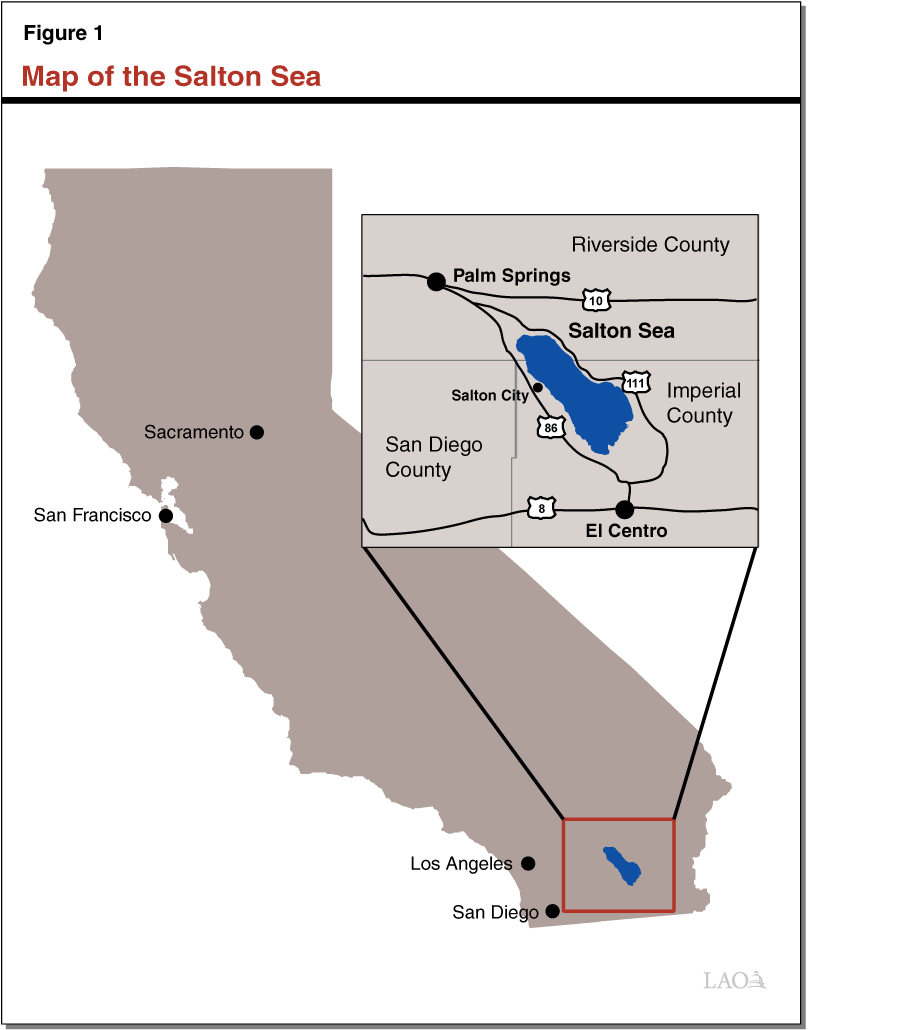
The Salton Sea, a vast and enigmatic inland body of water, holds a unique and often misunderstood place on the map of California. Far from the typical picturesque coastal beaches or tranquil mountain lakes, this landmark presents a stark, compelling narrative of natural forces, human ambition, and ecological change. Located in the southeastern part of the state, it dominates the landscape of the Colorado Desert, straddling the borders of Imperial County and Riverside County. Its geographic position, significantly below sea level, is a key factor in understanding its complex origins and ongoing challenges, making it one of North America’s lowest points.
Geographic Location and Formation
The existence of the modern Salton Sea is a fascinating testament to both geological forces and human engineering. Situated within the larger Salton Trough, a seismically active rift valley that is a northward extension of the Gulf of California, the sea occupies a depression that has historically hosted a series of ancient lakes. These prehistoric bodies of water, often referred to as Lake Cahuilla, formed and evaporated over millennia due to the shifting course of the mighty Colorado River.
The Colorado Desert Sink
The Salton Sea lies at the heart of the Salton Sink, a geological depression in the Colorado Desert. Much of the lakebed is more than 200 feet (60 meters) below sea level, making it one of the lowest land elevations in the United States. This topography means that without an outlet, any water flowing into the basin eventually accumulates and evaporates, leading to increasing salinity. Its location in Southern California, just north of the Mexican border, places it in an extreme desert climate characterized by high temperatures and minimal rainfall, further intensifying the evaporation rates. The surrounding landscape is a stark beauty of arid desert, punctuated by the occasional palm oasis and rugged mountains, providing a dramatic backdrop to the vast, shimmering surface of the sea.
A River’s Accidental Gift
The contemporary Salton Sea was not intentionally created but was rather the result of a spectacular hydrological accident. In 1905, engineers attempting to divert water from the Colorado River for agricultural irrigation into the nascent Imperial Valley inadvertently breached inadequate headgates. For two years, the entire volume of the Colorado River flowed unchecked into the Salton Sink, creating the massive lake we know today. This inundation submerged farms, railway lines, and even entire towns, transforming a dry desert basin into a colossal inland sea spanning hundreds of square miles. The closure of the breach in 1907 halted the inflow, but the new lake, fed subsequently by agricultural runoff, became a permanent fixture on the landscape. This accidental genesis set the stage for its subsequent ecological and human history, defining its role as a unique and perpetually evolving landmark.
A History of Transformation and Decline
The Salton Sea’s brief yet eventful modern history is a powerful narrative of boom and bust, illustrating the delicate balance between human intervention and natural processes. From its accidental birth, it swiftly transitioned through phases of unexpected prosperity before succumbing to a protracted period of environmental degradation.
The Boom Years of the 1950s and 60s
Following its creation, the Salton Sea was initially viewed as a desert marvel. By the 1950s and 1960s, it experienced a remarkable transformation, becoming a thriving recreational hotspot and an unlikely rival to Southern California’s coastal destinations. Developers flocked to its shores, constructing marinas, resorts, and communities like Salton City, Bombay Beach, and Desert Shores. Visitors from across the state and beyond flocked to the sea for water skiing, boating, fishing, and beachfront relaxation. Celebrities owned properties, and fishing tournaments drew large crowds, particularly for species like Corvina and Tilapia that initially thrived in its waters. The promise of a desert Riviera seemed within reach, creating an ephemeral golden age for this artificial oasis.
Environmental Challenges Emerge
However, the initial prosperity was built on an unsustainable foundation. Without a natural outlet, the Salton Sea became a terminal lake, accumulating salts and pollutants from agricultural runoff. The primary source of inflow—irrigation water from farms in the Imperial Valley and Coachella Valley—carried pesticides, fertilizers, and a constantly increasing salt load. As water evaporated in the intense desert heat, the salinity of the sea steadily climbed, eventually surpassing that of the Pacific Ocean. This rising salinity, combined with nutrient loading from the agricultural runoff, led to frequent algal blooms and subsequent oxygen depletion, causing massive fish die-offs. The once-vibrant ecosystem began to collapse, marked by millions of dead fish washing ashore and the proliferation of avian botulism that decimated bird populations. The odors from decaying organic matter became increasingly strong, and the once-pristine beaches transformed into expanses of fish bones and encrusted salt, signaling the end of its recreational heyday.

The Current State and Future Outlook
Today, the Salton Sea is a shadow of its former self, characterized by receding shorelines and significant environmental degradation. A critical shift occurred in 2003 with the Quantification Settlement Agreement (QSA), which dramatically reduced the amount of water flowing into the sea. As water transfers to San Diego and other urban areas increased, the sea began to shrink rapidly. This exposes vast areas of former lakebed, known as the “playa,” which contain fine dust laden with pesticides, heavy metals, and salts. These airborne particles pose serious health risks to the surrounding communities, particularly those already facing high rates of respiratory illness. Numerous state and federal agencies, along with local stakeholders, are now grappling with the immense challenge of stabilizing the sea and mitigating its negative impacts. Efforts are underway to implement habitat restoration projects, create dust suppression measures, and explore long-term solutions, but the scale of the problem and the costs involved are monumental, leaving the future of this unique California landmark uncertain and perpetually in flux.
Ecological Significance and Biodiversity
Despite its environmental challenges, the Salton Sea remains a landmark of immense ecological importance, particularly for migratory birds. Its unique position within the Colorado Desert ecosystem makes it an indispensable waypoint for countless species.
A Birdwatcher’s Paradise
For avian populations, the Salton Sea is not merely a lake; it is a critical refuge along the Pacific Flyway, one of the world’s major bird migration routes. Each year, millions of birds representing hundreds of species utilize the sea as a resting, feeding, and nesting ground. It is especially vital for species that rely on inland wetlands, many of which have been lost to development elsewhere in California. Species like American White Pelicans, Snow Geese, Black-necked Stilts, and various species of ducks, shorebirds, and waders can be found here in staggering numbers. The surrounding wetlands and exposed mudflats provide crucial foraging areas, even as the overall health of the sea declines. Conservation efforts often focus on preserving these critical habitats to ensure the continued survival of these migratory populations.
Unique Desert Ecosystem
The immediate surroundings of the Salton Sea are part of the vast and resilient Colorado Desert ecosystem. This arid environment supports a surprising array of plant and animal life adapted to extreme heat and limited water resources. Beyond the immediate shores of the sea, one can find iconic desert flora such as various cacti, creosote bush, and ocotillo. The fauna includes species like the Desert Bighorn Sheep in the nearby mountains, coyotes, roadrunners, and numerous lizards and snakes. The juxtaposition of this harsh desert landscape with the expansive, albeit troubled, sea creates a compelling ecological tapestry, highlighting the resilience of nature in challenging conditions.
The Salinity Factor
The rising salinity of the Salton Sea has been the primary driver of its ecological decline. As the sea becomes saltier, fewer species can survive in its waters. The once-thriving populations of Corvina and other game fish have largely vanished. Today, the hardy Tilapia is one of the few fish species that can still endure the hyper-saline conditions. These fish form the base of the food chain for many avian predators. However, even Tilapia populations are stressed, and their periodic die-offs contribute to the unpleasant odors and further diminish food sources for birds. The extremely high salt content also affects the invertebrate life, which is crucial for the diet of many shorebirds. Understanding and managing the salinity levels is therefore paramount to any successful long-term restoration effort, as it dictates the very possibility of aquatic life in this unique landmark.
Human Interaction and Cultural Landscape
The Salton Sea is not only a natural and ecological landmark but also a profound cultural one, reflecting human ambition, failure, and adaptation in the face of environmental change. Its shores tell stories of forgotten dreams and resilient communities.
Ghost Towns and Desert Art
The remnants of the Salton Sea’s glory days are eerily preserved in its semi-ghost towns. Bombay Beach, once a popular resort, now hosts a small, defiant community alongside a growing collection of eccentric desert art installations. Abandoned mobile homes, derelict boats, and structures consumed by the receding water and encrusted with salt create a surreal, post-apocalyptic aesthetic that draws photographers, artists, and curious visitors. Salton City, though still inhabited, features vast grids of undeveloped, empty lots and crumbling infrastructure, a stark reminder of a speculative boom that never fully materialized. These places are not just ruins; they are living testaments to the sea’s fluctuating fortunes and a unique cultural landscape born from environmental flux. They offer a poignant reflection on our relationship with nature and the transient nature of human endeavors.
The Salton Sea State Recreation Area
For those wishing to understand and experience the Salton Sea firsthand, the Salton Sea State Recreation Area provides formal access and interpretive facilities. Located on the northeastern shore, it offers limited camping, boating, and fishing opportunities. Crucially, it serves as a center for education, helping visitors learn about the sea’s complex history, its ecological significance, and the ongoing efforts to address its environmental challenges. Ranger-led programs, visitor centers, and designated viewing areas allow for safe and informative exploration of this unique landmark. While the recreation opportunities are more subdued than in its heyday, the area remains an important point of contact for anyone seeking to engage with the sea’s powerful narrative and witness its stark beauty.

Renewable Energy Potential
Beyond its environmental woes and historical echoes, the area surrounding the Salton Sea holds significant promise for renewable energy development. The Salton Trough sits atop a vast reservoir of geothermal energy, one of the largest in North America. Several geothermal power plants already operate in the region, harnessing the earth’s heat to generate clean electricity. Furthermore, the shrinking sea and exposed playa present potential opportunities for lithium extraction, a critical component for electric vehicle batteries and renewable energy storage. This strategic resource could play a vital role in California’s transition to a green economy, offering an unexpected silver lining to the environmental challenges facing the sea. The Salton Sea thus stands as a multifaceted landmark, not only a natural phenomenon and a historical relic but also a potential hub for future energy innovation.
LifeOutOfTheBox is a participant in the Amazon Services LLC Associates Program, an affiliate advertising program designed to provide a means for sites to earn advertising fees by advertising and linking to Amazon.com. Amazon, the Amazon logo, AmazonSupply, and the AmazonSupply logo are trademarks of Amazon.com, Inc. or its affiliates. As an Amazon Associate we earn affiliate commissions from qualifying purchases.