
Understanding the population dynamics of a city is far more than just a statistical exercise; it’s a foundational element for any discerning traveler planning a visit. For a vibrant metropolis like Boston, Massachusetts, its population size and composition significantly shape the travel experience, influencing everything from urban sprawl and infrastructure to cultural vibrancy and the availability of amenities. A city’s population is its heartbeat, dictating its pace, character, and the very fabric of life that visitors come to explore.
Demographics: The Heartbeat of a Vibrant Destination
As one of the oldest cities in the United States, Boston boasts a rich history, but it’s its current population that truly defines its contemporary appeal as a travel destination. While specific figures fluctuate with census updates and annual estimates, the city of Boston proper consistently hovers around 670,000 to 690,000 residents. This figure, while substantial, doesn’t tell the whole story. The greater Boston metropolitan area, often referred to as Greater Boston or Boston-Cambridge-Newton, MA-NH Metropolitan Statistical Area, encompasses a much larger populace, exceeding 4.8 million people. This regional scale is crucial for travelers, as it reflects the true economic, cultural, and geographic reach of the destination, influencing airport traffic, commuter patterns, and the sheer volume of attractions and services.

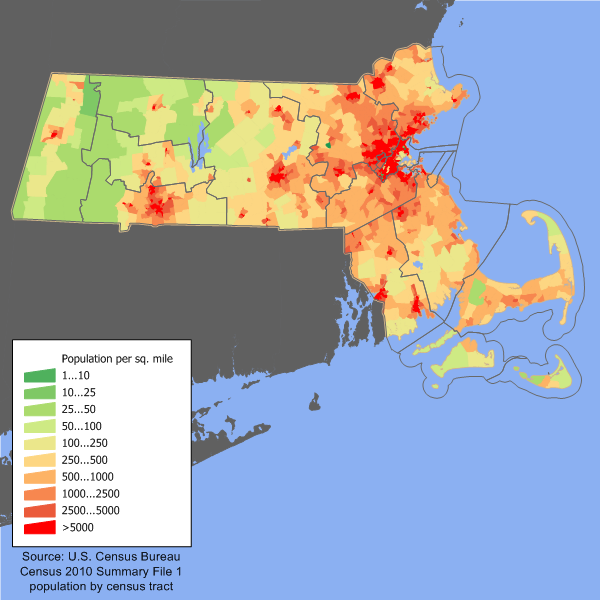
For travelers, these numbers translate directly into the urban environment they encounter. The relatively dense core population within the city limits makes Boston feel compact and intensely urban, a stark contrast to more sprawling U.S. cities. This density fosters a highly walkable city center, where historical landmarks, modern attractions, and diverse neighborhoods are often just a short stroll apart. The larger metropolitan population, on the other hand, signifies a robust support system for tourism, ensuring a wide array of dining options, accommodation choices, and transportation networks are readily available to visitors from around the globe. Understanding this demographic context allows travelers to set realistic expectations for crowd levels, the efficiency of public transit, and the overall atmosphere of their visit, from bustling downtown streets to quieter, residential enclaves.
Population’s Influence on Boston’s Travel Landscape
The sheer number of people calling Boston home has a profound and tangible impact on its infrastructure and the very experience of exploring the city. This isn’t just about crowded sidewalks; it’s about how the city has evolved to support its residents and, by extension, its visitors.
Urban Density and Walkability
Boston’s population density is one of its most defining characteristics for travelers. Unlike many American cities designed for automobile traffic, Boston’s historic core, shaped long before the advent of cars, remains remarkably pedestrian-friendly. Neighborhoods like Beacon Hill, the North End, and downtown are best explored on foot, where narrow cobblestone streets and charming alleys reveal architectural treasures and hidden gems. This walkability is a direct benefit of a concentrated urban population, which has historically relied on pedestrian movement and close-knit communities. For the modern traveler, it means a more intimate and authentic engagement with the city’s character, saving on transportation costs and offering unparalleled opportunities for serendipitous discoveries. The ability to stroll from the Freedom Trail to a cannoli shop in the North End underscores how population-driven urban planning enhances the travel narrative.
Public Transportation and Accessibility
A significant and dense population necessitates a robust public transportation system, and Boston delivers with the Massachusetts Bay Transportation Authority (MBTA), affectionately known as “the T.” This extensive network of subways, buses, trolleys, and commuter rail lines is the lifeblood of the city, moving millions of residents daily. For travelers, the MBTA is an invaluable resource, connecting major attractions, neighborhoods, and even Logan International Airport to the city center. The existence and efficiency of such a system are directly tied to the population it serves; without a large residential base, the infrastructure simply wouldn’t be viable or as comprehensive. Travelers can confidently navigate Boston’s diverse offerings, from a Red Sox game at Fenway Park to a museum visit in the Fenway-Kenmore area, relying on the T to avoid traffic and parking hassles, which are significant in a city of Boston’s size and density.
Accommodation and Services
The presence of a substantial resident and metropolitan population underpins the diverse and competitive hospitality sector in Boston. A city with a large population attracts business, leisure, and academic visitors, creating a sustained demand for hotels, apartments, and specialized services. This ensures that travelers have a wide array of choices, from luxury boutiques in Back Bay to budget-friendly options near major transportation hubs. Beyond lodging, the population supports a thriving culinary scene, with restaurants catering to every taste and budget, alongside a robust retail landscape. Moreover, a larger population means a greater likelihood of finding specialized services, from multilingual tour guides to specific cultural experiences, enhancing the overall quality and convenience of a trip.
Diversity, Culture, and the Traveler’s Experience
The demographic makeup of Boston is arguably its greatest asset, profoundly enriching the cultural tapestry that travelers come to experience. It’s a city where historical gravitas meets modern vibrancy, largely thanks to its diverse population.
A Melting Pot of Cultures
Boston’s population is a vibrant mosaic of ethnicities, backgrounds, and educational pursuits. A particularly significant demographic is its immense student population, drawn to world-renowned institutions like Harvard University, the Massachusetts Institute of Technology (MIT), and numerous other colleges and universities in the Greater Boston area. These young, international residents inject a youthful energy and global perspective into the city, contributing to its dynamic arts scene, innovative culinary offerings, and intellectual discourse. Travelers benefit from this cultural confluence, discovering diverse neighborhoods like Chinatown or the vibrant communities in Cambridge and Somerville, each offering unique culinary traditions, festivals, and independent shops. The population’s diversity means a richer array of authentic experiences for visitors, moving beyond typical tourist clichés.
Economic Vibrancy and Innovation
The large and highly educated population of Boston fuels a powerful economy, particularly in sectors like biotechnology, finance, and technology. This economic vibrancy directly translates into a city that is constantly evolving, investing in its infrastructure, and creating new attractions and experiences. Travelers benefit from cutting-edge museums, revitalized waterfront areas along the Charles River, and a general atmosphere of innovation and progress. The economic strength supported by the population also ensures a high standard of public services and amenities, enhancing the overall comfort and safety for visitors exploring the city’s myriad offerings. This constant state of development ensures that Boston remains a dynamic destination with something new to discover on every visit.
Navigating Boston: What Population Means for Your Trip
Understanding Boston’s population context is a practical tool for planning a successful and enjoyable trip. It helps travelers anticipate certain aspects of their journey and leverage the city’s offerings more effectively.
Peak Times and Crowds
The significant population, combined with Boston’s status as a major tourist destination, means that certain attractions and areas can experience considerable crowds, especially during peak travel seasons (summer, fall foliage, holiday periods). Iconic spots like Faneuil Hall Marketplace, the New England Aquarium, and segments of the Freedom Trail will naturally draw large numbers of people. Knowledge of the city’s population density helps travelers strategize their visits, perhaps opting for early morning excursions, booking tickets in advance, or exploring less-trafficked but equally captivating neighborhoods. It also informs expectations about restaurant wait times or the ease of finding a quiet spot in popular parks.
Local Amenities and Hidden Gems
The large resident population supports a thriving ecosystem of local businesses and community-focused services. Beyond the major tourist attractions, travelers can tap into this local infrastructure to discover authentic experiences. From neighborhood bakeries and independent bookstores to farmers’ markets and community events, these “hidden gems” are sustained by the everyday needs and preferences of [Boston](https://lifeoutofthebox.com/boston]’s residents. Engaging with these local amenities offers a more genuine insight into Boston life, allowing travelers to immerse themselves in the city’s true character, away from the more commercialized tourist zones. This is where the city’s soul, powered by its people, truly shines.
Future Growth and Urban Development
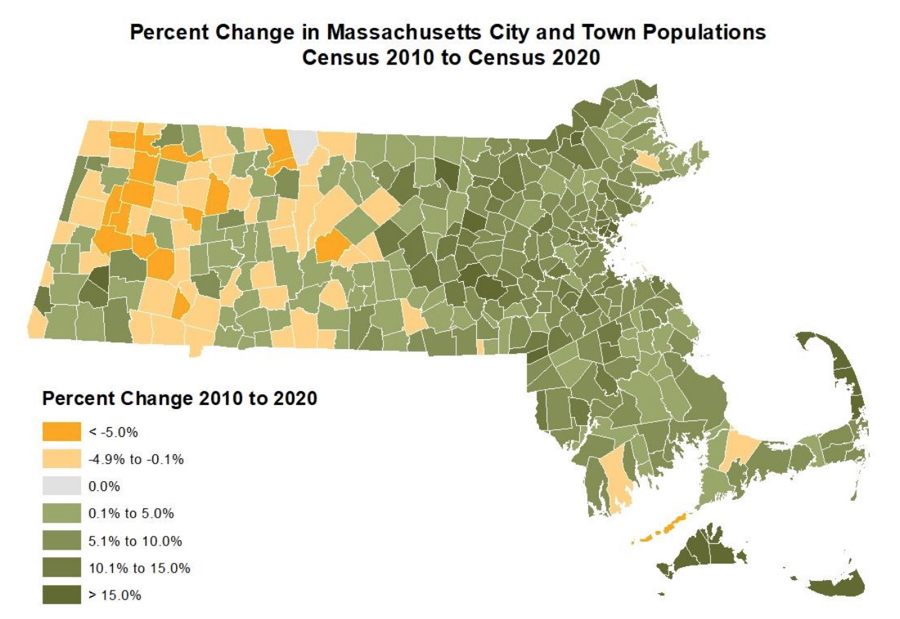
Boston’s population trends indicate continued growth, particularly in its metropolitan area. This ongoing demographic shift is likely to shape the city’s future as a travel destination, influencing urban development projects, infrastructure improvements, and the evolution of its cultural landscape. Travelers returning to Boston over the years may observe new neighborhoods emerging, public spaces being revitalized, and a continuous infusion of new businesses and cultural institutions. This dynamic growth, driven by its population, ensures that Boston remains a perpetually engaging and evolving destination for both first-time visitors and seasoned explorers of New England.
LifeOutOfTheBox is a participant in the Amazon Services LLC Associates Program, an affiliate advertising program designed to provide a means for sites to earn advertising fees by advertising and linking to Amazon.com. Amazon, the Amazon logo, AmazonSupply, and the AmazonSupply logo are trademarks of Amazon.com, Inc. or its affiliates. As an Amazon Associate we earn affiliate commissions from qualifying purchases.