
The question of safety is paramount for anyone considering a visit, a relocation, or even just passing through a new urban environment. Albany Park, a vibrant and diverse neighborhood on the Northwest Side of Chicago, often prompts this query. Like many large metropolitan areas, Chicago encompasses a wide spectrum of communities, each with its own character, challenges, and strengths. Understanding Albany Park’s safety profile requires a nuanced approach, moving beyond sensational headlines to examine data, community efforts, and lived experiences.
Understanding Urban Safety Metrics in Chicago
Evaluating the safety of an urban neighborhood like Albany Park involves looking at several key indicators. Crime statistics, while a crucial starting point, rarely tell the whole story. They need to be interpreted within the context of population density, socio-economic factors, and the nature of the crimes reported. The Chicago Police Department categorizes crimes into violent and property offenses, providing detailed data that can be accessed publicly. However, perceiving safety is also subjective, influenced by factors such as visible police presence, the upkeep of public spaces, the vitality of local businesses, and the strength of community bonds.

For travelers and potential residents, a holistic view is essential. It involves considering not just the raw numbers but also how the neighborhood feels at different times of day, the ease of public transportation, and the general atmosphere. Chicago, like other major cities, has areas with higher crime rates and areas that are remarkably peaceful. The reputation of a neighborhood can sometimes lag behind its current reality, making up-to-date information critical for informed decision-making.
Albany Park’s Safety Profile: A Closer Look
Albany Park is renowned for its exceptional diversity, often cited as one of the most ethnically diverse neighborhoods in Chicago, and indeed, the entire United States. This cultural mosaic contributes to a rich tapestry of languages, cuisines, and traditions. Demographically, it’s a neighborhood primarily composed of working-class and middle-class families, alongside a significant student population due to its proximity to several universities. This diversity often fosters a strong sense of community and mutual support, which are indirect contributors to overall safety.
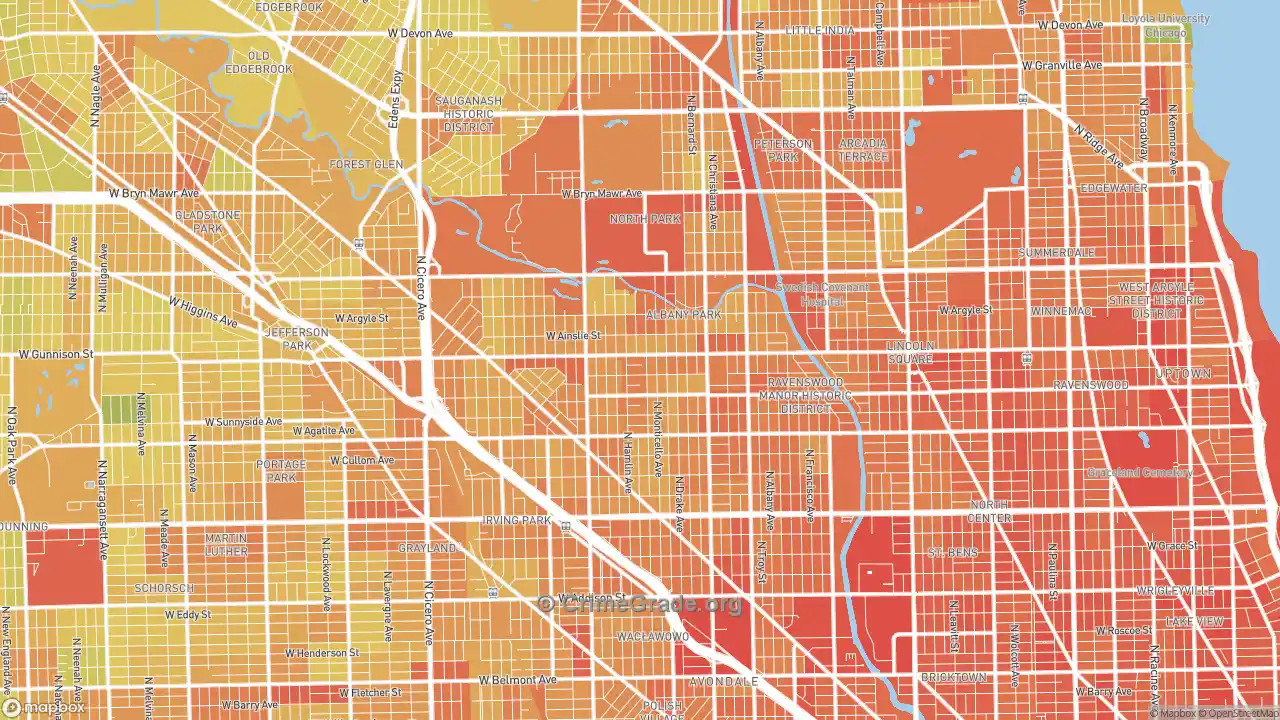
From a statistical standpoint, Albany Park generally maintains a moderate crime rate compared to the city average. While it experiences its share of urban challenges, including occasional property crimes and, less frequently, violent incidents, these are often concentrated in specific areas or tied to particular circumstances, rather than being pervasive throughout the entire neighborhood. The perception of safety can fluctuate, but long-term trends show a stable, if not improving, environment. Many residents express feeling safe walking during the day, and even at night on well-lit, main thoroughfares.
Compared to more affluent neighboring areas such as Lincoln Square or Ravenswood Manor, Albany Park might show slightly higher crime statistics. However, it’s crucial to remember that these comparisons are relative. Albany Park offers an urban experience that blends residential tranquility with vibrant commercial corridors, particularly along Kedzie Avenue, Lawrence Avenue, and Foster Avenue. The presence of numerous small businesses, restaurants, and shops contributes to foot traffic, which is often seen as a deterrent to crime.
Public Transportation and Accessibility
Albany Park is highly accessible via public transportation, which plays a role in safety perceptions. The CTA Brown Line terminates at the Kimball Avenue station, providing direct access to the Loop and other key Chicago neighborhoods. Several CTA bus routes also crisscross the area. Well-maintained and frequently used public transport routes can enhance safety by ensuring consistent public presence and reducing isolated waiting times. Stations and major bus stops are generally well-lit and monitored. For those relying on public transport, Albany Park’s connectivity is a significant advantage, often negating the need for late-night walks through less familiar areas.
Educational Institutions and Community Engagement
The presence of educational institutions like North Park University and Northeastern Illinois University brings a youthful energy and contributes to a robust local economy. Universities often engage in community outreach programs, fostering a stronger sense of local identity and collective responsibility, which can indirectly contribute to safer streets. Students, faculty, and staff frequent local businesses and public spaces, increasing eyes on the street and supporting a vibrant community life.
Community Initiatives and Local Resources
A significant factor contributing to Albany Park’s overall safety and resilience is the active engagement of its residents and various community organizations. Rather than solely relying on law enforcement, many neighborhoods take proactive steps to enhance their own safety and quality of life.
Neighborhood Associations and CAPS Programs
Albany Park benefits from several active neighborhood associations and community groups. These organizations often work closely with the Chicago Police Department through the CAPS (Chicago Alternative Policing Strategy) program. CAPS meetings are regular forums where residents can voice concerns, receive updates on local crime trends, and collaborate with police officers on solutions. This direct line of communication and partnership is vital for addressing specific safety issues effectively and building trust between the community and law enforcement.
Green Spaces and Public Amenities
Parks and public spaces are crucial for community well-being and can influence safety. Albany Park boasts several green areas, most notably Horner Park, one of Chicago’s largest parks, offering extensive recreational facilities. Well-maintained, active parks with diverse users tend to be safer. The presence of families, joggers, and sports enthusiasts throughout the day means more “natural surveillance,” making these areas less attractive for criminal activity. Other local parks like Palmer Square (though technically just south of Albany Park’s direct boundaries), and areas around the Bohemian National Cemetery and Peterson Park also provide essential community spaces.
Support Services and Healthcare
Access to social services and healthcare also plays a role in a neighborhood’s stability and safety. Albany Park is home to various community centers and non-profit organizations that offer support for new immigrants, youth programs, and family services. The proximity to medical facilities like Swedish Covenant Hospital further adds to the neighborhood’s infrastructure, ensuring quick access to care when needed. A community with robust support systems is often a more stable and, by extension, safer place to live.
Practical Safety Tips for Visitors and Residents
While Albany Park is generally considered a safe urban neighborhood, practicing general urban safety awareness is always prudent, whether you’re a visitor or a long-term resident.
General Awareness and Vigilance
- Be aware of your surroundings: Avoid distractions like constant phone use, especially when walking alone or in less crowded areas.
- Trust your instincts: If a situation or an area feels uncomfortable, it’s usually best to remove yourself from it.
- Walk in groups at night: If possible, especially after dark, travel with others. If you must walk alone, stick to well-lit, busy streets.
- Secure your belongings: Keep wallets in front pockets, purses close to your body, and avoid displaying expensive electronics or jewelry unnecessarily.
Public Transportation Safety
- Plan your route: Know your stops and transfers in advance.
- Wait in well-lit areas: At bus stops or train stations, choose areas with other people and good lighting.
- Be mindful of your phone/bag: While on trains or buses, keep an eye on your belongings.
- Consider rideshares for late nights: After a certain hour, especially if you’re traveling a significant distance from a CTA stop to your exact destination, a rideshare service can be a safer alternative.
Home and Property Security
- Lock doors and windows: Even if you’re just stepping out for a short while, always secure your residence.
- Utilize building security: If living in an apartment building, ensure you understand and use its security features.
- Report suspicious activity: If you see something that looks out of place, report it to the Chicago Police Department.
The Albany Park Experience Beyond Safety
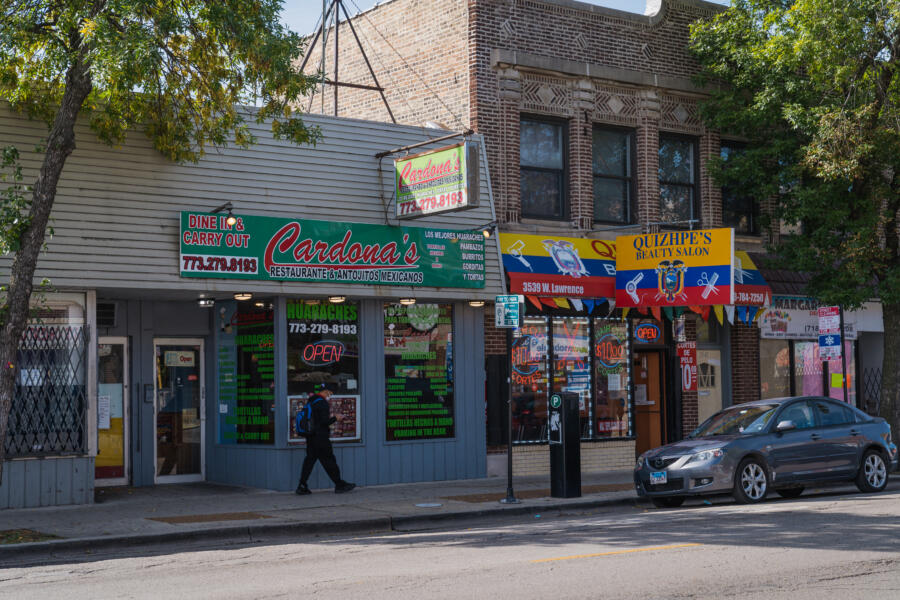
Beyond the practical considerations of safety, Albany Park offers a rich and authentic Chicago experience. It’s a neighborhood where global flavors meet local charm, where historic architecture stands alongside bustling commercial strips.
The culinary scene is a major draw, with an unparalleled array of authentic international restaurants reflecting the diverse population. From Korean BBQ to Mexican taquerias, Middle Eastern bakeries to Salvadoran pupuserias, Albany Park is a food lover’s paradise, offering genuine tastes from around the world at accessible prices.
Culturally, the neighborhood hosts various community events, festivals, and boasts unique independent shops. The strong sense of community is palpable, with neighbors frequently interacting and supporting local businesses. This vibrancy and interconnectedness contribute significantly to the appeal of Albany Park as a destination, making it more than just a place to live or visit, but a dynamic place to experience Chicago’s melting pot identity.
While concerns about safety are valid and warrant thorough investigation, Albany Park generally presents itself as a safe, welcoming, and engaging urban neighborhood. By combining a realistic assessment of crime data with an understanding of community efforts and personal vigilance, visitors and residents can confidently enjoy all that this unique corner of Chicago has to offer. Its safety profile is typical of many diverse urban areas—requiring common sense and awareness, but offering a rewarding experience in return.
LifeOutOfTheBox is a participant in the Amazon Services LLC Associates Program, an affiliate advertising program designed to provide a means for sites to earn advertising fees by advertising and linking to Amazon.com. Amazon, the Amazon logo, AmazonSupply, and the AmazonSupply logo are trademarks of Amazon.com, Inc. or its affiliates. As an Amazon Associate we earn affiliate commissions from qualifying purchases.