
The question “When does the Boston Marathon end?” is a multifaceted one for tourists planning to experience this iconic event in Boston. While the spectacle has a defined start, its “end” isn’t a single moment but rather a gradual conclusion that unfolds over several hours, impacting city life, transportation, and the overall tourist experience long after the elite runners have crossed the finish line. Understanding this timeline is crucial for any visitor aiming to navigate Marathon Monday effectively and immerse themselves fully in the unique atmosphere of America’s oldest annual marathon.
Understanding the Boston Marathon’s Timeline for Tourists
For spectators and visitors, the Boston Marathon is much more than just a race; it’s a day-long festival of human endurance and community spirit. Its timeline extends from the very early morning preparations to the late evening celebrations, with various phases that directly affect how tourists can engage with the event and the city.
The Start and Cut-off Times
The Boston Marathon typically begins with staggered starts to manage the immense field of participants. Wheelchair divisions usually kick off first, followed by elite women, then elite men, and subsequent waves of thousands of amateur runners. These staggered starts, beginning around 9:00 AM and extending past 11:00 AM, mean that the course is active for many hours. For tourists, this is important for planning viewing spots; the initial excitement is at the early parts of the course, while the later parts of the course, particularly in Boston itself, see runners arriving throughout the afternoon.
Crucially, the official race features a cut-off time. Participants must complete the marathon within six hours from the start of the last wave. This usually means that by approximately 5:30 PM to 6:00 PM, official timing mats are removed, aid stations begin to close, and course support diminishes. While some unofficial runners may still be on the course, for all practical purposes, the competitive and officially supported aspects of the race conclude around this time. This is when tourists can expect significant changes: road closures will begin to lift, and the flow of participants will cease.
The Finish Line Experience

The finish line on Boylston Street in Boston is the heart of the marathon’s climax. The first elite runners typically cross between 11:30 AM and 12:30 PM, generating a powerful burst of excitement and media frenzy. However, the majority of the 30,000+ participants arrive much later. The finish line area remains incredibly active and emotionally charged throughout the afternoon, with a steady stream of runners completing their 26.2-mile journey.
For tourists, witnessing the finish is an unforgettable experience. Spectators will see elite athletes, determined amateurs, and those running for charity all pouring into the final stretch. The atmosphere is electric, filled with cheers, tears, and relief. As the afternoon progresses, the pace of arrivals slows, but the stories behind each runner become more apparent and often more poignant. By the time the official cut-off approaches, the scene transforms slightly; while still celebratory, there’s a heightened sense of shared accomplishment among the final finishers and the steadfast crowd remaining to cheer them on. After the last official runner crosses, the barrier removal and cleanup process begins almost immediately, signaling the physical “end” of the race infrastructure.
Navigating Boston During Marathon Monday
Attending the Boston Marathon as a tourist requires careful planning, especially concerning transportation and logistics. The race profoundly impacts the city, transforming its usual routines into a vibrant, albeit complex, landscape for one day.
Road Closures and Public Transportation
Marathon Monday brings extensive road closures along the entire 26.2-mile course, stretching from Hopkinton to Boston. These closures begin early in the morning and remain in effect for many hours, gradually reopening as the last runners pass each section. In downtown Boston, particularly around the finish line on Boylston Street and surrounding areas like Copley Square, roads can remain closed until late evening as cleanup and dismantling of race infrastructure take place.
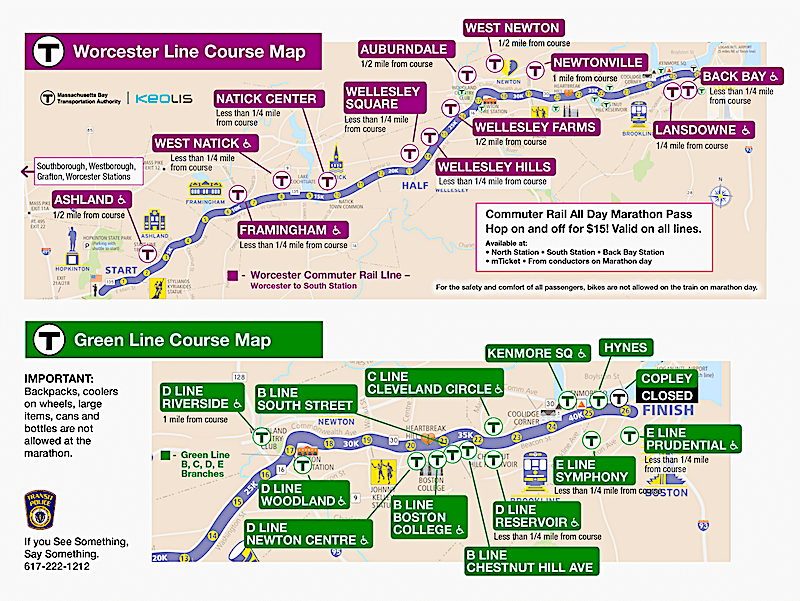
Public transportation, specifically the MBTA (subway and bus system), becomes the lifeline for tourists. However, even the MBTA is affected. Certain stations near the finish line (like Copley on the Green Line) may be closed for safety and security reasons, and numerous bus routes are rerouted. Tourists should plan their routes meticulously, utilizing the subway to reach strategic viewing spots and being prepared for crowded trains and platforms. It’s advisable to purchase a multi-day pass in advance and consult the official MBTA website for real-time alerts and service changes on race day. Walking is often the best way to get around downtown Boston once you’re near the course, as vehicle traffic is severely restricted.
Best Viewing Spots and Spectator Tips
Choosing a viewing spot significantly enhances the tourist experience. Popular choices include:
- Heartbreak Hill in Newton: Famous for its challenging incline, this spot offers a chance to see runners digging deep, often with vocal crowd support. It’s accessible via the Green Line.
- Boston College: Just before Heartbreak Hill, the students here provide an incredibly energetic and loud atmosphere, giving runners a much-needed boost.
- Kenmore Square: A buzzing spot less than a mile from the finish, where the city atmosphere truly takes over, accessible by Green Line.
- Boylston Street (Finish Line Area): While incredibly crowded and requiring early arrival, the energy here is unparalleled. Security is very tight, so plan to arrive hours in advance and understand bag restrictions.
General tips for tourists include: arriving early to secure a good spot, dressing in layers for changeable New England weather, bringing water and snacks, and wearing comfortable shoes. Most importantly, respect the runners and their journey; cheer enthusiastically, but avoid impeding their progress. The atmosphere shifts from intense focus in the early miles to pure exhilaration at the finish, and observing these transitions from different vantage points provides a comprehensive tourist experience.
Beyond the Finish Line: Post-Race Activities and Tourist Impact

The “end” of the Boston Marathon doesn’t signify an immediate return to normalcy. The celebratory spirit lingers, and the city’s infrastructure takes time to revert to its usual state, creating a unique post-race environment for tourists.
City Reopening and Cleanup
As the last official runners complete the race around late afternoon, the cleanup and dismantling process begins promptly. Sections of the course, especially the extensive barriers and aid stations, are removed. Roads further out from the city center may reopen relatively quickly (within an hour or two of the last runner passing), but the core downtown areas, particularly Boylston Street and surrounding blocks, often remain closed to vehicular traffic until late evening, sometimes even past 8:00 PM or 9:00 PM.
For tourists, this means that while the immediate race activity concludes, the impact on accessibility persists. Public transport, though operational, can remain crowded, particularly trains heading out of downtown. Planning evening activities or departures should account for these lingering closures and potential transit delays. Despite the logistical challenges, witnessing the efficiency of the cleanup operation can be an interesting aspect of the city’s post-marathon transition.
Runner’s Reunions and Celebrations
The energy of the marathon doesn’t dissipate once the last runner crosses. Boston transforms into a city-wide celebration. Restaurants, bars, and public spaces fill with jubilant runners, their families, and friends. Many establishments offer special menus or deals for marathon participants. Hotels, which would have been booked solid for days, remain bustling with victorious (and exhausted) athletes.
Tourists can easily tap into this celebratory atmosphere by visiting local pubs and eateries, particularly in areas like Back Bay or the North End. It’s a fantastic opportunity to share in the collective joy, hear personal stories of triumph, and experience the camaraderie that defines the marathon community. This post-race period is a vibrant part of the tourist experience, offering a glimpse into the local culture’s embrace of this historic event.
Cultural Significance and Community Impact
The Boston Marathon is more than just an athletic event; it’s a profound cultural touchstone for Boston and the wider region. It embodies the city’s spirit of resilience, community, and athletic excellence. For tourists, being in Boston during Marathon Monday provides a unique window into this heritage. From the thousands of volunteers to the millions of spectators, the event fosters an unparalleled sense of unity.
Observing the selfless support along the course, the raw emotion at the finish line, and the ensuing city-wide celebration offers an authentic cultural experience that few other events can match. It highlights Boston’s enduring connection to history, its vibrant present, and its unwavering community spirit, leaving a lasting impression on visitors.
Planning Your Boston Marathon Tourism Experience
For those considering a trip to Boston specifically for the marathon, strategic planning will maximize your enjoyment and minimize potential frustrations.
When to Arrive and Depart
To fully soak in the pre-marathon atmosphere, tourists should aim to arrive at least two or three days before Marathon Monday. This allows time to visit the Boston Marathon Expo (where runners pick up their bibs and gear), explore related events, and get acquainted with the city before the crowds swell. The expo itself is a significant tourist attraction, featuring vendors, seminars, and a buzz of anticipation.
For departure, while most official race activities conclude by late afternoon, the impact on transportation and general city flow can extend into the evening. To avoid peak travel congestion and allow for a more relaxed departure, consider staying until Tuesday morning. This also provides an opportunity to enjoy a final Boston meal or visit a landmark without the immediate post-marathon rush.
Accommodation and Dining
The Boston Marathon is one of Boston’s busiest weekends. Hotels along the marathon route or in downtown areas book up months, even a year, in advance, and prices surge significantly. Securing accommodation early is paramount. Consider staying slightly outside the immediate downtown core and utilizing the MBTA for access, which can offer more availability and potentially lower rates.
Dining also requires foresight. Many popular restaurants, especially those near the finish line or in celebratory neighborhoods like the North End, will be fully booked or have long wait times. Making dinner reservations for both the Saturday, Sunday, and Marathon Monday evenings well in advance is highly recommended. Some establishments might offer special marathon-themed menus, adding to the unique dining experience.
Immersing in the Marathon Spirit
Beyond spectating, there are many ways for tourists to immerse themselves in the marathon spirit. Attending the Boston Marathon Expo is a must, even for non-runners. Visiting historical markers or memorials related to the marathon, such as the plaques near the finish line, offers a deeper appreciation of its legacy. Simply walking around the city in the days leading up to the event, observing the growing excitement, and chatting with locals or fellow visitors can be incredibly rewarding. The Boston Marathon is a celebration of human potential and community, and embracing its spirit as a tourist creates an unforgettable experience long after the last runner crosses the finish line.
LifeOutOfTheBox is a participant in the Amazon Services LLC Associates Program, an affiliate advertising program designed to provide a means for sites to earn advertising fees by advertising and linking to Amazon.com. Amazon, the Amazon logo, AmazonSupply, and the AmazonSupply logo are trademarks of Amazon.com, Inc. or its affiliates. As an Amazon Associate we earn affiliate commissions from qualifying purchases.