
Understanding the horticultural climate of a region is fundamental for anyone looking to cultivate a thriving garden, whether for personal enjoyment, aesthetic enhancement of a property, or even for local culinary pursuits. For those considering a visit to or a relocation to the vibrant city of Las Vegas, knowing its USDA Plant Hardiness Zone is a critical piece of information. This designation, based on the average annual extreme minimum winter temperature, dictates which perennial plants are most likely to survive the winter and return year after year. Las Vegas, nestled within the arid Mojave Desert, presents a unique set of challenges and opportunities for gardeners.
Understanding USDA Hardiness Zones
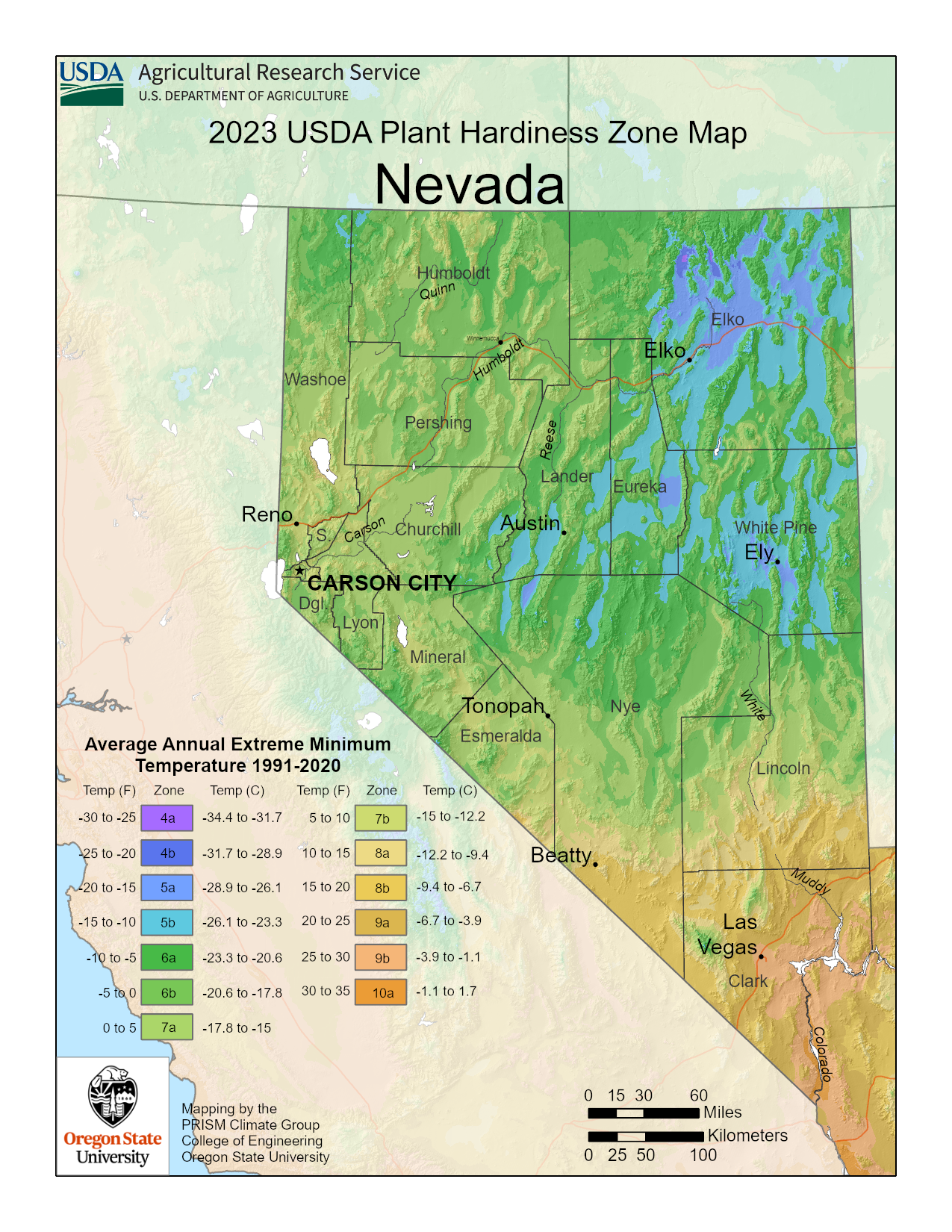
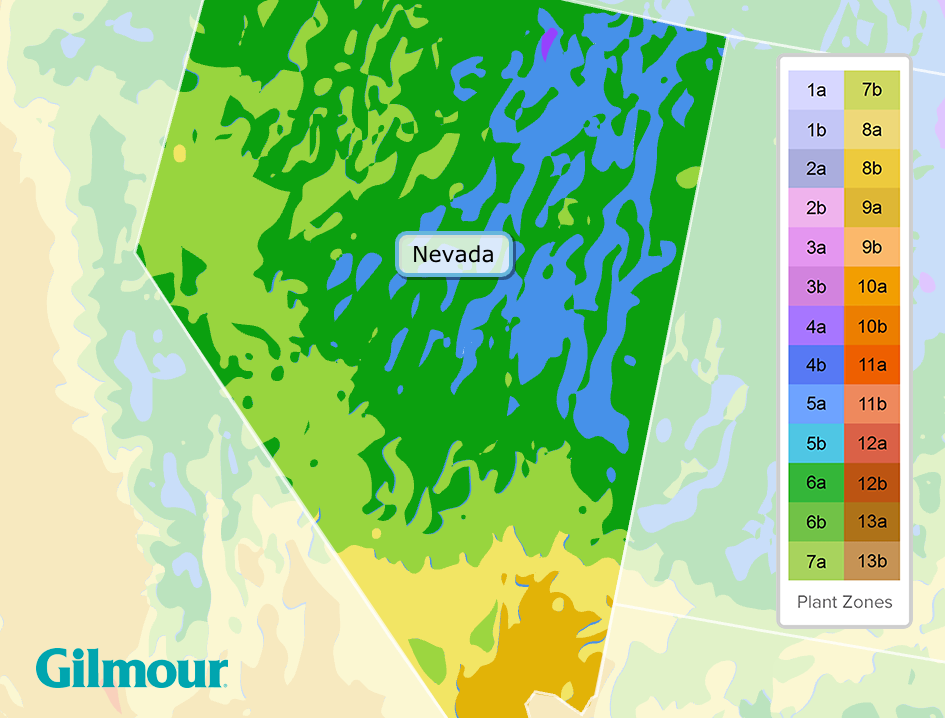
The USDA Plant Hardiness Zone Map divides North America into 11 distinct zones, each representing a 10°F difference in average annual minimum winter temperature. Zone 1 has the coldest winters, while Zone 11 has the warmest. Within each zone, there are also half-zones (e.g., 5a and 5b), representing a 5°F difference. This system is an essential tool for gardeners and landscape designers, as it provides a baseline for selecting plants that can withstand the local winter conditions.
The Importance for Gardeners
For perennial plants, winter survival is paramount. The hardiness zone indicates the lowest temperature a plant can endure. If a plant is rated for a warmer zone than where it is planted, it is unlikely to survive the winter. Conversely, planting a plant rated for a colder zone in a warmer area is generally not an issue for winter survival, though it might affect bloom times or growth habits. However, for a city like Las Vegas, understanding the zone is not just about winter; it also informs about the potential for heat tolerance during the scorching desert summers. While the hardiness zone primarily focuses on winter lows, successful gardening in Las Vegas necessitates considering the extreme heat, drought, and the specific microclimates that can exist even within a single metropolitan area.
Las Vegas’s Specific Hardiness Zone
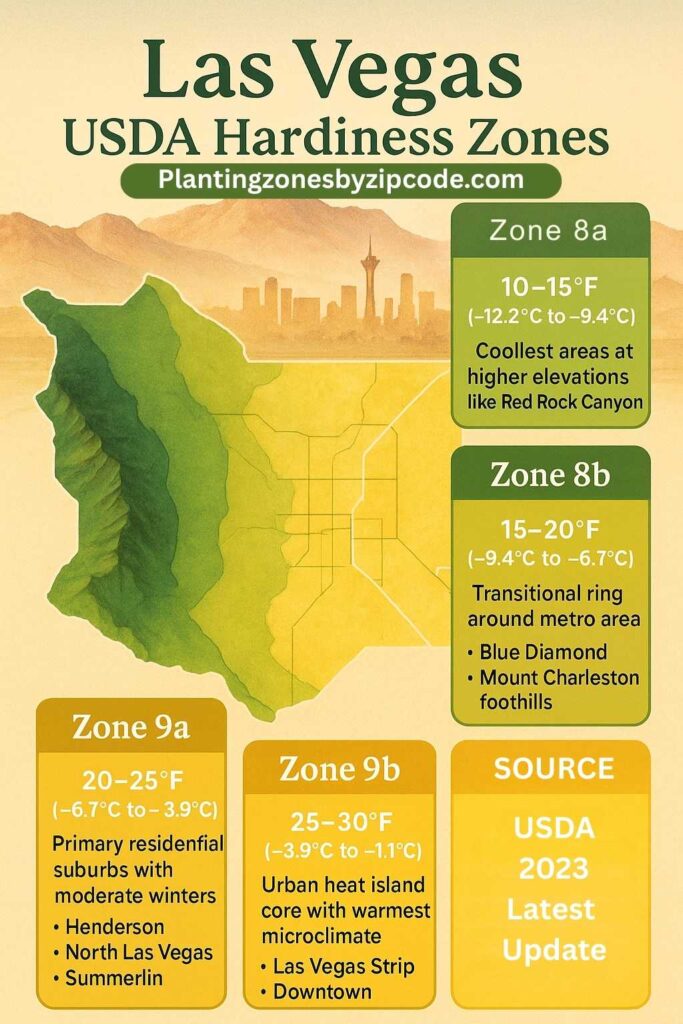
Las Vegas, Nevada, is predominantly situated within USDA Hardiness Zone 9a. This zone is characterized by average annual minimum winter temperatures ranging from 20°F to 25°F (-6.7°C to -3.9°C). While this might seem relatively mild compared to northern regions, it’s important to remember that this is the average minimum, and occasional dips below these temperatures can occur.
Zone 9a: What It Means for Plant Selection
Zone 9a indicates that many subtropical and temperate plants can survive the winter in Las Vegas. This includes a wide array of flowering shrubs, trees, and perennials that might struggle in colder climates. However, the defining characteristic of Las Vegas is not its winter chill, but its intense summer heat and arid environment. Therefore, while Zone 9a is a crucial starting point for plant selection, it must be considered in conjunction with the city’s extreme climatic conditions.
Microclimates within Las Vegas
It’s important to note that hardiness zones are general guidelines, and microclimates can significantly influence plant survival. Areas closer to the McCarran International Airport or in more developed urban centers might experience slightly warmer temperatures due to the urban heat island effect. Conversely, areas at higher elevations surrounding the city, or those with more exposed landscapes, might experience slightly colder temperatures. When planning a garden in Las Vegas, it’s always advisable to observe your specific location and consult with local nurseries for the most accurate advice.
Gardening in the Mojave Desert Climate
Las Vegas falls within the Mojave Desert, an environment that presents unique challenges for horticulture. Understanding these challenges is key to successful gardening, regardless of the hardiness zone.
Water Conservation and Drought Tolerance
Water is a precious resource in Las Vegas. Gardening practices must prioritize water conservation. This involves selecting drought-tolerant plants, utilizing efficient irrigation methods like drip systems, and employing mulching to retain soil moisture and suppress weeds. Native and well-adapted desert plants are often the most successful choices, requiring less supplemental watering once established. Examples include various yucca species, agave, cacti, and resilient desert shrubs like creosote bush.
Extreme Summer Heat
Las Vegas experiences prolonged periods of extreme heat, with summer temperatures frequently exceeding 100°F (38°C) and sometimes reaching 110°F (43°C) or higher. Plants that are not heat-tolerant will struggle to survive, even if they are within the appropriate hardiness zone for winter. Shade structures, strategic planting under the canopy of larger, heat-tolerant trees, and selecting plants with a proven track record of thriving in hot, arid conditions are essential strategies. Many popular landscaping plants from more temperate climates may not be suitable for direct sun exposure during the peak of Las Vegas summers.
Soil Conditions
The native soil in the Las Vegas valley is typically sandy and alkaline, with low organic matter content. This soil can drain very quickly, which can be beneficial for some desert plants but can also lead to rapid drying out. Improving soil structure with compost and other organic amendments can enhance water retention and provide essential nutrients. However, it’s important not to over-amend, as some desert plants are adapted to leaner soils.
Recommended Plants for Las Vegas (Zone 9a)
Given its Zone 9a designation and desert climate, successful gardening in Las Vegas involves choosing plants that can tolerate both the winter lows and the extreme summer heat, while also being water-wise.
Drought-Tolerant Perennials and Groundcovers
Many beautiful and hardy perennials thrive in Las Vegas. These include:
- Lantana: Known for its vibrant clusters of flowers and exceptional heat tolerance, lantana is a low-maintenance choice that attracts butterflies.
- Salvia: A wide variety of salvias, especially those native to arid regions, offer stunning blooms and require minimal water.
- Gaillardia (Blanket Flower): These cheerful, daisy-like flowers are remarkably drought and heat tolerant.
- Perennial Verbena: Varieties like Verbena lilacina offer long blooming periods and are well-suited to desert conditions.
- Agave and Aloe: These succulents are iconic desert plants, offering striking architectural forms and requiring very little water. Many varieties are hardy in Zone 9a and can withstand the heat.
- Cacti: A vast array of cacti species are perfectly adapted to Las Vegas’s climate, offering unique textures and colors.
Trees and Shrubs for Shade and Structure
Strategic planting of trees and shrubs can provide much-needed shade, reduce cooling costs for homes, and create a more comfortable outdoor environment.
- Palo Verde Trees: These trees are named for their green bark and are known for their vibrant yellow spring blooms. They are exceptionally drought and heat tolerant.
- Mesquite Trees: Another native desert tree, mesquite offers filtered shade and can thrive with minimal water.
- Desert Willow: Despite its name, it is not a true willow, but a small tree or large shrub that produces showy, trumpet-shaped flowers and is highly adapted to arid conditions.
- Oleander: While beautiful and heat-tolerant, it’s important to note that oleander is highly toxic. It provides dense foliage and colorful blooms but requires careful handling.
- Texas Sage (Leucophyllum frutescens): This shrub produces beautiful purple flowers, often after rain, and thrives in full sun and well-drained soil.
Edible Gardening Considerations
While challenging, edible gardening is possible in Las Vegas with careful planning. Focusing on heat-tolerant vegetables and fruits that can be grown during the cooler seasons (fall through spring) is key.
- Cool-Season Crops: Many leafy greens, root vegetables (carrots, radishes), broccoli, and peas can be grown during the milder months.
- Heat-Tolerant Options: For summer, consider heat-tolerant varieties of tomatoes, peppers, eggplants, melons, and squash. Providing afternoon shade and consistent watering is crucial for summer vegetables.
- Fruit Trees: Certain fruit trees, like pomegranates, figs, and some varieties of citrus, can be successful with proper care and water management.
Beyond the Hardiness Zone: Practical Tips for Las Vegas Gardening
While the USDA Hardiness Zone provides a foundational understanding, successful gardening in Las Vegas goes beyond just knowing the zone number. It requires adopting a mindful approach to the desert environment.
Watering Wisely
- Deep and Infrequent Watering: Encourage plants to develop deep root systems by watering thoroughly but less often.
- Morning Watering: Watering in the early morning minimizes evaporation and reduces the risk of fungal diseases.
- Drip Irrigation: This highly efficient method delivers water directly to the plant’s root zone, conserving water and reducing weed growth.
- Hydrozoning: Grouping plants with similar water needs together creates more efficient irrigation zones.
Soil Management
- Composting: Regularly amending soil with compost improves its structure, water-holding capacity, and nutrient content.
- Mulching: Applying a layer of organic mulch (wood chips, shredded bark) or inorganic mulch (gravel, decomposed granite) helps retain soil moisture, suppress weeds, and regulate soil temperature.
Shade and Protection
- Strategic Planting: Utilize existing structures or plant trees and shrubs to create shade for more sensitive plants.
- Shade Cloth: During the hottest months, shade cloth can provide critical protection for vegetables and ornamental plants.
Pest and Disease Management
Desert environments can still host pests and diseases. Integrated Pest Management (IPM) strategies that prioritize prevention and use the least toxic methods are recommended. Healthy, well-adapted plants are often more resistant to pests and diseases.
Embracing Native and Adapted Species
The most sustainable and successful gardens in Las Vegas will often feature native or well-adapted species from arid regions. These plants have evolved to thrive in the local conditions, requiring less water, fertilizer, and overall maintenance. Exploring local botanical gardens, such as the Springs Preserve, can provide excellent examples and inspiration for a truly desert-adapted landscape.
By understanding that Las Vegas is in Zone 9a and then layering that knowledge with the realities of its desert climate, gardeners can cultivate beautiful, sustainable, and thriving outdoor spaces that complement the unique environment of southern Nevada. Whether you are a resident, a visitor contemplating a stay at a resort, or simply curious about the flora of this iconic city, appreciating its hardiness zone and environmental context unlocks a deeper understanding of its natural beauty.
LifeOutOfTheBox is a participant in the Amazon Services LLC Associates Program, an affiliate advertising program designed to provide a means for sites to earn advertising fees by advertising and linking to Amazon.com. Amazon, the Amazon logo, AmazonSupply, and the AmazonSupply logo are trademarks of Amazon.com, Inc. or its affiliates. As an Amazon Associate we earn affiliate commissions from qualifying purchases.