
Boston, Massachusetts, a city steeped in history, vibrant culture, and scenic beauty, offers a unique charm in every season. Deciding the “best” time to visit largely depends on individual preferences for weather, crowd levels, prices, and the types of activities or events one wishes to experience. From the blooming parks of spring to the festive glow of winter, Boston’s allure transforms with the calendar. This guide delves into the distinct advantages and considerations of each season, helping travelers pinpoint their ideal time to explore this iconic New England gem.
Spring: A City Awakens (April – May)
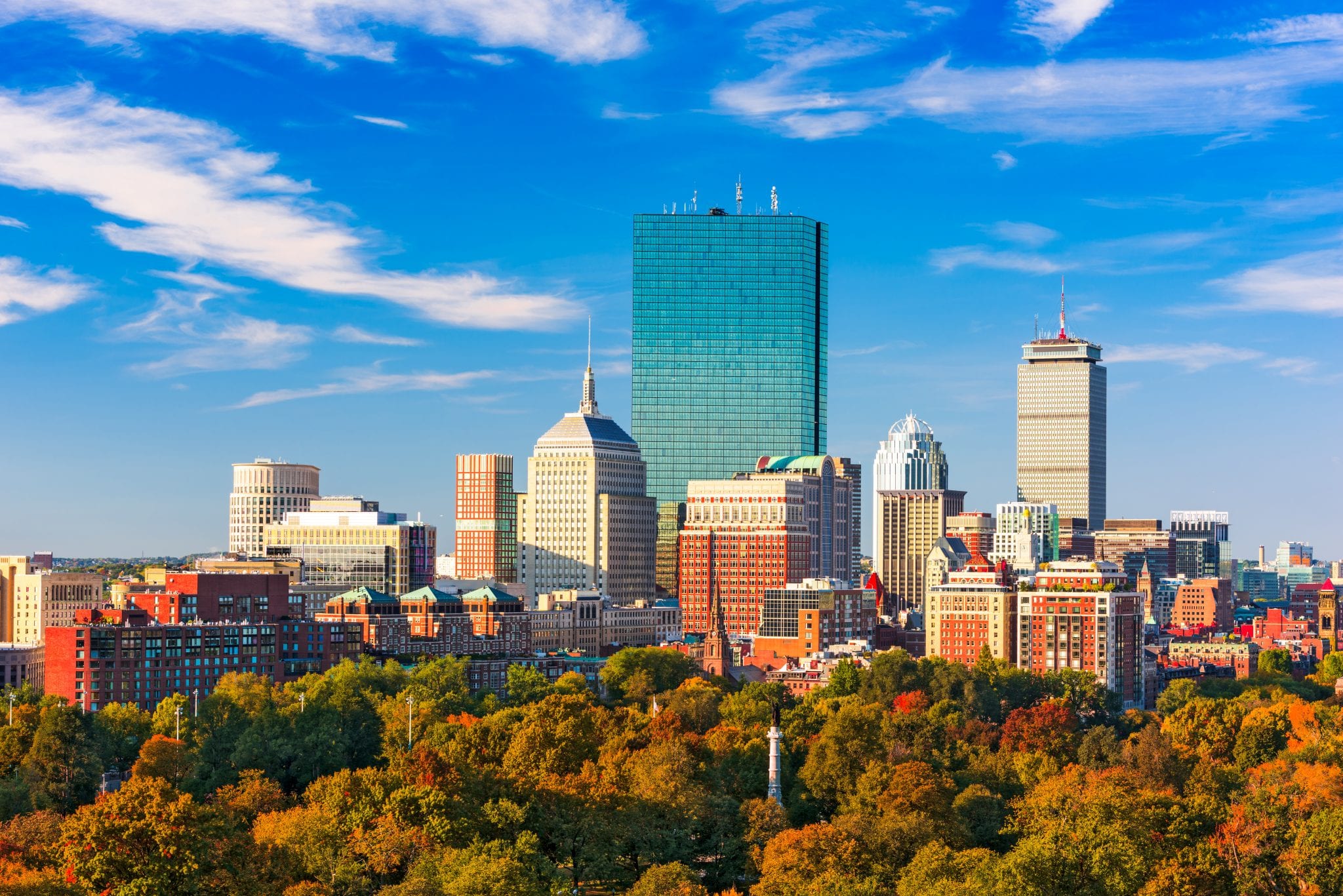
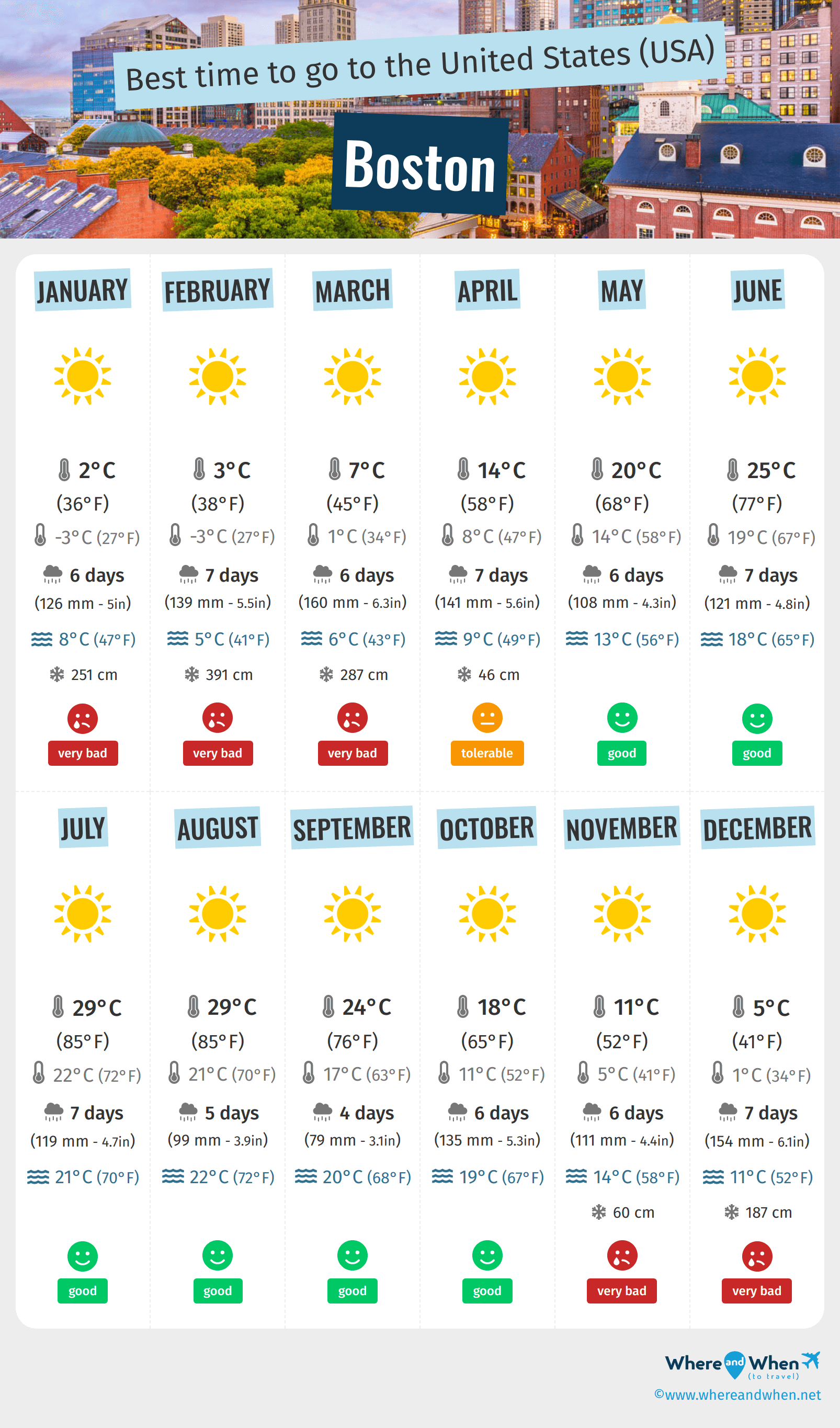
Spring in Boston is a period of reawakening, as the city sheds its winter coat and bursts into bloom. The weather during April and May is typically mild, with temperatures ranging from the 40s to 60s Fahrenheit (4-15°C), offering comfortable conditions for exploring on foot. While early spring can still bring a chill and occasional rain, the later months usher in brighter, longer days.
Weather and Scenery
The iconic Boston Common and Public Garden transform into canvases of color with tulips, daffodils, and cherry blossoms adorning the landscape. Strolling through these historic parks and taking a ride on the Swan Boats becomes a quintessential spring experience. The mild air is perfect for walking the historic Freedom Trail, delving into the city’s Revolutionary War past without the sweltering heat of summer or the biting cold of winter.
Key Events and Activities
Spring is home to some of Boston’s most famous events. The Boston Marathon electrifies the city on Patriots’ Day (the third Monday in April), drawing spectators and runners from around the globe. This period also sees the return of outdoor dining and the opening of seasonal attractions. Baseball fans can catch a Boston Red Sox game at historic Fenway Park, marking the official start of the season. Cultural institutions like the Museum of Fine Arts and the Isabella Stewart Gardner Museum offer refuge on cooler days and provide enriching indoor experiences. Early spring celebrations include Saint Patrick’s Day parades, especially vibrant in South Boston, and Chinese New Year festivities in Boston’s bustling Chinatown.
Considerations
Crowds are moderate in spring, picking up significantly around the Boston Marathon and college graduation weekends. Accommodation prices tend to be higher during these peak event periods but generally more affordable than summer. Booking well in advance is advisable if visiting during major events.
Summer: Sun-Kissed Adventures and Coastal Breezes (June – August)
Summer in Boston is synonymous with outdoor activities, vibrant festivals, and a lively atmosphere. Temperatures typically range from the 70s to 80s Fahrenheit (21-27°C), with humidity occasionally making it feel warmer. This season is ideal for those who love basking in the sun, enjoying waterfront dining, and taking day trips to nearby coastal towns.
Waterfront Activities and Day Trips
The Boston Harbor truly comes alive in summer. Whale Watching tours depart regularly, offering thrilling encounters with marine life. Ferries to Cape Cod, Martha’s Vineyard, and Nantucket provide perfect escapes for beach days or exploring charming island communities. Kayaking or paddleboarding on the Charles River offers unique perspectives of the city skyline.
Festivals and Outdoor Entertainment
Boston’s summer calendar is packed with events. The Fourth of July celebrations are legendary, featuring a spectacular fireworks display over the Charles River, accompanied by the world-renowned Boston Pops concert at the Hatch Shell. Boston Harborfest also takes place around this time, celebrating the city’s maritime heritage. Throughout the season, free outdoor concerts, movie screenings, and farmer’s markets pop up across various neighborhoods. Faneuil Hall Marketplace and Quincy Market are bustling hubs for street performers and food vendors.
Considerations
Summer is peak tourist season, meaning larger crowds and higher prices for flights and accommodation. Popular attractions can have long lines, so booking tickets in advance is highly recommended. The humidity can be a factor, particularly in July and August, so dressing in layers and staying hydrated are essential.
Fall: A Tapestry of Colors and Cultural Vibrancy (September – November)
Many consider fall the quintessential time to visit Boston. The weather is crisp and invigorating, with temperatures ranging from the 40s to 60s Fahrenheit (4-15°C), and the city is adorned with breathtaking fall foliage. The summer crowds begin to dissipate, offering a more relaxed yet still vibrant atmosphere.
Iconic Fall Foliage
The changing leaves are undoubtedly the star of autumn in Boston and surrounding New England. The Public Garden and Boston Common are awash in brilliant reds, oranges, and yellows, making them perfect for leisurely strolls and photography. Day trips to nearby countryside for scenic drives become incredibly popular. The Emerald Necklace park system offers miles of picturesque trails through colorful landscapes.
Academic Energy and Sporting Events
With numerous universities and colleges, Boston buzzes with renewed academic energy as students return. This season hosts the internationally renowned Head Of The Charles Regatta in October, drawing thousands of rowers and spectators to the Charles River. Other notable events include the Columbus Day Parade (now often recognized as Indigenous Peoples’ Day) and various food and wine festivals that celebrate seasonal produce.
Considerations
While summer crowds thin out, fall still attracts a significant number of visitors, especially during peak foliage weeks in October. Accommodation prices can remain relatively high due to conventions, college events, and the allure of autumn. Booking in advance is still advisable for the best rates and availability.
Winter: Festive Charm and Cozy Explorations (December – March)
Winter in Boston is a magical time, particularly during the holiday season, transforming the city into a festive wonderland. While temperatures can drop below freezing, with averages in the 20s and 30s Fahrenheit (-6 to 4°C), and snowfall is common, the city offers a cozy and enchanting experience for those prepared for the cold.
Holiday Cheer and Festive Lights
December is filled with holiday spirit. The city sparkles with dazzling light displays, particularly around Faneuil Hall Marketplace and the Commonwealth Avenue Mall. Skating on the Frog Pond at Boston Common is a cherished tradition. New Year’s Eve is celebrated with First Night Boston, a family-friendly arts and cultural festival culminating in fireworks.
Indoor Attractions and Culinary Delights
Winter is the perfect time to explore Boston’s world-class museums, historic sites, and cozy restaurants. Warm up with a bowl of clam chowder in a traditional pub or indulge in a fine dining experience. The New England Aquarium and the Museum of Science offer engaging indoor activities for all ages. Shopping opportunities abound, from boutique stores on Newbury Street to the diverse offerings at various shopping centers.
Considerations
Winter is off-peak season, meaning fewer crowds and generally lower prices for flights and accommodations (excluding the Christmas and New Year’s Eve periods). However, visitors must be prepared for cold weather, potential snowstorms, and shorter daylight hours. Some outdoor tours and seasonal attractions may be closed or operate on limited schedules. Packing warm layers, waterproof footwear, and a good winter coat is essential.
Beyond the Calendar: Other Considerations
While seasons provide a strong framework, other factors also influence the “best” time for your visit to Boston.
Budget Travel
For budget-conscious travelers, late winter (January-March, excluding holiday weekends) and early spring (April, excluding Marathon week) often offer the best deals on flights and hotels. Summer is generally the most expensive due to high demand.
Avoiding Crowds
If you prefer a quieter experience, consider visiting in the shoulder seasons: early spring (April, avoiding Marathon week) or late fall (November, after peak foliage). January and February are the quietest months, though many attractions may have reduced hours.
Specific Interests
- History Buffs: Spring and fall offer the most comfortable weather for walking the Freedom Trail and exploring historic sites.
- Sports Enthusiasts: Summer and fall for Red Sox baseball, and fall for college sports and the Regatta. Hockey (Bruins) and basketball (Celtics) seasons run from fall through spring.
- Foodies: Boston’s culinary scene is vibrant year-round, but fall’s harvest festivals and outdoor dining in spring/summer add a special flair.
Ultimately, Boston is a captivating destination regardless of the season. Each period presents a distinct array of experiences, from the vibrant energy of summer to the serene beauty of a snow-dusted winter. By aligning your travel preferences with the seasonal offerings, you can ensure a memorable and enjoyable visit to this historic American city.
LifeOutOfTheBox is a participant in the Amazon Services LLC Associates Program, an affiliate advertising program designed to provide a means for sites to earn advertising fees by advertising and linking to Amazon.com. Amazon, the Amazon logo, AmazonSupply, and the AmazonSupply logo are trademarks of Amazon.com, Inc. or its affiliates. As an Amazon Associate we earn affiliate commissions from qualifying purchases.