
[California]’s Alluring Coastline: A Traveler’s Treasure at Risk
The question “Will California be underwater?” strikes at the heart of what makes the Golden State an unparalleled travel destination. Its sprawling coastline, kissed by the Pacific Ocean, is not merely a geographic feature but the very foundation of its global appeal. From the rugged cliffs of Big Sur to the sun-drenched beaches of San Diego, the state’s coastal regions draw millions annually, offering diverse experiences ranging from vibrant urban explorations in San Francisco and Los Angeles to serene retreats in charming seaside towns. The very essence of a California dream often involves ocean views, salty air, and endless horizons.

Iconic Destinations on the Edge
Many of California’s most cherished landmarks and attractions are inextricably linked to its shoreline. Imagine a visit to the state without the iconic Santa Monica Pier, where families create lasting memories, or the picturesque shores of Malibu, synonymous with surfing culture and celebrity homes. The colorful coves of Laguna Beach, famous for its art scene and natural tide pools, are also directly exposed. Further north, the majestic Golden Gate Bridge stands sentinel over San Francisco Bay, an area highly susceptible to rising sea levels.
These aren’t just points on a map; they are the backdrops for countless travel narratives, honeymoon photos, and family vacations. The allure of these places lies not only in their beauty but in their accessibility and the experiences they offer. The thought of these irreplaceable sites being submerged or irrevocably altered by rising waters is a concern that transcends environmental policy, touching upon the very fabric of global tourism and the emotional connection travelers have with these beloved destinations. For travel planners and adventurers alike, understanding the potential future of these iconic locales is crucial for both current enjoyment and future strategy.
The Economic Tide of Coastal Tourism
The economic engine of California’s tourism industry is heavily reliant on its coastal assets. Beaches, marinas, waterfront hotels, and coastal recreational activities generate billions of dollars annually, supporting countless jobs and local economies from Orange County to the redwood forests of the north. Fishing charters, whale-watching tours, boardwalk attractions, and fine dining establishments overlooking the Pacific Ocean all contribute significantly to the state’s prosperity.
Should sea-level rise proceed unchecked, the direct impact on this economic ecosystem would be profound. Not only would property values decline in affected areas, but the infrastructure supporting tourism—roads, utilities, and public access points—would face severe challenges, potentially rendering some destinations inaccessible or undesirable. This scenario presents a complex puzzle for stakeholders in the travel industry, from local businesses to international tour operators, requiring proactive strategies to mitigate risks and adapt offerings to ensure the continued vitality of California’s tourism sector. The question isn’t just about whether land will be lost, but about how livelihoods and beloved travel experiences will be preserved.
Understanding the Shifting Tides: What Climate Science Means for Travel
The existential question posed by “Will California be underwater?” is rooted in the sobering realities of climate science. Global sea levels are rising, driven primarily by thermal expansion of ocean water and the melting of glaciers and ice sheets. While the notion of the entire state being submerged is sensationalized, the threat to its extensive coastline is very real and presents significant implications for travel and tourism. Scientific projections, based on various emission scenarios, indicate a measurable and continuous rise in sea levels throughout the 21st century and beyond.
Projected Scenarios and Vulnerable Zones
Scientists predict that California’s coastline could experience a sea-level rise of several feet by the end of the century, with significant regional variations influenced by local geology and subsidence. Areas particularly at risk include low-lying coastal communities, estuaries, and wetlands, many of which are vital ecological habitats and popular recreational areas. Cities like San Francisco, Oakland, and Long Beach have extensive infrastructure and residential areas built at or near current sea level, making them highly vulnerable to increased flooding, erosion, and saltwater intrusion.
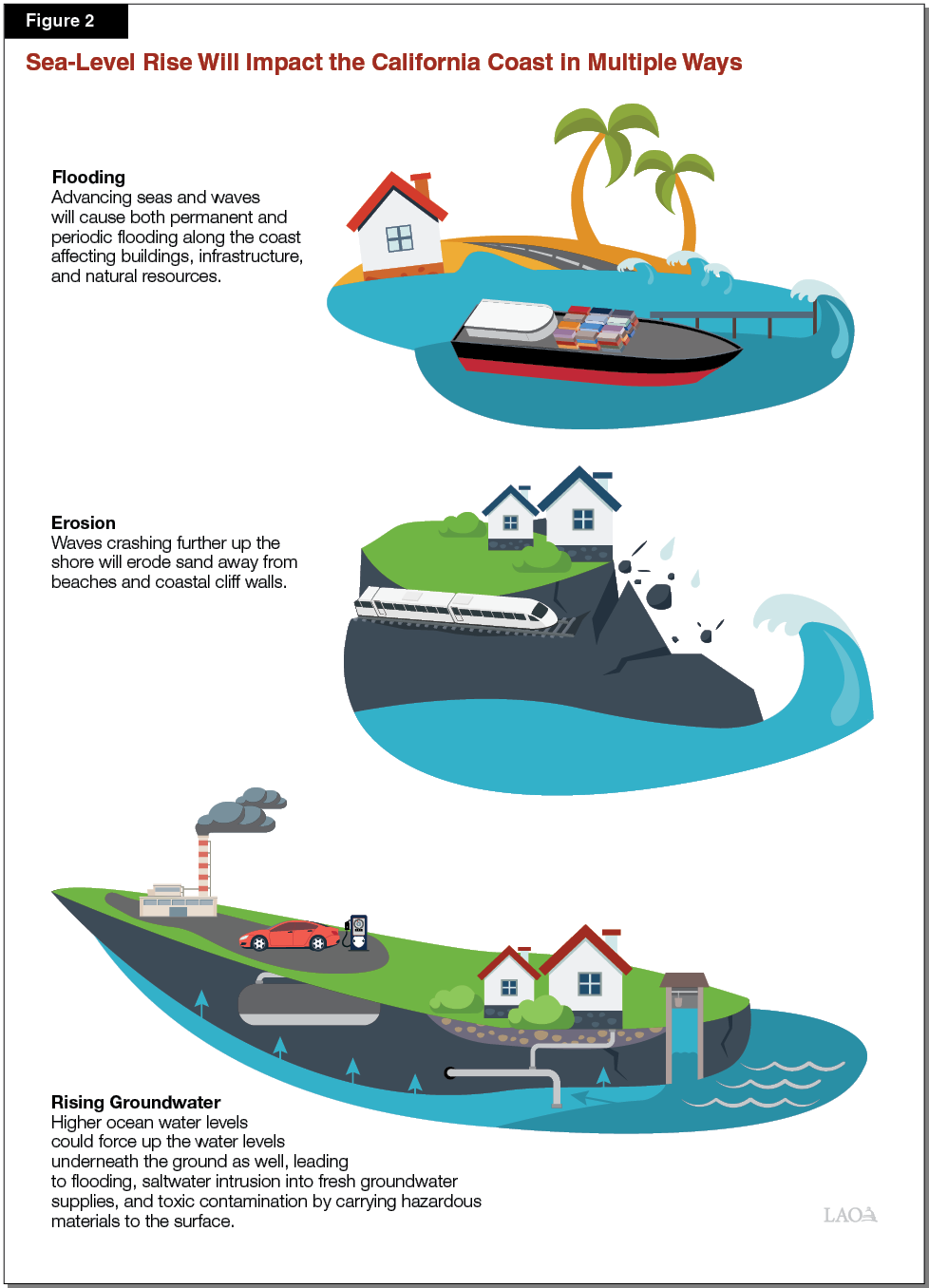
Travelers planning visits to coastal destinations need to be aware that certain areas could experience more frequent high-tide flooding, even on sunny days. This “nuisance flooding” can disrupt transportation, close beaches, and affect accessibility to attractions. More extreme events, like storm surges amplified by higher sea levels, pose an even greater threat, potentially causing widespread damage to coastal properties and natural landscapes that form the bedrock of California’s appeal. While the entire state won’t disappear, key travel hotspots face tangible and evolving challenges.
Impacts on Infrastructure and Accessibility
The intricate network of roads, bridges, airports, and utilities that facilitate travel along California’s coast is highly susceptible to sea-level rise. Major coastal highways, such as Highway 1, already experience closures due to landslides and erosion, problems that are projected to worsen with increased coastal inundation and more intense storm activity. The disruption to these arterial routes could severely impact access to popular destinations like Big Sur or the scenic drives along Santa Barbara’s coast.
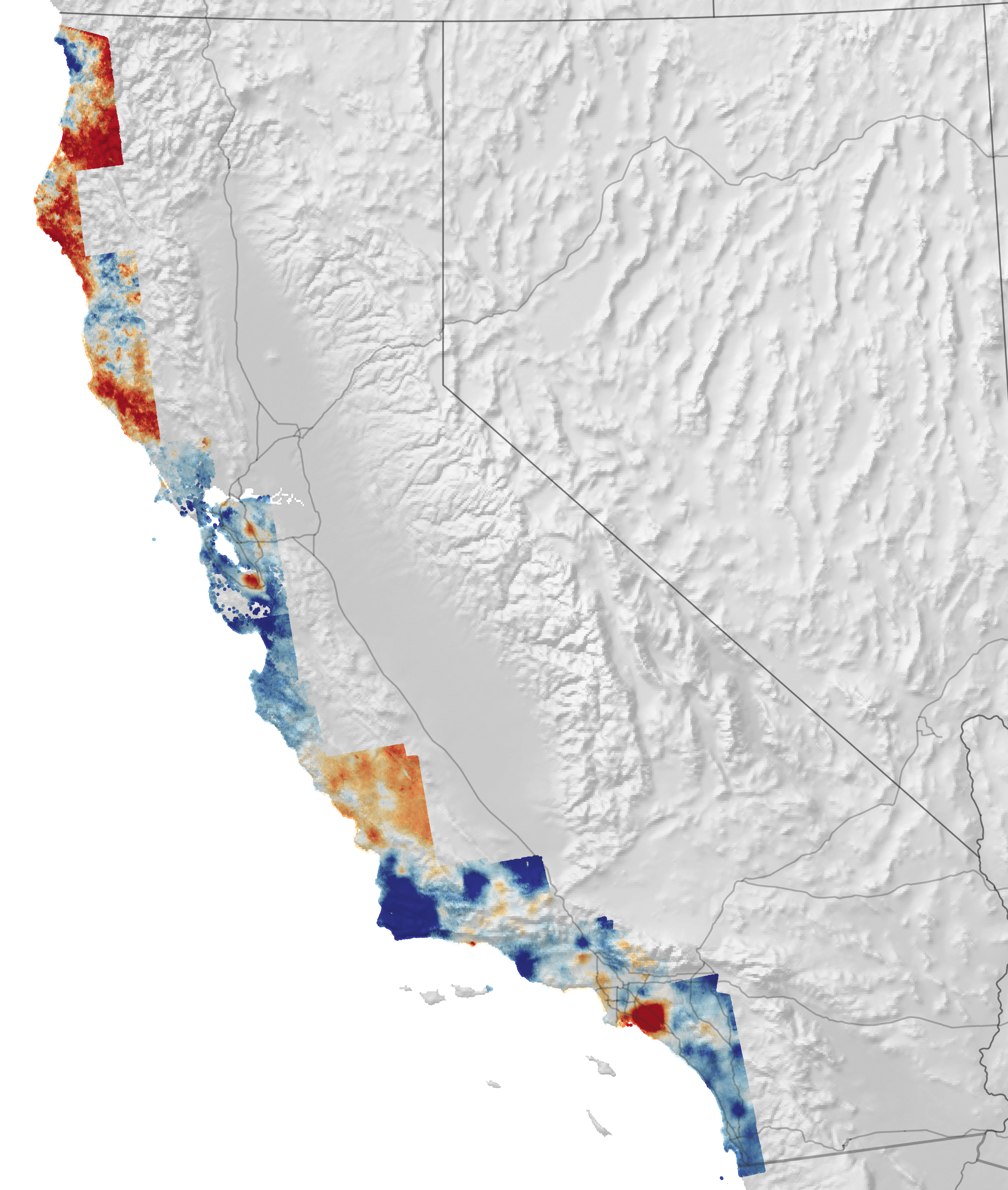
Beyond transportation, critical tourism infrastructure—hotels, resorts, convention centers, and historical piers—are often situated directly on the waterfront. Protecting these assets will require substantial investment in coastal defenses, such as seawalls and managed retreat strategies, which themselves can alter the natural beauty and character of a destination. For travelers, this could mean changes in route planning, potential detours, or even the permanent alteration of beloved coastal landscapes and facilities, necessitating a re-evaluation of how one experiences California’s shores.
Navigating the Future: Adapting Travel Experiences in [California]
The challenges posed by sea-level rise necessitate a forward-thinking approach to travel and tourism in California. Rather than envisioning a future where coastal travel ceases, the industry is already exploring innovative solutions and adaptations to preserve and evolve the visitor experience. This involves a blend of resilient infrastructure planning, creative attraction development, and a renewed commitment to sustainable practices.
Resilient Tourism and Innovative Attractions
Future coastal travel in California may see the emergence of resilient tourism infrastructure, designed to withstand or adapt to changing environmental conditions. This could include elevated boardwalks, floating structures, or developments built with adaptable foundations. Destinations might invest in “living shorelines” utilizing natural elements like oyster reefs and wetlands to buffer against rising waters, simultaneously creating new ecological attractions for nature-based tourism. Imagine guided kayak tours through newly formed estuarine habitats, or elevated viewing platforms offering unique perspectives on evolving coastal ecosystems.
Creative solutions could also redefine coastal attractions. Historical sites at risk of inundation might implement virtual reality experiences to preserve their legacy, allowing visitors to explore submerged landmarks digitally. Coastal parks might shift their focus to higher ground, developing new trails and interpretive centers that highlight the dynamic interplay between land and sea. The emphasis will move towards experiences that are both captivating and environmentally conscious, showcasing the beauty of California’s coast in a way that acknowledges and responds to its changing reality.
Embracing Sustainable Exploration
The conversation around sea-level rise underscores the urgent need for sustainable travel practices. Travelers to California are increasingly seeking destinations that prioritize environmental stewardship. This shift aligns perfectly with efforts to protect the state’s vulnerable coastline. Ecotourism, already a growing sector, will likely gain even more prominence, focusing on low-impact activities like hiking, birdwatching, and educational programs that highlight conservation efforts.
Travelers can contribute by choosing eco-certified accommodations, supporting local businesses committed to sustainability, and minimizing their carbon footprint. Guided tours that emphasize environmental awareness and conservation messaging will become more prevalent, educating visitors about the delicate balance of coastal ecosystems and the challenges they face. The future of California travel will increasingly intertwine the joy of discovery with the responsibility of preservation, inviting visitors to be part of the solution rather than just spectators.
Beyond the Beaches: Rediscovering Inland [California]’s Rich Tapestry
While the focus on sea-level rise naturally gravitates towards the coastline, it also prompts a vital re-evaluation of California’s vast and incredibly diverse inland offerings. The state is much more than its beaches; it encompasses towering mountain ranges, expansive deserts, fertile valleys, and historic towns that provide equally captivating travel experiences, many of which are untouched by coastal concerns.
The Enduring Appeal of Mountains, Deserts, and Valleys
California boasts an extraordinary array of inland attractions that will remain vibrant regardless of coastal changes. Yosemite National Park, with its majestic granite cliffs and waterfalls, offers unparalleled hiking and wilderness adventures. The serene beauty of Lake Tahoe provides year-round recreation, from skiing in winter to boating in summer. The vast and otherworldly landscapes of the Mojave Desert, including Death Valley National Park, invite exploration and solitude.
The rolling vineyards of Napa Valley and Sonoma offer world-class culinary and wine experiences. Historic gold rush towns dot the Sierra Nevada foothills, providing a glimpse into the state’s rich past. Furthermore, cities like Palm Springs offer a unique blend of desert luxury, mid-century modern architecture, and a vibrant arts scene. These inland gems offer alternative, yet equally fulfilling, travel itineraries that highlight California’s incredible geographical and cultural breadth.
Shifting Travel Patterns and New Hubs
As awareness of coastal vulnerabilities grows, there may be a gradual shift in travel patterns, encouraging visitors to explore more of California’s interior. This presents an opportunity for destinations like Sacramento, the state capital, or Fresno, the gateway to national parks, to emerge as stronger tourism hubs. Increased investment in infrastructure and promotional efforts for these inland regions could help redistribute tourist traffic, alleviating pressure on coastal areas and diversifying the state’s overall tourism economy.
Travel guides and itineraries might increasingly highlight multi-region trips, encouraging visitors to combine a brief coastal visit with extensive exploration of the mountains, deserts, or agricultural valleys. This holistic approach ensures that California continues to offer a comprehensive and captivating experience, adapting to environmental changes while showcasing its enduring appeal. The question is not whether California will be underwater in its entirety, but how thoughtfully and dynamically its travel industry will adapt to ensure its continued prosperity and allure for generations to come.
LifeOutOfTheBox is a participant in the Amazon Services LLC Associates Program, an affiliate advertising program designed to provide a means for sites to earn advertising fees by advertising and linking to Amazon.com. Amazon, the Amazon logo, AmazonSupply, and the AmazonSupply logo are trademarks of Amazon.com, Inc. or its affiliates. As an Amazon Associate we earn affiliate commissions from qualifying purchases.