
A Scar on Boston‘s Historic Tapestry: The Day of the Bombing
On April 15, 2013, the vibrant celebration of Patriot’s Day in Boston, a historical hallmark for the city, was irrevocably shattered. The Boston Marathon, an event deeply embedded in the city’s cultural and historical fabric, serving as a symbolic race of freedom and endurance since 1897, became the backdrop for an act of domestic terrorism. As runners crossed the finish line on Boylston Street, two homemade pressure-cooker bombs detonated just seconds apart, transforming a scene of triumph into one of chaos and terror.
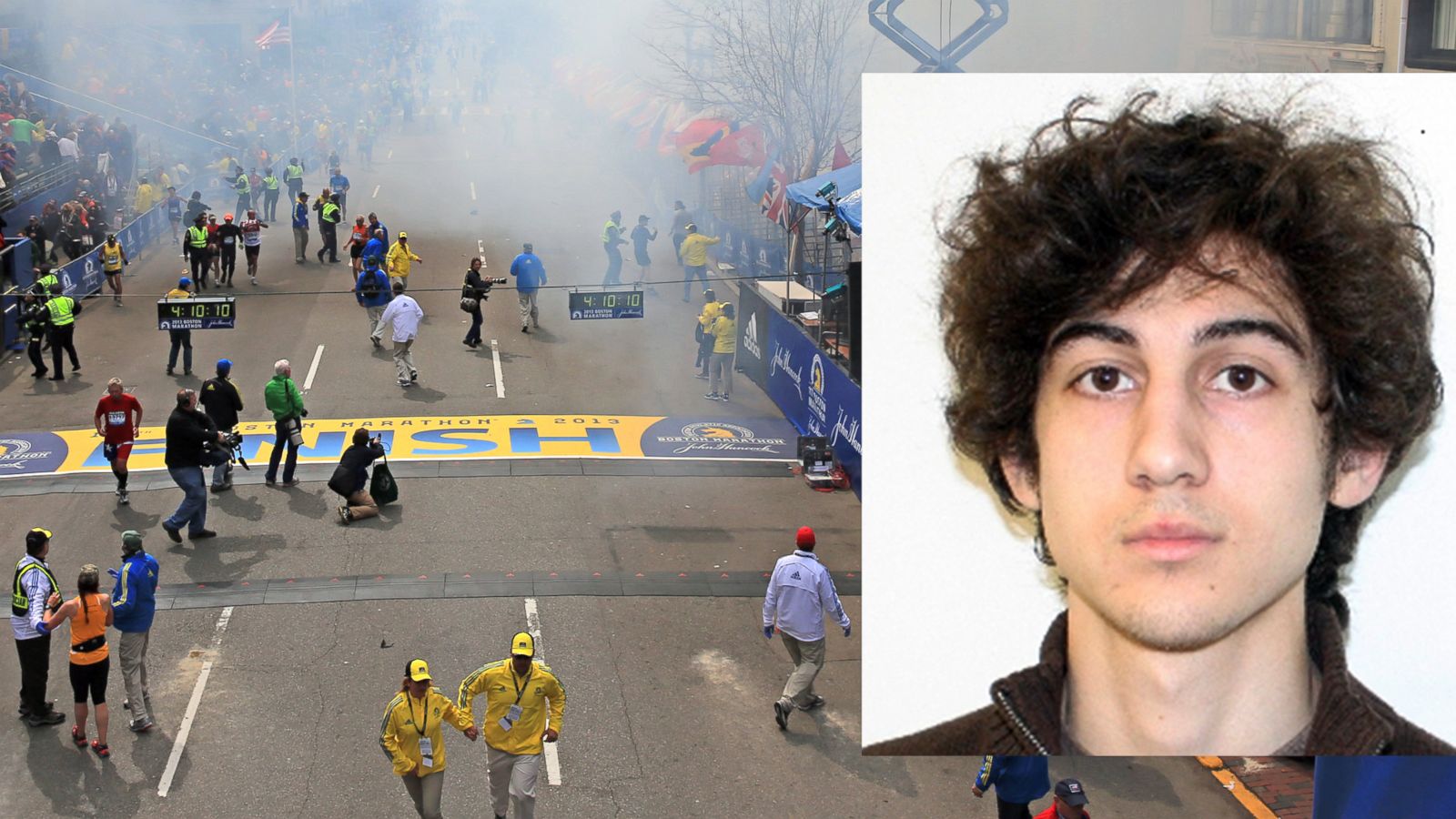
The explosions killed three people: Krystle Campbell, Martin Richard, and Lu Lingzi. More than 260 others were injured, many sustaining life-altering wounds, including amputations. The attack sent shockwaves far beyond Massachusetts, prompting an immediate and intense response from law enforcement, emergency services, and the public. This day, marked by horrific violence, instantly became a somber chapter in Boston’s rich history, reminding a nation that even its most cherished public events could be vulnerable. The historic streets of Boston, usually bustling with celebratory crowds, became a scene of an unfolding crisis, capturing the world’s attention.
The Unfolding Manhunt: A City’s Resolve Under Scrutiny
In the immediate aftermath of the Boston Bombing, the focus quickly shifted to identifying and apprehending those responsible. The investigation launched by the Federal Bureau of Investigation (FBI) and various local, state, and federal agencies became one of the most extensive manhunts in American history. Within hours, investigators began sifting through immense amounts of evidence, including surveillance footage from countless cameras around Boylston Street and eyewitness accounts.
Crucial to the breakthrough were images released by the FBI on April 18, showing two individuals identified as “Suspect 1” and “Suspect 2” carrying backpacks near the marathon finish line. This public appeal for information galvanized the community and amplified the sense of urgency.
The Pursuit Across Boston and Watertown
The release of the images led directly to a series of events that escalated into a dramatic and unprecedented urban pursuit. On the night of April 18, the suspects, later identified as brothers Tamerlan Tsarnaev and Dzhokhar Tsarnaev, engaged in a violent spree. They murdered MIT Police Officer Sean Collier in Cambridge, attempted to carjack a vehicle, and then engaged in a fierce shootout with police in Watertown. During this confrontation, Tamerlan Tsarnaev was severely wounded and ultimately died, partially due to being run over by his brother Dzhokhar Tsarnaev as he fled the scene in the stolen car.
The following day, April 19, saw Boston and its surrounding communities placed under an extraordinary lockdown, a ghost-town stillness that etched itself into the city’s historical memory. Public transportation ceased, businesses closed, and residents were ordered to stay indoors as law enforcement conducted a house-to-house search for the remaining suspect. This unprecedented measure underscored the gravity of the situation and the unified determination to capture the individual responsible for bringing terror to Boston’s historic heart.
Identifying the Perpetrators: An Act of Domestic Terror
The manhunt concluded that evening when Dzhokhar Tsarnaev was found hiding in a boat in a backyard in Watertown. His capture brought an end to four days of intense fear and uncertainty. The responsibility for the Boston Bombing was unequivocally placed on these two brothers: Tamerlan Tsarnaev, 26, and Dzhokhar Tsarnaev, 19.
The Tsarnaev Brothers: Background and Radicalization
The brothers were ethnic Chechens who had immigrated to the United States from Dagestan, a republic in Russia’s North Caucasus region, in the early 2000s. They settled in Cambridge, Massachusetts, eventually becoming legal permanent residents. Tamerlan Tsarnaev, the elder brother, reportedly became increasingly radicalized in the years leading up to the attack, influenced by extremist propaganda. His younger brother, Dzhokhar Tsarnaev, appeared to have been drawn into his brother’s ideology and plans.

During his trial, Dzhokhar Tsarnaev was convicted on 30 charges, including conspiracy and use of a weapon of mass destruction, and was sentenced to death. He remains incarcerated at a supermax prison in Colorado as of this writing, appealing his sentence. The trial laid bare the gruesome details of the attack and the brothers’ motivations, cementing their place as the undisputed perpetrators in the historical record of this American tragedy.
Motivations and Ideology: Delving into Radicalization
The question of “why” haunted the nation in the aftermath of the Boston Bombing. While the physical perpetrators were identified, understanding the genesis of their actions was crucial for contextualizing this event within the broader history of terrorism.
Self-Radicalization and Extremist Propaganda
Investigators and analysts concluded that the Tsarnaev brothers were self-radicalized, drawing inspiration from extremist Islamic propaganda found online. Tamerlan Tsarnaev, in particular, consumed materials from radical ideologues like Anwar al-Awlaki, an American-Yemeni cleric linked to Al-Qaeda. Evidence suggested he became increasingly isolated and fervent in his extremist views after a trip to Dagestan and Chechnya in 2012.
The brothers reportedly sought to “defend Islam” against perceived American aggressions and sought retribution for U.S. wars in Muslim lands. This narrative, common among online extremist groups, resonated with Tamerlan and was impressed upon Dzhokhar Tsarnaev. The bombs used were simple, crude devices, indicative of “lone wolf” or small cell terrorist tactics encouraged by such propaganda, which advocated for attacks on civilian targets.
The absence of direct orders from a foreign terrorist organization highlighted a growing concern: the threat of domestic terrorism fueled by online radicalization. The Boston Bombing served as a stark historical reminder of how easily individuals within a nation could be swayed by extremist ideologies, leading to devastating acts against their adopted home.
From Trauma to Triumph: Boston’s Enduring Legacy
Beyond the immediate tragedy and the subsequent manhunt, the story of the Boston Bombing is also one of immense resilience and solidarity. The city, known for its deep historical roots and robust civic identity, responded with unwavering courage and unity, creating a lasting legacy that has become an integral part of its modern history.
“Boston Strong”: A City United
The phrase “Boston Strong” emerged as a powerful rallying cry, encapsulating the spirit of the community’s response. It symbolized the collective determination to heal, rebuild, and not succumb to fear. The outpouring of support for victims, the tireless work of first responders, and the way ordinary citizens stepped up to help one another became defining characteristics of the aftermath. Fundraisers, community events, and acts of kindness flourished, demonstrating a unity that transcended the attack.
The Boston Marathon itself became a powerful symbol of defiance and healing. In the years following 2013, participation soared, and the event became an annual testament to the city’s refusal to be intimidated. Security measures were significantly enhanced, but the spirit of the race, along with the cheers of spectators lining Boylston Street, remained unbroken.
Memorials and Remembrance
The enduring impact of the Boston Bombing is also visible in the memorials and remembrance efforts that have become part of Boston’s historical landscape. A permanent memorial was dedicated near the finish line in 2019, honoring the victims and survivors with granite pillars, bronze spires, and a reflection area. These physical reminders ensure that the tragedy and the resilience it inspired are never forgotten.
Additionally, Boston observes One Boston Day every April 15, a city-wide initiative encouraging acts of kindness and community service. This transformation of a day of terror into one of civic engagement exemplifies Boston’s determination to define its history not by the actions of terrorists, but by the enduring strength and unity of its people. The Boston Bombing remains a tragic chapter, but it is intrinsically linked to the city’s larger historical narrative of perseverance and unwavering spirit.
LifeOutOfTheBox is a participant in the Amazon Services LLC Associates Program, an affiliate advertising program designed to provide a means for sites to earn advertising fees by advertising and linking to Amazon.com. Amazon, the Amazon logo, AmazonSupply, and the AmazonSupply logo are trademarks of Amazon.com, Inc. or its affiliates. As an Amazon Associate we earn affiliate commissions from qualifying purchases.