
The vast, sun-drenched landscapes of Texas conjure images of expansive ranches, shimmering oil fields, and a spirit of self-reliance. This spirit often extends to how Texans interact with their environment, including the precious resource of water. With its diverse climate, from the humid Gulf Coast to the arid West Texas plains, water management is a perennial concern. This has led to a common question, particularly for those interested in sustainable living, off-grid solutions, or simply maximizing their property’s potential: “Is it illegal to harvest rainwater in Texas?” The answer, as is often the case with legal matters in a state as large and varied as Texas, is nuanced, but for the most part, the answer is a resounding no. In fact, Texas has historically been a leader in recognizing and encouraging rainwater harvesting.

The Legal Landscape of Rainwater Harvesting in Texas
The foundational principle governing water rights in Texas is the “law of capture.” This doctrine dictates that the owner of land generally has the right to capture and use percolating groundwater beneath their property, and similarly, surface water that falls on their land is theirs to collect. This principle has been a cornerstone of water law in the state and forms the bedrock of why rainwater harvesting is generally permissible.
Historical Context and Legal Precedent
Historically, the concept of capturing rainfall was deeply ingrained in the self-sufficient ethos of early Texans. Without widespread municipal water systems, collecting rainwater from roofs for domestic use was a necessity. This tradition has carried through to modern times, and the legal framework has evolved to support it.
One of the most significant pieces of legislation that solidified the legality of rainwater harvesting was the Texas Water Code, Section 37.001, which clarifies that rainwater is not subject to the state’s prior appropriation system for surface water rights. This means that collecting rainwater from your own property does not require a water right permit, distinguishing it from the capture and use of water from rivers, lakes, or other public water sources.
The Texas Rainwater Harvesting Association
The Texas Rainwater Harvesting Association (TRHA) has played a pivotal role in advocating for and educating the public about rainwater harvesting practices in the state. Established in 1990, the TRHA works to promote the responsible collection, storage, and use of rainwater for various purposes, from landscape irrigation to potable water supply. Their efforts have helped to clarify legal ambiguities and foster a supportive environment for rainwater harvesting initiatives across Texas.
The TRHA, along with various state agencies and legislative actions, has affirmed that individuals and entities have the right to harvest rainwater on their private property. This right is crucial for promoting water conservation, reducing reliance on strained municipal water supplies, and supporting sustainable land management.
Permitting and Regulations for Rainwater Harvesting Systems
While the act of harvesting rainwater itself is legal, the installation and use of certain types of systems, especially those intended for potable (drinking) water, may come with specific guidelines and considerations. These are generally not prohibitions but rather recommendations and regulations aimed at ensuring public health and safety.
Residential Systems
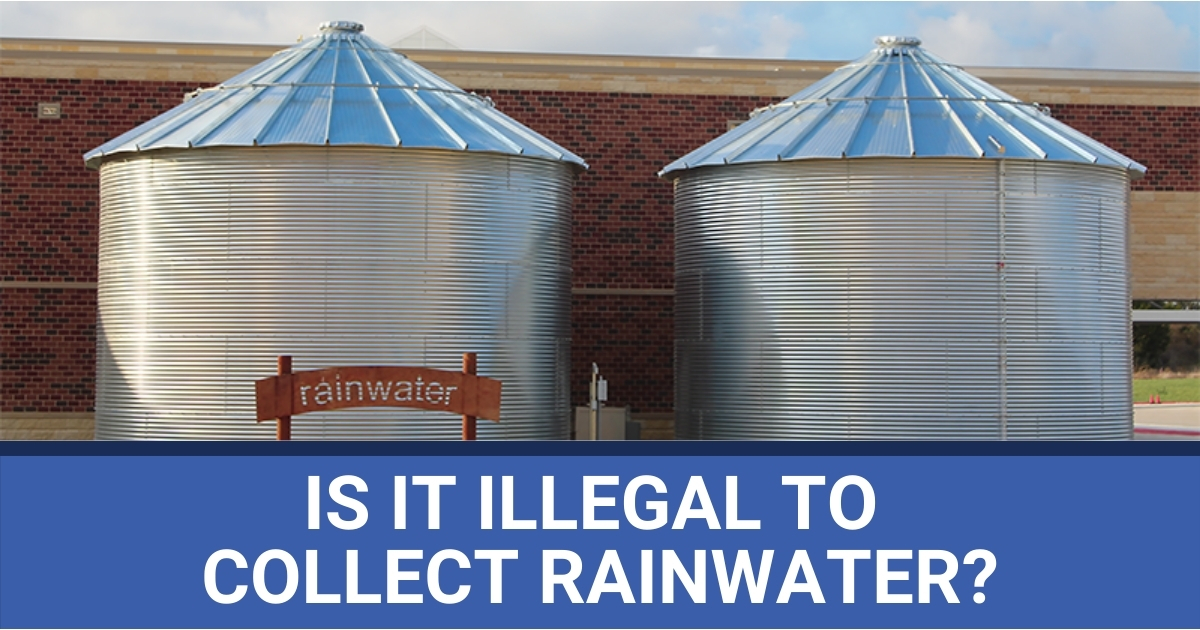
For most homeowners in Texas, installing a rainwater harvesting system for non-potable uses like gardening, flushing toilets, or washing cars is straightforward and requires no special permits. This typically involves collecting water from rooftops into cisterns or tanks. The scale and complexity of the system might influence local building codes, but the fundamental right to collect the rain remains.
When considering systems for potable water, the situation becomes more complex, as it should. Contamination is a significant concern, and proper filtration, treatment, and maintenance are paramount. While Texas law allows for potable rainwater harvesting, the regulations are often guided by best practices recommended by organizations like the TRHA and public health departments. This might involve specific requirements for system design, materials used, and regular testing to ensure the water is safe for consumption. It is always advisable to consult with local authorities and qualified professionals when designing a potable rainwater system to ensure compliance with any relevant health and safety codes.
Commercial and Agricultural Applications
For larger-scale operations, such as commercial buildings or agricultural enterprises in Texas, the regulations might be more involved. However, these typically pertain to system design, water quality management, and stormwater runoff management rather than outright prohibition. For instance, businesses looking to implement large-scale rainwater harvesting for cooling towers or irrigation might need to adhere to specific environmental regulations or stormwater management plans, especially if their operations are in areas with strict environmental oversight.
Agricultural users can benefit immensely from rainwater harvesting, particularly in drier regions. The ability to collect and store rainfall can supplement irrigation needs, reducing the strain on groundwater or municipal supplies. The legal framework generally supports these uses, encouraging innovation in water management for the agricultural sector.
Benefits of Rainwater Harvesting in Texas

Beyond the legal permissibility, rainwater harvesting in Texas offers a multitude of benefits that align with the state’s goals for water security, environmental sustainability, and economic resilience.
Water Conservation and Sustainability
Texas is prone to periods of drought, making water conservation a critical necessity. Rainwater harvesting is a direct method of conserving water by reducing reliance on conventional sources such as municipal water or groundwater. By capturing precipitation that would otherwise run off into storm drains, individuals and communities can create a more sustainable water cycle. This practice helps to replenish local aquifers indirectly by reducing the demand on them, and directly by increasing groundwater recharge in some areas where systems are designed to do so.
Cost Savings
Implementing a rainwater harvesting system can lead to significant cost savings over time. Reduced water bills, especially for landscape irrigation and other non-potable uses, can be substantial. For businesses, this can translate to lower operating expenses, and for homeowners, it can provide a buffer against rising water costs and supply disruptions. The initial investment in a system can be recouped through these savings, making it an economically sound choice.
Stormwater Management
In urban and suburban areas, heavy rainfall can overwhelm stormwater infrastructure, leading to flooding and erosion. Rainwater harvesting systems intercept rainfall at its source, reducing the volume and velocity of stormwater runoff. This can help mitigate local flooding issues, protect waterways from pollution carried by runoff, and preserve soil integrity. Properties in areas prone to flash floods, such as those near the Hill Country or along the Gulf Coast, can benefit from this aspect of rainwater harvesting.
Water Quality
Rainwater collected directly from clean rooftops can be of higher quality than treated municipal water, particularly in terms of dissolved solids and certain chemical contaminants. When properly filtered and treated, it can be a pure and natural water source. This is especially appealing to those seeking to minimize their exposure to chemicals often used in municipal water treatment processes.
Addressing Common Misconceptions
Despite the clear legal framework and numerous benefits, some misconceptions persist regarding rainwater harvesting in Texas. The primary concern often revolves around perceived illegality or the complexity of regulations.
“It’s illegal because water belongs to the state.”
This is a common misunderstanding stemming from the state’s ownership of surface water rights in rivers and lakes. However, as previously mentioned, Texas law specifically carves out an exception for rainwater falling on private property. This water is considered the property of the landowner to capture and use.
“It’s too complicated to get permits.”
For basic non-potable residential systems, permits are generally not required. The permitting process, when it does apply, is typically for systems designed to provide potable water or for very large commercial/agricultural installations. These regulations are in place to ensure safety and do not represent a barrier to entry for the vast majority of interested individuals. Consulting with local building departments or water authorities can clarify any specific local requirements.
“Rainwater isn’t safe to drink.”
While it’s true that untreated rainwater can carry contaminants from the atmosphere or the collection surfaces, it can be made safe for drinking with appropriate filtration and treatment methods. Many homeowners in Texas successfully use rainwater for potable purposes after installing robust systems that include multiple stages of filtration, UV sterilization, and regular water quality testing. The key is proper design, installation, and maintenance, not an inherent illegality of drinking collected rainwater.
Conclusion
In conclusion, the question of whether it is illegal to harvest rainwater in Texas can be answered with a definitive “no” for most common applications. The state’s legal framework, rooted in the law of capture and further clarified by specific statutes, actively supports and encourages the collection and use of rainwater on private property. From residential gardens to potentially larger-scale uses, Texas embraces this sustainable practice. While considerations for potable water systems are important and require adherence to safety guidelines, the fundamental right to capture the rain that falls on your land is a well-established and protected right in the Lone Star State. This empowers Texans to be more water-independent, conserve a vital resource, and contribute to a more resilient future.
LifeOutOfTheBox is a participant in the Amazon Services LLC Associates Program, an affiliate advertising program designed to provide a means for sites to earn advertising fees by advertising and linking to Amazon.com. Amazon, the Amazon logo, AmazonSupply, and the AmazonSupply logo are trademarks of Amazon.com, Inc. or its affiliates. As an Amazon Associate we earn affiliate commissions from qualifying purchases.