
A Deep Dive into Boston’s Culinary Heritage
The nickname “Bean Town” is inextricably linked to Boston’s rich culinary and cultural history, a moniker that resonates deeply with its past and continues to be a point of unique local pride. While perhaps not as majestic as “The Hub of the Universe” or as historically significant as “The Cradle of Liberty,” “Bean Town” offers a warm, accessible insight into the city’s enduring character and its practical, resourceful beginnings. The origin of this endearing nickname traces back to one foundational dish: Boston Baked Beans.
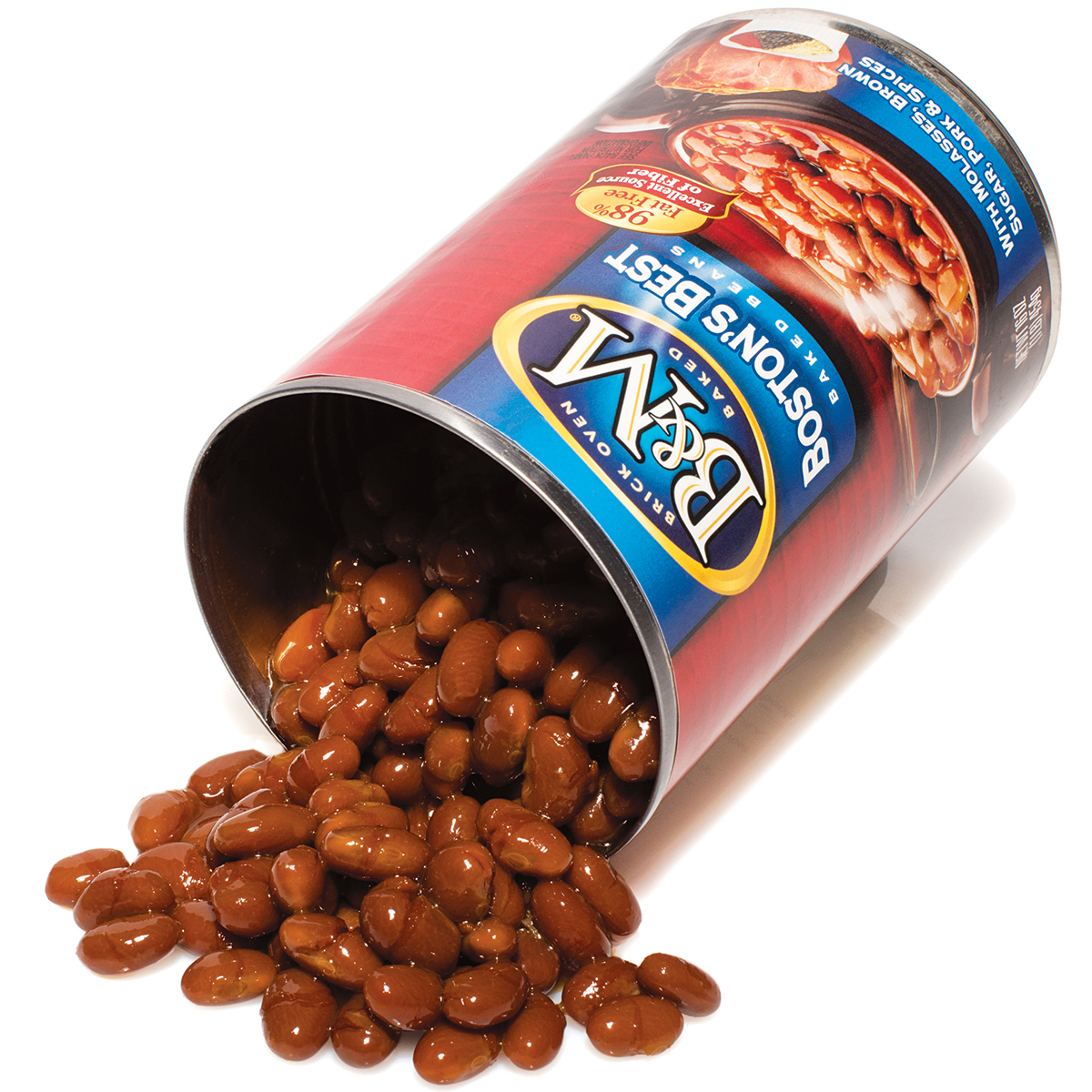
This beloved dish isn’t just food; it’s a historical artifact on a plate, reflecting the ingenuity and circumstances of early colonial Boston settlers. The recipe typically involves navy beans slow-baked in a molasses-sweetened sauce with salt pork or bacon. Its popularity soared during the Puritan era when strict religious observations prohibited cooking on Sundays. Preparing a hearty pot of beans on Saturday, which could then simmer slowly overnight and be served warm the next day, became an ideal solution for a satisfying, Sabbath-compliant meal. This practicality solidified Boston Baked Beans as a staple, especially for Saturday suppers.

The ingredients themselves tell a story of Boston’s strategic location and its role in the lucrative triangular trade. Molasses, a key component, was a readily available byproduct of sugar cane processing from the Caribbean and was imported in vast quantities to Boston Harbor. It was used not only for rum distillation but also as a cheap and effective sweetener for cooking. Coupled with locally sourced navy beans and pork, the dish was both economical and incredibly nutritious, providing sustained energy for the hardworking colonists. This blend of accessibility, convenience, and nutritional value ensured that Boston Baked Beans became synonymous with the city itself, giving birth to the “Bean Town” epithet, a term that tourists now associate with authentic Boston culture.
Beyond the Bean: Exploring Boston’s Gastronomic Landscape
While Boston Baked Beans might have given Boston its famous nickname, the city’s culinary landscape extends far beyond this single iconic dish. A visit to “Bean Town” offers a diverse and rich gastronomic journey, reflecting its coastal location, immigrant history, and innovative spirit. For tourists eager to delve into the local culture through food, there’s an array of must-try delicacies.
New England Seafood Staples: Given its proximity to the Atlantic Ocean, Boston is a seafood lover’s paradise.
- Clam Chowder: Often referred to as New England Clam Chowder, this creamy, hearty soup filled with clams, potatoes, onions, and often bacon, is a quintessential Boston experience. It’s thicker and richer than its Manhattan counterpart, a true comfort food on a chilly day by the harbor.
- Lobster Rolls: Whether served warm with butter or cold with mayonnaise, a lobster roll in Boston showcases the abundance of fresh New England lobster. The sweet, tender meat packed into a toasted, buttered hot dog bun is a simple yet exquisite delight.
- Oysters and Raw Bar: Boston’s raw bars offer a dazzling selection of freshly shucked oysters from local waters and beyond. Enjoying them with a squeeze of lemon and a dash of mignonette is a true taste of the ocean.
Italian Influence in the North End: Boston’s historic North End is the city’s oldest residential neighborhood and a vibrant Italian-American community.
- Cannolis and Pastries: The North End is famous for its incredible bakeries, where tourists can indulge in perfectly crisp cannolis filled with sweet ricotta, tiramisu, and other traditional Italian pastries. The friendly rivalry between bakeries like Mike’s Pastry and Modern Pastry is a local legend in itself.
- Authentic Italian Cuisine: Beyond sweets, the North End boasts countless family-run restaurants serving up classic Italian-American fare, from rich pasta dishes to wood-fired pizzas, making it a culinary destination in its own right.
The Official Dessert: Boston Cream Pie: This delightful dessert, despite its name, is actually a cake. Invented at the Parker’s Restaurant at the Omni Parker House in the mid-19th century, it features two layers of sponge cake filled with custard cream and topped with a glistening chocolate glaze. It was designated the official dessert of Massachusetts in 1996, a testament to its enduring local appeal.

Craft Beer Scene: Boston is also a hub for craft beer enthusiasts, home to pioneers like Sam Adams Brewery and a growing number of smaller, innovative breweries. Tasting tours offer insights into the brewing process and the chance to sample unique local brews. This vibrant scene adds another layer to Boston’s evolving culinary identity, blending tradition with modern tastes.
Experiencing Local Culture Through Food Tours and Markets
For tourists, truly immersing oneself in Boston’s local culture means more than just eating; it involves experiencing the city’s food scene firsthand. From guided tours to bustling public markets, there are numerous ways to connect with “Bean Town’s” gastronomic heart.
Guided Food Tours: These curated experiences are an excellent way to gain local insights and sample a variety of dishes without extensive planning.
- North End Food Tour: A walk through the North End on a food tour is like stepping into another country. Expert guides lead visitors through historic streets, sharing stories of Italian immigration while stopping at authentic bakeries for cannolis, delis for cured meats and cheeses, and restaurants for pasta and pizza samples. It’s an intimate way to understand the neighborhood’s culinary traditions and community spirit.
- Boston Market Tours: Some tours focus on the city’s vibrant markets, offering tastes of various local produce, cheeses, and prepared foods, giving a broader overview of Boston’s contemporary food scene.
Public Markets and Food Halls: These lively hubs are perfect for independent exploration and offer a sensory feast.
- Boston Public Market: Located downtown, this indoor market showcases a diverse array of New England food producers. From fresh produce and seafood to artisanal cheeses, baked goods, and prepared meals, it’s a foodie’s paradise. Visitors can grab lunch, pick up gourmet souvenirs, or simply soak in the vibrant atmosphere.
- Quincy Market at Faneuil Hall Marketplace: An iconic landmark, Quincy Market is not just a historical site but also a bustling food hall. Here, tourists can find everything from traditional New England Clam Chowder to international street food, all under one historic roof. It’s a great spot to try different local treats in a lively setting.
Diners and Traditional Eateries: For an authentic taste of Boston Baked Beans and other classic dishes, seek out local diners and unpretentious eateries. These establishments often serve up traditional recipes passed down through generations. Places slightly off the main tourist paths might offer the most authentic and hearty portions, served with genuine New England hospitality. Ask locals for their favorite spots to truly eat like a Bostonian.
The Enduring Legacy of “Bean Town” and Its Cultural Resonance
The nickname “Bean Town” is more than just a historical anecdote about a favorite dish; it’s a vital part of Boston’s identity, reflecting a deeper cultural resonance that continues to shape its character. This seemingly simple moniker embodies aspects of resilience, tradition, and community that are deeply ingrained in the city’s fabric.
The association with beans speaks to a history of practicality and resourcefulness. Boston has always been a city of innovators and thinkers, but also one built on hard work and sensible living. The enduring popularity of Boston Baked Beans underscores this foundational spirit. It’s a reminder that even in a city known for its revolutionary history, intellectual prowess, and modern achievements, there’s a bedrock of simple, honest values. This echoes the hardworking spirit of the colonists and subsequent generations who built Boston into the vibrant metropolis it is today.
Furthermore, “Bean Town” highlights Boston’s commitment to its traditions. Unlike cities that might shed old nicknames in favor of more modern ones, Bostonians proudly embrace “Bean Town.” It’s a nod to a heritage that values continuity and the stories passed down through generations. This reverence for the past is evident throughout the city, from the preservation of historical sites along the Freedom Trail, such as the Old North Church where Paul Revere hung his lanterns, to the celebration of age-old events like the Boston Marathon. The nickname serves as a cultural anchor, reminding locals and visitors alike of where the city comes from.
For tourists, understanding “Bean Town” means grasping this sense of continuity. It encourages a deeper exploration beyond just the famous landmarks like Fenway Park or Harvard University. It’s an invitation to experience the local culture not just through sight but also through taste and narrative. When you sit down to a plate of Boston Baked Beans, you’re not just eating a meal; you’re participating in a ritual that has spanned centuries, connecting you to the very first settlers and the rich tapestry of Boston’s history. The nickname “Bean Town” thus becomes a charming symbol, encapsulating the city’s down-to-earth authenticity and its deep, palpable connection to its past, making it an essential aspect of any tourist’s cultural journey through this remarkable New England gem.
LifeOutOfTheBox is a participant in the Amazon Services LLC Associates Program, an affiliate advertising program designed to provide a means for sites to earn advertising fees by advertising and linking to Amazon.com. Amazon, the Amazon logo, AmazonSupply, and the AmazonSupply logo are trademarks of Amazon.com, Inc. or its affiliates. As an Amazon Associate we earn affiliate commissions from qualifying purchases.