
Palm Beach is a world-renowned destination situated on the southeastern coast of Florida, serving as the easternmost town in the state. Often confused with its larger neighbor to the west, West Palm Beach, the town of Palm Beach is actually located on a 16-mile-long barrier island. This narrow strip of land is separated from the mainland by the Lake Worth Lagoon, which forms part of the larger Intracoastal Waterway. To its east lies the vast expanse of the Atlantic Ocean.
As a primary gem of Palm Beach County, this destination is approximately 70 miles north of Miami and about 45 miles north of Fort Lauderdale. Its geographic location is significant not just for its scenic beauty, but for its proximity to the Gulf Stream, a warm ocean current that flows close to the shore. This proximity ensures that the waters remain temperate year-round and creates a lush, tropical environment that has attracted travelers for over a century.
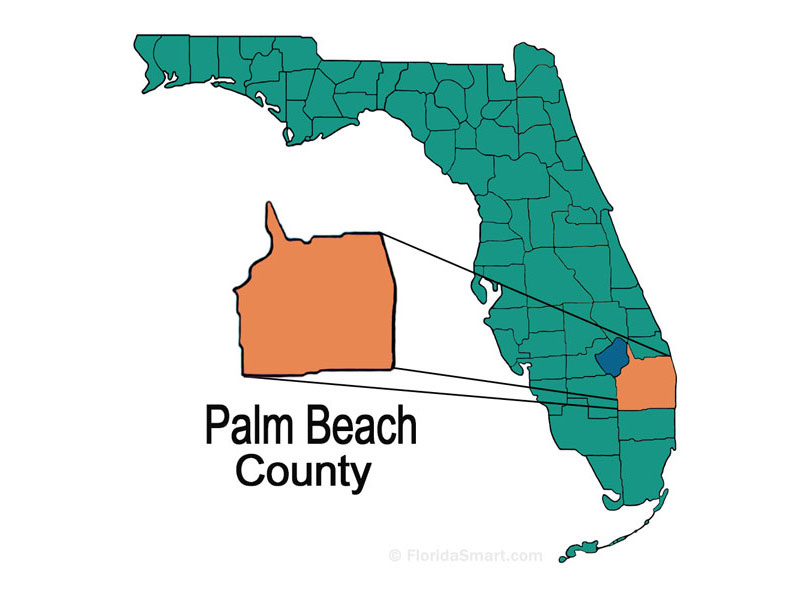
Understanding the Geography and Layout of the Island
The physical orientation of Palm Beach is defined by its slender shape. At some points, the island is only a few hundred yards wide, allowing travelers to walk from the serene shores of the Lake Worth Lagoon to the crashing waves of the Atlantic Ocean in a matter of minutes. This unique layout provides a dual-waterfront experience that is rare even in a coastal state like Florida.
The Northern and Southern Boundaries
The island is bounded to the north by the Lake Worth Inlet, which provides access for maritime traffic between the ocean and the lagoon. Across this inlet lies Singer Island. To the south, the town continues until it meets the community of South Palm Beach. The center of the island is the most developed area, where the historic architecture and major commercial corridors are located.
Connectivity to the Mainland
While it is a barrier island, Palm Beach is easily accessible via several bridges that span the Intracoastal Waterway. The Flagler Memorial Bridge (the North Bridge), the Royal Park Bridge (the Middle Bridge), and the Southern Boulevard Bridge (the South Bridge) all connect the island to West Palm Beach. These connections make it seamless for visitors to move between the quiet, upscale atmosphere of the island and the vibrant urban offerings of the mainland.
Key Destinations and Attractions within Palm Beach
Locating Palm Beach is only the first step; understanding where to go once you arrive is essential for any traveler. The town is meticulously planned, with distinct districts that offer different types of experiences, from high-end retail to historical exploration.
Worth Avenue: The Heart of Style
Perhaps the most famous street in the town, Worth Avenue stretches from the Lake Worth Lagoon to the Atlantic Ocean. Often compared to Rodeo Drive in California or Fifth Avenue in New York City, this Mediterranean-style shopping district is home to world-class boutiques, art galleries, and hidden courtyards known as “vias.” At the eastern end of the avenue stands the iconic Palm Beach Clock Tower, a landmark that serves as the gateway to the public beach.
The Henry Morrison Flagler Museum
Situated on the western edge of the island overlooking the lagoon, the Henry Morrison Flagler Museum is housed in Whitehall, a 75-room Gilded Age mansion. This site is crucial for understanding the history of Florida tourism. Henry Flagler, the founder of the Florida East Coast Railway, essentially put Palm Beach on the map when he built his railway and grand hotels here in the late 19th century. Today, the museum offers a look into the opulent lifestyle of that era and the development of the state as a premier travel destination.
Historic Resorts and Natural Escapes
Dominating the coastline is The Breakers, a legendary Renaissance-style hotel that has been a destination for royalty and celebrities for over a century. For those seeking a more natural experience, Phipps Ocean Park offers a pristine stretch of beach and a look at native Florida plants. Additionally, the Palm Beach Lake Trail provides a paved path for cyclists and walkers along the western edge of the island, offering stunning views of the West Palm Beach skyline and the private docks of the island’s many estates.
How to Reach Palm Beach: Transport and Accessibility
Because of its central location on the South Florida coast, reaching Palm Beach is straightforward whether you are traveling internationally or from within the United States.

Air Travel
The most convenient gateway is Palm Beach International Airport (PBI), located just a few miles west of the island in West Palm Beach. It is known for being less crowded and more accessible than Miami International Airport or Fort Lauderdale-Hollywood International Airport. From the airport, a short 10-to-15-minute drive across the Royal Park Bridge lands you in the heart of the town.
Rail Connections
For travelers moving through the Florida peninsula, the Brightline high-speed rail service is a game-changer. It connects Orlando, Boca Raton, Fort Lauderdale, and Miami directly to downtown West Palm Beach. Once at the station, visitors can take a quick shuttle or rideshare across the water to the island. The Tri-Rail commuter system also serves the area, providing a more budget-friendly option for regional travel.
Driving and Maritime Access
Palm Beach is located just east of Interstate 95 and the Florida’s Turnpike, the two main north-south arteries of the state. For those arriving by water, the Port of Palm Beach in Riviera Beach serves as a major hub, and numerous marinas along the Intracoastal Waterway cater to private yachts and boats traveling the Great Loop or returning from the Bahamas.
Exploring the Greater Palm Beach Area
While the island itself is the primary draw, its location within Palm Beach County means that travelers have easy access to a variety of nearby destinations that complement the island experience.
West Palm Beach
Located directly across the lagoon, West Palm Beach offers a more urban and eclectic vibe. Clematis Street is the historic heart of the city’s downtown, featuring vibrant nightlife and dining. Cultural enthusiasts often visit the Norton Museum of Art, which is the largest art museum in Florida, or catch a performance at the Kravis Center for the Performing Arts.
Northern Neighbors: Jupiter and Juno Beach
A short drive north leads to Jupiter, a town known for its more relaxed, outdoorsy atmosphere. The Jupiter Inlet Lighthouse is a must-visit landmark, offering panoramic views of the coastline. Nearby Juno Beach is famous for the Loggerhead Marinelife Center, a facility dedicated to the rehabilitation of sea turtles, which nest in high numbers along these shores.
Southern Gems: Delray Beach and Boca Raton
Heading south, travelers will find Delray Beach, a vibrant coastal city with a famous main street, Atlantic Avenue, filled with cafes and boutiques. Further south is Boca Raton, known for its Mediterranean Revival architecture and luxury shopping at Mizner Park.
Natural Wonders
For those looking to escape the developed areas, Peanut Island is a popular destination located in the Lake Worth Inlet. Accessible only by boat or water taxi, it offers excellent snorkeling and is home to a historical bunker built for John F. Kennedy. Further inland, the Grassy Waters Preserve provides a glimpse into the Everglades ecosystem with boardwalks and canoeing opportunities.
Essential Travel Experiences in Palm Beach
The location of Palm Beach makes it a versatile destination that caters to a variety of travel styles. Whether you are interested in history, outdoor recreation, or luxury, the town offers a concentrated selection of high-quality experiences.
Cultural Immersions
Beyond the museums, the Society of the Four Arts is a cultural hub on the island that features beautiful botanical gardens, a library, and an auditorium for concerts and lectures. The Bethesda-by-the-Sea church is another significant site, showcasing stunning Gothic Revival architecture and serene courtyards that are open to the public.
Culinary Journeys
The dining scene in Palm Beach is deeply influenced by its coastal location. Many restaurants offer “catch-of-the-day” menus featuring local seafood like mahi-mahi, snapper, and stone crab. The Royal Poinciana Plaza has recently emerged as a culinary hotspot, featuring a mix of trendy eateries and classic establishments that capture the sophisticated yet relaxed essence of the island.

Outdoor and Recreational Activities
Thanks to the year-round warm climate, outdoor activities are a staple of any trip to Palm Beach. The town is a world-class destination for golf, with the Palm Beach Par-3 Golf Course offering some of the most beautiful oceanfront holes in the country. Tennis is equally popular, with many public and private courts available. Water sports, including paddleboarding in the Lake Worth Lagoon and deep-sea fishing in the Atlantic Ocean, are easily arranged through local outfitters.
In summary, Palm Beach is situated in a prime coastal location that offers a blend of historical depth, natural beauty, and modern luxury. Its position as a barrier island provides a unique sense of seclusion, while its proximity to the mainland ensures that it remains a central and accessible part of the Florida travel experience. Whether you are navigating the palm-lined streets of Worth Avenue or exploring the historic halls of Whitehall, the town’s location is the foundation of its enduring appeal as a premier destination.
LifeOutOfTheBox is a participant in the Amazon Services LLC Associates Program, an affiliate advertising program designed to provide a means for sites to earn advertising fees by advertising and linking to Amazon.com. Amazon, the Amazon logo, AmazonSupply, and the AmazonSupply logo are trademarks of Amazon.com, Inc. or its affiliates. As an Amazon Associate we earn affiliate commissions from qualifying purchases.