
California, with its iconic scenic routes, bustling urban centers, and vast wilderness areas, offers an unparalleled driving experience for travelers. Whether you’re navigating the serpentine roads of Big Sur or exploring the intricate street grids of San Francisco and Los Angeles, understanding the local driving regulations is paramount for a smooth and legal journey. One common maneuver that often raises questions for visitors and residents alike is the three-point turn. Is it legal in California? The answer, while generally yes, comes with important caveats and specific conditions that every driver, especially those unfamiliar with the state’s roads, should understand. This comprehensive guide delves into the legality, safety, and practical application of three-point turns within the Golden State, ensuring your travels are both enjoyable and compliant with local laws.
Understanding California’s Driving Regulations for Reversing Direction
The California Vehicle Code does not explicitly mention “three-point turns” by name. Instead, it addresses the broader concept of turning movements, specifically focusing on U-turns and backing up. A three-point turn is essentially a multi-step maneuver designed to reverse a vehicle’s direction in a confined space, often when a conventional U-turn is impractical or impossible due to road width, traffic, or legal restrictions. The legality of such a maneuver in California hinges on it being executed safely, without obstructing traffic, and in areas where U-turns or reversing are not specifically prohibited.
The Role of Safety and Visibility
The fundamental principle governing any turn or direction change in California is safety. Drivers are expected to exercise due care and attention, ensuring their actions do not endanger themselves, other road users, or pedestrians. For a three-point turn, this means:
- Clear Visibility: The maneuver must only be initiated when there is ample visibility in both directions. Blind curves, crests of hills, or areas with dense foliage are strictly unsuitable.
- Adequate Space: While a three-point turn is used in tight spaces, there must still be enough room to complete the turn without striking other vehicles, fixed objects, or encroaching on private property.
- Minimal Traffic Interference: The turn should not impede the flow of traffic. If other vehicles must slow down significantly, stop, or swerve to avoid you, the turn is likely being performed unsafely or at an inappropriate time.
- Signaling Intent: Proper use of turn signals is crucial at every stage of the maneuver to communicate your intentions to other drivers.
Failure to adhere to these safety principles can result in citations for unsafe turning, impeding traffic, or even reckless driving, regardless of whether a three-point turn itself is technically legal in that specific location.
Avoiding Unlawful U-Turns
A three-point turn is often employed where a U-turn is either physically impossible or legally prohibited. California’s laws on U-turns are quite specific and often posted with signage. Travelers should be particularly aware of areas where U-turns are expressly forbidden, as performing a three-point turn in such a location would also be illegal. Generally, U-turns are prohibited:
- In Business Districts: Unless at an intersection or on a divided highway where an opening is provided, U-turns are often restricted in business districts, which are areas predominantly composed of commercial establishments.
- Across a Double Yellow Line: It is illegal to make a U-turn over a double yellow line if it is unsafe or impedes traffic. However, if safe and clear, U-turns across double yellow lines are generally permitted in residential areas unless posted otherwise. This is a common point of confusion.
- Where a “No U-Turn” Sign is Posted: Always obey posted signs.
- When Unsafe: As with all maneuvers, if a U-turn cannot be made safely due to visibility, traffic, or other conditions, it is illegal.
- In Front of a Fire Station: No U-turns are allowed in front of a fire station driveway.
- Near Railroad Crossings: U-turns are often restricted near railroad crossings.
Given these restrictions, a three-point turn acts as an alternative, but it still must conform to the overarching principles of safety and non-obstruction of traffic. If a U-turn is illegal or unsafe, careful consideration must be given before attempting a three-point turn in the same vicinity, especially if the underlying reasons for the U-turn prohibition (e.g., poor visibility, heavy traffic) also apply to the three-point turn.
When and Where to Utilize a Three-Point Turn Safely
Travelers driving through California will find themselves in a variety of situations where a three-point turn might seem necessary. Knowing when and where to execute it is key.
Navigating Tight Spots in Urban Environments
In cities like San Francisco or parts of Los Angeles where streets can be narrow, one-way, or have limited turning radii, a three-point turn might be the only option to reverse direction on a dead-end street or after missing a turn.
- Residential Areas: These are often the most permissible environments for three-point turns, provided there is minimal traffic and good visibility. Always be mindful of parked cars, driveways, and pedestrians.
- Quiet Side Streets: On less-trafficked side streets, away from main thoroughfares, a three-point turn can often be executed safely and legally.
- Avoid Main Roads: Never attempt a three-point turn on a busy main street or highway, even if traffic appears light. The risk of collision and impeding traffic is too high.
Rural Roads and Scenic Byways
California’s rural landscapes and famous scenic routes, such as parts of the Pacific Coast Highway or roads leading into Yosemite National Park, present their own challenges. You might find yourself on a winding road with limited turnarounds, or you might want to reverse direction to revisit a stunning viewpoint.
- Wide Shoulders or Pull-Outs: Look for designated pull-out areas or wide shoulders where you can safely move off the main roadway to perform the turn. This minimizes your presence in the travel lane and increases safety.
- Clear Sightlines: On winding rural roads, visibility can be severely limited. Always ensure you have a clear view of approaching traffic from both directions for a considerable distance before starting the maneuver.
- Avoid Blind Spots: Never initiate a three-point turn on a blind curve or just over the crest of a hill.
- Respect Private Property: Do not use private driveways or property to execute your turn unless you have explicit permission.
Essential Tips for Travelers: Mastering the Three-Point Turn in California
For those unfamiliar with driving in California or who rarely perform a three-point turn, a few practical tips can make a significant difference.
Preparation and Awareness
Before you even begin the turn, a critical assessment of your surroundings is necessary.
- Scan Thoroughly: Check your rear-view mirror, side mirrors, and blind spots. Look far down the road in both directions for approaching vehicles, cyclists, or pedestrians.
- Identify Your Space: Determine if the road width is sufficient for your vehicle to complete the turn in three movements (or more, if needed, though typically three is the goal).
- Anticipate Traffic Flow: If possible, choose a moment when traffic is minimal. Patience is key; it’s better to wait for a safe gap than to rush into a dangerous situation.
Executing the Maneuver Step-by-Step
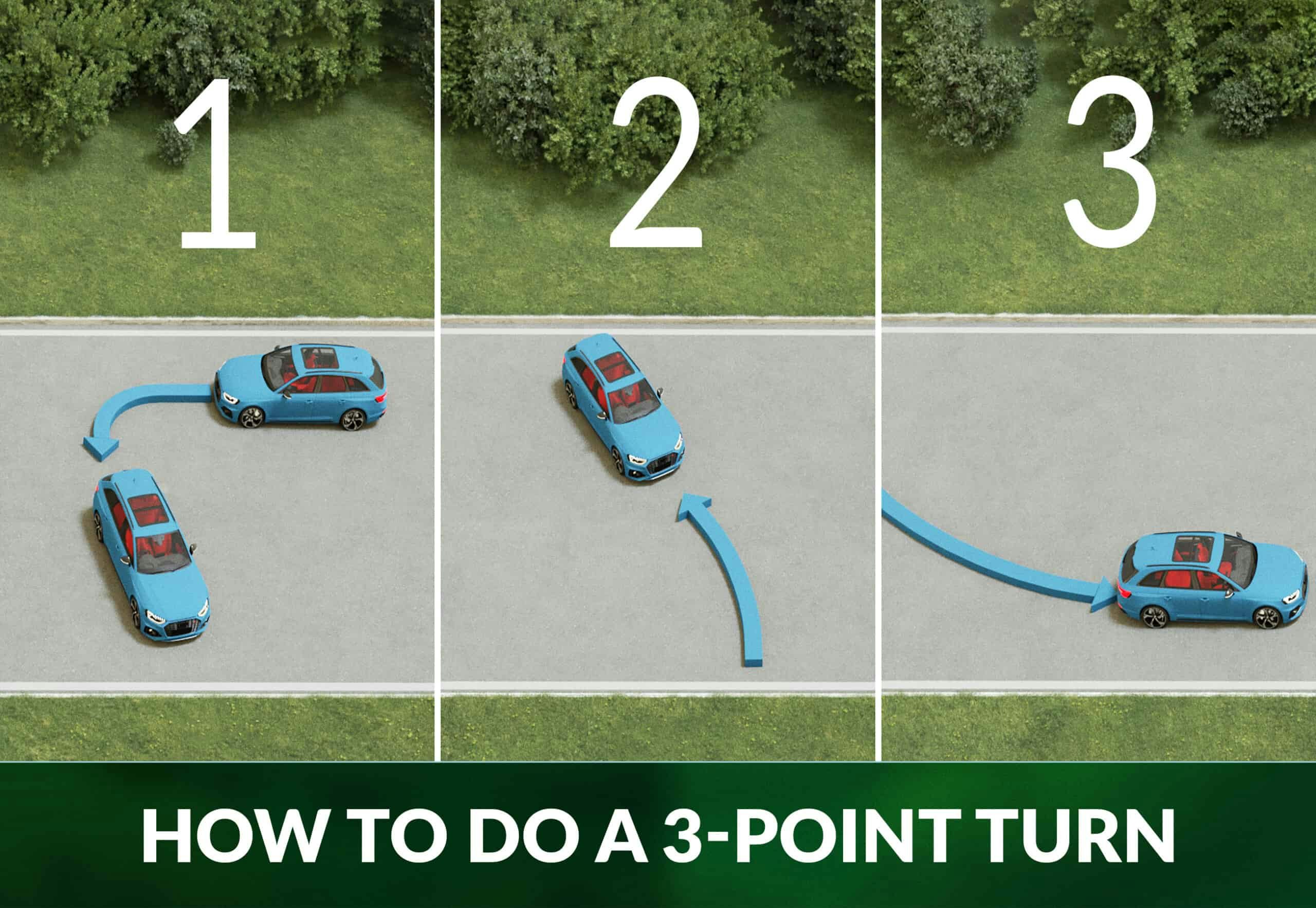
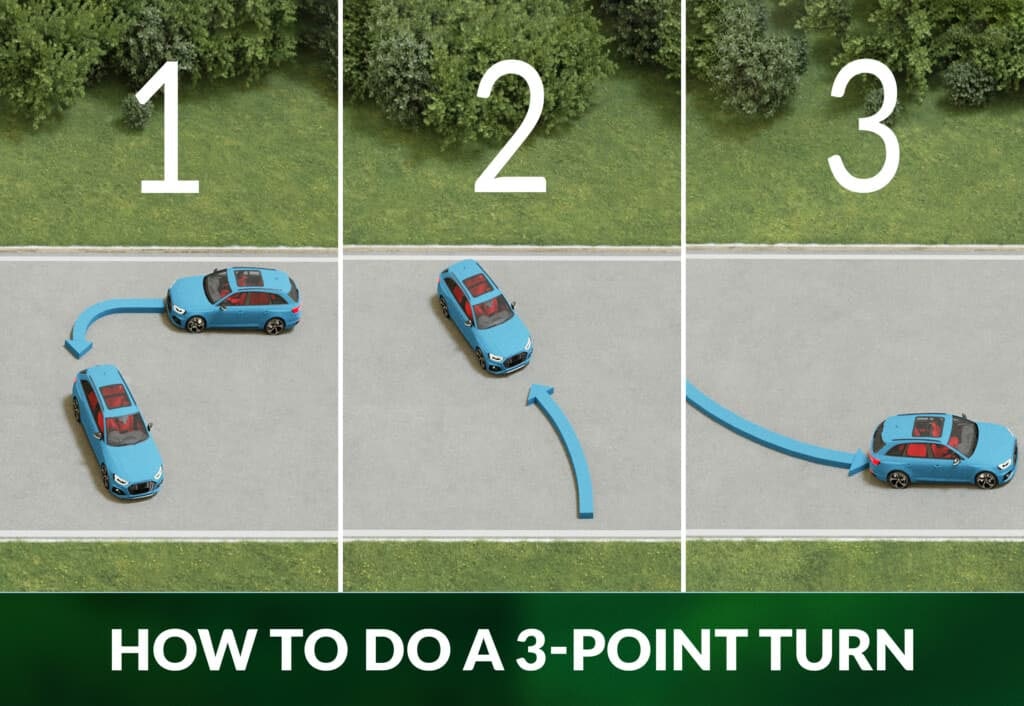
A typical three-point turn involves these steps:
- Pull to the Right: Signal right and pull over to the extreme right edge of the road, as close to the curb or shoulder as possible, without obstructing traffic. Stop.
- Turn Left: Signal left, check for traffic, and then turn your steering wheel all the way to the left. Move forward slowly and steadily across the road until your front wheels are close to the opposite curb or edge. Stop just before touching the curb.
- Reverse Right: Shift into reverse. Turn your steering wheel all the way to the right. Check your mirrors and behind you for any obstacles or traffic. Back up slowly until your vehicle is straight or nearly straight in the opposite direction, again stopping before hitting the curb or obstructing traffic.
- Drive Forward: Shift into drive. Straighten your wheels and proceed in the new direction, accelerating smoothly.
Remember that patience and precision are more important than speed. If you need more than three points, that’s acceptable, as long as each movement is controlled and safe. The goal is to safely reverse direction, not to impress with speed.

Driving in California: Broader Considerations for Visitors
While understanding specific maneuvers like the three-point turn is crucial, it’s part of a larger picture of safe and legal driving in California. For travelers, a few additional points are worth noting:
- Review the California DMV Handbook: Before your trip, familiarize yourself with the basic rules and regulations outlined in the official California Department of Motor Vehicles handbook. Many rental car agencies offer resources or tips for out-of-state drivers.
- Speed Limits: Pay close attention to posted speed limits, which can vary significantly between urban, suburban, and rural areas. California is known for strict enforcement.
- Lane Discipline: Be aware of different lane uses, especially carpool lanes (HOV lanes), which have specific occupancy requirements.
- Distracted Driving: California has strict laws against using handheld mobile phones while driving. Use a hands-free device or pull over safely to the side of the road if you need to make a call or check navigation.
- Emergency Services: Know how to react to emergency vehicles and understand the “Move Over” law when passing stopped emergency vehicles.
In conclusion, three-point turns are generally legal in California as a practical method to reverse direction in tight spaces, particularly when U-turns are not feasible or permitted. However, their legality is entirely contingent on their safe execution, ensuring clear visibility, minimal traffic obstruction, and adherence to general driving laws. For travelers exploring California’s diverse landscapes, mastering this maneuver and understanding the broader driving regulations will contribute significantly to a safe, stress-free, and memorable travel experience. Always prioritize safety, exercise caution, and be aware of your surroundings to navigate the Golden State’s roads with confidence.
LifeOutOfTheBox is a participant in the Amazon Services LLC Associates Program, an affiliate advertising program designed to provide a means for sites to earn advertising fees by advertising and linking to Amazon.com. Amazon, the Amazon logo, AmazonSupply, and the AmazonSupply logo are trademarks of Amazon.com, Inc. or its affiliates. As an Amazon Associate we earn affiliate commissions from qualifying purchases.