
Chinchillas, with their plush fur, inquisitive eyes, and playful demeanor, have long captivated animal lovers as unique and endearing companion animals. For many individuals and families considering pet ownership in California, the question of legality surrounding these exotic rodents is a critical one, deeply impacting their lifestyle choices and the ability to bring such a creature into their home. Understanding the specific regulations governing exotic pets in the Golden State is essential for responsible pet ownership and for maintaining harmony with local and state wildlife protection efforts.
The Appeal of Chinchillas as Companion Animals
The decision to welcome a chinchilla into one’s life is often driven by their distinctive charm and relatively manageable size compared to other exotic pets. Unlike more common household animals, chinchillas offer a unique pet ownership experience, characterized by their nocturnal habits, fascinating social structures, and surprisingly long lifespans, often reaching 10-15 years or more with proper care. This longevity signifies a significant commitment, a core aspect of pet ownership lifestyle, requiring dedicated attention to their specific needs throughout their lives.
Unique Needs and Temperament
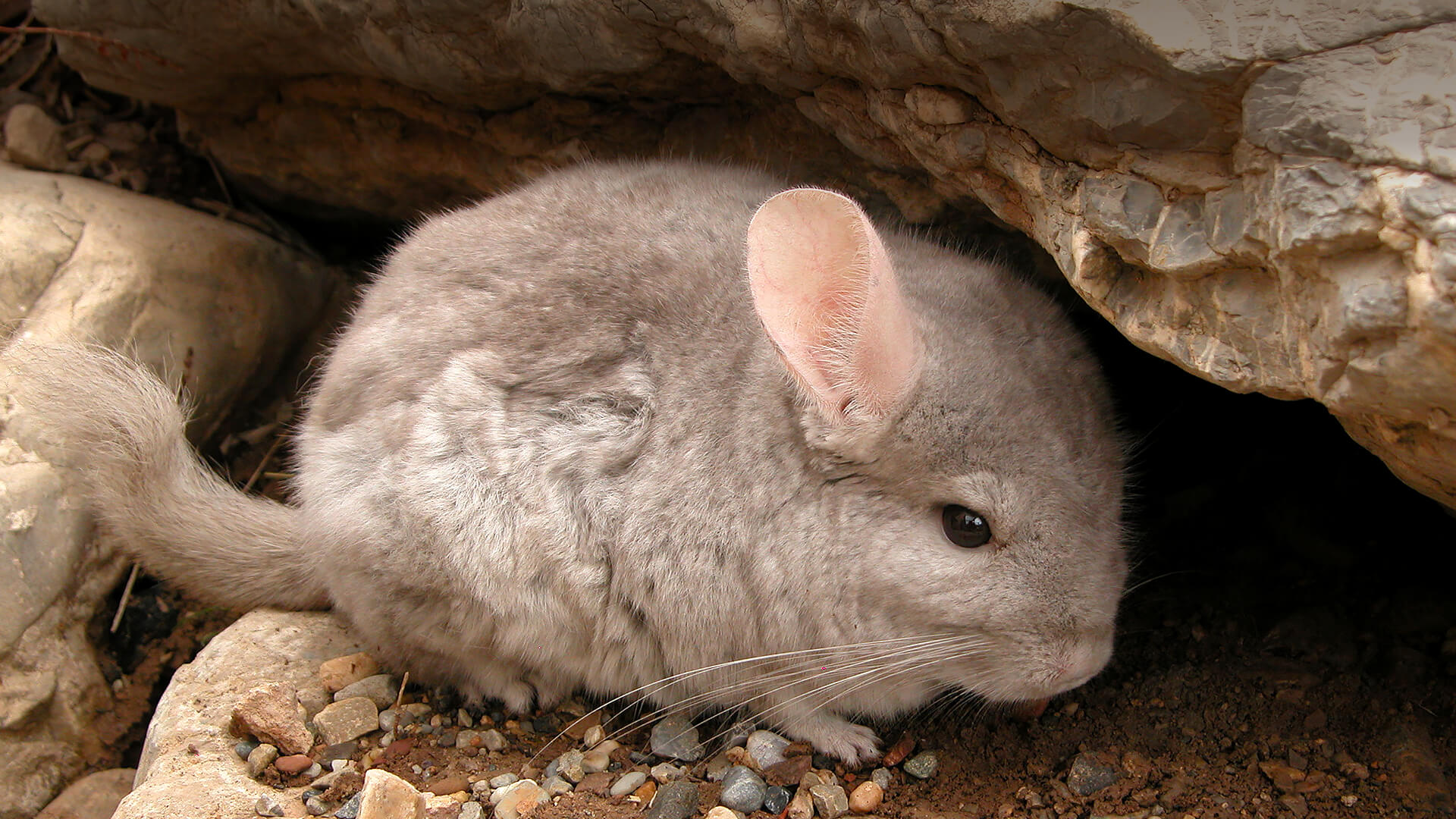
Chinchillas are not merely pets; they are small, complex creatures with particular environmental and dietary requirements that reflect their natural habitat in the Andes Mountains of South America. Their fur, the densest of any land mammal, requires dust baths to maintain cleanliness and health, a unique aspect of their care that sets them apart from most domestic pets. Social by nature, they often thrive in pairs or groups, presenting a lifestyle choice that involves more than one animal and careful consideration of their social dynamics. Owners must also provide a spacious, multi-level cage that allows for climbing and exploration, along with a specialized diet rich in hay and formulated pellets, distinct from the dietary needs of rabbits or guinea pigs. Their sensitive digestive systems and susceptibility to heatstroke further underscore the specialized knowledge and commitment required from their human companions, shaping the lifestyle of their owners significantly.
Navigating California’s Wildlife Regulations
California is renowned for its stringent wildlife protection laws, often setting the standard for environmental conservation and responsible animal welfare within the United States. These regulations are designed to protect native species from potential threats posed by non-native animals, prevent the establishment of invasive populations, and ensure the humane treatment of all creatures. For residents, understanding these laws is not just about compliance, but about making informed lifestyle decisions regarding pet ownership. The California Department of Fish and Wildlife (CDFW) is the primary agency responsible for enforcing these complex regulations.
Specific Legal Status of Chinchillas
Fortunately for aspiring chinchilla owners in California, these charming rodents are not illegal to own. Chinchillas are classified under the California Code of Regulations, Title 14, Section 671, which lists animals that are “restricted” or “prohibited” from import, transport, or possession in the state. While many exotic animals, including certain species of parrots, ferrets, and various reptiles, face strict prohibitions or require special permits, chinchillas are explicitly exempt from these restrictions. This exemption acknowledges their long history as domesticated animals, their low risk of establishing wild populations, and their minimal threat to California’s native ecosystems. This legal clarity offers peace of mind to individuals seeking to incorporate a chinchilla into their California lifestyle.
Importation and Breeding Considerations
While owning a chinchilla is legal, there are still important considerations regarding their origin and breeding within California. Generally, chinchillas sold by reputable breeders or adopted from rescue organizations within the state are legitimate. However, strict regulations apply to the importation of any live animal into California from other states or countries. These often require health certificates, veterinary inspections, and sometimes import permits to prevent the spread of diseases. For individuals considering breeding chinchillas, while it is not explicitly restricted in the same way as prohibited species, it falls under the purview of general animal welfare laws. Commercial breeders must adhere to local and state business regulations, and all breeders are expected to maintain high standards of animal care to ensure the health and well-being of their animals. These regulations underscore the importance of responsible practices for anyone integrating animal breeding into their lifestyle or business operations.

Responsible Pet Ownership in a Regulated State
The legality of owning chinchillas in California does not diminish the significant responsibility that comes with pet ownership, especially for an exotic species. Responsible ownership is a lifestyle commitment that extends beyond mere compliance with the law; it encompasses ethical sourcing, diligent care, and long-term planning for the animal’s welfare.
Sourcing and Documentation
When acquiring a chinchilla, it is paramount to do so through ethical and reputable channels. This means purchasing from a licensed breeder who prioritizes the health and genetic diversity of their animals, or adopting from a dedicated chinchilla rescue organization. Avoid pet stores that cannot provide clear information about the chinchilla’s origin or health history, or individuals selling animals without proper care knowledge. A reputable source will often provide documentation of the chinchilla’s health, age, and lineage, which is crucial for ensuring you are bringing a healthy animal into your home. Furthermore, ensure that the chinchilla you acquire is indeed a domestic chinchilla (genus Chinchilla) and not a wild-caught animal, which would likely fall under stricter protections and potentially illegal acquisition. This due diligence is a cornerstone of responsible pet ownership lifestyle.
Providing an Appropriate Habitat
A chinchilla’s well-being is directly linked to its environment. As part of a responsible ownership lifestyle, owners must invest in a large, multi-level wire cage that offers ample space for jumping and exploring. The cage must be secured to prevent escapes and protect the chinchilla from household hazards. Proper bedding, such as kiln-dried pine shavings or fleece liners, is essential, along with safe chew toys to keep their continuously growing teeth in check. Crucially, chinchillas are susceptible to overheating; their environment must be kept cool, ideally between 60-75°F (15-24°C), and away from direct sunlight. Access to a high-quality chinchilla-specific pellet diet, unlimited timothy hay, and fresh water is non-negotiable. Regular dust baths with special chinchilla dust are also vital for maintaining their unique fur. Providing these elements is a daily commitment that shapes the owner’s lifestyle.
Impact on California Residents and Prospective Owners
For residents of California, knowing that chinchillas are legal to own can open up a unique avenue for pet companionship. However, this knowledge should be coupled with a deep understanding of the long-term implications for one’s lifestyle. Pet ownership, especially of exotic animals, significantly impacts daily routines, financial planning, and even travel considerations.
Before You Adopt: Due Diligence
Before making the commitment to a chinchilla, prospective owners in California should conduct thorough research. This includes understanding their specific care requirements, potential veterinary costs (which can be higher for exotic vets), and the time commitment involved. Consider your living situation: Do you have a quiet space for a nocturnal animal? Can you maintain the necessary temperature controls, especially during California’s warmer months? Are there any local city or county ordinances that might impose additional restrictions beyond state law? While state law permits chinchillas, some local jurisdictions might have specific zoning or animal control regulations. Engaging with experienced chinchilla owners or local rescue groups can provide invaluable insights into the realities of chinchilla ownership, helping you align your lifestyle expectations with the demands of caring for these animals.

Resources for Chinchilla Owners
For current and future chinchilla owners in California, a wealth of resources exists to support responsible pet ownership. Veterinary clinics specializing in exotic animals are crucial for health monitoring and emergency care. Online forums and local chinchilla enthusiast groups offer communities where owners can share advice, troubleshoot issues, and find support. Animal rescue organizations often provide educational materials and sometimes even temporary foster care options. The California Department of Fish and Wildlife website also serves as a primary reference for any updates or clarifications on exotic pet regulations. By actively utilizing these resources, owners can ensure their chinchillas thrive within their California homes, enriching their own lives while upholding the highest standards of animal welfare.
In conclusion, while the question “Are Chinchillas Illegal in California?” can be definitively answered with a “no,” the journey of chinchilla ownership is far more nuanced. It is a rewarding lifestyle choice that demands informed decision-making, unwavering commitment, and a proactive approach to understanding and adhering to both state regulations and best practices in animal care. For those ready to embrace this unique companion, California offers a welcoming, albeit regulated, environment for these charming creatures.
LifeOutOfTheBox is a participant in the Amazon Services LLC Associates Program, an affiliate advertising program designed to provide a means for sites to earn advertising fees by advertising and linking to Amazon.com. Amazon, the Amazon logo, AmazonSupply, and the AmazonSupply logo are trademarks of Amazon.com, Inc. or its affiliates. As an Amazon Associate we earn affiliate commissions from qualifying purchases.