
Navigating California’s Complex Firearm Landscape: A Lifestyle Choice
For many residents of the Golden State, firearm ownership is more than just a right; it’s a deeply ingrained lifestyle choice that encompasses sport, recreation, personal defense, and historical appreciation. However, living this lifestyle in California means navigating an exceptionally intricate and constantly evolving web of state and federal regulations. California is renowned for having some of the most stringent gun laws in the United States, which significantly impacts how firearm enthusiasts can acquire, possess, and even modify their weapons. Understanding these nuances is not merely a legal obligation but a fundamental aspect of maintaining one’s chosen way of life within the state’s boundaries.
The question of whether “compensators” are legal is a perfect microcosm of this complexity. It’s not a simple yes or no answer, but rather one dependent on specific definitions, firearm configurations, and the intent behind the accessory. For individuals who participate in competitive shooting, enjoy target practice, or simply value the enhanced control a compensator can offer, delving into the specifics of California law is an essential part of responsible firearm ownership and a testament to their commitment to their chosen hobby and lifestyle. Ignoring these details can lead to severe legal repercussions, highlighting the constant vigilance required of firearm owners in California. This article aims to demystify the legality of compensators within the Golden State, framed within the broader context of a firearm enthusiast’s lifestyle.
Understanding Compensators: Function and Regulatory Focus
At its core, a compensator is a muzzle device designed to improve firearm control. For the competitive shooter or avid recreationalist, this means a better shooting experience and improved performance—integral aspects of their lifestyle.
What is a Compensator?
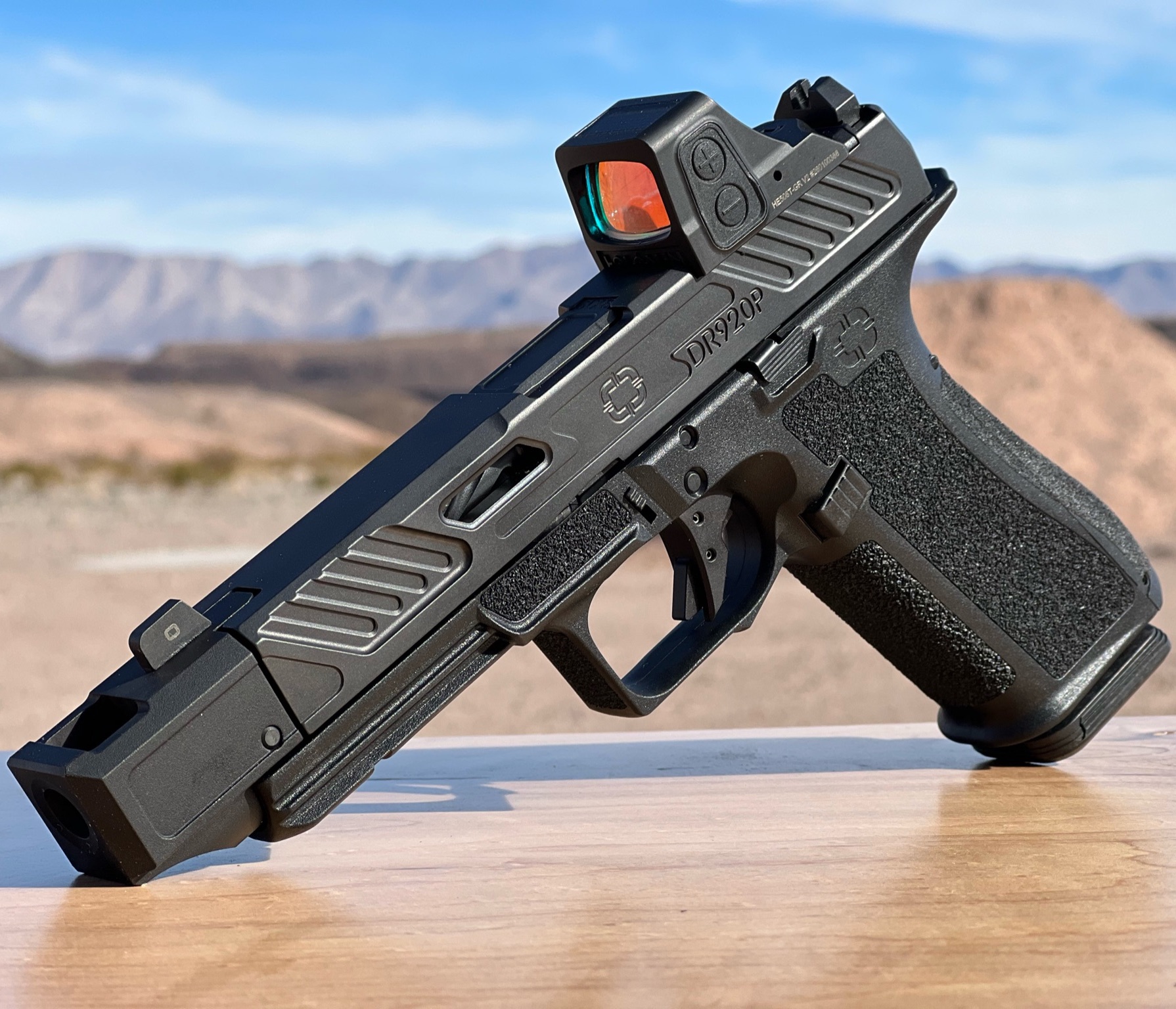
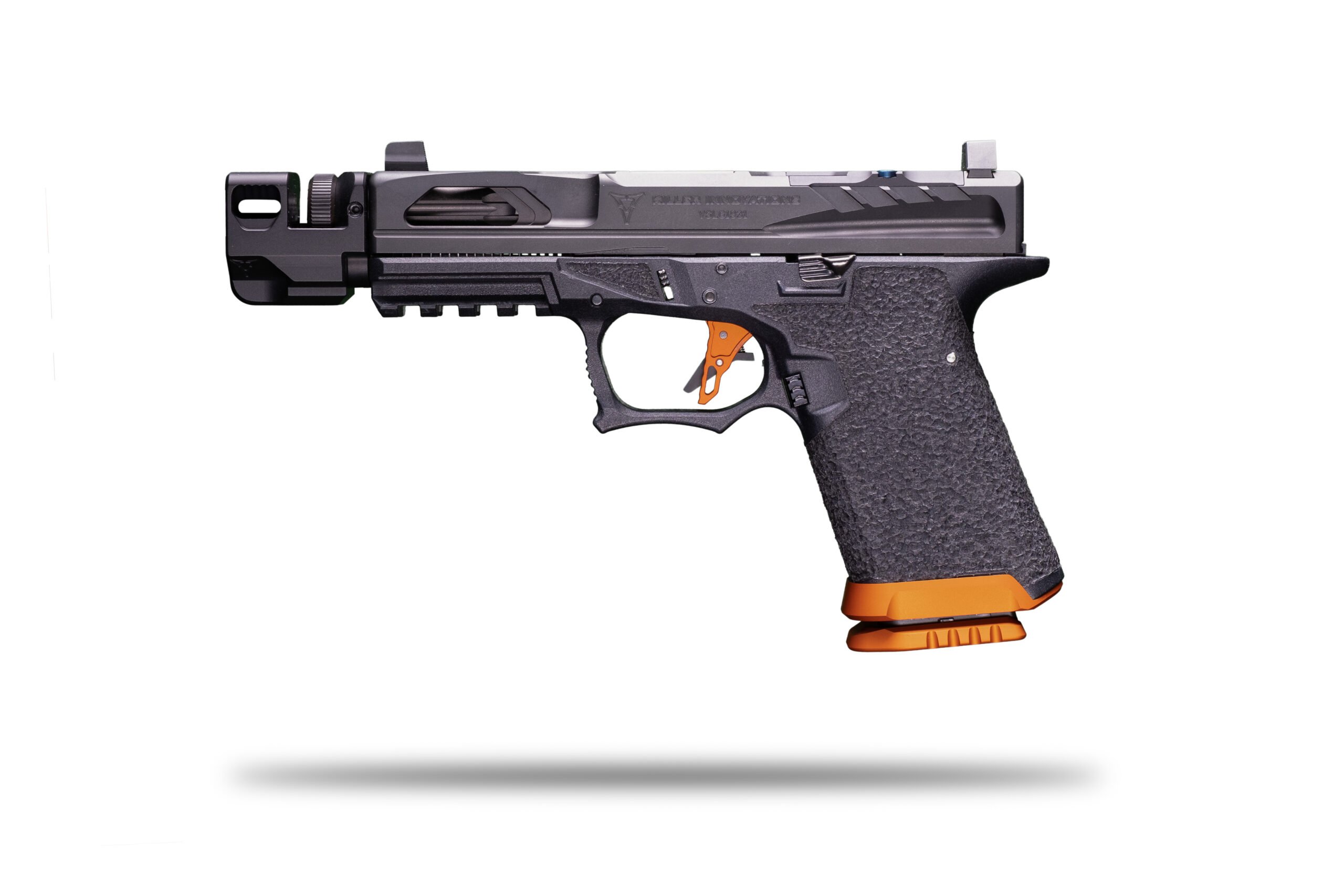
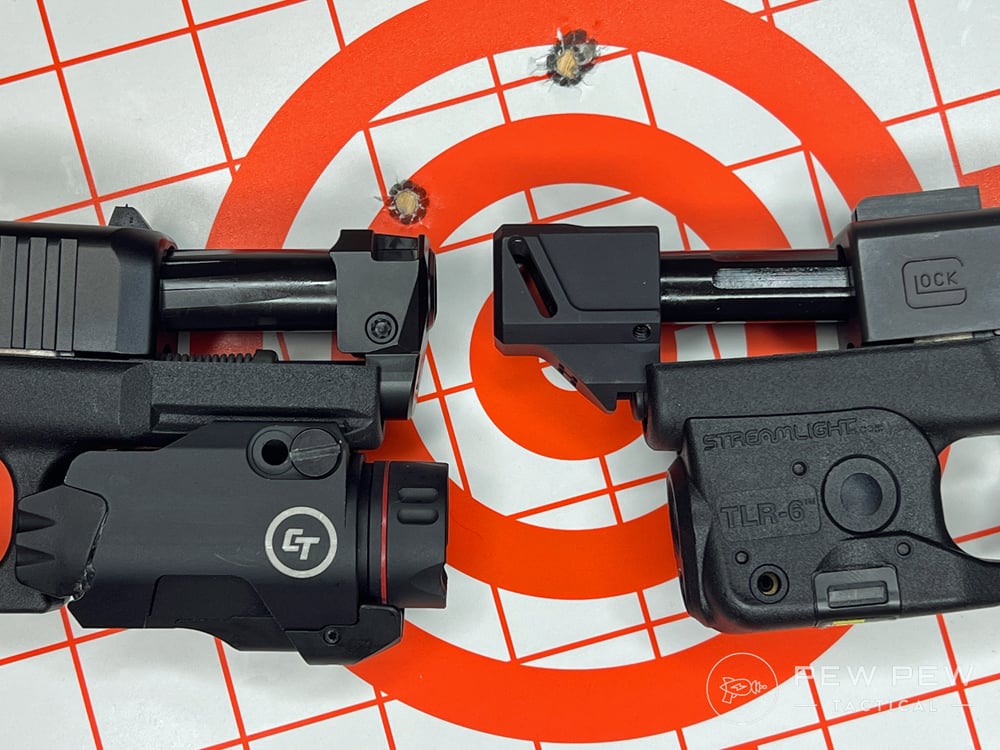
A compensator, often referred to interchangeably with a muzzle brake, is an attachment affixed to the muzzle end of a firearm barrel. Its primary function is to redirect propellant gases upwards and/or sideways to counteract muzzle rise and reduce felt recoil. By mitigating these forces, a shooter can maintain better control over their weapon, allowing for quicker follow-up shots and enhanced accuracy, particularly in rapid-fire scenarios. This is a significant advantage in sports like 3-Gun competitions, where precision and speed are paramount, directly influencing the performance and enjoyment of the participant’s lifestyle. The design typically involves ports or baffles that vent gas strategically, differentiating them from simple barrel extensions or thread protectors.
Why California Regulates Firearm Accessories
California’s legislative approach to firearms is largely driven by a public safety agenda focused on reducing gun violence. This has led to comprehensive regulations not only on the firearms themselves but also on their various components and accessories. The state employs an “assault weapon” definition that is feature-based, meaning certain characteristics or combinations of features can classify an otherwise standard semi-automatic firearm as an illegal “assault weapon.”
This is where accessories like compensators enter the regulatory spotlight. Lawmakers often view certain muzzle devices, along with other features like pistol grips, telescoping stocks, and forward vertical grips, as enhancing the combat effectiveness or “militaristic” appearance of a firearm. While the functional benefits of a compensator for a sport shooter are clear, from a regulatory perspective, such devices are scrutinized for their potential to make a weapon more controllable and, therefore, potentially more dangerous in the wrong hands. For the responsible firearm owner, this means that even seemingly innocuous modifications must be carefully considered against California’s specific statutes, fundamentally shaping the boundaries of their firearm lifestyle.
The Legality of Compensators in California: Diving into the Statutes
The question of compensator legality in California is almost entirely tied to the state’s “assault weapon” laws, particularly regarding semi-automatic rifles. The crux of the issue lies in whether the compensator is considered a “flash suppressor,” which is a prohibited feature on certain firearms.
Fixed Magazine vs. Featureless Builds: Key to Compliance
For semi-automatic centerfire rifles with detachable magazines, California law prohibits certain “evil features” that would classify the rifle as an “assault weapon.” To legally own such a rifle, owners must either configure it with a “fixed magazine” (requiring disassembly of the action to remove the magazine) or make it “featureless.”
A “featureless” build is a configuration where the rifle lacks all of the prohibited features. This often means replacing the pistol grip with a “fin grip,” removing the telescoping stock, and critically, replacing a flash suppressor with a legal muzzle device. Here, a compensator (or muzzle brake) that does not act as a flash suppressor becomes a crucial component for owners seeking to maintain a rifle for sporting or recreational purposes. It allows them to continue their shooting lifestyle while remaining compliant with state law. Without this option, many rifles would be deemed illegal, effectively curtailing an entire aspect of their personal freedom and hobby.
In contrast, rifles with a fixed magazine (often accomplished with a “maglock” device) are generally allowed to have these features, including flash suppressors and pistol grips, as long as the magazine capacity is ten rounds or less. This provides an alternative pathway for firearm owners, but each configuration has its own trade-offs impacting the shooting experience and, thus, the owner’s lifestyle.
Flash Suppressors vs. Muzzle Brakes/Compensators
The distinction between a flash suppressor and a compensator/muzzle brake is paramount in California law. A flash suppressor is specifically designed to reduce the visible flash signature emanating from the muzzle when a round is fired. These are among the “evil features” prohibited on featureless rifles.
A compensator or muzzle brake, on the other hand, is primarily designed to mitigate recoil and muzzle rise, as discussed. While some devices may offer a degree of flash suppression as a secondary effect, their primary design and marketing intent are critical under California statutes. The California Department of Justice (DOJ) does not provide an exhaustive list of approved or disapproved devices, leaving manufacturers and owners to interpret the law carefully. Generally, if a device is marketed or designed primarily to reduce flash, it is likely considered a flash suppressor. If it is marketed and designed primarily for recoil reduction, it is more likely to be considered a compensator or muzzle brake and therefore permissible on a featureless rifle.
This ambiguity places a significant burden on firearm owners to conduct thorough research and exercise due diligence. Choosing the wrong muzzle device, even inadvertently, could turn a legal firearm into an illegal “assault weapon,” threatening an individual’s liberty and their ability to participate in their chosen lifestyle.
Impact on Different Firearm Types
While the most common discussion revolves around semi-automatic centerfire rifles, compensators can also be found on pistols. For handguns, California’s regulations on muzzle devices are generally less restrictive than for rifles, provided the firearm itself is legally owned and configured. The primary concerns for pistols often relate to threaded barrels, which are restricted on many handguns unless they are part of a fixed-magazine “assault weapon” configuration or fall under specific exemptions (e.g., rimfire handguns). If a compensator is permanently affixed to a barrel that would otherwise be considered a “threaded barrel,” or if it extends the barrel length beyond certain limits, it could trigger other regulatory issues. Therefore, while compensators on pistols might seem less fraught, owners must still be aware of all applicable laws, ensuring their personal defense or competition lifestyle remains within legal bounds.
Lifestyle Implications: Owning and Enjoying Firearms in California
The intricate legal landscape surrounding firearm accessories like compensators profoundly shapes the lifestyle of gun owners in California. It’s a testament to their dedication that they navigate these complexities to pursue their passion.
The Sport Shooter and Enthusiast Lifestyle
For the dedicated sport shooter, competitor, or enthusiast, a compensator can be a vital piece of equipment. It offers a tangible advantage in competition by allowing faster, more accurate follow-up shots, directly impacting performance and enjoyment. The necessity of adhering to California’s “featureless” or fixed-magazine configurations means that selecting the right compensator—one that unequivocally avoids the definition of a flash suppressor—becomes a critical part of their gear planning. This adaptation fosters a unique subculture within the California firearm community, where knowledge of compliance strategies is highly valued. From selecting specific brands of muzzle brakes known for their legality to participating in online forums discussing the latest legal interpretations, the lifestyle of a California shooter is one of constant learning and careful adherence. Range visits often involve discussions about compliant builds, and the market for California-specific compliant parts thrives, all catering to this distinct lifestyle.
Personal Responsibility and Due Diligence
Given the nuanced and frequently updated nature of California’s firearm laws, personal responsibility and due diligence are paramount for every gun owner. Ignorance of the law is never an excuse, and misinterpreting a statute, even unintentionally, can lead to severe penalties, including felony charges and confiscation of firearms. This means that a key aspect of the firearm ownership lifestyle in California is continuous education. Owners must regularly consult official sources like the California Department of Justice (DOJ) website, reputable FFL (Federal Firearm Licensee) dealers who specialize in California compliance, and, when in doubt, qualified legal counsel specializing in firearm law. This proactive approach ensures that their hobby and lifestyle can continue without legal jeopardy.
Future of Firearm Ownership in the Golden State
The legal landscape concerning firearms in the Golden State is dynamic, with new legislation often proposed and enacted. This means that what is legal today might be restricted tomorrow, requiring ongoing adaptation from firearm owners. The ongoing debate between proponents of gun control and advocates for Second Amendment rights ensures that the legal environment will likely remain challenging for gun owners. For those whose lifestyle includes firearms, this means staying engaged with legislative developments, understanding proposed changes, and actively participating in the political process to advocate for their rights. The future of firearm ownership in California will continue to be shaped by these evolving legal frameworks, demanding a resilient and informed community of enthusiasts.
Practical Considerations for California Residents
For residents engaging in firearm activities in California, maintaining legal compliance is a continuous process that profoundly impacts their day-to-day lifestyle choices.
Firstly, always verify the classification of any muzzle device before purchase and installation. Many manufacturers will explicitly state whether their device is designed to be a compensator/muzzle brake or a flash suppressor, and some even label them as “California-compliant” (though this should always be verified independently). Secondly, when purchasing a firearm or accessory, utilize a reputable California FFL. These dealers are typically well-versed in the state’s intricate laws and can offer invaluable guidance, helping ensure your purchases align with your lifestyle without legal risk. Thirdly, consider joining a local firearm owner association or online community focused on California compliance. These groups often share up-to-date information, interpretations of new laws, and practical advice on maintaining legal firearm configurations. Finally, remember that even minor modifications can have significant legal implications. When in doubt, consult with a legal professional specializing in California firearm law. Adhering to these practical considerations is not just about avoiding legal trouble; it’s about responsibly sustaining a lifestyle that prioritizes safety, legality, and personal freedom within the unique regulatory environment of the Golden State.
LifeOutOfTheBox is a participant in the Amazon Services LLC Associates Program, an affiliate advertising program designed to provide a means for sites to earn advertising fees by advertising and linking to Amazon.com. Amazon, the Amazon logo, AmazonSupply, and the AmazonSupply logo are trademarks of Amazon.com, Inc. or its affiliates. As an Amazon Associate we earn affiliate commissions from qualifying purchases.