
The distinctive scent and towering presence of eucalyptus trees are so deeply ingrained in the California landscape that many visitors, and even long-time residents, often assume they are indigenous to the Golden State. Their prevalence, especially in coastal and urban areas, creates a powerful visual association, making them appear as much a part of the natural scenery as the state’s iconic redwoods or sequoias. However, the truth is that eucalyptus trees are not native to California. Their story is a fascinating testament to human ambition, environmental adaptation, and the complex interplay between introduced species and existing ecosystems, profoundly shaping the natural landmarks and scenic beauty that define much of California today.
An Iconic, Yet Imported, Part of California’s Landscape
The journey of the eucalyptus to California is a tale rooted in the 19th century, driven by hopeful prospectors and ambitious developers seeking to replicate the conditions of their homelands or capitalize on perceived economic opportunities. These trees, primarily the Blue Gum (Eucalyptus globulus), were introduced with great enthusiasm, destined to become a defining feature of the state’s natural and constructed environments.
The Australian Origins
Eucalyptus trees hail from Australia, a continent renowned for its unique flora and fauna. With over 700 species, eucalyptus dominates many Australian ecosystems, ranging from towering forest giants to shrubby mallee. They are remarkably diverse and well-adapted to a wide array of climates, particularly those characterized by warm, dry summers and mild, wet winters—conditions strikingly similar to California’s Mediterranean climate. This climatic affinity was a significant factor in their successful transplantation across the Pacific.
The California Gold Rush Connection
The first eucalyptus seeds arrived in California in the mid-1800s, coinciding with the frantic pace of the California Gold Rush and subsequent population boom. Developers and homesteaders were eager for fast-growing timber to supply construction needs, railroad ties, and even fuel. There was a prevailing, though ultimately mistaken, belief that eucalyptus could be a superior, rapidly renewable lumber source. Enthusiastic promoters, often with financial interests, exaggerated the trees’ lumber quality and touted them as a panacea for everything from swamp drainage to preventing malaria.
Large-scale plantings began in earnest in the 1870s and 1880s, particularly around growing urban centers like San Francisco, Oakland, and Los Angeles. Entrepreneurs like Ellwood Cooper, known as the “father of the eucalyptus industry in California,” planted vast groves. While the dreams of a eucalyptus lumber empire never fully materialized due to the wood’s tendency to split and warp, the trees thrived, quickly establishing themselves across the landscape, especially along roadsides, in parks, and bordering agricultural lands.
The Environmental Impact: A Dual Perspective
The widespread introduction of eucalyptus had a profound, multifaceted impact on California’s environment. While initially celebrated for their rapid growth and aesthetic appeal, their non-native status brought a host of ecological challenges that continue to be managed today.
Benefits and Historical Perceptions
In their early decades, eucalyptus trees were largely seen as beneficial. They provided much-needed shade, acted as windbreaks, and rapidly greened newly settled areas, giving an immediate sense of establishment and permanence. Their towering height and fragrant leaves became a comforting, familiar sight for many, especially those from Australia or other parts of the world with similar climates. The distinctive appearance of eucalyptus groves, often silhouetted against a California sunset, contributed significantly to the scenic value of emerging towns and ranches, inadvertently creating new natural landmarks that blended into the rolling hills and coastal plains. Their dense foliage also served as habitat for some bird species, including monarch butterflies in specific wintering groves along the coast, such as those found near Santa Barbara and Monterey.
Ecological Concerns and Management
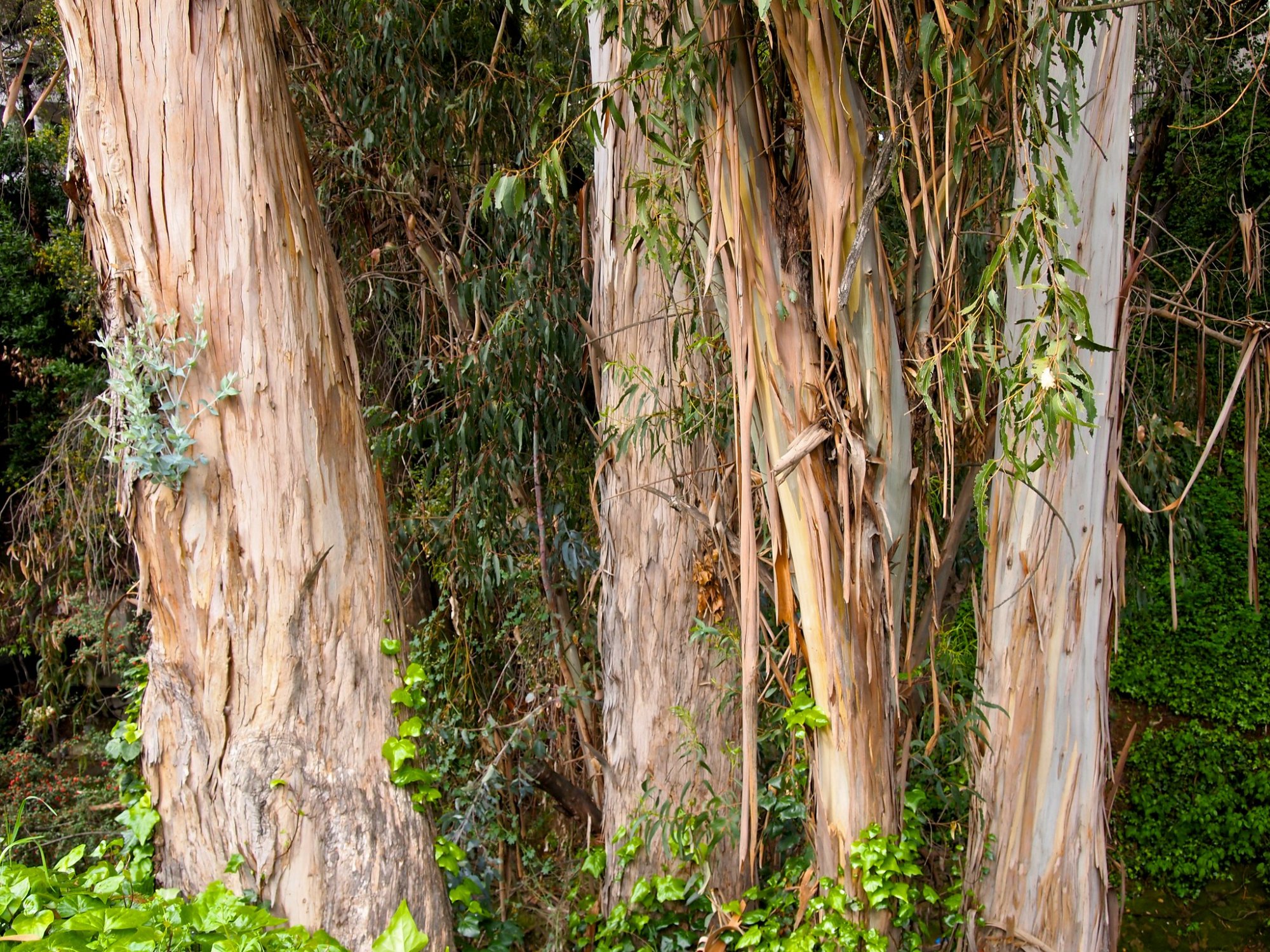
However, as the eucalyptus groves matured and spread, their less desirable characteristics became increasingly apparent. They are incredibly thirsty trees, drawing significant amounts of groundwater, which can deplete water resources vital for native vegetation. The dense leaf litter and bark they shed are slow to decompose and contain allelopathic chemicals that can inhibit the growth of native understory plants, altering soil chemistry and outcompeting indigenous flora.
Perhaps the most significant concern revolves around fire. Eucalyptus trees are highly flammable. Their oily leaves and shedding bark contain volatile oils that burn intensely and quickly. During California’s dry wildfire seasons, eucalyptus groves can act as fuel ladders, carrying flames rapidly into the tree canopy and contributing to catastrophic fires. The infamous 1991 Oakland Hills fire, for instance, highlighted the extreme fire danger posed by dense eucalyptus stands.
Consequently, managing eucalyptus has become a significant environmental challenge for land managers and conservationists. Efforts range from controlled removal in ecologically sensitive areas, particularly those adjacent to native habitats or residential communities, to strategic thinning and firebreak creation. However, their sheer numbers and established presence mean that eucalyptus will remain a prominent, albeit managed, feature of California’s natural landmarks for the foreseeable future.
Eucalyptus as a California Landmark Feature
Despite their non-native status and ecological complexities, eucalyptus trees have undeniably woven themselves into the fabric of California’s identity, becoming de facto natural landmarks in many areas. Their unique aesthetics and historical presence are integral to how many perceive the state’s diverse landscape.
Scenic Beauty and Recognizable Silhouettes
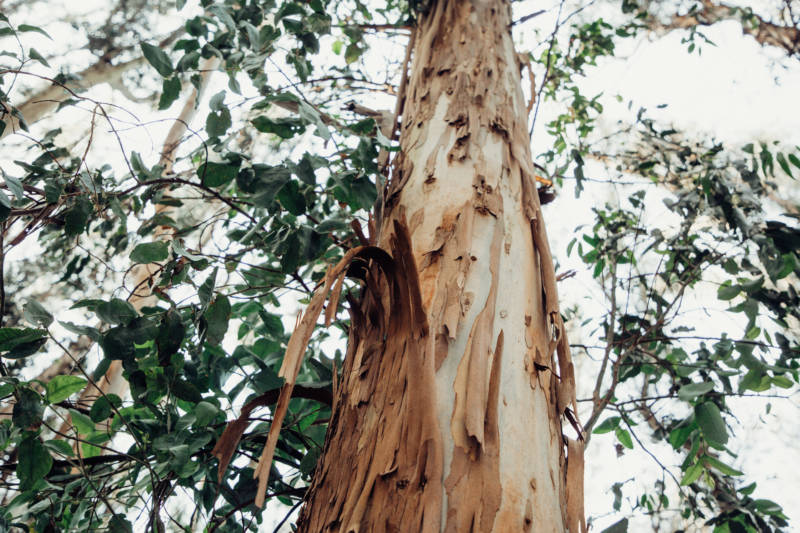
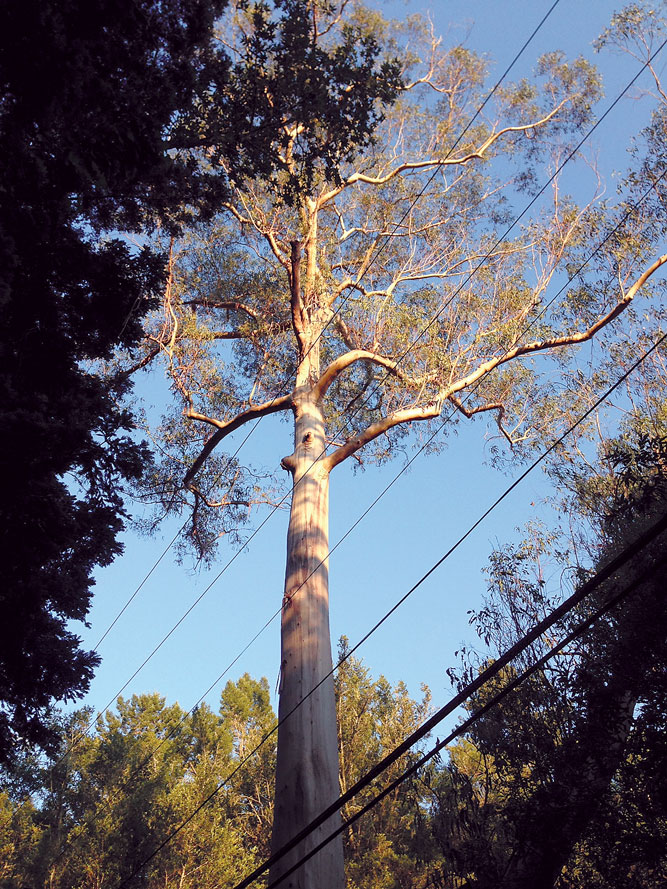
From the rolling hills of the Bay Area to the sunny valleys of Southern California, eucalyptus trees contribute a distinctive visual element. Their tall, slender trunks, often peeling bark revealing various hues of grey, green, and orange, and their shimmering, aromatic leaves create an iconic silhouette against the sky. They frame scenic drives, provide dramatic backdrops for California’s missions, and line many historic roads, influencing the visual experience of travelers and locals alike. The wind rustling through a eucalyptus grove produces a unique, whispering sound that has become synonymous with certain California locales.
Distinctive Groves and Notable Locations
While not “landmarks” in the architectural sense, specific eucalyptus groves have attained a landmark-like status due to their size, age, or scenic importance. The towering groves near Point Reyes National Seashore, the dense stands on Angel Island in San Francisco Bay, and the numerous treelined streets of Berkeley are all examples where these imported trees significantly define the character of the place. They provide natural focal points, enhance views, and contribute to the sense of place, much like a native forest would. These areas, whether formally designated or informally recognized, leverage the majestic presence of eucalyptus to create memorable natural experiences.
Experiencing California’s Diverse Flora
Understanding that eucalyptus trees are not native does not diminish their visual impact or historical significance in California. Instead, it adds another layer of appreciation for the state’s complex natural and human history. As you explore California’s varied landscapes, from its pristine beaches to its majestic mountains, take a moment to consider the stories behind the trees that populate its environment.
While admiring the stately eucalyptus groves, remember to also seek out California’s truly native flora. Discover the ancient coastal live oaks, the iconic redwoods of the north, the diverse chaparral, and the unique desert plants. Recognizing the difference between native and introduced species enhances one’s understanding of California’s ecological richness and the ongoing efforts to preserve its indigenous natural landmarks. The eucalyptus, though an import, stands as a prominent symbol of California’s dynamic history—a living testament to human influence on the landscape and the surprising ways in which a place can adopt and adapt elements from across the globe to shape its unique identity.
LifeOutOfTheBox is a participant in the Amazon Services LLC Associates Program, an affiliate advertising program designed to provide a means for sites to earn advertising fees by advertising and linking to Amazon.com. Amazon, the Amazon logo, AmazonSupply, and the AmazonSupply logo are trademarks of Amazon.com, Inc. or its affiliates. As an Amazon Associate we earn affiliate commissions from qualifying purchases.