
Venturing through the sun-drenched landscapes and vibrant cities of California offers an unparalleled travel experience, from the iconic beaches of Los Angeles to the majestic redwoods of the north. As visitors immerse themselves in the rich local culture, savor diverse culinary delights, and explore countless attractions, a common and practical question often arises, particularly for those looking to manage their travel budget effectively: are groceries taxed in California? Understanding the nuances of sales tax on food items is a crucial tip for any tourist planning to cook meals, pack picnics, or simply grab snacks for their adventures in the Golden State.
Understanding California’s Sales Tax for Visitors
For travelers, navigating the sales tax landscape can sometimes be confusing, as regulations often vary from state to state and even within different localities. In California, the general rule regarding sales tax on groceries is quite traveler-friendly, but with important distinctions that every visitor should be aware of.
The General Rule: Prepared Food vs. Unprepared Food
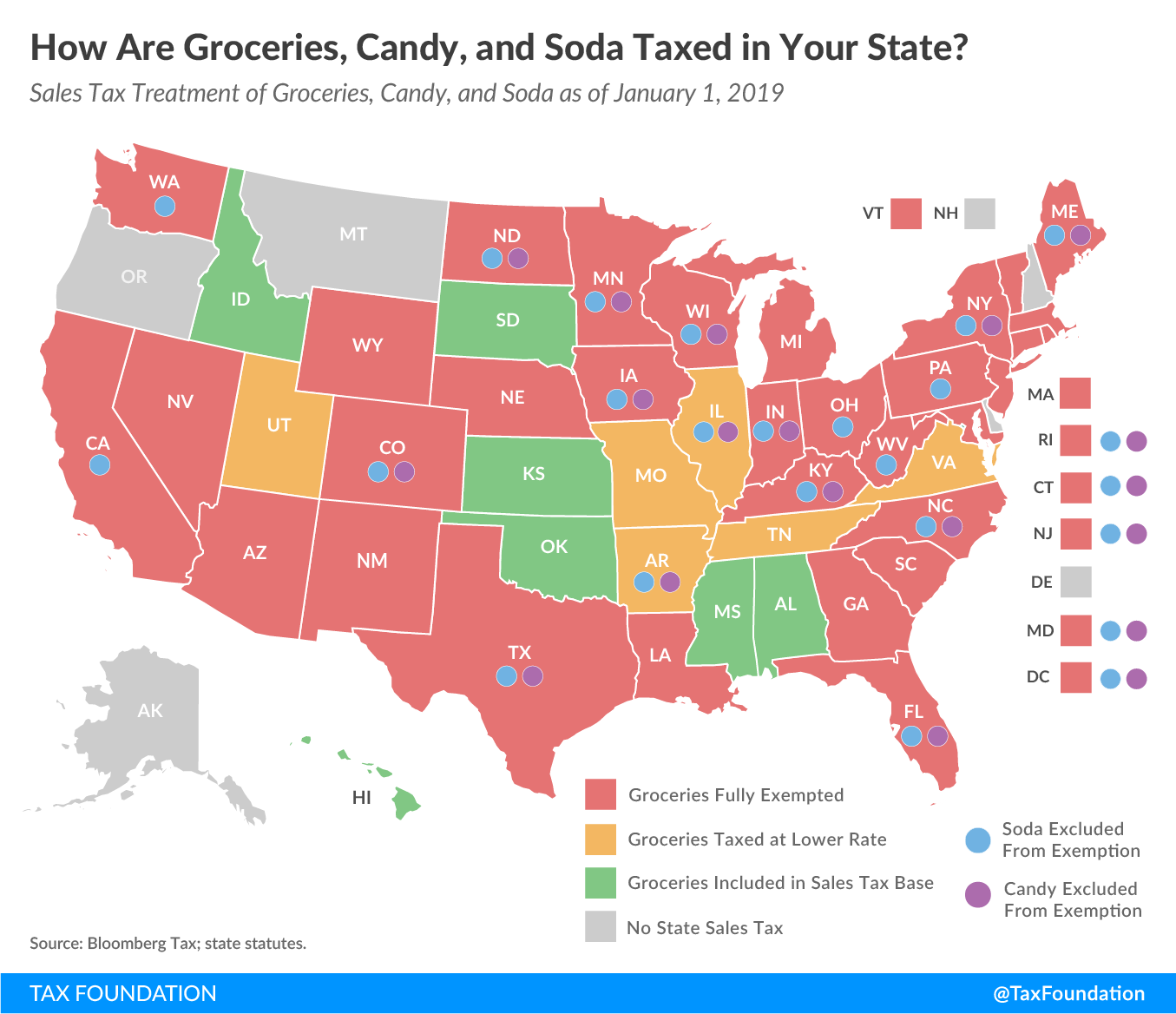
At its core, California’s sales tax system differentiates between “unprepared food products” and “prepared food products.” The good news for budget-conscious tourists is that most unprepared food products are generally exempt from sales tax. This includes the vast majority of items you would typically find in a grocery store aisle or supermarket: fresh fruits and vegetables, uncooked meats, dairy products, bread, canned goods, pasta, cereals, and most packaged snacks intended for home consumption.
However, the distinction becomes critical with prepared food products. These items are subject to sales tax. A food item is generally considered “prepared” if it’s sold hot, or if it’s sold cold but intended for immediate consumption and comes with utensils or is in a form that makes it readily consumable without further preparation. This includes hot deli items, ready-to-eat salads from a salad bar, sandwiches, hot coffee, and food sold by restaurants or fast-food establishments. Even cold beverages like sodas and bottled water are typically taxed when purchased from a restaurant or convenience store.
Why It Matters for Tourists
Understanding this distinction is vital for tourists for several reasons. Firstly, it directly impacts your daily spending. If you’re staying in self-catering accommodation, such as a vacation rental in San Francisco or an apartment in San Diego, buying unprepared groceries to cook your own meals can lead to significant savings, not just on the cost of the food itself but also by avoiding the sales tax that would apply if you dined out or purchased pre-made meals.
Secondly, it helps in budgeting for various activities. A family planning a picnic at Yosemite National Park will find their grocery bill for picnic supplies (e.g., sandwich ingredients, fruit, chips) largely untaxed, making it a more economical choice than purchasing pre-made picnic baskets or dining at park restaurants. For individuals or groups embarking on road trips across the state, stocking up on untaxed staples can keep overall travel costs down.
Navigating Grocery Shopping in California
For travelers unfamiliar with California’s retail landscape, knowing where and how to shop can enhance your visit and help manage expenses. The state boasts a wide array of grocery options, each with its own advantages for tourists seeking both value and quality.
Identifying Taxable vs. Non-Taxable Items
When you’re in a supermarket in California, most shelf-stable, raw ingredients and packaged goods will be tax-exempt. A carton of milk, a loaf of bread, fresh produce, and uncooked meat will not incur sales tax. However, items from the hot food bar, a rotisserie chicken (if purchased hot), or a pre-made sandwich from the deli will likely be taxed. Packaged cold drinks like bottled water or soda, when purchased from a grocery store, are generally not taxed unless the store is primarily a restaurant or selling them for immediate consumption on-site. The rule of thumb: if it requires further preparation at home or is clearly designed for “at-home” consumption, it’s likely tax-exempt. If it’s hot, ready-to-eat, or commonly consumed immediately (like a coffee from a cafe), it’s likely taxed.
Practical Examples for Tourists
Imagine you’re spending a day at Disneyland in Anaheim. Instead of buying all your snacks and drinks inside the park at inflated, taxed prices, you could stop at a local supermarket beforehand. Purchasing a bag of apples, a pack of granola bars, and a multi-pack of water bottles will largely be tax-exempt, saving you money compared to buying individual taxed items from vendors. Similarly, if you’re exploring the wineries of Napa Valley and want to pack a gourmet picnic, items like artisanal cheeses, cured meats, fresh baguettes, and grapes from a local market will typically be untaxed, allowing you to enjoy a luxurious experience without the added cost of sales tax on the ingredients.
Farmers’ Markets and Specialty Stores
California is renowned for its vibrant farmers’ markets, which are excellent places for tourists to experience local culture and purchase fresh, seasonal produce directly from growers. The good news is that nearly all items sold at farmers’ markets – fresh fruits, vegetables, artisanal bread, honey, and sometimes even fresh seafood or cheeses – fall under the “unprepared food” category and are thus sales tax-exempt. These markets, found in cities like San Francisco, San Diego, and Sacramento, not only offer a unique culinary experience but also an opportunity for tax-free grocery shopping. Specialty stores, like bakeries selling fresh loaves or butcher shops selling raw cuts of meat, also primarily deal in tax-exempt items.
Eating Out vs. Cooking In: A Cost-Saving Perspective for Tourists
One of the most enjoyable aspects of travel is experiencing local cuisine. California’s food scene is world-class, but dining out frequently can quickly escalate a travel budget. Understanding the full cost implications, including sales tax, helps tourists make informed decisions.
The Full Cost of Dining Out
When you eat at a restaurant, cafe, or any establishment where food is prepared and served for immediate consumption, the entire bill for food and beverages (excluding alcoholic drinks, which have their own specific taxes) will be subject to California’s sales tax. This tax rate varies by county and city, but generally hovers around 7.25% to 10.75%. For instance, dining in Los Angeles or San Francisco will see higher sales tax rates than some smaller towns. Additionally, you’ll factor in tips, which are usually based on the pre-tax amount but still add to the overall expense. Over the course of a trip, these accumulated taxes and tips can significantly increase your food budget.
The Benefits of Self-Catering Accommodation
For longer stays, family trips, or budget-conscious travelers, choosing accommodation with kitchen facilities – be it an Airbnb, a hotel suite with a kitchenette, or a vacation rental near Lake Tahoe – can be a game-changer. By purchasing largely untaxed, unprepared groceries and preparing some of your own meals, you not only save on sales tax but also on the higher menu prices and tipping associated with restaurant dining. This approach allows you to enjoy dining out occasionally as a treat, rather than a necessity, preserving your budget for other experiences like guided tours or attraction tickets.
Where to Shop for Unprepared Foods
California offers numerous supermarket chains where tourists can find a wide variety of untaxed groceries. Popular options include:
- Safeway/Vons: Widespread throughout the state, offering a full range of groceries.
- Ralphs (Kroger): Another major chain, particularly prominent in Southern California.
- Trader Joe’s: Known for unique, often health-conscious, and affordable private-label products. Many items here are unprepared and tax-exempt.
- Whole Foods Market: Offers a premium selection of organic and natural foods, with most raw ingredients being untaxed.
- Target/Walmart Supercenters: These large retailers also have extensive grocery sections where you can find tax-exempt food items alongside other travel necessities.
Choosing these larger stores for your staple items, and perhaps visiting local farmers’ markets for fresh produce, provides the most economical way to manage your food expenses while still enjoying high-quality ingredients.
Beyond Groceries: Other Tourist-Related Taxes in California
While the focus here is on groceries, it’s beneficial for tourists to be aware of other common taxes that can impact their budget in California. Understanding the overall tax landscape ensures a more predictable and enjoyable trip.
Restaurant Meals and Beverage Taxes
As mentioned, prepared food purchased at restaurants is subject to sales tax. In some cities, there might also be additional local taxes or surcharges on restaurant meals, though these are less common than the statewide sales tax. Alcoholic beverages, when purchased in a restaurant or bar, are also subject to sales tax, plus specific excise taxes on alcohol that are usually factored into the menu price.
Lodging Taxes
Almost all accommodation in California (hotels, motels, vacation rentals) is subject to a Transient Occupancy Tax (TOT), often referred to as a hotel tax. This tax varies significantly by city and county, ranging from around 6% to 15% or more. For example, staying in downtown San Francisco or Los Angeles will incur a higher TOT than a rural area. This tax is applied to the room rate and can add a substantial amount to your accommodation bill, so it’s always wise to check the total price, including taxes, when booking.
Experiences and Activities
Tickets for attractions like theme parks (Disneyland, Universal Studios Hollywood), museums, concerts, and sporting events are generally not subject to sales tax in California. However, certain goods purchased at these venues, such as souvenirs, merchandise, or prepared food, will incur sales tax. Guided tours, depending on their specific nature and what’s included, may or may not have sales tax applied to the service fee, though any physical goods provided will likely be taxed.
Savvy Tips for Food Budgets in the Golden State
Maximizing your California adventure often comes down to smart budgeting, and food is one of the largest variables. By applying these tips, you can enjoy California’s culinary scene and save money simultaneously.
Planning Your Meals
Before you even arrive, consider mapping out your meal strategy. Identify which meals you’ll eat out (perhaps a special dinner in Beverly Hills or fresh seafood on Santa Monica Pier) and which you’ll prepare yourself. If you have access to a kitchen, plan to make breakfast and some lunches with tax-exempt groceries. This simple planning can significantly reduce your overall food expenditure and allow more room in your budget for unique experiences.
Utilizing Local Resources
Don’t shy away from exploring local supermarkets and farmers’ markets. They offer not only cost savings due to tax exemptions on most items but also an authentic glimpse into local life. Many California communities take pride in their local produce and artisan goods, providing a delicious and cultural experience in itself. Look for weekly specials and store brand items for additional savings.
Exploring Diverse Culinary Options
While high-end dining is part of the California experience, don’t overlook the incredible diversity of more affordable, yet delicious, food options. The state is renowned for its food trucks, ethnic eateries, and casual dining spots that offer fantastic value and unique flavors, often at a lower price point than formal restaurants. While these will still incur sales tax, their lower base prices make them a more budget-friendly alternative to traditional sit-down dining. For instance, exploring the taco trucks in Los Angeles or the dim sum spots in San Francisco’s Chinatown can be both an unforgettable culinary adventure and a smart financial move for any tourist.
In conclusion, while the question “Are groceries taxed in California?” has a nuanced answer, the overarching message for tourists is positive: the vast majority of unprepared food items are exempt from sales tax. By understanding this distinction and planning accordingly, visitors can effectively manage their food budget, enjoy California’s vibrant food culture, and save money for other incredible experiences the state has to offer.
LifeOutOfTheBox is a participant in the Amazon Services LLC Associates Program, an affiliate advertising program designed to provide a means for sites to earn advertising fees by advertising and linking to Amazon.com. Amazon, the Amazon logo, AmazonSupply, and the AmazonSupply logo are trademarks of Amazon.com, Inc. or its affiliates. As an Amazon Associate we earn affiliate commissions from qualifying purchases.