
Understanding the accessibility of property records is a crucial aspect for anyone considering a long-term stay, purchase, or investment in California accommodation. The short answer is yes, property records in the Golden State are generally public. This transparency is a cornerstone of the real estate system, designed to protect consumers and ensure clarity in property transactions. For those seeking accommodation, whether as renters, buyers, or investors, knowing how to access and interpret these records can provide invaluable insights into a property’s history, ownership, and potential encumbrances, empowering more informed decisions about where to live or invest.
The Transparency of California’s Property Information
California’s approach to public property records stems from a foundational belief in transparency for real estate dealings. This principle ensures that essential information about land and structures is not hidden, fostering a more secure and reliable environment for all parties involved in accommodation-related transactions.
What Constitutes Public Property Records?
Public property records encompass a wide array of documents and data points that chronicle a property’s existence and transactions. These typically include, but are not limited to:
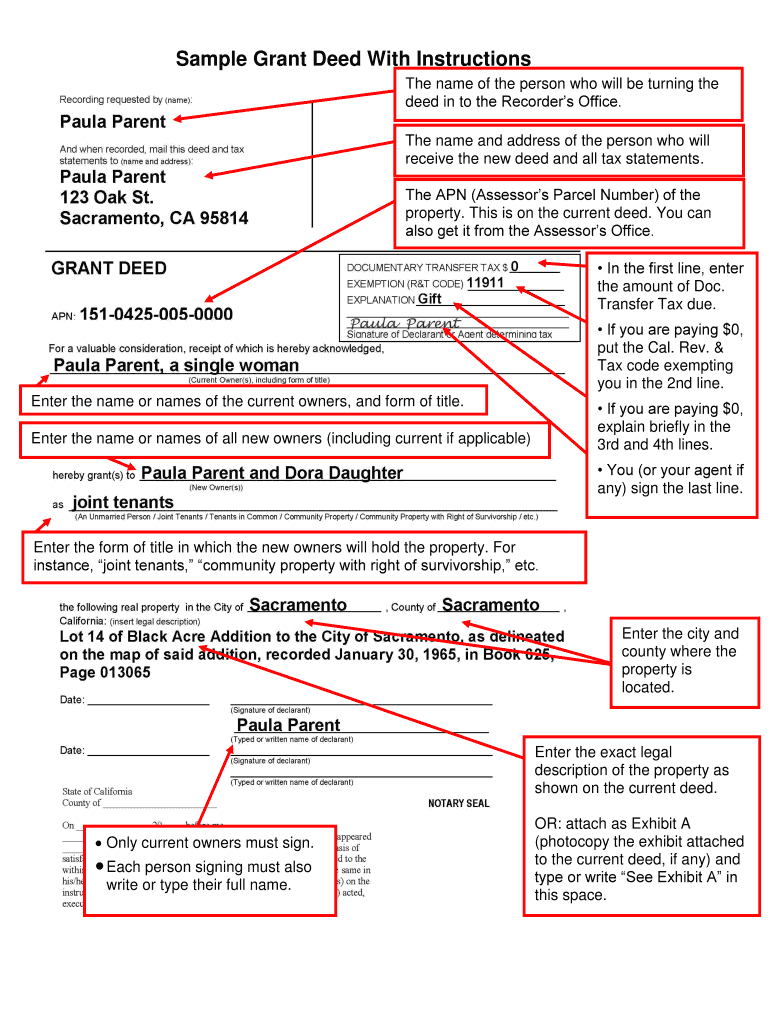
- Deeds: These legal documents transfer ownership of real estate from one party to another. They contain vital information such as the grantor (seller), grantee (buyer), legal description of the property, and the date of the transfer. Understanding the chain of title through deeds is fundamental to verifying legitimate ownership.
- Mortgages and Deeds of Trust: These documents secure a loan against a property. They record the lender, borrower, amount borrowed, and terms of the loan. Knowing if a property has an outstanding mortgage is critical, especially for buyers.
- Property Tax Records: Maintained by the Assessor’s Office in each county, these records detail the assessed value of a property, its tax history, and current tax obligations. This information is invaluable for budgeting for accommodation costs.
- Liens: A lien is a legal claim against a property, often used to secure payment of a debt. Common liens include mechanic’s liens (for unpaid work), judgment liens, and tax liens. The presence of liens can complicate ownership and transfer.
- Easements: These grant a specific right to use another person’s land for a particular purpose, such as access for utilities or a shared driveway. Easements can impact a property’s usability and value.
- Plat Maps and Surveys: These geographical records show the boundaries, dimensions, and layout of a property, often including details about subdivisions and common areas.
- Permit Records: Building permits and inspection reports, usually held by local city or county planning departments, detail any structural changes or renovations that have occurred on the property, indicating adherence to local codes.
The scope of public information available can vary slightly by county, but the core records are consistently accessible across California’s 58 counties.
The Rationale Behind Public Access
The reasons for making property records public are multifaceted and primarily centered on consumer protection and market integrity. Firstly, public access prevents fraudulent transactions by allowing interested parties to verify ownership and ensure no undisclosed claims exist against a property. Secondly, it fosters fair market practices by providing transparency on property values, sales histories, and tax assessments, which aids in accurate pricing and negotiation for accommodation. Thirdly, it supports local governance by facilitating the collection of property taxes, which fund public services. Lastly, it empowers citizens to conduct due diligence, ensuring they are fully aware of any legal or financial obligations tied to a property before committing to a long-term stay or purchase. This transparency is particularly vital in a dynamic real estate market like California, where property values and market conditions can fluctuate significantly.
How to Access Property Records in California
Accessing property records in California is a straightforward process, thanks to the structured organization of county-level government offices and the increasing availability of digital resources. Understanding where to look and what tools are available can significantly streamline your research for accommodation.
County Recorder’s Office: The Primary Resource
The most definitive source for official property records in California is the County Recorder’s Office (sometimes called the County Clerk-Recorder’s Office) in the county where the property is located. Each of California’s 58 counties maintains its own set of records.
- In-Person Access: You can visit the County Recorder’s Office during business hours. Staff can guide you through the process of searching records, which often involves using public terminals with indices based on grantor/grantee names or property addresses/parcel numbers. You can usually obtain certified copies of documents for a nominal fee. For instance, if you’re looking for property records in Los Angeles County, you would visit the Los Angeles County Registrar-Recorder/County Clerk’s office. Similarly, for San Diego County or San Francisco County, you’d consult their respective county offices.
- Mail Requests: Many County Recorder’s Offices accept mail-in requests for copies of specific documents, provided you have enough identifying information about the property or transaction.
- Online Portals: A growing number of counties offer online search portals, allowing you to access a substantial portion of their indexed records from anywhere. While some basic searches might be free, there may be fees for viewing or downloading detailed documents, especially for professional users. Examples include online search tools for Orange County or Riverside County that provide digital access to recorded documents.
Additionally, the County Assessor’s Office provides valuable information regarding property valuation, tax history, and parcel maps, which is essential for understanding the financial aspects of an accommodation.
Online Databases and Third-Party Services
Beyond the official county sites, several reputable online platforms and third-party services compile and provide access to property records.
- Real Estate Websites: Popular real estate listing sites often integrate some public record data, such as sales history, property taxes, and basic property characteristics. While convenient, this information should always be cross-referenced with official sources for accuracy, especially when making significant accommodation decisions.
- Subscription Services: For more in-depth or frequent access, various subscription-based services cater to real estate professionals, offering comprehensive databases that aggregate data from multiple county recorders and assessors. These services can provide detailed reports, historical data, and analytics for a fee.
- Title Companies: Title companies specialize in researching property titles and preparing title reports. While their primary service is for transactions, they have extensive databases and expertise in navigating public records. They can be a valuable resource for information, though typically for a fee associated with a specific transaction.
Specific Information You Can Uncover
By accessing these records, you can unearth a wealth of information critical for any accommodation decision:
- Ownership History: Trace the lineage of a property’s owners, offering insights into its stability and past transactions.
- Sales History and Value: Understand previous sale prices, assessed values, and property tax records, which are vital for evaluating current market value and potential appreciation for a long-term stay.
- Property Characteristics: Confirm the reported square footage, number of bedrooms/bathrooms, lot size, and any major structural modifications indicated by permit records.
- Encumbrances and Liens: Identify any outstanding mortgages, deeds of trust, liens, or easements that could affect ownership or use of the property.
- Neighborhood Context: While not directly in property records, assessing nearby public records can give you an idea of zoning, development plans, and even potential environmental concerns. For instance, researching properties in Sacramento County might reveal flood zone information.
The Importance of Property Records for Accommodation Seekers
For anyone looking for accommodation in California, whether a long-term rental, a first home, or an investment property, consulting public property records is not merely an option—it is a critical step in due diligence. These records provide a safeguard, ensuring transparency and mitigating risks associated with significant financial commitments.
Verifying Ownership and Encumbrances
One of the primary reasons to delve into public records is to verify the legitimacy of ownership. Before signing a lease or purchase agreement, ensuring that the individual or entity claiming ownership is indeed the legal owner is paramount. Records from the County Recorder’s Office confirm the current recorded owner, preventing scams and ensuring that your payments or investments are directed appropriately.
Furthermore, property records reveal any encumbrances on the title. An encumbrance is a claim or liability against a property, such as a mortgage, lien, or easement, that can affect its marketability or transferability. Uncovering these early can prevent future legal or financial complications. Imagine purchasing a property only to discover a large, undisclosed lien from a previous owner; public records are your first line of defense against such scenarios. For example, a thorough search would reveal if a property in San Jose has an unresolved mechanic’s lien from a past renovation, which could affect the buyer’s clear title.
Assessing Property Value and History
Public records offer a comprehensive historical narrative of a property, which is indispensable for assessing its current and future value. You can track past sale prices, changes in ownership, and the assessed value for property tax purposes. This historical data provides a robust foundation for understanding market trends and negotiating a fair price for an accommodation.
Moreover, permit records indicate when major renovations, additions, or repairs were undertaken. This not only gives insight into the property’s condition and maintenance history but also confirms that work was done legally and up to code. A property with a history of unpermitted work could pose future problems, including difficulties with insurance, resale, or even fines. For long-term stays, this history contributes significantly to the overall appeal and reliability of the accommodation.
Due Diligence for Long-Term Stays and Investments
For long-term renters, while the direct implications of ownership issues might fall on the landlord, understanding the property’s history can provide peace of mind and inform decisions about the stability of your accommodation. A property with a clear history and stable ownership is generally a more reliable choice.
For buyers and investors, due diligence through property records is a non-negotiable step. It forms the basis of title insurance, which protects against defects in the title. A comprehensive review of public records ensures that you are aware of all aspects of the property before closing a deal. This includes understanding the impact of any easements on property use, the tax implications of the assessed value, and any potential legal disputes associated with the property. By leveraging public records, buyers and investors can make financially sound and legally secure decisions regarding their California accommodation.
Navigating the Nuances: Limitations and Best Practices
While public property records offer immense value, navigating them effectively requires an understanding of their limitations and adherence to best practices. Not all information is easily digestible, and some considerations exist regarding privacy and interpretation.
Privacy Considerations and Exemptions
While the general principle is public access, some specific types of information related to property records may have privacy exemptions. For instance, certain personal financial details, or records pertaining to victims of domestic violence who have requested redaction, might not be fully accessible or may require a specific legal process to obtain. Social Security numbers and certain contact information are typically redacted from public documents. It’s important to recognize that “public” does not mean “unrestricted access to every detail about every person.” The intent is to disclose information related to the property itself and its transaction history, not personal sensitive data.
Interpreting Complex Legal Documents
Property records often consist of legal documents written in specialized terminology. Deeds, liens, and easements use precise language that can be challenging for the untrained individual to interpret correctly. Misunderstanding a clause in an easement, for example, could lead to unforeseen restrictions on property use. Similarly, a poorly understood lien might imply a greater or lesser financial risk than is actually present. While the records are public, their accurate interpretation sometimes requires a degree of legal literacy. Utilizing online glossaries or seeking clarification from county staff (who can explain the process but not offer legal advice) can be helpful.
When to Seek Professional Assistance
For significant accommodation decisions, such as purchasing a home or making a large investment, relying solely on self-conducted property record searches might not be sufficient. This is where professional assistance becomes invaluable:
- Real Estate Agents: Knowledgeable agents often have access to broader databases and experience in interpreting property history relevant to market value.
- Title Companies and Attorneys: A title company specializes in property record research and will provide a comprehensive title report and title insurance, offering crucial protection. Real estate attorneys can provide legal interpretations of complex documents, advise on potential liabilities, and assist in resolving any issues found in the records. They can help navigate specific issues, such as a complex ownership dispute in a property in Oakland.
- Escrow Officers: During a property purchase, the escrow officer plays a neutral role, ensuring all conditions of the sale, including a clear title, are met.
These professionals can not only retrieve the records but also provide expert analysis and guidance, ensuring that your long-term stay or accommodation investment in California is built on a solid foundation of accurate and thoroughly understood information. The public nature of these records empowers individuals, but professional insight can transform raw data into actionable intelligence.
LifeOutOfTheBox is a participant in the Amazon Services LLC Associates Program, an affiliate advertising program designed to provide a means for sites to earn advertising fees by advertising and linking to Amazon.com. Amazon, the Amazon logo, AmazonSupply, and the AmazonSupply logo are trademarks of Amazon.com, Inc. or its affiliates. As an Amazon Associate we earn affiliate commissions from qualifying purchases.