
For many planning a trip to the Golden State, understanding local conditions is paramount to a seamless and enjoyable experience. One seemingly minor detail that can significantly impact a family vacation or even a general tourism itinerary is the operating status of local schools. While it might not be the first concern for every traveler, school closures in California can have ripple effects, influencing everything from crowd levels at popular attractions to the availability of certain family-oriented activities. This guide delves into how to ascertain school status and, more importantly, how these closures can affect your California tourism plans.
Decoding California’s School Calendar: A Tourist’s Perspective
California, a vast state with diverse regions, does not operate under a single, unified school calendar. Each of the state’s more than 1,000 public school districts, alongside numerous private institutions, sets its own schedule, making a universal “yes” or “no” answer to today’s closure status elusive. However, understanding the general patterns and common reasons for closures can equip tourists with the knowledge needed to plan effectively.
Common Reasons for School Closures
School closures typically fall into a few categories, each with varying implications for visitors:
-
Scheduled Holidays and Breaks: These are the most predictable closures and often coincide with peak tourism seasons. Major breaks include:
- Thanksgiving Break (November): Usually a week-long closure around the Thanksgiving holiday, leading to increased domestic travel and busier attractions like Disneyland and Universal Studios Hollywood.
- Winter Break (December/January): A two-to-three-week period covering Christmas and New Year’s, resulting in significantly higher crowds at popular destinations and potentially higher prices for accommodation and flights.
- Spring Break (March/April): A one-week break, often staggered across different districts, which can cause intermittent spikes in visitor numbers at coastal cities and theme parks.
- Summer Break (June/July/August): The longest closure, typically 10-12 weeks, marking the peak tourism season across the entire state. Every major attraction will be at its busiest.
- Minor Holidays: Single-day closures for holidays like Martin Luther King Jr. Day, Presidents’ Day, Veterans Day, and Memorial Day can also lead to long weekends and increased local travel.
-
Unscheduled Closures (Adverse Conditions): These are less predictable but vital for tourists to monitor, as they often impact travel conditions directly.
- Weather Events: California experiences diverse weather. Heavy snow in the Sierra Nevada can close schools in Lake Tahoe regions and impact road access. Extreme heat in the Central Valley or severe storms and flooding in coastal areas like Santa Barbara or Orange County can also lead to closures. These conditions often affect transportation and access to outdoor attractions.
- Natural Disasters: Wildfires, earthquakes, or related emergencies can cause widespread closures, particularly in affected regions. These events have significant implications for safety and travel logistics.
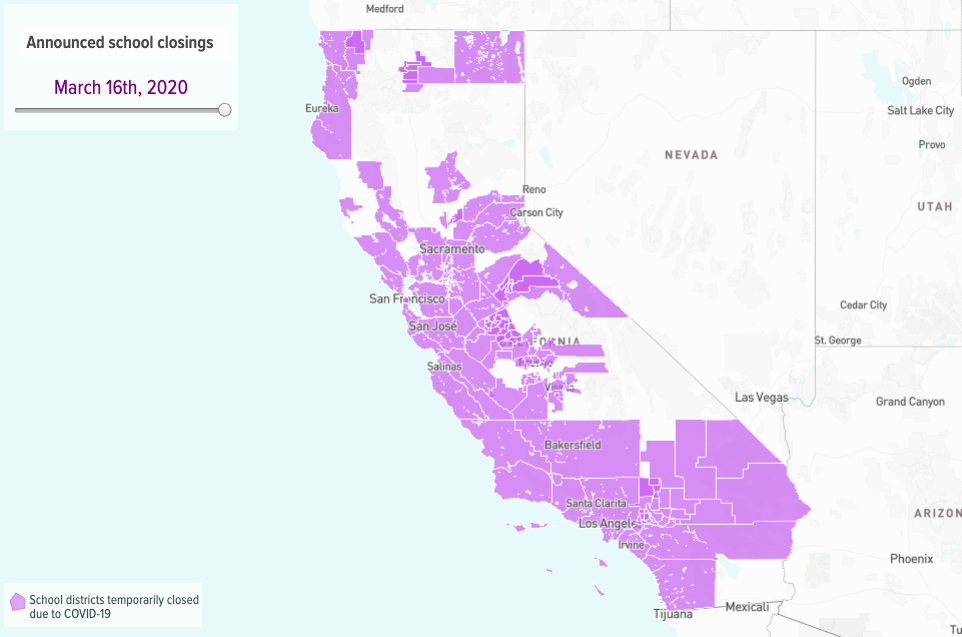
- Public Health Concerns: During flu outbreaks or similar public health crises, schools might close to prevent spread. While less common, these closures can impact local activities and public gatherings.
- Teacher Strikes or Labor Disputes: Though infrequent, these events can close schools for extended periods. They might also lead to protests or public demonstrations in major cities like Los Angeles or San Francisco, affecting local traffic or public services.
How to Check for Current School Closures
For real-time information, especially concerning unscheduled closures, tourists should:
- Check Local School District Websites: If you are staying in a specific city or region, identify the local school districts (e.g., Los Angeles Unified School District, San Francisco Unified School District) and visit their official websites. They often have banners or news alerts regarding closures.
- Monitor Local News Outlets: California news channels (TV, radio, online) are excellent sources for real-time updates on school closures, especially during severe weather or emergencies.
- Utilize Social Media: Many school districts and local news stations use social media platforms to disseminate urgent information.
- Ask at Your Accommodation: Hotel staff or local hosts are often aware of significant local events, including school closures, which might affect their guests.
The Ripple Effect: How Closures Impact Your California Tourism Experience
Whether scheduled or unscheduled, school closures in California can significantly alter the landscape of your tourism experience. Understanding these impacts allows for better planning and adjustment.
Increased Crowds and Demand
When schools are out, families are free to travel, leading to an immediate surge in demand for tourist attractions, restaurants, and accommodations.

- Theme Parks: Iconic destinations like Disneyland Resort in Anaheim and Universal Studios Hollywood in Los Angeles experience dramatically higher attendance during school breaks. This translates to longer wait times for rides, crowded pathways, and increased pressure on dining options. Pre-booking tickets and considering Genie+ or Express Pass options become essential.
- Beaches and Coastal Towns: California’s beautiful coastline, from the shores of San Diego to Santa Monica and beyond, becomes a magnet for families. Expect busier beaches, packed boardwalks, and crowded restaurants in popular spots like Laguna Beach or Monterey.
- National and State Parks: Yosemite National Park, Joshua Tree National Park, and Redwood National Park also see increased visitor numbers, particularly for family-friendly hiking trails and campgrounds. Reservations for popular areas or accommodations often fill up months in advance during peak school holidays.
- Museums and Cultural Sites: Institutions such as the California Academy of Sciences in San Francisco or the Getty Center in Los Angeles might offer special programs during school breaks, attracting more families.
Logistics and Transportation Challenges
Unscheduled school closures, especially due to weather or emergencies, can create significant logistical hurdles for tourists.
- Road Closures and Traffic: Heavy snow in mountain regions (e.g., roads to Mammoth Lakes), flooding in valley areas, or emergency evacuations due to wildfires can lead to road closures, detours, and severe traffic congestion. Tourists should always check Caltrans for real-time road conditions.
- Public Transportation Impact: While less common, some public transportation services might be affected by severe weather or major public events related to school closures (e.g., student demonstrations affecting bus routes in urban centers).
- Availability of Services: In very localized, unscheduled closures, some smaller businesses or childcare services that rely on school schedules might be affected, which could indirectly impact tourist options.
Opportunities for Unique Experiences
While many impacts involve increased crowds, knowing about school closures can also open doors to unique tourism opportunities, particularly during non-peak school holidays.
- Special Events: During major school breaks, many California cities and attractions host special events, festivals, or extended operating hours catering to families. Researching these can enhance your trip.
- Community Activities: Local libraries, community centers, and parks often organize activities for children during school breaks. These can offer a glimpse into local culture and a chance for families to engage with local communities away from typical tourist hotspots.
- Flexible Planning: For travelers without school-aged children, being aware of school closures allows them to strategically plan their visits during off-peak school times, enjoying potentially fewer crowds and better deals on accommodation and flights. For example, visiting San Francisco’s Golden Gate Bridge or the San Diego Zoo during a weekday in September or October (after summer break but before Thanksgiving) offers a more relaxed experience.
Planning Your California Trip: Essential Tips for Tourists
Incorporating the knowledge of California school schedules into your tourism planning is a smart move for any visitor.
Pre-Trip Research is Key
Before finalizing your travel dates, consult a general California school holiday calendar. While specific district dates vary, major holiday periods are consistent statewide.
- Flexibility is an Asset: If your travel dates are flexible, consider visiting during shoulder seasons (late April/May or September/October) to avoid the busiest school holiday periods and potentially secure better rates.
- Book Well in Advance: For trips planned during known school breaks (summer, winter, spring), book your accommodation, flights, and popular attraction tickets several months ahead to ensure availability and potentially avoid surge pricing.
- Utilize Fast Passes and Early Entry: If visiting theme parks during school holidays is unavoidable, invest in fast pass options or take advantage of early entry privileges to maximize your time and minimize wait times.

During Your Visit: Stay Informed and Adapt
Once in California, remain vigilant, especially for unscheduled closures that can quickly alter local conditions.
- Local News and Weather Apps: Keep an eye on local news channels and weather forecasts for the regions you plan to visit.
- Check Transportation Updates: Before driving, use navigation apps and local traffic websites (like Caltrans) to check for road closures or delays.
- Have Backup Plans: Be prepared to pivot your plans. If a mountain road is closed due to snow, have an alternative indoor activity or a different route mapped out. If a beach is too crowded, explore a nearby park or less-known coastal spot.
- Engage with Locals: Don’t hesitate to ask hotel staff, tour guides, or local residents for insights on current conditions or recommendations for alternative activities if your original plans are disrupted.
Ultimately, the question “Are schools closed today in California?” is multifaceted. While a definitive statewide answer for “today” might be complex, understanding the rhythm of school breaks and the reasons for unscheduled closures empowers tourists to make informed decisions, enhance their planning, and enjoy a more fulfilling California tourism adventure.
LifeOutOfTheBox is a participant in the Amazon Services LLC Associates Program, an affiliate advertising program designed to provide a means for sites to earn advertising fees by advertising and linking to Amazon.com. Amazon, the Amazon logo, AmazonSupply, and the AmazonSupply logo are trademarks of Amazon.com, Inc. or its affiliates. As an Amazon Associate we earn affiliate commissions from qualifying purchases.