
California, a state synonymous with golden beaches, majestic mountains, sprawling metropolises, and vibrant cultural landscapes, beckons millions of travelers and new residents each year. From the iconic surf breaks of Malibu to the towering redwoods of the north, and from the star-studded streets of Hollywood to the serene vineyards of Napa Valley, the allure of the Golden State is undeniable. For many, exploring this diverse terrain necessitates a car, transforming the journey itself into an essential part of the California experience. Whether you’re embarking on an epic road trip along the Pacific Coast Highway, planning a long-term stay, or making California your new home, understanding the nuances of car registration costs is a crucial step in budgeting for your California lifestyle.
Car ownership in California comes with a unique set of responsibilities and costs, with vehicle registration being a primary recurring expense. Unlike a simple flat fee, the amount you’ll pay is determined by a confluence of factors, making it a topic of frequent inquiry for both seasoned residents and prospective newcomers. This comprehensive guide aims to demystify the complexities of car registration in California, detailing the various components, influencing factors, and additional considerations that contribute to your annual bill. By providing clarity on these costs, we hope to empower you to better plan your finances, whether you’re seeking luxury travel accommodations, scouting budget-friendly long-term rentals, or simply enjoying the freedom of the open road on a family trip across this magnificent state.
Decoding California’s Car Registration System
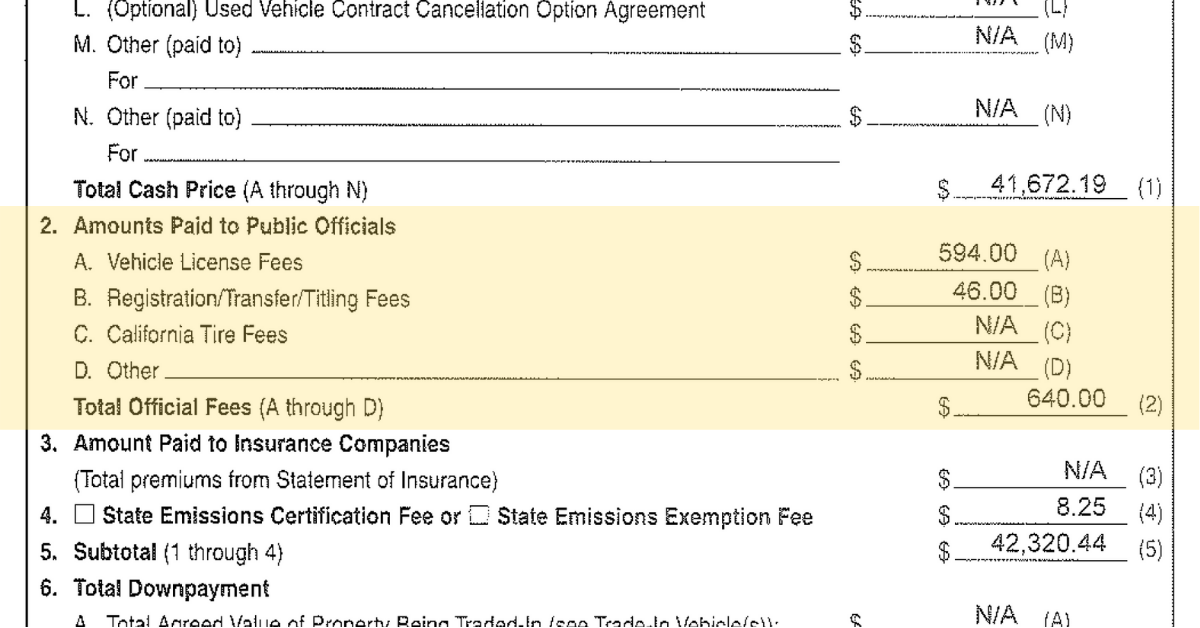
At its core, car registration in California is an annual requirement managed by the Department of Motor Vehicles (DMV). This process ensures that vehicles operating on public roads meet certain safety and environmental standards, and that their owners contribute to the maintenance of the state’s infrastructure and services. The total fee is not a single charge but rather an aggregation of several distinct components, each serving a specific purpose. Understanding these individual charges is the first step in comprehending your overall registration cost.
Core Components of the Registration Fee
The standard car registration bill in California is comprised of several key fees. While the exact amounts can fluctuate slightly year by year due to legislative changes, the fundamental structure remains consistent:
- Vehicle License Fee (VLF): This is arguably the most significant variable component of your registration bill. The VLF is calculated as a percentage of your vehicle’s market value, which depreciates over time. Essentially, the newer and more expensive your car is, the higher your VLF will be. This fee is a state tax that goes towards the State General Fund and local government programs, supporting a wide array of public services. For travelers considering purchasing a vehicle for an extended stay, or for residents upgrading their cars, understanding how VLF changes with vehicle value is critical for long-term budgeting.
- Registration Fee: This is a fixed, flat fee applicable to most vehicles. Unlike the VLF, it does not fluctuate based on the vehicle’s value. This fee contributes directly to the operational costs of the DMV and other state transportation-related services.
- California Highway Patrol (CHP) Fee: Dedicated to funding the operations of the California Highway Patrol (CHP), this fee supports law enforcement activities, traffic management, and emergency response services across the state’s vast network of roads and highways. For anyone exploring California’s extensive landmarks, from the Golden Gate Bridge to Death Valley National Park, the CHP plays a vital role in ensuring safe travel.
- County/District Fees: Depending on where your vehicle is primarily garaged within California, you may be subject to additional fees imposed by specific counties or regional districts. These fees often fund local transportation projects, air quality initiatives, or other community-specific programs. For instance, drivers in densely populated areas like Los Angeles County or the San Francisco Bay Area might see different district fees compared to those in more rural parts of the state. This highlights the importance of checking local regulations when planning a move or extended stay.
Key Factors Influencing Your Total Cost
Beyond the core components, several other factors can significantly impact your total car registration cost in California. These variables are crucial for anyone looking to accurately budget for their vehicle expenses, whether they are a long-term resident or someone considering moving to the state for work or leisure.
Vehicle Specifics: Value, Type, and Age
As mentioned, the Vehicle License Fee is directly tied to your car’s market value. A brand-new luxury SUV purchased for a lavish family trip through Beverly Hills will incur a substantially higher VLF than an older, economy sedan used for budget travel around San Diego. The DMV uses a complex formula to determine the depreciated value of your vehicle each year, which means your VLF will generally decrease over time.
Vehicle type also plays a role. Commercial vehicles, such as those used for business or hauling significant loads, often incur additional weight fees based on their Gross Vehicle Weight (GVW). While this primarily affects businesses, it’s a factor for individuals who might own heavy-duty trucks or RVs, popular choices for exploring California’s many State Parks and camping destinations.
The age of your vehicle also has implications, particularly concerning environmental regulations. Older vehicles might be subject to more stringent smog check requirements, which, while not a direct registration fee, is a mandatory precursor to renewal for many vehicles.
Residency and Relocation Implications
For new residents moving to California, the process involves registering an out-of-state vehicle, which comes with its own set of requirements and costs. Generally, you have 20 days from the date you establish residency to register your vehicle with the DMV. This involves providing proof of ownership, fulfilling smog check requirements, and potentially paying a use tax if your vehicle was purchased out-of-state within 12 months of becoming a California resident. For digital nomads or those on extended work assignments considering California as a temporary base, understanding the threshold for establishing residency (e.g., obtaining a California driver’s license, securing long-term accommodation) is essential to avoid penalties. Rental cars are often the go-to for shorter visits, but for stays longer than a few months, bringing your own vehicle or purchasing one locally might be more economical, despite the registration costs.
Beyond the Basics: Additional Fees and Important Considerations
Understanding the primary components and influencing factors of car registration is just one part of the equation. Several other aspects can affect your overall vehicle-related expenses and the ease of the registration process in California.
Emissions Testing and Smog Check
California is known for its strict environmental regulations, and the smog check program is a cornerstone of these efforts. Most vehicles require a smog check every two years, or when changing ownership, to ensure they meet the state’s emission standards. While the smog check itself is a separate fee paid directly to a licensed smog check station (typically ranging from $30-$80), it is a mandatory prerequisite for renewing your registration for many vehicles. Certain vehicles are exempt, such as electric vehicles, motorcycles, and newer models (usually 8 years old or less, though this can vary). However, for many drivers, budgeting for this biennial expense is non-negotiable. For those purchasing a used car in California, ensuring it has a valid smog check certificate is crucial, as the seller is generally responsible for providing it.
Late Penalties and Renewal Procedures
Timely renewal of your vehicle registration is paramount to avoid penalties. The DMV typically sends renewal notices several weeks before the expiration date, offering ample time to complete the process. Late fees can quickly accumulate, adding a significant percentage to your original registration cost. Fortunately, the DMV offers various convenient renewal options, including online processing, mail, and in-person visits. Many people opt for online renewal, which is quick and efficient. Some drivers also choose to set up automatic reminders or payment plans, especially if managing multiple vehicle registrations or a tight budget, which is a common lifestyle consideration for those balancing accommodation costs with travel expenses.
Special Plates and Vehicle Modifications
For those who wish to personalize their vehicles, California offers a wide array of special license plates, including personalized plates, environmental plates (which support state park systems, like those near Yosemite National Park or Lake Tahoe), and organizational plates. While these add a unique touch to your vehicle, they also come with additional annual fees, typically ranging from $50 to over $100, on top of your standard registration costs. Similarly, certain aftermarket modifications that alter a vehicle’s original specifications, particularly those related to emissions or safety, might require specific inspections or compliance certifications, potentially adding to the overall cost and complexity of maintaining a registered vehicle.
Navigating California on Wheels: A Traveler’s Perspective
For travelers and those considering an extended stay, understanding car registration costs in California is more than just a financial exercise; it’s a key element in planning an unforgettable journey or a comfortable new lifestyle. California’s sprawling geography and diverse attractions practically demand a car for comprehensive exploration. Imagine cruising along Highway 1 through Big Sur, visiting iconic landmarks like the Santa Monica Pier, delving into the magic of Disneyland, or embarking on a wilderness adventure in Joshua Tree National Park or Redwood National Park. These experiences are often only fully accessible with the freedom and flexibility a personal vehicle provides.
For shorter trips, renting a car is almost always the most sensible option, as rental agencies handle all registration, insurance, and maintenance concerns. However, for those planning to stay for several months or longer, perhaps for a work assignment in Silicon Valley, a sabbatical, or an extended travel itinerary, the decision between renting and purchasing (and subsequently registering) a vehicle becomes more complex. Buying a car offers more freedom regarding vehicle choice and can be more cost-effective in the long run if you factor in daily rental rates over many months. However, it introduces the upfront costs of purchase, insurance, and, of course, the annual registration fees.
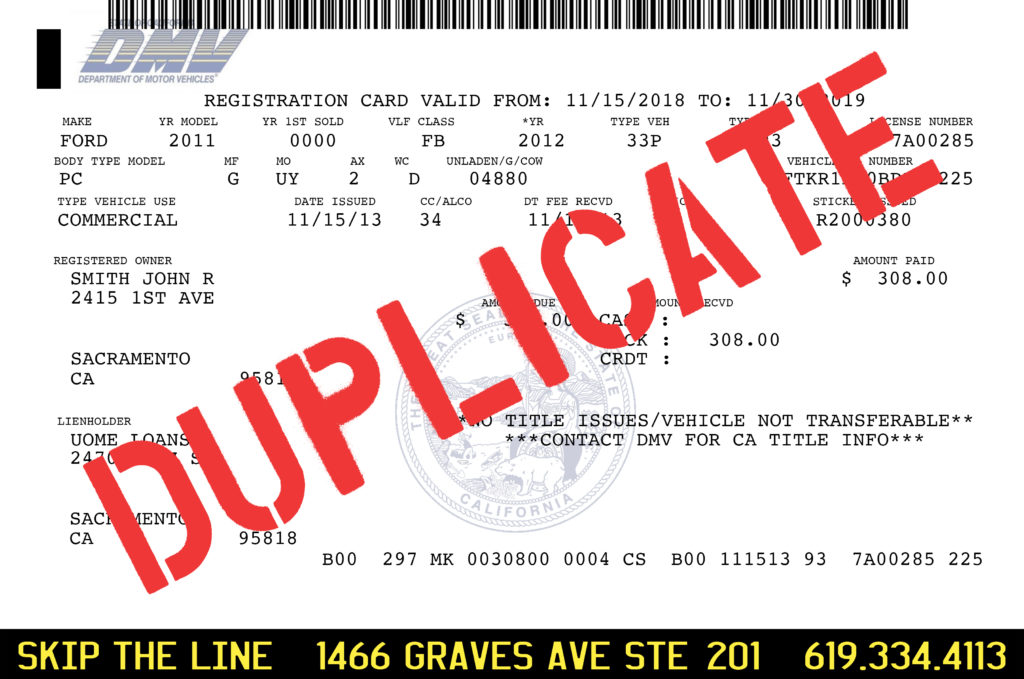
When budgeting for a California road trip or a long-term stay, it’s crucial to factor in not just registration but also other car-related expenses. Fuel costs in California are among the highest in the United States. Insurance premiums can also be substantial, especially in metropolitan areas like Los Angeles and San Francisco. Additionally, consider parking fees, which can be exorbitant in city centers or popular tourist destinations, and potential tolls on bridges (like the Golden Gate Bridge) or express lanes.
For those pursuing a luxury travel lifestyle, the registration cost of a high-end vehicle will be higher due to the VLF, but it’s often a minor fraction of their overall budget for premium hotels, exclusive experiences, and fine dining. Conversely, budget travelers or those embracing a minimalist lifestyle will find that minimizing vehicle value is a direct way to reduce registration costs. They might prioritize fuel-efficient older models, carefully planning routes to avoid tolls and high parking areas, and choosing accommodations (suites, apartments, villas) with free parking as a key amenity.
Whether your California dream involves a whirlwind tour of Universal Studios Hollywood and San Francisco’s vibrant neighborhoods, or a more laid-back exploration of the Sierra Nevada foothills and Palm Springs resorts, understanding your vehicle’s associated costs is empowering. It allows for more accurate financial planning, reduces unexpected burdens, and ensures that your focus remains on experiencing the unparalleled beauty and adventure that California has to offer. By thoroughly researching and accounting for these expenses, you can truly embrace the freedom of the road and create lasting memories in one of the world’s most captivating destinations.
