
California, a state synonymous with diverse landscapes, iconic cities, and unparalleled natural beauty, frequently captures global attention for its spectacular attractions. Yet, alongside its allure, the topic of wildfires often arises, prompting prospective travelers to question the safety and feasibility of visiting. While California does experience a fire season, understanding its complexities is crucial for any travel plans. It’s rare for the entire state to be ablaze, and careful planning allows for unforgettable experiences, even during periods of increased fire activity. This guide offers insights for travelers, helping to navigate the realities of California wildfires and plan a safe, enjoyable, and responsible trip.

Navigating the California Wildfire Landscape: A Traveler’s Overview
California’s geography is incredibly varied, from dense forests and chaparral to arid deserts and expansive coastlines. This diverse topography, combined with a Mediterranean climate characterized by hot, dry summers and strong winds, creates conditions susceptible to wildfires. The “fire season” typically runs from late spring through late fall, peaking in late summer and early autumn. However, due to climate change, fires can and do occur year-round.
It’s vital for travelers to grasp that California is a massive state, stretching over 800 miles from north to south. A fire burning in one region, say the Shasta-Trinity National Forest in the north, has no direct impact on travel to San Diego in the south, nor does a fire near Los Angeles necessarily affect San Francisco or Lake Tahoe. The media often reports on “fires in California” as a broad statement, but it rarely signifies a statewide crisis impacting all destinations simultaneously. The key is to be specific about locations and to rely on real-time, localized information.
Moreover, fire activity fluctuates. Some years are particularly severe, while others see relatively contained incidents. The state has robust firefighting agencies, including Cal Fire and federal partners like the U.S. Forest Service, who work tirelessly to contain and extinguish fires, often within days or weeks, preventing widespread devastation to populated areas and popular tourist routes.
Direct Impacts on California Destinations and Experiences
While many areas remain unaffected, specific regions and types of travel experiences can be directly or indirectly impacted by wildfires. Understanding these potential effects helps in planning and managing expectations.
National Parks and Wilderness Areas
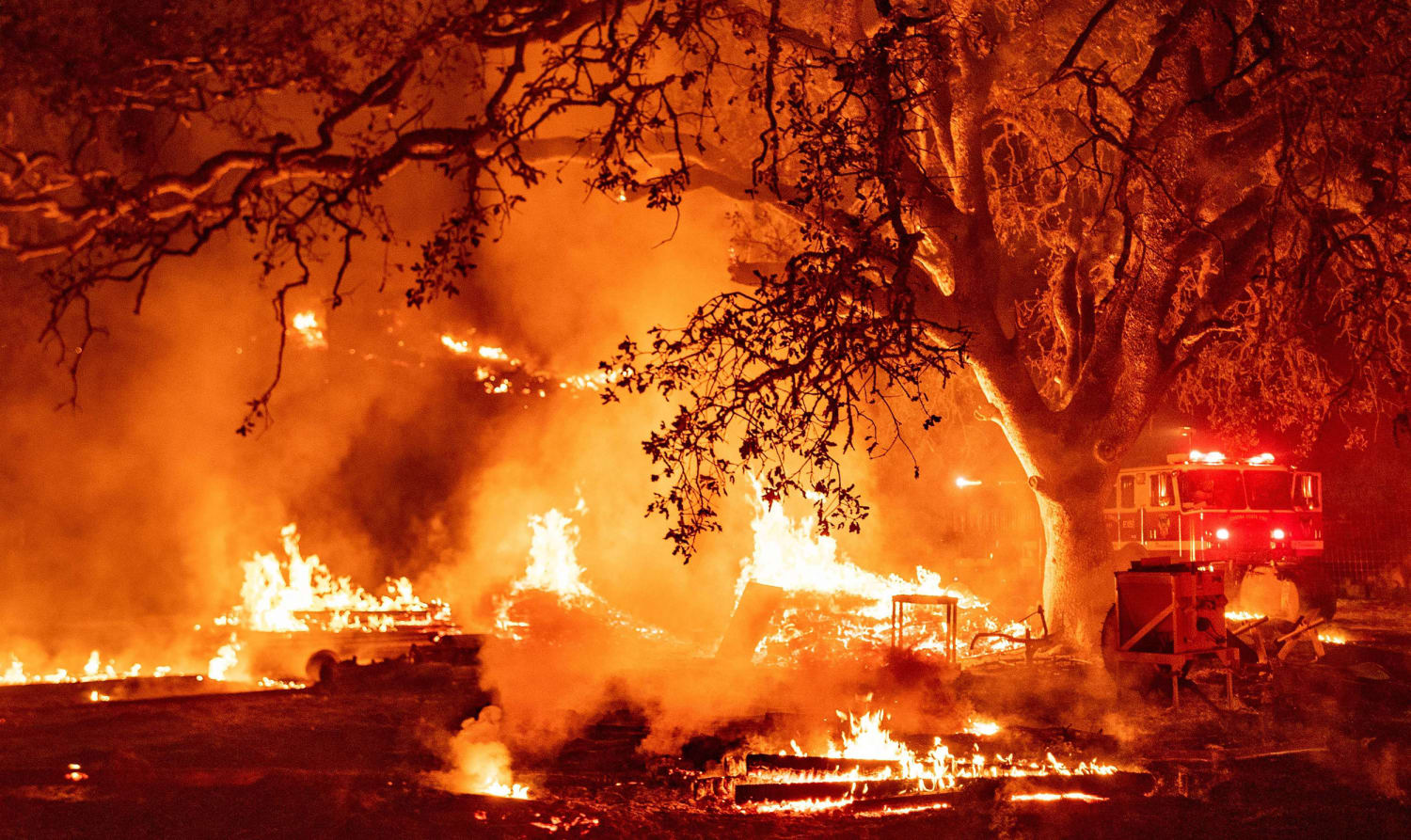
California is home to an incredible array of national parks and wilderness areas, including iconic destinations like Yosemite National Park, Sequoia National Park, Kings Canyon National Park, and Death Valley National Park. These areas, often characterized by dense forests and rugged terrain, are particularly vulnerable. When fires occur, parts of these parks or entire parks may close temporarily for visitor safety or to facilitate firefighting operations. Even if not directly threatened, trails might be inaccessible, or campgrounds evacuated. Air quality can also be a significant concern, with smoke plumes traveling dozens or even hundreds of miles, impacting visibility and health, especially for sensitive groups. Travelers planning hiking, camping, or backpacking trips in these regions must check park websites, local news, and air quality advisories daily.
Wine Country and Agricultural Regions
California’s world-renowned wine regions, such as Napa Valley and Sonoma County, have faced significant challenges from wildfires in recent years. While wineries and vineyards are often resilient, fires can lead to evacuations, road closures, and damage to infrastructure. Even without direct fire damage, smoke taint can affect grape harvests and, consequently, wine production in future years. For visitors, this can mean temporary closures of tasting rooms, restaurants, and hotels, or a general decrease in air quality. However, these communities are incredibly resilient, often rebuilding and reopening quickly. It’s advisable to check with specific wineries, hotels, and tourism boards in these regions for the latest operational status before visiting.
Urban and Coastal Centers
Major metropolitan areas like Los Angeles, San Francisco, San Diego, and coastal gems like Santa Barbara, Malibu, and Big Sur are generally less prone to direct fire impact within their core urban centers. However, wildland-urban interface areas, where development meets natural vegetation, particularly in the hills surrounding cities (e.g., Angeles National Forest near Los Angeles or the Oakland Hills), can be at risk. The most common impact on urban and coastal travelers is diminished air quality due to smoke, which can drift from fires many miles away. While inconvenient, this typically doesn’t necessitate cancelling a trip to a city, though outdoor activities might be less pleasant on certain days. Road closures, particularly on scenic routes like Highway 1 through Big Sur, can also occur, affecting travel itineraries.
Essential Planning for California Travel: Safety and Preparedness

Traveling to California during fire season doesn’t have to be daunting. With proper preparation and a proactive approach, you can still enjoy the state’s wonders safely.
Staying Informed: Reliable Resources
The most critical aspect of planning is access to accurate, up-to-date information. Rely on official sources rather than social media rumors.
- Cal Fire Incident Information: The primary source for statewide fire incidents, containment levels, and evacuation orders.
- National Wildfire Coordinating Group (NWCG) InciWeb: Provides detailed information on large, active wildfires across the U.S., including those in California.
- AirNow.gov: For real-time air quality data and forecasts. This is essential for understanding potential smoke impacts.
- National Weather Service: For critical weather information, including Red Flag Warnings (indicating high fire danger).
- Local Tourism Boards and Park Websites: Specific information regarding closures, re-openings, and local impacts in your destination.
- Google Maps Traffic Layer: Offers real-time road closures and traffic conditions.
Before and during your trip, make it a habit to check these resources, especially if you plan to visit fire-prone areas.
Travel Insurance and Flexibility
Consider purchasing comprehensive travel insurance that covers trip cancellations or interruptions due to natural disasters, including wildfires. Carefully review the policy details to understand what is covered. Furthermore, build flexibility into your itinerary. Book accommodations and activities with generous cancellation policies. This allows you to pivot if conditions change, whether it’s adjusting your route to avoid a smoky area or changing your destination entirely if a fire directly impacts your plans. Having backup plans for different parts of your trip is a wise strategy.
Considering Alternative Destinations or Routes
If your initial chosen destination is affected by fire or heavy smoke, California’s vastness offers numerous alternatives.
- Desert Escapes: Areas like Palm Springs, Joshua Tree National Park, and Death Valley National Park are typically less susceptible to wildfires due to their arid climates, though extreme heat can be a factor in summer.
- Coastal Cities and Beaches: While smoke can drift, the immediate coast often experiences better air quality due to ocean breezes. Cities like San Diego, Santa Monica, and San Francisco offer a wealth of urban and beachfront attractions.
- Lesser-Known Gems: Explore areas like the Central Coast (San Luis Obispo, Monterey), which can offer different experiences and may be geographically removed from fire activity.
Having an open mind and a willingness to adjust can save your trip from potential disruptions and still provide a fantastic California experience.
The Resilient Spirit of California Tourism: Supporting Recovery
Despite the challenges, California communities show incredible resilience. After fires subside, affected regions often depend heavily on tourism for economic recovery. By visiting responsibly, travelers can play a crucial role in supporting these communities.
Supporting Local Businesses
When you visit a region recovering from a fire, spend your money locally. Dine at local restaurants, shop at independent boutiques, stay in locally-owned hotels, and support local tour operators. Your tourist dollars directly contribute to the livelihoods of residents and help businesses rebuild and thrive. Many areas bounce back quickly, and your presence signifies a return to normalcy and economic vitality. Be understanding of any lingering impacts on services or staffing, as communities work through the recovery process.
Volunteering and Responsible Tourism
For those looking to go beyond traditional tourism, consider engaging in responsible travel. Some organizations offer opportunities to volunteer in reforestation efforts or community rebuilding initiatives in fire-affected areas. This type of travel not only provides a unique, impactful experience but also directly contributes to the long-term health and sustainability of California’s natural landscapes and communities. Always research reputable organizations and ensure your efforts are truly beneficial to the local community.
In conclusion, while fires are a reality in California, they do not mean the state is entirely closed for travel. With diligent research, flexible planning, and a commitment to responsible tourism, you can safely navigate the landscape, enjoy its myriad attractions, and contribute to the enduring spirit of one of the world’s most captivating destinations.
LifeOutOfTheBox is a participant in the Amazon Services LLC Associates Program, an affiliate advertising program designed to provide a means for sites to earn advertising fees by advertising and linking to Amazon.com. Amazon, the Amazon logo, AmazonSupply, and the AmazonSupply logo are trademarks of Amazon.com, Inc. or its affiliates. As an Amazon Associate we earn affiliate commissions from qualifying purchases.